

Cardiology
Diagnosis and treatment of heart and vascular conditions, from prevention to advanced interventional procedures.

Medically reviewed by the Acıbadem clinical team — June 12, 2026
Cardiology is the medical unit that diagnoses and treats diseases of the heart and the blood vessels that serve it. At Acıbadem International, the cardiology unit brings together preventive care, advanced imaging, catheter-based (interventional) procedures and rhythm management under one coordinated pathway — and works hand in hand with the cardiovascular surgery unit whenever an operation is the better answer. For patients traveling from abroad, that means a single team can take you from a first chest-pain evaluation through diagnosis, treatment and follow-up without the gaps that fragmented care so often creates.
This page explains what the cardiology unit covers, the conditions it treats, how the heart is investigated, the treatments available, and exactly how international patients are supported — from the first remote review of their reports to a clear follow-up plan for when they return home.
What the cardiology unit covers
Cardiology is a broad discipline, and modern heart care is highly subspecialized. The unit is organized so that the right kind of cardiologist sees each problem, rather than treating every heart condition the same way. Its main areas of work include:
- General and preventive cardiology — assessing risk, managing blood pressure, cholesterol and other factors, and catching disease early before it causes harm.
- Interventional cardiology — treating narrowed or blocked arteries through a catheter, without open surgery, including angioplasty and stenting.
- Electrophysiology and rhythm management — diagnosing and treating abnormal heart rhythms with ablation, pacemakers and implantable defibrillators.
- Heart failure care — managing a heart that is not pumping effectively, with medication, devices and structured monitoring.
- Structural and valve cardiology — assessing and, where suitable, treating valve and structural-heart problems through minimally invasive catheter techniques.
Because some heart conditions ultimately need surgery, cardiology does not work in isolation. Complex cases are discussed jointly with cardiovascular surgeons in a heart-team meeting, so the decision about whether to treat a problem with a catheter, with medication or with an operation is made together, in the patient’s interest, rather than by a single specialist working alone.
Conditions we treat
The cardiology unit cares for the full range of heart and vascular disease in adults, and works with pediatric colleagues for younger patients. The most common reasons international patients are referred include:
- Coronary artery disease — narrowing of the arteries that supply the heart, which can cause angina (chest pain on exertion) and, if an artery blocks completely, a heart attack.
- Heart valve disease — valves that have become narrowed (stenosis) or leaky (regurgitation), such as aortic stenosis or mitral regurgitation, which make the heart work harder.
- Arrhythmias — abnormal heart rhythms including atrial fibrillation, which is common and raises stroke risk, as well as slow rhythms that may need a pacemaker.
- Heart failure — a condition in which the heart cannot pump enough blood for the body’s needs, causing breathlessness, fatigue and fluid retention.
- Cardiomyopathies — diseases of the heart muscle itself, which can be inherited or acquired.
- Hypertension and high cholesterol — major, treatable risk factors that drive most heart disease.
- Congenital heart conditions in adults — heart differences present from birth that need lifelong specialist follow-up.
Many people arrive without a firm diagnosis — only with symptoms such as chest discomfort, palpitations, breathlessness or dizziness, or with an abnormal test from their home country. Part of the unit’s job is to establish what is actually wrong before recommending any treatment.
How the heart is investigated
Accurate diagnosis is the foundation of safe cardiology, and most treatment decisions rest on it. Rather than rushing to a procedure, the unit builds a clear picture of the heart using a layered set of tests, choosing only those that add useful information for each patient. Common investigations include:
- Electrocardiogram (ECG) — a quick recording of the heart’s electrical activity that can reveal rhythm problems and signs of strain or previous damage.
- Echocardiography — an ultrasound scan that shows the heart’s chambers, valves and pumping function in real time, without radiation.
- Stress testing — assessing how the heart behaves under exertion, which can expose disease that is hidden at rest.
- Holter and rhythm monitoring — recording the heartbeat over hours or days to catch intermittent arrhythmias.
- Coronary CT angiography — a detailed scan of the coronary arteries that can map narrowing without an invasive procedure.
- Cardiac catheterization (coronary angiography) — passing a fine catheter to the heart to image the arteries directly, often combined with treatment in the same session.
These investigations are supported by the hospital group’s wider medical technologies, and the results are interpreted by cardiologists who put them in the context of the whole patient — symptoms, history and risk — rather than treating a single number in isolation.
Treatments and procedures
Cardiology offers a spectrum of treatment, and the unit’s guiding principle is to use the least invasive option that achieves the best result. Treatment generally falls into the following groups.
Medical and preventive treatment
For many patients, especially those caught early, the most important treatment is not a procedure at all but careful medical management: controlling blood pressure and cholesterol, optimizing medication, and reducing risk factors. This is the quiet backbone of cardiology and often prevents the need for anything more invasive.
Interventional cardiology
When an artery is significantly narrowed or blocked, it can frequently be treated through a catheter rather than open surgery. Coronary angioplasty and stenting open the narrowed segment and hold it open with a small mesh tube (a stent), restoring blood flow to the heart muscle. These procedures are performed in a catheter laboratory, often through a small puncture in the wrist or groin, and usually involve a short recovery. The unit also performs catheter-based treatment of certain structural and valve problems in suitable patients, allowing some people who were once considered too high-risk for surgery to be treated.
Electrophysiology and rhythm management
Abnormal heart rhythms are treated by electrophysiologists. Catheter ablation uses energy delivered through a catheter to correct the faulty electrical circuit causing arrhythmias such as atrial fibrillation or supraventricular tachycardia. For slow or unreliable rhythms, a pacemaker can be implanted; for patients at risk of dangerous rhythms, an implantable cardioverter-defibrillator (ICD) can be life-saving.
Heart-failure and device therapy
Heart failure is managed with a combination of modern medication, lifestyle support and, in selected patients, specialized devices that help the heart pump more effectively. The unit monitors these patients closely, because well-organized follow-up is what keeps heart-failure patients well and out of hospital.
When surgery is the answer
Some conditions — for example severe valve disease or extensive coronary artery disease — are best treated with an operation. In those cases the cardiology unit works directly with cardiovascular surgery, and the heart team decides together on the safest plan. You can also explore specific procedures across the unit in the treatments library.
Technology and approach
What distinguishes good cardiology is not any single machine but how diagnosis, decision-making and treatment fit together. The unit uses modern catheter laboratories, advanced cardiac imaging and contemporary devices, but the more important advantage is the heart-team model: cardiologists and surgeons reviewing complex cases together so that no patient is pushed toward a procedure simply because it is the one a particular specialist happens to perform. Minimally invasive and catheter-based options are preferred wherever they are appropriate, because they generally mean less discomfort and a faster return to normal life — but the unit is equally willing to recommend medical treatment alone when that is genuinely the best path.
Your multidisciplinary team
Heart care is a team effort. Depending on your condition, your care may involve a general cardiologist, an interventional cardiologist, an electrophysiologist, a heart-failure specialist, a cardiovascular surgeon, an anesthesiologist, and specialist cardiac and intensive-care nurses. Imaging specialists and rehabilitation therapists also contribute. You can meet the physicians who lead this work on the doctors page, and treatment is delivered across Acıbadem’s accredited hospitals, which maintain international quality and safety standards.
When should you seek a cardiology opinion?
Some heart symptoms deserve prompt assessment rather than waiting. It is worth seeking a cardiology opinion if you experience chest pain or pressure — particularly on exertion — unexplained breathlessness, palpitations or a racing heartbeat, fainting or near-fainting, or unusual fatigue and swelling in the legs. A family history of early heart disease, longstanding high blood pressure, diabetes or high cholesterol are also good reasons to have your heart assessed, even without symptoms. Many international patients come not because of an emergency but because they want a thorough, expert evaluation and a clear plan — and that is exactly the kind of proactive care the unit is designed to provide.
Understanding and reducing your cardiovascular risk
Most heart disease is driven by a handful of risk factors, and the encouraging reality is that many of them can be changed. A central part of cardiology is not only treating disease that has already developed but identifying and reducing the risks that cause it. The factors that matter most include:
- High blood pressure — often symptomless, yet a major cause of heart attack, stroke and heart failure when left untreated.
- High cholesterol — contributes to the build-up that narrows arteries over time.
- Diabetes and blood-sugar problems — significantly raise cardiovascular risk and call for closer heart monitoring.
- Smoking — one of the most powerful and reversible risk factors for heart and vascular disease.
- Weight, diet and physical inactivity — modifiable habits that strongly influence heart health.
- Family history — which cannot be changed but tells your cardiologist to watch more closely.
The unit assesses these factors as part of a full evaluation and builds a realistic, personalized plan to reduce them — because preventing a heart attack is always better than treating one. Patients who simply want a thorough assessment of their heart health can also arrange a structured evaluation through the check-up and preventive medicine unit.
Cardiac rehabilitation and long-term wellbeing
Recovery from a heart event or procedure does not end at discharge. Cardiac rehabilitation — a structured, supervised program of monitored exercise, education and risk-factor management — is one of the most effective ways to improve long-term outcomes and confidence after heart treatment. It helps patients return to normal activity safely, reduces the chance of further problems, and addresses the emotional side of recovery, which is often overlooked. Working with the physical medicine and rehabilitation unit, the cardiology team can plan a rehabilitation pathway that begins in Turkey and continues at home, so that the benefits of treatment are sustained rather than lost.
The international patient journey
Traveling abroad for heart care can feel daunting, so the unit is built around a clear, supported pathway. Most international patients move through the following steps.
1. Remote review of your case
You begin by sharing your medical reports, test results and any imaging. A cardiologist reviews them and provides a written opinion on what the findings suggest and what the realistic options are. Where it adds value, you can also obtain a second opinion before making any decision — entirely remotely, before you commit to travel.
2. A clear plan and estimate
If treatment in Turkey makes sense, you receive a proposed plan: what is recommended, what the visit would involve, roughly how long you would need to stay, and what to expect. This lets you plan with confidence rather than uncertainty.
3. Coordinated arrival and treatment
A dedicated international patient coordinator arranges your appointments, hospital admission, interpreting in your language, and the practical logistics of your visit. On arrival, your diagnosis is confirmed in person before any procedure, because the team treats the patient in front of them, not just the paperwork.
4. Recovery and a follow-up plan
After treatment you are given clear discharge documents, your results, and a structured follow-up plan that your own doctor at home can continue. The team remains reachable for questions during your recovery. To begin this process, you can request an online consultation.
Coordinated care for complex and higher-risk patients
Many heart patients also live with other health conditions — diabetes, kidney disease, lung problems or previous cancer treatment — and these can make heart care more delicate. A real strength of treatment within a large hospital group is that the relevant specialists are already under the same roof. If your heart condition intersects with diabetes or hormonal disease, endocrinology can be involved; if kidney function is a concern, nephrology colleagues contribute; and if a rhythm problem raises stroke risk, neurology can advise. For older patients, or those considered higher-risk for traditional surgery, the heart team’s access to catheter-based and minimally invasive options can open doors that might otherwise be closed. This joined-up approach matters most precisely when a case is not straightforward — and it is one of the clearest advantages of being treated by a coordinated team rather than a single isolated clinic. Your international patient coordinator helps gather the right specialists so that your whole health picture, not just your heart, is taken into account when your plan is made.
Why patients choose Acıbadem for heart care
Acıbadem International combines experienced cardiology and cardiac-surgery teams, modern catheter laboratories and imaging, and a genuinely multidisciplinary approach — all within hospitals that meet international accreditation standards and operate around the clock. For international patients, the practical support is just as important as the clinical care: language assistance, careful planning, and a single coordinated team rather than a series of disconnected appointments. The cardiologist who diagnoses you and the surgeon who might treat you plan your care together, which is exactly how heart medicine should work.
What to expect and practical notes
Every heart condition is different, so the length of stay and recovery vary. A diagnostic visit or a straightforward catheter procedure may require only a short stay, while more complex treatment needs longer. Your coordinator will plan your time abroad around safe early recovery and travel, and will be realistic with you about timelines. Importantly, the unit does not pressure patients into procedures: if medication and monitoring are the right choice, that is what will be recommended. Heart care is a long-term relationship, and the goal is to leave you genuinely better, with a plan you can sustain at home.
Frequently asked questions
Can my heart condition be reviewed before I travel to Turkey?
Yes. You can send your reports, test results and any imaging for a remote review by a cardiologist, and receive a written opinion — often including a second opinion — before you decide to travel. This helps you understand your options without committing to a trip first.
What is the difference between cardiology and cardiac surgery?
Cardiology diagnoses heart disease and treats it with medication and catheter-based (interventional) procedures, while cardiovascular surgery treats conditions that need an operation, such as bypass or valve surgery. At Acıbadem International the two work together as one heart team, so your case is assessed from both perspectives.
Is angioplasty and stenting major surgery?
No. Angioplasty and stenting are performed through a small puncture in the wrist or groin using a catheter, not through open surgery. Recovery is usually short, though the exact experience depends on your individual condition.
Will I be pushed toward a procedure I do not need?
No. The unit’s heart-team model is specifically designed to prevent that. Complex cases are reviewed jointly, and if careful medical treatment and monitoring are the best option for you, that is what will be recommended.
How long will I need to stay in Turkey?
It depends entirely on your diagnosis and treatment. A diagnostic visit or a simple catheter procedure may need only a short stay, while more involved treatment requires longer. Your coordinator plans your time around safe recovery and travel and will give you a realistic estimate in advance.
What support is there for international patients?
A dedicated coordinator arranges your appointments, admission, interpreting and travel logistics, and ensures your results and a follow-up plan are shared clearly so your own doctor can continue your care at home.
Will I receive follow-up after I return home?
Yes. You are given discharge documents, your test results and a structured follow-up plan, and the team remains available for questions during your recovery.
Do you treat atrial fibrillation and other rhythm problems?
Yes. The unit includes electrophysiologists who treat atrial fibrillation and other arrhythmias with medication, catheter ablation and, where needed, pacemakers or implantable defibrillators. The right approach depends on the type of rhythm problem and your overall heart health.
Can I come just for a comprehensive heart check?
Yes. Many international patients come for a thorough cardiac evaluation rather than for a known problem. This can be arranged on its own or as part of a wider health assessment through the check-up and preventive medicine unit, with results explained clearly and a plan you can act on.
I had a stent or bypass abroad — can you review my ongoing care?
Yes. The unit regularly reviews patients who have already had heart treatment elsewhere, assessing how things stand now and advising on medication, monitoring and any further steps. Sharing your previous reports allows a meaningful remote review before you travel.
Are valve problems always treated with open surgery?
Not always. Some valve and structural-heart problems can now be treated through a catheter rather than open surgery, which can be especially valuable for patients considered higher-risk for an operation. Whether a minimally invasive option is suitable depends on the specific valve, its severity and your overall health, and is decided jointly by the heart team after assessment.
Is heart care available for urgent or recently diagnosed problems?
Acıbadem International hospitals operate around the clock, and recently diagnosed or more pressing heart problems can be prioritized for review. Sharing your latest reports allows the team to advise quickly on how soon you should be seen and what the safest next step is.
This page provides general health information about the services of this unit and is not a substitute for personal medical advice. Any diagnosis and treatment plan is determined after individual assessment by a qualified physician.
Specialists in this Unit

Prof. Dr. Ahmet Akyol
Cardiology
Prof. Dr. Ahmet Karabulut
Cardiology
Prof. Dr. Ahmet Kaya Bilge
Cardiology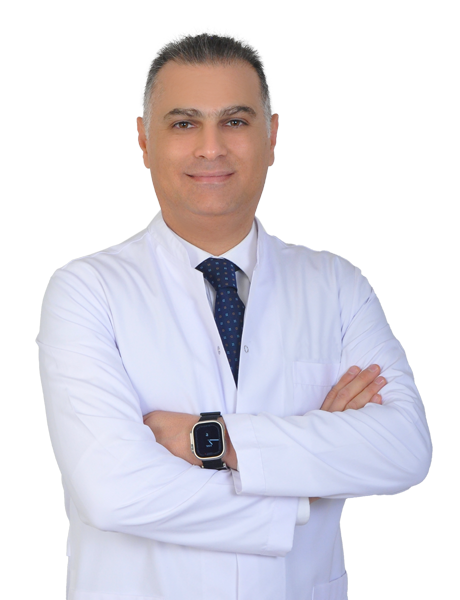
Prof. Dr. Ahmet Oytun Baykan
Cardiology
Prof. Dr. Aleks Değirmencioğlu
Cardiology
Prof. Dr. Ali Aydinlar
Cardiology
Prof. Dr. Alper Özkan
Cardiology
Prof. Dr. Barış Kılıçaslan
Cardiology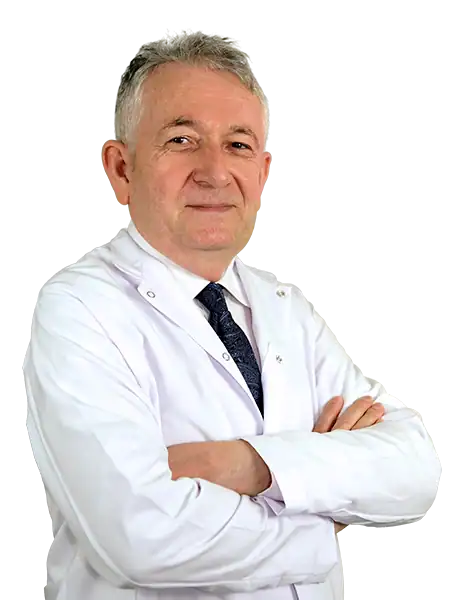
Prof. Dr. Bekir Sıtki Cebeci
Cardiology
Prof. Dr. Burak Pamukçu
Cardiology
Prof. Dr. Cahide Soydaş Çınar
Cardiology
Prof. Dr. Duhan Fatih Bayrak
Cardiology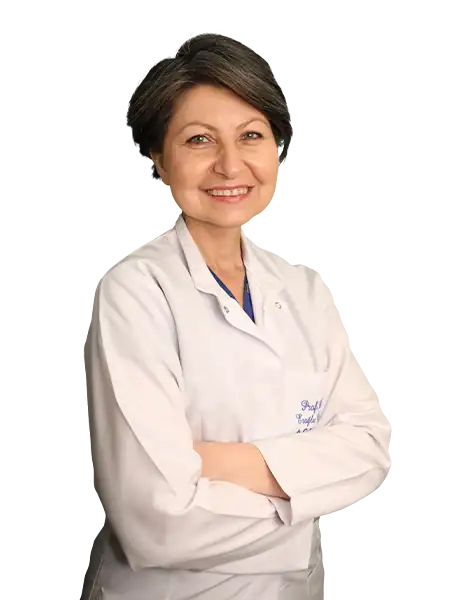
Prof. Dr. Elif Eroğlu Büyüköner
Cardiology
Prof. Dr. Ergün Seyfeli
Cardiology
Assoc. Prof. Dr. Alper Karakuş
Cardiology
Assoc. Prof. Dr. Cem Köz
Cardiology
Assoc. Prof. Dr. Emrah Erdal
Cardiology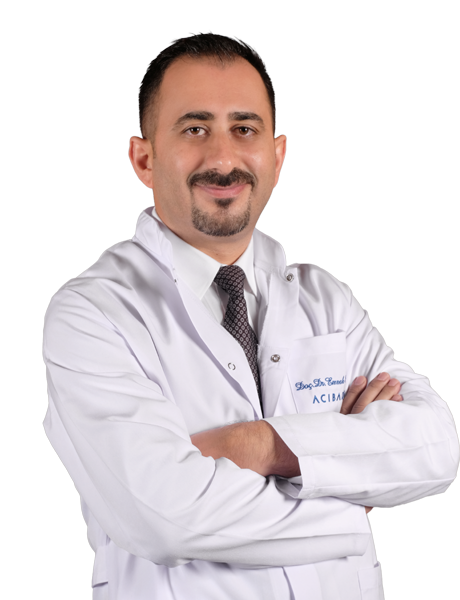
Assoc. Prof. Dr. Emrah Erdoğan
Cardiology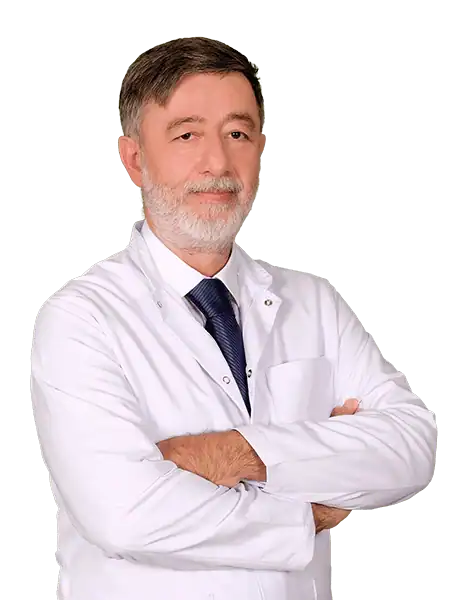
Dr. Aydin Aksoy
Cardiology
Dr. Can Burak Özme
Cardiology
Dr. Doğaç Çağlar Gürbüz
Cardiology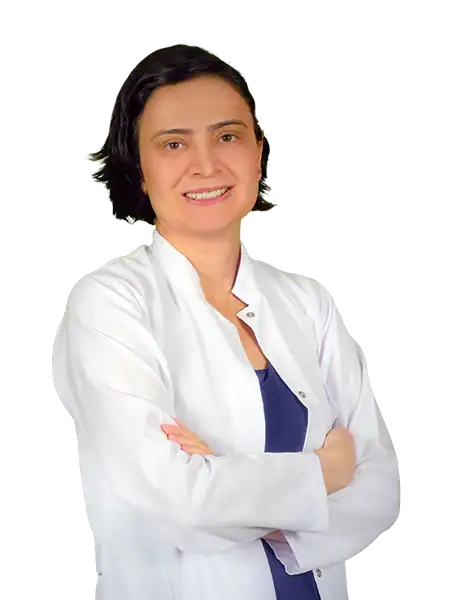
Dr. Eda Tokuçcu
Cardiology
Dr. Egemen Duygu
Cardiology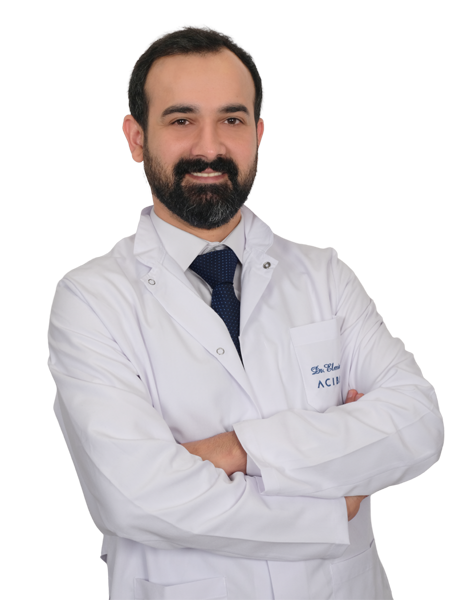
Dr. Elmın Imanov
CardiologyMedical Technologies Used
Speak with our medical team
Share your case and our international patient team will guide you to the right specialist — free of charge.