How To Lower Blood Pressure Fast

Key Takeaways
- A calm setting, slow breathing, and rest can help some people bring a temporary blood pressure rise down.
- If blood pressure is very high or symptoms such as chest pain, shortness of breath, weakness, or confusion appear, urgent medical assessment is needed.
- Home blood pressure readings are most useful when taken correctly and repeated after a few minutes of rest.
- Long-term control usually depends on identifying the cause, reviewing medicines, and making steady lifestyle changes.
- People traveling for care should bring a list of medicines, past readings, and any recent test results to help doctors act quickly.
A sudden blood pressure spike can be unsettling, but the safest response depends on the number on the monitor and whether any warning symptoms are present. This guide explains practical steps that may help lower blood pressure, when urgent medical care is needed, and how long-term treatment is usually planned.
Overview
When someone asks how to lower blood pressure fast, the first step is to separate a temporary rise from a true medical emergency. Blood pressure can move up for many reasons, including stress, pain, caffeine, a missed medication, poor sleep, or simply being nervous while checking it.
Not every elevated reading needs immediate treatment, and trying to force the number down too quickly can be unsafe. The goal is to lower it in a way that is calm, measured, and medically appropriate, especially if the person already has heart, kidney, or vascular disease.
In a health library setting, it helps to think in two layers: what can be done right now at home, and when a doctor should take over. That distinction is especially important for international patients who may be reading a home monitor in a hotel room, airport lounge, or after a long flight and need a clear, practical plan.
Symptoms
High blood pressure often has no symptoms at all, which is one reason it can go unnoticed for years. A person may feel completely well even when the reading is elevated, so a home monitor is often the only clue.
Some people notice a headache, flushing, anxiety, a pounding heartbeat, or mild dizziness. These symptoms are not specific to blood pressure and can also happen with stress, dehydration, illness, or other conditions.
Certain warning signs deserve urgent attention rather than home management. These include chest pain, trouble breathing, one-sided weakness, facial drooping, confusion, severe headache, vision changes, fainting, or a blood pressure reading that stays very high and is accompanied by feeling unwell.
- Chest pain or pressure
- Shortness of breath
- New weakness, numbness, or trouble speaking
- Confusion or severe drowsiness
- Sudden vision changes
- Severe headache with vomiting or neurological symptoms
Causes & Risk Factors

A sudden rise in blood pressure may follow emotional stress, pain, caffeine, nicotine, alcohol, dehydration, or intense physical exertion. Missing prescribed blood pressure medicine is another common reason, especially during travel or a disrupted routine.
Some medical conditions make blood pressure harder to control, including kidney disease, sleep apnea, thyroid disorders, diabetes, and certain hormonal problems. Over-the-counter medicines such as some cold remedies, anti-inflammatory pain relievers, and stimulants can also raise blood pressure in some people.
Longer-term risk factors include aging, excess body weight, high-salt eating patterns, low physical activity, smoking, and a family history of hypertension. For international patients, long flights, jet lag, unfamiliar foods, and changes in access to regular medication can make control more difficult for a short time.
Diagnosis
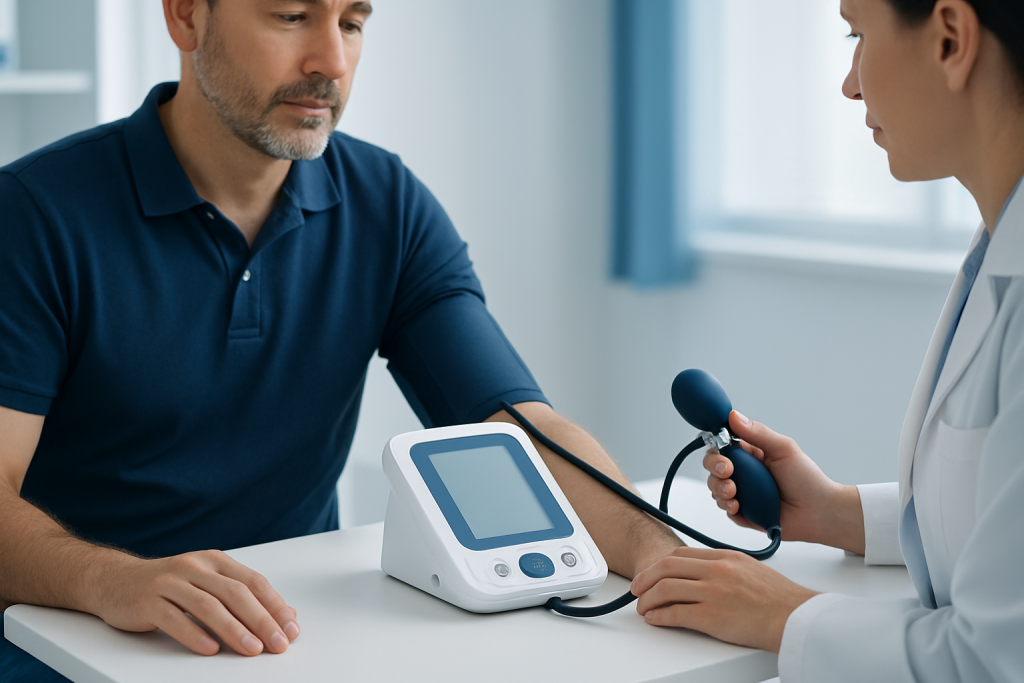
Before trying to lower blood pressure fast, the reading should be checked carefully. The person should sit quietly for about five minutes, keep both feet on the floor, avoid talking, and use the correct cuff size on the bare upper arm if possible.
Doctors usually repeat measurements and may compare readings from both arms. They also look at the whole picture, including symptoms, current medicines, medical history, and whether the elevation seems temporary or persistent.
If the blood pressure is very high or there are warning symptoms, evaluation may include an exam, blood and urine tests, an electrocardiogram, or other studies to look for heart, brain, kidney, or eye involvement. For people arriving from another country, bringing a home log, medication list, and previous records can save time and reduce guesswork.
Treatment Options
The safest immediate steps for a mild to moderate rise usually begin with rest and repeat measurement rather than panic. A person may sit in a quiet place, slow the breathing, loosen tight clothing, drink water if they may be dehydrated, and avoid caffeine, nicotine, and alcohol until the reading is rechecked.
If a missed dose of blood pressure medicine is the likely cause, the person should follow the instructions given by their own prescribing doctor or pharmacist and should not double up unless specifically told to do so. If a clinician has already provided a plan for occasional high readings, that plan should be followed exactly.
Doctors treat severe or persistent hypertension based on the cause and the overall risk. Treatment may involve adjusting long-term medication, addressing pain or anxiety, treating an underlying illness, or, in emergency settings, giving closely monitored medicines in hospital.
A few practical measures can support a safer short-term response:
- Rest quietly and recheck the reading after several minutes
- Use slow, steady breathing rather than rapid deep breaths that cause lightheadedness
- Hydrate if dehydration is likely and swallowing is safe
- Avoid exercise until the situation is clarified
- Do not take extra medicines unless a clinician has advised it
For international patients, a multidisciplinary team can be especially helpful when blood pressure is tied to more than one issue, such as diabetes, kidney disease, or heart rhythm concerns. Acibadem Health Point’s multidisciplinary specialists and JCI-accredited hospitals diagnose and treat this condition for international patients with coordinated follow-up plans.
Prevention & Self-care
Fast fixes are only one part of the story. The more reliable way to prevent sudden spikes is to keep blood pressure stable day to day with habits that are realistic and sustainable.
Regular medication use, if prescribed, is central. So is a blood pressure log taken at similar times each day, ideally after a few minutes of rest and before caffeine, nicotine, or exercise. Patterns in the log often reveal triggers that are easy to miss in a single reading.
Other helpful steps include limiting salt, staying physically active as advised, getting adequate sleep, avoiding tobacco, moderating alcohol, and managing stress in a way that fits the person’s life. Travelers should keep medicines in carry-on luggage, maintain time-zone guidance from their doctor, and carry a simple list of active prescriptions in case care is needed away from home.
When to See a Doctor
A doctor should be contacted if blood pressure remains high after resting and rechecking, if home readings are repeatedly above the target given by the patient’s own clinician, or if there is uncertainty about the correct way to measure it. Even without symptoms, repeated elevation deserves medical review because long-term damage can be silent.
Urgent medical care is appropriate if the blood pressure is very high and the person has chest pain, shortness of breath, severe headache, neurological symptoms, vision changes, fainting, or confusion. These symptoms matter more than the number alone because they may signal an emergency.
People who are pregnant, have kidney disease, have had a stroke or heart attack, or recently changed medication should seek prompt medical advice for elevated readings. When in doubt, it is safer to have a clinician review the situation than to assume it will settle on its own.
Living With Blood Pressure That Fluctuates
Some people find that blood pressure rises only in certain settings: after poor sleep, during a stressful week, after salty meals, or while traveling. That pattern can feel frustrating, but it also offers clues that help doctors tailor treatment.
It is often useful to write down what happened before the reading: food, caffeine, missed medicine, pain, exercise, anxiety, or a recent flight. Over time, this record can show which changes matter most and whether the problem is truly an emergency or a temporary spike.
For patients who need care abroad, a measured approach works best. Reliable measurements, a current medicine list, and a clear plan from a qualified doctor make it easier to avoid unnecessary alarm and to get the right treatment quickly if the reading is truly concerning.
Frequently asked questions
What is the fastest safe way to lower blood pressure at home?
The safest first step is to sit quietly, breathe slowly, and repeat the reading after several minutes with the correct cuff and position. If the elevation is mild and there are no warning symptoms, rest and rechecking may be enough to show whether it was temporary.
Can deep breathing lower blood pressure quickly?
Slow breathing can help some people relax, which may reduce a stress-related rise. It should be done gently and steadily, not in a way that causes lightheadedness or replaces medical care when symptoms are severe.
Should a person take an extra blood pressure pill if the reading is high?
Not unless a doctor has specifically told them to do that. Taking extra medicine without guidance can cause blood pressure to drop too far or interact with other medications.
When is high blood pressure an emergency?
It becomes urgent when very high readings come with chest pain, shortness of breath, severe headache, confusion, weakness, vision changes, or fainting. In that setting, emergency evaluation is more important than trying to manage it alone.
Why does blood pressure sometimes go up during travel?
Travel can change sleep, meal patterns, hydration, activity, and medicine timing, all of which can influence blood pressure. Stress and unfamiliar routines can also make readings temporarily higher.
How often should blood pressure be checked at home?
That depends on the person’s health situation and the advice of their clinician. Many people benefit from checking at consistent times for several days and recording the results rather than reacting to a single number.
References
- American Heart Association
- National Heart, Lung, and Blood Institute
- World Health Organization
- Centers for Disease Control and Prevention
- European Society of Cardiology
This article is for general information only and is not a substitute for professional medical advice. Please consult a qualified doctor about your individual situation.