Postural Orthostatic Tachycardia Syndrome Treatments

Key Takeaways
- POTS treatment is usually individualized and often works best when multiple approaches are combined.
- Hydration, salt intake, compression garments, and carefully paced activity can help reduce symptoms for many people.
- Doctors may use medicines to target heart rate, blood vessel tone, or other symptoms when lifestyle measures are not enough.
- Diagnosis matters because similar symptoms can come from anemia, thyroid problems, dehydration, or other conditions.
- Regular follow-up helps adjust treatment over time, especially if symptoms change or daily activities become harder.
Postural orthostatic tachycardia syndrome (POTS) is a condition that affects how the body regulates heart rate and blood flow when standing. Treatment is usually personalized and often combines lifestyle measures, symptom control, and follow-up care.
Overview
Postural orthostatic tachycardia syndrome, often called POTS, is a problem with the body’s ability to adjust smoothly when a person stands up. Instead of keeping blood flow steady, the heart rate rises too much and symptoms such as lightheadedness, shakiness, fatigue, or brain fog may appear. For many people, the hardest part is that the condition affects ordinary routines: getting out of bed, showering, commuting, working, or standing in line can all become unexpectedly difficult.
There is no single treatment that fits everyone. Care usually focuses on reducing symptoms, improving blood circulation, and helping the person stay active enough to maintain conditioning without triggering major symptom flares. Because POTS can look different from one person to another, treatment plans are often built step by step, with changes made after observing what actually helps in daily life.
For international patients, planning care may also include coordination across specialties, review of prior test results, and a practical recovery plan before travel home. That broader view is useful in POTS, where management is often as much about routine and follow-up as it is about medication.
Symptoms
POTS symptoms are usually triggered or worsened by standing, heat, dehydration, prolonged sitting, or sudden exertion. The most common pattern is a fast heartbeat on standing, but the experience can extend far beyond heart rate alone. Some people feel as if their body is “lagging behind” when they change position, while others mainly notice exhaustion and difficulty concentrating.
Common symptoms may include:
- Rapid heartbeat or palpitations when standing
- Lightheadedness, dizziness, or near-fainting
- Fatigue and reduced stamina
- Brain fog, trouble focusing, or slowed thinking
- Trembling, nausea, headache, or chest discomfort
- Shortness of breath or weakness during upright activity
Symptoms can fluctuate from day to day. Some people have mild episodes that are manageable with simple changes, while others need a more structured medical plan because standing for even short periods becomes difficult. Tracking patterns over time can help the doctor tailor treatment more accurately.
Causes & Risk Factors

POTS is not a single disease with one known cause. Instead, it is a syndrome, which means different underlying factors may lead to a similar set of symptoms. In some people, symptoms begin after an illness, surgery, pregnancy, injury, or a period of prolonged inactivity. In others, the onset is gradual and no clear trigger is found.
Several factors may be associated with POTS, including blood pooling in the lower body, changes in autonomic nervous system regulation, lower blood volume, deconditioning, and in some cases immune-related mechanisms. Some people also have overlap with migraine, joint hypermobility, gastrointestinal symptoms, or chronic fatigue-like symptoms, which can make the clinical picture more complex.
Risk may be higher in adolescents and adults assigned female at birth, although POTS can affect anyone. It is also important to look for other conditions that can mimic or worsen POTS-like symptoms, such as anemia, thyroid disorders, dehydration, medication side effects, or heart rhythm problems. Identifying those contributors is a key part of successful treatment.
Diagnosis
Diagnosis starts with a careful history and examination. A doctor will usually ask when the symptoms began, what makes them better or worse, whether there has been fainting, and how the symptoms affect daily function. Because POTS can resemble other health problems, the evaluation often aims to confirm the pattern while also ruling out more common causes of a fast heartbeat or dizziness.
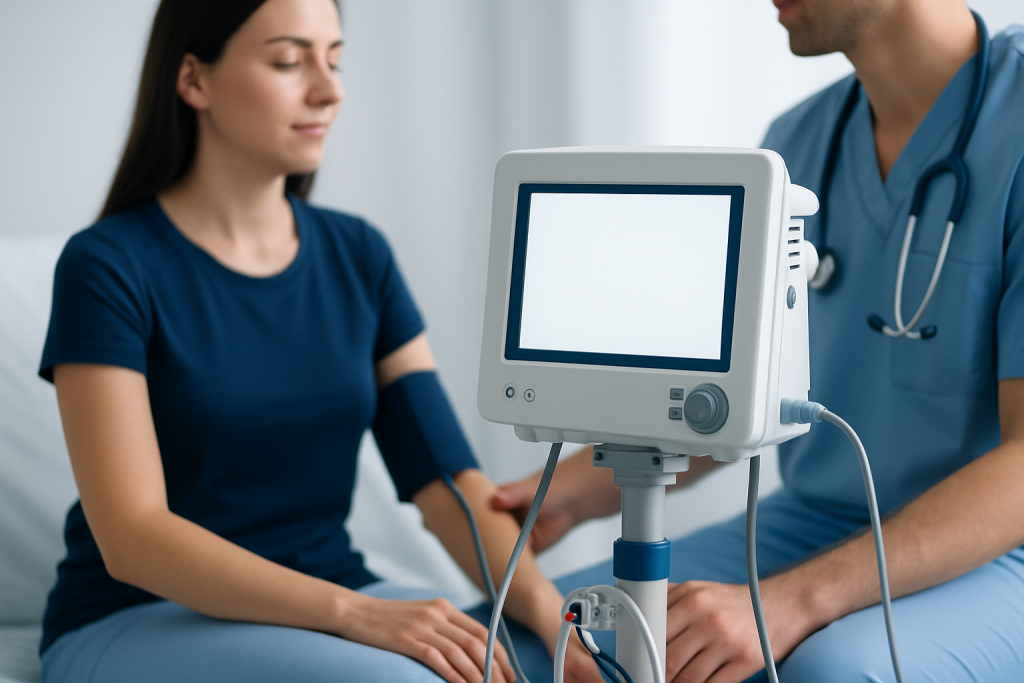
Typical assessment may include measuring heart rate and blood pressure while lying down and after standing, sometimes with a tilt-table test. Blood tests may be used to check for anemia, thyroid dysfunction, low iron stores, dehydration, electrolyte problems, or other conditions that can produce similar symptoms. Depending on the case, an electrocardiogram or additional cardiac testing may also be recommended.
A good diagnosis is more than a label. It helps the care team choose treatments that match the person’s symptoms, activity level, and other medical issues. For international patients, bringing prior records, medication lists, and any home measurements can save time and improve the quality of the first consultation.
Treatment Options
POTS treatment is usually layered rather than one-size-fits-all. Most plans begin with non-drug strategies, because many people notice meaningful improvement when hydration, circulation support, and activity habits are addressed consistently. If symptoms remain disruptive, doctors may add medicines to target heart rate, blood vessel tone, or associated complaints such as nausea or sleep problems.
Common treatment approaches include:
- Fluid and salt optimization: Many patients are advised to increase fluids and, when medically appropriate, salt intake to support blood volume.
- Compression garments: Waist-high compression stockings or abdominal compression can reduce blood pooling in the legs and abdomen.
- Exercise rehabilitation: A gradual, structured program often starts with recumbent or low-upright activities and progresses slowly.
- Medicines: Depending on the case, doctors may consider medications that help control heart rate, support blood pressure, or improve specific symptoms.
Treatment may also include reviewing medications that worsen symptoms, such as those that lower blood pressure or increase dehydration in some patients. If there are overlapping problems like iron deficiency, sleep disturbance, migraine, or gastrointestinal symptoms, addressing them can improve overall stability. The most effective plan is often the one that is adjusted patiently over time, based on symptom response rather than a fixed formula.
For patients traveling from abroad, practical planning matters. That can include confirming which treatments should continue during travel, understanding warning signs that need urgent attention, and arranging follow-up after returning home. In specialized settings, multidisciplinary teams can coordinate this process so the person leaves with a realistic plan, not just a diagnosis.
Prevention & Self-care
There is no guaranteed way to prevent POTS, but day-to-day habits can reduce symptom burden and make episodes less severe. Many people do better when they keep fluids nearby, avoid long periods of standing without movement, and rise slowly from lying or sitting positions. Heat management is also important, since hot showers, warm environments, and dehydration can worsen symptoms.
Helpful self-care strategies may include:
- Drinking fluids regularly throughout the day
- Following the doctor’s guidance on salt intake
- Using compression garments if recommended
- Eating smaller, more frequent meals if large meals trigger symptoms
- Planning rest breaks during work, travel, or sightseeing
- Keeping a symptom diary to identify triggers
Exercise is often beneficial, but it should be paced carefully. Starting too fast can lead to setbacks, so many people improve more steadily when they begin with short, manageable sessions and gradually build tolerance. Sleep, stress management, and consistent routines can also help stabilize symptoms, especially when the condition affects energy and concentration.
When to See a Doctor
Medical assessment is recommended when standing causes repeated dizziness, rapid heartbeat, fainting, or a level of fatigue that interferes with everyday life. It is also wise to seek evaluation if symptoms begin after an illness, medication change, pregnancy, or a period of reduced activity, because those details can help explain the cause and shape treatment.
Prompt medical review is especially important if there is chest pain, frequent fainting, shortness of breath, severe weakness, or symptoms that are rapidly worsening. These signs do not always mean something dangerous, but they deserve proper evaluation so the person is not left guessing. A doctor can determine whether the pattern is consistent with POTS or whether another condition needs attention.
Because treatment often requires adjustment over time, follow-up visits are a normal part of care, not a sign that treatment is failing. For patients who travel internationally, a center with coordinated cardiology and neurology input can be especially helpful. Acibadem Health Point’s multidisciplinary specialists and JCI-accredited hospitals diagnose and treat this condition for international patients with organized evaluation and follow-up planning.
Living With POTS Long Term
Many people with POTS learn to manage the condition successfully once they understand their triggers and have a treatment plan that fits their lifestyle. Progress is often gradual. The goal is not always to eliminate every symptom immediately, but to make standing, working, studying, and traveling more predictable and less draining.
Long-term management usually works best when patients keep communicating with their doctor, especially if symptoms change, new problems appear, or daily function begins to slip. Because POTS can overlap with other conditions, the plan may evolve as more information becomes available. That flexibility is often what turns partial relief into a sustainable routine.
For many patients, the most reassuring part of care is realizing that symptoms can be understood and managed in a structured way. With a clear diagnosis, practical self-care, and medical follow-up when needed, many people regain a better sense of control over daily life.
Frequently asked questions
What is the main goal of POTS treatment?
The main goal is to reduce symptoms and improve daily function by helping the body handle standing more effectively. Treatment often focuses on hydration, circulation support, exercise reconditioning, and, when needed, medication.
Can POTS be treated without medicine?
Yes, many people start with non-drug measures such as increasing fluids, adjusting salt intake if advised, wearing compression garments, and following a graded exercise plan. Some people improve enough with these steps alone, while others need medication as well.
How long does it take for POTS treatment to work?
Improvement is often gradual and may take time, especially if exercise reconditioning is part of the plan. The timeline varies widely depending on the underlying cause, symptom severity, and how consistently the plan can be followed.
Is exercise safe if someone has POTS?
Exercise is often part of treatment, but it should be started slowly and matched to the person’s tolerance. A doctor or rehabilitation specialist can suggest a safer starting point, often with low-upright or recumbent activities.
What tests are used to diagnose POTS?
Doctors may check heart rate and blood pressure changes when moving from lying down to standing, and sometimes use a tilt-table test. Blood tests and heart tests may also be done to rule out anemia, thyroid problems, dehydration, or rhythm issues.
Can POTS go away completely?
Some people improve a great deal over time, while others have long-term symptoms that need ongoing management. The outlook depends on the person, the triggers involved, and whether other contributing conditions are found and treated.
References
- American Heart Association
- Cleveland Clinic
- National Institute of Neurological Disorders and Stroke
- Mayo Clinic
- Heart Rhythm Society
This article is for general information only and is not a substitute for professional medical advice. Please consult a qualified doctor about your individual situation.