Congenital Bicuspid Valve Disease

Key Takeaways
- A bicuspid aortic valve is a common congenital heart difference, not something a person develops later in life.
- Symptoms may be absent for years, so the condition is often found during a routine exam or heart test.
- An echocardiogram is the main test used to confirm the diagnosis and monitor valve function.
- Treatment ranges from careful observation and medicines to valve repair or replacement when the valve becomes significantly narrowed or leaky.
- Follow-up is important even when symptoms are mild, because the aorta may also need monitoring.
Congenital bicuspid valve disease is a heart condition present from birth in which an aortic valve has two leaflets instead of three. Many people feel well for years, but regular monitoring matters because the valve may narrow, leak, or place extra strain on the heart over time.
Overview
Congenital bicuspid valve disease means the aortic valve, the gate that helps blood leave the heart and enter the body, formed with two flap-like parts instead of the usual three. It is present from birth, although it may not be discovered until childhood, adulthood, or even much later if it causes no early symptoms.
For many people, the valve works well for years. The reason doctors take it seriously is simple: over time, a bicuspid valve can become stiff, narrowed, or leaky. Some people also develop widening of the nearby aorta, the body’s main artery, which is why long-term observation is part of good care.
Patients who are considering care from another country often want to know whether this diagnosis requires immediate treatment or just expert follow-up. The answer depends on how the valve is functioning, whether the aorta is enlarged, and whether symptoms or heart strain are already present. A cardiology team can usually map out the next steps after a thorough assessment.
Symptoms
Some people with congenital bicuspid valve disease have no symptoms for a long time and only learn about the condition after a doctor hears a heart murmur or a test is done for another reason. When symptoms do appear, they are often related to a valve that has become narrowed or leaky.
Possible symptoms can include:
- Shortness of breath, especially with activity
- Chest discomfort or pressure
- Fatigue or reduced exercise tolerance
- Dizziness or fainting in some cases
- Palpitations or awareness of the heartbeat
In children and younger adults, symptoms may be subtle at first, such as avoiding sports or tiring more quickly than peers. Because the condition can progress gradually, changes are sometimes easier to notice when comparing current stamina with a person’s usual baseline rather than waiting for severe symptoms.
Causes & Risk Factors

The valve difference develops during fetal growth, so it is considered congenital. The exact reason it happens is not always clear, but family history can matter, and bicuspid aortic valve sometimes runs in families. That is one reason doctors may suggest screening close relatives in selected situations.
Although the valve shape is present from birth, its long-term impact varies widely. Some people live for decades without major problems, while others develop narrowing, leakage, or enlargement of the ascending aorta earlier in life. The condition may also be associated with other congenital heart differences in some patients.
Risk factors that can influence how closely someone is followed include:
- A family history of bicuspid aortic valve or related aortic disease
- Evidence of valve narrowing or leakage
- Enlargement of the aorta
- High blood pressure, which can add stress to the heart and vessels
Because the condition is structural, lifestyle choices do not cause it. Still, overall cardiovascular health can affect how much strain the heart must handle over time.
Diagnosis
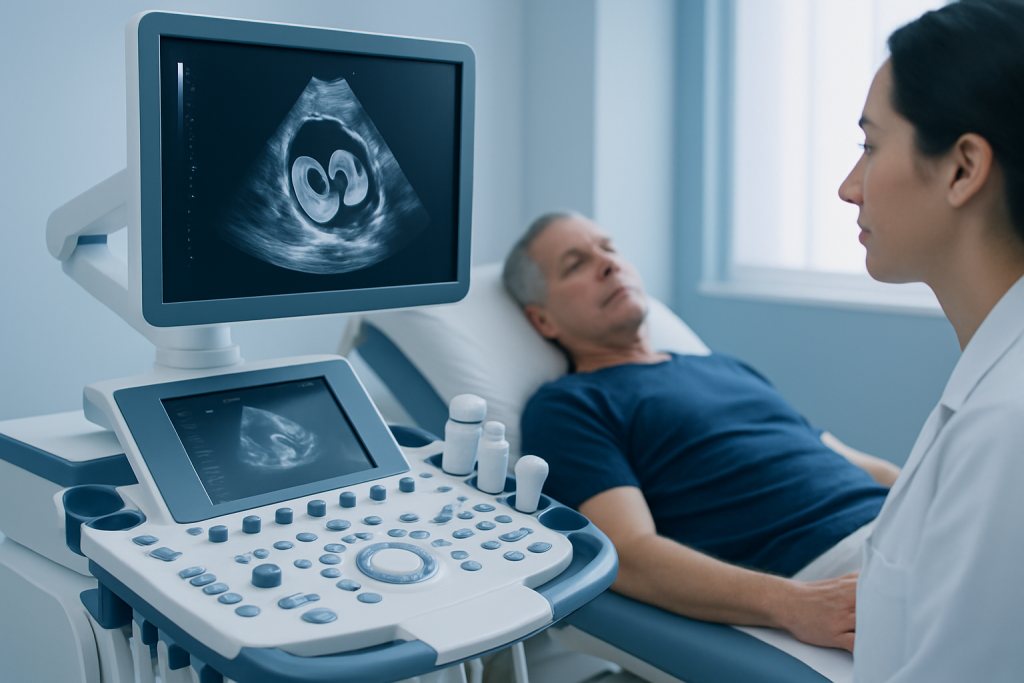
A doctor may first suspect bicuspid valve disease when listening to the heart and hearing a murmur, or when an imaging test is performed for another reason. The main confirmatory test is usually an echocardiogram, which uses ultrasound to show how the valve moves and how blood flows through it.
Depending on the situation, the care team may order additional tests to understand the full picture. These can help measure valve narrowing or leakage, check heart size and pumping function, and evaluate whether the aorta is enlarged. Common tests may include electrocardiography, chest imaging, CT, or MRI when more detail is needed.
For international patients, it can be helpful to think of diagnosis as a step-by-step process rather than a single appointment. The goal is not just naming the condition, but understanding whether the valve is stable, whether the aorta needs closer tracking, and how often follow-up should happen once the person returns home.
Treatment Options
Treatment depends on the valve’s function, the size of the aorta, and whether symptoms or heart strain are present. When the valve is working well and there is no concerning enlargement, the usual approach is careful monitoring with regular cardiology visits and repeat imaging.
Medicines do not fix the valve’s shape, but they may help manage related problems such as high blood pressure, symptoms of heart strain, or rhythm issues. The exact medication plan is individualized by a clinician who knows the full cardiac picture.
If the valve becomes severely narrowed or leaky, or if the aorta reaches a size where intervention is recommended, treatment may involve a procedure or surgery. Options can include valve repair in selected cases or valve replacement, sometimes with open surgery and sometimes with catheter-based techniques when appropriate. If the aorta is enlarged, surgeons may address it at the same time.
Patients often benefit from discussing not only the procedure itself, but also the recovery plan, travel timing, and follow-up imaging before leaving the country. Clear coordination helps ensure the next steps are realistic and safe.
Prevention & Self-care
Because congenital bicuspid valve disease is present from birth, there is no sure way to prevent it. The practical focus is on slowing added stress to the heart and catching changes early, before they become more difficult to manage.
Helpful self-care measures often include controlling blood pressure, staying active in a doctor-approved way, keeping follow-up appointments, and reporting new symptoms promptly. People who have been told to avoid certain strenuous activities or heavy lifting should follow those recommendations, since exercise limits depend on the severity of the valve problem and any aortic enlargement.
Other sensible habits include:
- Taking prescribed medicines consistently
- Keeping a personal copy of imaging and cardiology reports when traveling
- Knowing when the next echocardiogram is due
- Asking whether family members should be evaluated
Patients recovering away from their home country may find it useful to plan follow-up before discharge, including how results will be shared with their local doctor. That makes long-term care smoother and reduces the chance that important monitoring gets delayed.
When to See a Doctor
Medical review is important if a person with known bicuspid valve disease develops new chest pain, shortness of breath, fainting, or a noticeable drop in exercise tolerance. Even smaller changes, such as increasing fatigue or palpitations, deserve attention because they may signal a change in valve function.
People without a confirmed diagnosis should seek evaluation if a clinician hears a murmur, if a family member has bicuspid aortic valve, or if unexplained symptoms suggest a heart problem. In many cases, early testing gives peace of mind and creates a clear plan for future observation.
Acibadem Health Point’s multidisciplinary specialists and JCI-accredited hospitals diagnose and treat congenital bicuspid valve disease for international patients, with care planning that can include imaging, treatment, and follow-up coordination. A cardiologist can help determine how urgently someone needs assessment and what type of monitoring is most appropriate.
Living With the Condition Long Term
Living with congenital bicuspid valve disease usually means becoming familiar with a rhythm of checkups rather than waiting for a crisis. Many patients continue work, family life, and travel with few limitations when the valve is stable and follow-up is organized.
The long-term goal is straightforward: protect heart function, watch the aorta if needed, and intervene at the right time if the valve changes. That often requires partnership between the patient and a cardiology team that can interpret imaging over time, not just at one visit.
For patients who travel for treatment, a thoughtful discharge plan matters as much as the procedure itself. Knowing which symptoms should prompt urgent reassessment, where to get repeat imaging, and how to share records with a local physician can make ongoing care far more manageable.
Frequently asked questions
Is a bicuspid aortic valve the same as a heart defect?
It is a congenital heart difference, meaning the valve formed differently before birth. Many people have normal daily lives for years, but it still deserves periodic medical follow-up because the valve can change over time.
Can someone have bicuspid valve disease without symptoms?
Yes. Many people do not notice any symptoms until the valve narrows or leaks enough to affect the heart’s work. That is why routine imaging and checkups are so important after the diagnosis is known.
What test confirms the diagnosis?
An echocardiogram is usually the main test because it shows the valve’s structure and how blood flows through it. Other scans may be added if the doctor needs a better look at the aorta or heart function.
Does bicuspid valve disease always need surgery?
No. Some people only need observation and periodic imaging. Surgery or a catheter-based procedure is considered when the valve becomes significantly narrowed or leaky, or when the aorta needs treatment.
Should family members be checked?
In some families, doctors recommend screening close relatives because the condition can run in families. The need for screening depends on the individual situation, so a cardiologist can advise which relatives should be evaluated.
Can people travel after treatment or while being monitored?
Many can, but the timing should be based on their heart status, recovery stage, and follow-up plan. It helps to carry copies of recent test results and know where to seek care if symptoms change.
References
- American Heart Association
- Mayo Clinic
- National Heart, Lung, and Blood Institute
- European Society of Cardiology
- MedlinePlus
This article is for general information only and is not a substitute for professional medical advice. Please consult a qualified doctor about your individual situation.