Pulmonary Artery

Key Takeaways
- The pulmonary artery is the vessel that sends blood from the right side of the heart to the lungs for oxygenation.
- Problems affecting the pulmonary artery may include pulmonary hypertension, pulmonary embolism, congenital narrowing, or other structural changes.
- Shortness of breath, chest discomfort, fatigue, dizziness, and swelling can be signs of reduced blood flow or increased pressure.
- Diagnosis often uses imaging, heart tests, and blood work to identify both the artery problem and its cause.
- Treatment depends on the underlying condition and may include medication, procedures, monitoring, and lifestyle support.
- People with persistent or sudden symptoms should seek medical evaluation, especially if symptoms begin during travel, after surgery, or after a period of immobility.
The pulmonary artery carries oxygen-poor blood from the heart to the lungs, making it essential for normal circulation and breathing. When it is narrowed, blocked, or under abnormal pressure, symptoms can range from mild shortness of breath to serious heart strain, so timely evaluation matters.
Overview
The pulmonary artery is one of the body’s most important blood vessels, even though it is often mentioned only when a test result or diagnosis raises concern. It carries blood from the right ventricle of the heart to the lungs, where the blood releases carbon dioxide and picks up oxygen before returning to the left side of the heart.
Unlike most arteries, which carry oxygen-rich blood to the body, the pulmonary artery carries oxygen-poor blood to the lungs. This route is part of the normal rhythm of circulation, and it is what allows every organ to receive oxygenated blood afterward.
When the pulmonary artery is healthy, this transfer happens quietly and efficiently. When the vessel is narrowed, blocked, or exposed to unusually high pressure, the heart and lungs may need to work harder, which is why pulmonary artery conditions often show up as breathlessness, reduced exercise tolerance, or signs of strain on the right side of the heart.
Symptoms
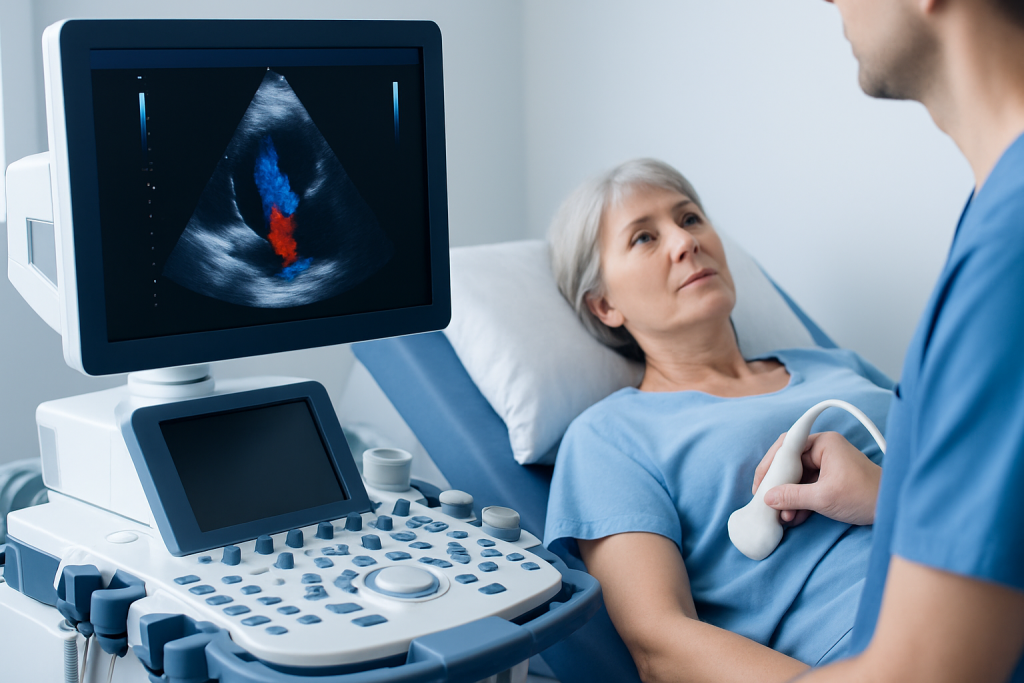
Symptoms related to the pulmonary artery are often indirect, because the artery itself is not usually felt. Instead, people notice the effects of reduced blood flow through the lungs or increased pressure in the vessel. Mild cases may cause only a gradual drop in energy, while more significant problems can affect daily activities quickly.
Common symptoms can include shortness of breath during activity or even at rest, chest pressure or discomfort, fatigue, dizziness, fainting, palpitations, or swelling in the legs and ankles. Some people also notice that climbing stairs, carrying luggage, or walking at a normal pace becomes harder than before.
Symptoms can differ depending on the cause. A pulmonary embolism may create sudden shortness of breath or sharp chest pain, while pulmonary hypertension often develops more gradually. In children or adults with congenital heart differences, the signs may be subtle for years before becoming more noticeable.
Causes & Risk Factors
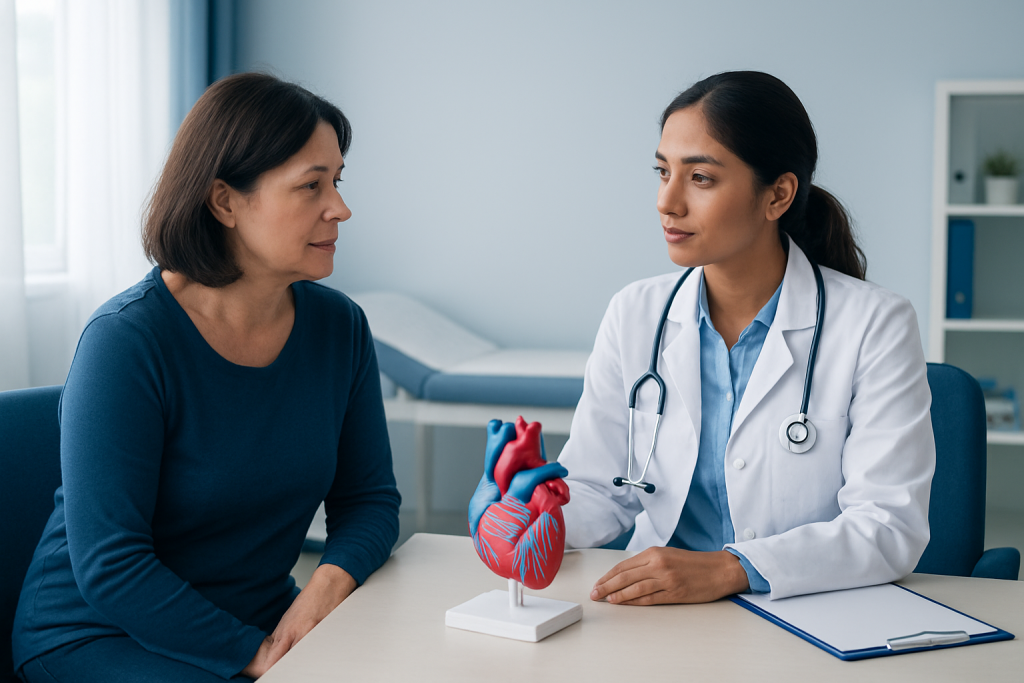
Several conditions can affect the pulmonary artery. The most widely recognized is pulmonary hypertension, a condition in which pressure in the pulmonary circulation becomes too high. This may happen because of lung disease, left-sided heart disease, chronic blood clots, certain connective tissue disorders, sleep apnea, or sometimes without a clearly identified cause.
A pulmonary embolism is another major concern. In this situation, a blood clot travels to the lungs and blocks blood flow in a branch of the pulmonary artery. Risk can rise after long travel, recent surgery, prolonged immobility, pregnancy, cancer, or a personal history of blood clots. Some international patients first notice symptoms during or after a long flight, which makes the travel history especially important during medical review.
Other causes include congenital narrowing or abnormal structure of the pulmonary artery, inflammation of blood vessels, and less commonly external compression by nearby structures. Risk factors vary with the underlying problem, but the following are frequently considered:
- Long periods of inactivity or recent hospitalization
- Past clots in the legs or lungs
- Heart or lung disease
- Autoimmune or connective tissue disorders
- Smoking and poorly controlled chronic conditions
Diagnosis
Diagnosis usually begins with a detailed history and physical examination. A clinician will ask about symptom timing, exercise tolerance, recent travel, surgery, pregnancy, infections, known heart or lung disease, and family history. These details help narrow whether the issue may be pressure-related, clot-related, or structural.
Testing often includes an electrocardiogram, chest X-ray, blood tests, and an echocardiogram, which can estimate pressure in the pulmonary circulation and assess heart function. If a clot or other vessel problem is suspected, imaging such as CT pulmonary angiography, ventilation-perfusion scanning, MRI, or cardiac catheterization may be recommended depending on the situation.
Because pulmonary artery problems can reflect broader heart or lung disease, the diagnosis is usually not based on one test alone. Doctors often combine imaging with functional assessment, oxygen measurements, and, when needed, specialist review to identify the cause and choose the safest treatment path.
Treatment Options
Treatment depends entirely on the underlying condition. A person with a pulmonary embolism may need urgent anticoagulation and, in selected situations, clot-busting therapy or a procedure to remove the clot. Someone with pulmonary hypertension may be treated with medications that relax blood vessels, manage fluid balance, or address the condition causing the pressure rise.
If the pulmonary artery issue is linked to heart disease, lung disease, sleep apnea, or a congenital abnormality, treatment may involve a broader plan that addresses all contributing factors. Some cases are monitored closely rather than treated immediately, especially when findings are mild and symptoms are absent or minimal.
Procedures or surgery may be considered for structural narrowing, severe valve-related disease, or certain congenital problems. Follow-up is important because treatment often continues over time, and medicine choices may need adjustment based on symptoms, oxygen levels, echo findings, or imaging results.
Prevention & Self-care
Not every pulmonary artery condition can be prevented, but some risks can be reduced. Staying active within personal limits, avoiding prolonged immobility, and following medical advice after surgery or during long-distance travel can help lower the risk of blood clots. For people with a history of clotting, using prescribed preventive measures during travel or recovery is especially important.
General heart and lung health also matters. Managing blood pressure, diabetes, sleep apnea, and smoking cessation can reduce strain on the cardiovascular system. Keeping routine appointments and taking prescribed medicines consistently can make a meaningful difference, particularly for chronic conditions such as pulmonary hypertension.
For international patients, planning care also includes practical self-care: carrying a medication list, bringing recent test results, arranging follow-up with a home-country doctor, and understanding which symptoms should prompt earlier review after returning home. Clear records help continuity of care and can make ongoing treatment much safer.
When to See a Doctor
Medical evaluation should not be delayed if shortness of breath is new, worsening, or occurring with chest pain, fainting, blue lips, coughing up blood, or marked leg swelling. Sudden symptoms are especially important after long travel, recent surgery, pregnancy, or a period of reduced movement.
People with known lung or heart disease should seek review if exercise tolerance drops, swelling increases, or medications no longer seem to control symptoms as expected. Even when symptoms seem mild, persistent breathlessness deserves attention because pulmonary artery problems can develop gradually and remain hidden until the heart is under strain.
International patients who are considering evaluation abroad often benefit from a coordinated plan that includes prior records, current imaging if available, and a clear follow-up pathway for when they return home. At Acibadem Health Point, multidisciplinary specialists and JCI-accredited hospitals diagnose and treat pulmonary artery conditions for international patients in a coordinated setting.
Living With a Pulmonary Artery Condition
Living with a pulmonary artery diagnosis often means learning to recognize patterns rather than reacting to every symptom in the same way. Some days may feel ordinary, while others may require more rest or closer monitoring. Over time, patients and clinicians usually identify which changes matter most, such as worsening breathlessness, new swelling, or reduced ability to walk the same distance.
Follow-up visits help track whether treatment is working and whether the heart and lungs are coping well. Many people also benefit from gentle conditioning, nutrition support, and practical pacing strategies that match their stamina. When care is organized well, the goal is not only to treat the vessel problem but also to preserve quality of life and day-to-day function.
Summary
The pulmonary artery is central to the body’s oxygen cycle, and problems affecting it can have wide-reaching effects on breathing, circulation, and heart function. Because the symptoms are often nonspecific, accurate diagnosis depends on thoughtful evaluation and the right imaging or heart testing.
Whether the concern is a blood clot, pulmonary hypertension, or a structural issue, treatment is most effective when it is matched to the underlying cause. With timely medical care, many patients can manage symptoms, reduce complications, and return to more stable daily routines.
Frequently asked questions
What does the pulmonary artery do?
The pulmonary artery carries oxygen-poor blood from the right side of the heart to the lungs. There, the blood picks up oxygen and releases carbon dioxide before returning to the heart and then the rest of the body.
Is the pulmonary artery the same as a vein?
No. The pulmonary artery is an artery because it carries blood away from the heart, even though it carries oxygen-poor blood. Pulmonary veins do the opposite: they carry oxygen-rich blood from the lungs back to the heart.
What are common signs of a pulmonary artery problem?
Common signs include shortness of breath, fatigue, chest discomfort, dizziness, palpitations, and swelling in the legs or ankles. Sudden symptoms, especially after travel or surgery, may suggest a blood clot and should be assessed promptly.
How do doctors test the pulmonary artery?
Doctors may use an echocardiogram, chest imaging, blood tests, and sometimes CT angiography or cardiac catheterization. The exact tests depend on whether the concern is a clot, high pressure, or a structural abnormality.
Can pulmonary artery conditions be treated?
Yes, many can be treated, although the approach depends on the cause. Treatment may include blood thinners, medicines for pulmonary hypertension, procedures, surgery, or management of the condition driving the problem.
When should someone seek urgent help?
Urgent medical care is important for sudden shortness of breath, chest pain, fainting, coughing up blood, or one-sided leg swelling. These symptoms can indicate a serious circulation problem and should not be watched at home.
References
- American Heart Association
- National Heart, Lung, and Blood Institute
- World Health Organization
- Mayo Clinic
- European Society of Cardiology
This article is for general information only and is not a substitute for professional medical advice. Please consult a qualified doctor about your individual situation.