

Lower Back Problems: Symptoms, Causes and Treatment

Key Takeaways
- Lower back problems often improve with time, movement guidance, and targeted self-care, but persistent or severe pain deserves medical evaluation.
- Pain in the lower back may come from muscles, discs, joints, nerves, or referred pain from another area of the body.
- A doctor may recommend an examination, imaging, or other tests if symptoms suggest a more specific cause or if recovery is not following the expected course.
- Treatment is usually tailored to the underlying cause and may include activity modification, physical therapy, medication, or in some cases procedures or surgery.
- Good posture, regular movement, core strength, and careful lifting habits can lower the chance of future flare-ups.
Medically reviewed by the Acıbadem clinical team — August 19, 2026
Lower back problems are common and can range from short-lived muscle strain to conditions affecting the spine, discs, joints, or nerves. Understanding the pattern of pain, possible triggers, and when to seek medical advice can help people choose the right next step with confidence.
Overview
Lower back problems are among the most common reasons adults look for medical advice, and they do not all mean the same thing. For some people, the issue is a temporary muscle strain after lifting, long travel, or an awkward movement. For others, the discomfort comes from a disc, a joint in the spine, irritated nerves, or long-term wear and tear.
The lower back, also called the lumbar region, carries much of the body’s weight and helps with bending, twisting, and standing upright. That constant workload makes it vulnerable to strain, especially when sitting for long periods, using poor lifting technique, or returning too quickly to physical activity after a period of rest.
Because the causes vary, the most useful question is not simply “why does the back hurt?” but “what pattern is the pain following?” The answer often helps a doctor decide whether the problem is likely mechanical, inflammatory, nerve-related, or referred from elsewhere, and whether travel for specialist care would be useful.
Symptoms
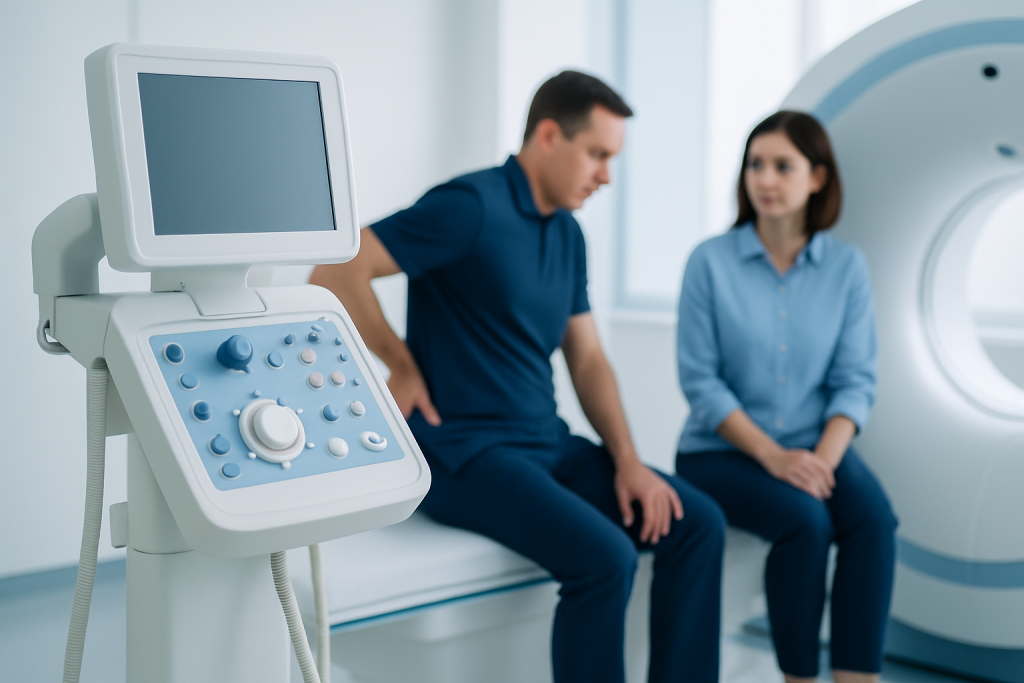
Lower back problems often begin with a dull ache, stiffness, or a sense that the area is tight and difficult to move. Some people feel pain after waking, after sitting too long, or during certain movements such as bending forward, climbing stairs, or lifting objects from the floor.
When a nerve is irritated, the pain may travel into the buttock, thigh, or leg. This can be accompanied by tingling, numbness, or weakness, which may signal that the issue is not limited to the muscles alone. In contrast, localized soreness without leg symptoms more often points to a mechanical strain or joint-related problem.
Symptoms can also vary in duration. Acute pain may appear suddenly and settle within days or weeks, while chronic pain lingers for longer periods or returns repeatedly. A change in walking, sleeping, or working habits can sometimes become noticeable as the body tries to avoid painful positions.
People should pay attention to how the pain behaves, not only how strong it feels. Pain that is worse at night, follows a fall, or comes with fever, unexplained weight loss, or bladder or bowel changes should be assessed promptly by a clinician.
Causes & Risk Factors

Many lower back problems are mechanical, meaning they arise from how the spine, muscles, and supporting tissues are being used. Common examples include muscle strain, ligament sprain, poor posture, repetitive bending, and prolonged sitting without breaks. Sudden increases in activity, such as heavy lifting after a quiet period, can also trigger symptoms.
Disc-related problems may develop when the cushioning structures between the vertebrae bulge, herniate, or degenerate over time. Facet joint arthritis, spinal stenosis, and spondylolisthesis are other structural causes that can create pain, stiffness, or pressure on nearby nerves. Less commonly, infection, fracture, inflammatory disease, or a tumor may be responsible.
Risk is often higher in people who smoke, have excess body weight, have weak core muscles, work in physically demanding jobs, or spend long hours seated. Age, previous back injury, reduced flexibility, and stress can also make the lower back more sensitive and slower to recover.
International patients sometimes arrive after months of trying to manage recurrent pain around work travel, long-haul flights, or changes in climate and routine. In such cases, the pattern of symptoms and previous treatments can be just as important as the current pain itself, because it helps the specialist understand what has already been ruled out.
Diagnosis
Diagnosis usually begins with a careful history and physical examination. A doctor will ask when the pain started, what makes it better or worse, whether it spreads into the legs, and whether there has been an injury, fever, numbness, weakness, or changes in bladder or bowel function.
The physical exam may include checking posture, movement, reflexes, strength, sensation, and areas of tenderness. These findings often help distinguish a simple muscular issue from a problem involving a disc or nerve. In many uncomplicated cases, this first step is enough to guide initial treatment.
Imaging tests are not always needed right away. X-rays can help look for fractures or alignment issues, while MRI is more useful when nerve compression, disc disease, infection, or another deeper problem is suspected. Blood tests or other studies may be ordered if the doctor is considering inflammation or infection.
For patients traveling from abroad, doctors may also review previous scans, medication lists, and physical therapy notes to avoid unnecessary repeat testing. A clear timeline of symptoms and prior care often makes the evaluation more efficient and more personalized.
Treatment Options
Treatment depends on the cause, the severity of symptoms, and how long the pain has been present. Many cases improve with conservative care, which may include staying gently active, adjusting daily movements, using heat or cold, and modifying tasks that aggravate the back. Complete bed rest is usually not advised for routine mechanical pain.
Medication may be recommended to reduce pain or inflammation, but the choice depends on the individual’s overall health and the suspected cause of symptoms. In some cases, a doctor may suggest a muscle relaxant, nerve-targeted medication, or an anti-inflammatory option. These decisions should always be made with medical guidance, especially for people with stomach, kidney, heart, or other chronic conditions.
Physical therapy is often a central part of recovery. A therapist may focus on posture, mobility, stretching, core strengthening, and safe ways to return to normal activity. This is especially important when pain has lasted more than a short period or keeps returning after travel, work, or exercise.
If a disc herniation, spinal narrowing, or another structural problem is causing significant nerve symptoms, injections or procedures may be considered in selected cases. Surgery is usually reserved for situations where pain is persistent despite treatment, there is progressive weakness, or a specific spinal condition is clearly identified.
For some international patients, coordinated care can make the process smoother when diagnosis, treatment planning, and rehabilitation need to happen within a limited visit window. Acibadem Health Point’s multidisciplinary specialists and JCI-accredited hospitals diagnose and treat lower back problems for international patients with this kind of continuity in mind.
Prevention & Self-care
Daily habits can make a meaningful difference. Regular movement tends to be better for the lower back than long stretches of sitting or standing in one position. Short walking breaks, gentle stretching, and changing posture during the day can help keep the back from becoming overly stiff.
Simple body mechanics also matter. When lifting, it helps to keep the object close, bend at the hips and knees, and avoid twisting while carrying weight. Supportive shoes, an ergonomic work setup, and a mattress that lets the spine rest in a neutral position may also reduce strain.
Core and hip strength support the lumbar spine, so a gradual exercise program can be helpful once pain is under control. People recovering from back pain often benefit from starting slowly and building consistency rather than trying to “push through” discomfort.
Self-care should be practical and safe. Heat can ease muscle tightness, while brief periods of cold may help after a recent strain. It is also wise to watch for patterns, such as pain that appears after long flights, after carrying luggage, or during stressful work periods, because these clues can guide prevention plans for future trips.
- Take movement breaks during long sitting periods.
- Use safe lifting techniques and avoid sudden twisting.
- Build core strength gradually.
- Maintain a healthy weight and avoid smoking.
- Seek individualized exercise advice if pain keeps returning.
When to See a Doctor
A doctor should evaluate lower back problems when pain lasts longer than expected, keeps returning, or interferes with sleeping, walking, working, or traveling. Medical review is also important if self-care is not helping or if the person is unsure what is triggering the pain.
Prompt assessment is especially important if there is pain after a significant fall or accident, numbness or weakness in the legs, fever, unexplained weight loss, or difficulty controlling the bladder or bowel. These symptoms do not automatically mean something serious, but they do deserve timely attention.
People who are planning international travel for treatment can benefit from arranging records in advance, including prior imaging, medication history, and any physical therapy reports. This makes specialist review more efficient and helps the care team decide whether the issue can be managed conservatively or needs a more advanced orthopedic plan.
If lower back pain is new, severe, or changing in character, a medical assessment can help clarify the cause and reduce guesswork. A careful diagnosis is often the fastest path toward meaningful relief and a safe return to normal activity.
Recovery and Living With Recurrent Pain
Recovery is often not a straight line. Many people notice that lower back pain settles, then flares again when they resume lifting, long-distance travel, or strenuous exercise too quickly. This does not necessarily mean the problem is worsening; it may simply mean the spine needs a more gradual return to load.
When pain is recurrent, the goal is usually to understand the pattern rather than to chase every symptom separately. A doctor or therapist may look at movement habits, work setup, footwear, exercise routine, and stress levels, because these everyday factors often shape how the back behaves over time.
For patients coming from another country, follow-up planning matters. Clear instructions about exercises, activity limits, and warning signs help the person continue recovery safely once they are back home. The most durable improvement usually comes from combining diagnosis, steady rehabilitation, and realistic lifestyle adjustments.
Outlook
The outlook for lower back problems is often good, particularly when the cause is a mild strain or another mechanical issue. Even when a structural condition is present, many people improve with the right combination of education, movement, therapy, and targeted medical care.
Because the lower back is involved in so many daily activities, the best results usually come from a plan that is practical rather than restrictive. The aim is not only to reduce pain, but also to restore confidence in movement, sleep, and routine tasks.
With thoughtful evaluation and a treatment plan tailored to the cause, most people can find a safer and more comfortable path back to normal life. The key is to identify the pattern early and address it before it becomes a long-term obstacle.
Frequently asked questions
What is the most common cause of lower back problems?
In many adults, lower back problems are caused by muscle strain, poor posture, or other mechanical stress on the spine. Disc issues, joint arthritis, and nerve irritation are also common possibilities. A doctor can help determine which pattern is most likely based on the symptoms and exam.
Should someone rest completely when the lower back hurts?
Usually, complete bed rest is not recommended for ordinary lower back pain. Gentle movement and avoiding activities that worsen the pain are often more helpful. If the pain is severe or following an injury, medical advice is important before resuming activity.
When is imaging such as an MRI needed?
Imaging is usually considered when symptoms suggest nerve compression, fracture, infection, or another specific cause, or when pain does not improve as expected. MRI is especially useful for soft tissues, discs, and nerves. A doctor decides whether imaging will change treatment.
Can lower back pain go down into the leg?
Yes. If a nerve is irritated, pain may travel from the lower back into the buttock, thigh, or leg. Tingling, numbness, or weakness can also occur, which is a reason to seek medical assessment.
What can help prevent repeat episodes?
Regular movement, posture awareness, core strengthening, and safer lifting habits can reduce recurrence. It also helps to address triggers such as long sitting periods, poor ergonomic setups, and sudden increases in activity. A therapist can suggest a plan matched to the person’s daily routine.
When should someone seek urgent medical help?
Urgent care is important if back pain follows a major injury, comes with fever, causes new weakness or numbness, or is linked to bladder or bowel changes. These symptoms need prompt evaluation. Even when the cause turns out to be manageable, timely assessment is the safest approach.
References
- National Institute of Neurological Disorders and Stroke
- American Academy of Orthopaedic Surgeons
- World Health Organization
- NICE Guidelines
This article is for general information only and is not a substitute for professional medical advice. Please consult a qualified doctor about your individual situation.
Joint and spine care in Turkey — expert assessment & treatment
JCI-accredited · board-certified surgeons · reply within 24h
Add us as a Preferred Source to see more of our trusted health content across Google Search, AI Overviews and Discover.
More from the Health Library



Related Specialists

Prof. Dr. Ahmet Alanay
Orthopedic Surgery & Traumatology
Dr. Sinan Aksu
Orthopedic Surgery & Traumatology
Dr. Sirri Baştürk
Orthopedic Surgery & Traumatology
Prof. Dr. Korhan Özkan
Orthopedic Surgery & Traumatology