Fractures: Types, Symptoms and Treatment

Key Takeaways
- A fracture is a break in a bone and can vary widely in severity and pattern.
- Pain, swelling, bruising, and trouble using the injured area are common warning signs.
- Fracture type, location, and whether the bone is displaced guide treatment decisions.
- Diagnosis usually includes a physical exam and imaging such as X-rays, with other scans when needed.
- Recovery often involves immobilization, gradual return to activity, and rehabilitation to restore strength and movement.
A fracture is a break in a bone, and it can range from a tiny crack to a complete break. Understanding the different fracture types helps patients recognize symptoms early, seek the right care, and support recovery safely.
Overview
A fracture is the medical term for a broken bone. Some fractures are simple cracks that stay aligned, while others split the bone into several pieces or shift the broken ends out of place. The term covers injuries in every part of the skeleton, from a small finger bone to a weight-bearing hip or spine.
Fractures matter not only because of the break itself, but because they can affect movement, nerve function, blood flow, and the body’s ability to use the injured limb safely. For an international patient deciding whether to travel for care, the details of the fracture often determine everything that follows: whether the bone needs a cast, a procedure, surgery, or a period of supervised rehabilitation after the initial treatment.
Orthopedic specialists classify fractures by the way the bone breaks, whether the skin is involved, and whether the bone ends remain in place. That classification helps guide care and gives patients a clearer idea of what recovery may look like.
Symptoms
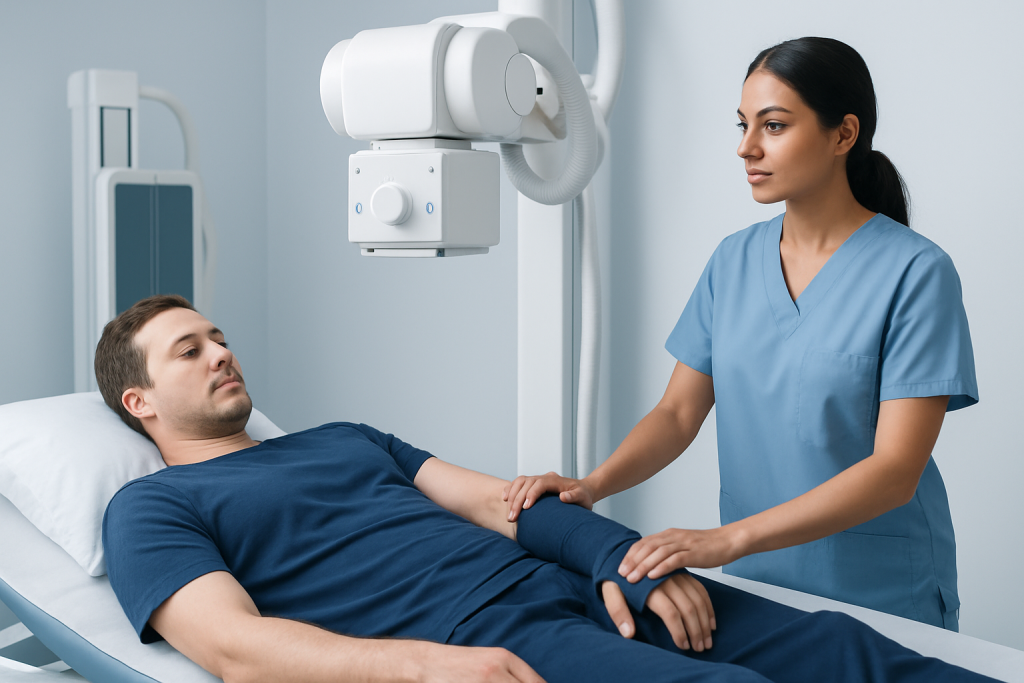
Fracture symptoms often begin immediately after a fall, collision, twist, or direct blow, but some breaks are subtle at first. Pain is usually the earliest sign, and it may worsen when the person tries to move or put weight on the area. Swelling and bruising commonly follow, especially when tissue around the bone is also injured.
Other signs can include visible deformity, a feeling that the bone or joint is “out of place,” reduced range of motion, and tenderness over a specific point. In some fractures, the person may still be able to use the limb, which is one reason minor breaks are sometimes mistaken for a sprain.
More urgent symptoms can appear when the injury affects blood vessels or nerves. Numbness, weakness, pale or cold skin below the injury, or severe pain that feels out of proportion to the injury should be assessed promptly.
Causes & Risk Factors
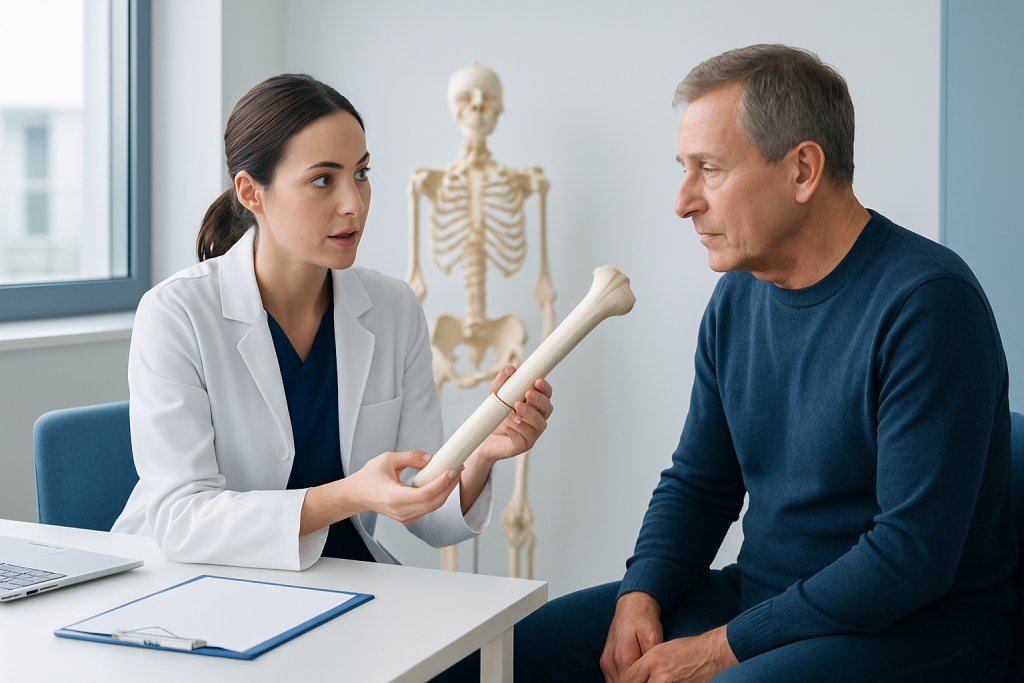
Fractures usually happen when a bone is exposed to more force than it can absorb. In healthy bone, this may occur during sports injuries, traffic accidents, falls, or direct impacts. Some fractures also develop from repetitive stress over time, especially in runners, dancers, military recruits, and others who place repeated load on the same bone.
Bone strength also influences risk. Osteoporosis, vitamin D deficiency, certain endocrine disorders, and long-term use of some medications can make bones more fragile. Older adults are at higher risk because falls become more common and bones may be less dense than in earlier life.
Risk is also shaped by the environment and lifestyle. Poor vision, slippery surfaces, balance problems, unsafe sports technique, and smoking can all contribute to bone injury or slow healing after a break.
- Falls at home, work, or during travel
- Sports injuries and overuse
- Osteoporosis or low bone density
- Previous fracture or bone weakness
- Smoking and poor nutrition
Types of Fractures
Fractures are named in several ways, and the terminology helps describe how the bone broke. A closed fracture means the skin remains intact, while an open fracture means the broken bone has contacted the outside environment through a wound. Open fractures need urgent medical attention because of infection risk and soft-tissue injury.
Another common distinction is whether the bone ends still line up. In a nondisplaced fracture, the bone is broken but remains in its normal position. In a displaced fracture, the fragments have moved apart, rotated, or overlapped, which often makes treatment more complex.
Other patterns describe the shape of the break:
- Transverse: a straight break across the bone
- Oblique: a diagonal break
- Spiral: a twisting break, often from rotational force
- Comminuted: the bone breaks into several pieces
- Greenstick: an incomplete break, more common in children
- Stress fracture: a small crack from repeated loading
- Compression fracture: bone collapses, often seen in the spine
Fractures are also described by location, such as wrist, ankle, hip, rib, or vertebral fractures. Location matters because different bones have different healing demands and different effects on daily life, travel, and independence.
Diagnosis
Diagnosis begins with a careful history and physical examination. The clinician asks how the injury happened, where the pain is, whether weight-bearing is possible, and whether there are signs of numbness or circulation problems. They also check the skin, nearby joints, and the function of nerves and blood vessels.
X-rays are the most common imaging test for confirming a fracture and understanding its pattern. In some situations, especially when the fracture is tiny, hidden, or near a complex joint, more imaging may be needed. CT scans can show detailed bone anatomy, while MRI is helpful when a stress fracture or soft-tissue injury is suspected.
For international patients, this stage often includes deciding whether immediate local care is enough or whether specialized orthopedic treatment is needed. A clear diagnosis helps plan the safest next step, especially when travel, mobility, and follow-up appointments must be coordinated across countries.
Treatment Options
Treatment depends on the type of fracture, whether the bone is aligned, the patient’s age, and the body part involved. Some fractures heal well with immobilization alone. Others require reduction, which means the bone is gently realigned, sometimes with anesthesia or sedation. More complex injuries may need surgical repair.
Common non-surgical care includes a splint, cast, brace, or sling to keep the bone stable while it heals. Pain control, rest, and protection from further injury are also important. Once the bone begins to mend, a clinician may guide gradual movement to avoid stiffness and muscle loss.
Surgery may be recommended for displaced fractures, unstable breaks, open fractures, or fractures that involve a joint. Procedures can include pins, plates, screws, rods, or external fixation. The best approach is individualized and should preserve alignment, function, and long-term mobility as much as possible.
Rehabilitation is often part of treatment, not an extra step. Physical therapy helps restore range of motion, strength, balance, and confidence in the injured area. For patients returning home after Herniated Disc Treatment Abroad: Injection, Rehab, or Surgery?" class="ahp-ilk">treatment abroad, a written follow-up plan is especially valuable so local clinicians can continue care smoothly.
Prevention & Self-care
Not every fracture can be prevented, but bone health and fall prevention make a meaningful difference. A balanced diet with enough calcium and vitamin D, regular weight-bearing exercise, and stopping smoking all support stronger bones over time. People with known osteoporosis or other bone conditions should follow their clinician’s treatment plan carefully.
At home and while traveling, reducing fall risk is practical and effective. Good lighting, secure footwear, removing loose rugs, using handrails, and keeping walkways clear can lower the chance of accidental injury. During sports or demanding activity, proper technique and protective gear may reduce risk.
After a fracture, self-care should focus on protecting the injury and supporting healing. Patients are usually advised to keep follow-up appointments, watch for changes in swelling or skin color, and avoid removing immobilization devices unless instructed. Elevation and rest may help with comfort, but any plan should be individualized by the treating team.
When to See a Doctor
Anyone who suspects a fracture should be medically assessed, especially if the pain is severe, the area looks deformed, or it is difficult to move or bear weight. Open wounds near the injury, numbness, coldness, or a loss of pulse sensation in the limb deserve prompt evaluation.
It is also wise to seek care if pain or swelling does not improve, if an assumed sprain remains very painful, or if an athlete develops persistent focal pain after repeated activity. In older adults, even a seemingly minor fall may hide a fracture, particularly in the hip, wrist, ribs, or spine.
After treatment, follow-up is important if the cast feels too tight, fingers or toes become blue or numb, fever develops, or pain suddenly increases. These changes do not always mean a serious complication, but they should be reviewed by a clinician without delay.
Acibadem Health Point’s multidisciplinary specialists and JCI-accredited hospitals diagnose and treat fractures for international patients, with care plans that can also support recovery once the patient returns home.
Frequently asked questions
What is the difference between a fracture and a break?
In everyday language, they mean the same thing. “Fracture” is the medical term, while “break” is the simpler everyday word. Both refer to a bone that has been damaged enough to split or crack.
Can a fracture happen without a major injury?
Yes. Some fractures happen from small stresses if the bone is already weakened, such as in osteoporosis or a stress fracture from repetitive activity. In those cases, the injury may seem minor even though the bone is actually broken.
How long does a fracture take to heal?
Healing time varies by bone, age, health, and fracture pattern. Small, stable fractures may heal in weeks, while complex or surgical fractures can take longer and may need rehabilitation afterward.
Do all fractures need surgery?
No. Many fractures heal well with a cast, splint, or brace if the bone remains well aligned. Surgery is usually reserved for fractures that are displaced, unstable, open, or likely to heal poorly without fixation.
What should a person do right after a suspected fracture?
The injured area should be protected and used as little as possible until it is assessed. If there is severe pain, deformity, an open wound, numbness, or circulation changes, prompt medical attention is important.
Why is rehabilitation important after a fracture?
Bones heal before strength and movement fully return. Rehabilitation helps reduce stiffness, rebuild muscle, improve balance, and lower the chance of reinjury.
References
- American Academy of Orthopaedic Surgeons
- Mayo Clinic
- National Institute of Arthritis and Musculoskeletal and Skin Diseases
- NHS
- World Health Organization
This article is for general information only and is not a substitute for professional medical advice. Please consult a qualified doctor about your individual situation.
Joint and spine care in Turkey — expert assessment & treatment
JCI-accredited · board-certified surgeons · reply within 24h
Add us as a Preferred Source to see more of our trusted health content across Google Search, AI Overviews and Discover.
More from the Health Library


Related Specialists

Assoc. Prof. Dr. Ali Şahin
Orthopedic Surgery & Traumatology
Prof. Dr. Ahmet Alanay
Orthopedic Surgery & Traumatology
Dr. Sinan Aksu
Orthopedic Surgery & Traumatology
Dr. Sirri Baştürk
Orthopedic Surgery & Traumatology