

Spondylolisthesis: Symptoms, Causes and Treatment

Key Takeaways
- Spondylolisthesis happens when one vertebra moves out of its usual position relative to the bone below it.
- Symptoms may include low back pain, hamstring tightness, leg pain, numbness, or weakness, but some people have no symptoms.
- Diagnosis usually relies on a physical exam and imaging such as X-rays, with MRI or CT used when nerves or bone detail need closer review.
- Treatment depends on the grade, symptoms, and underlying cause, ranging from activity changes and physical therapy to injections or surgery.
- Early evaluation is especially important when pain persists, walking becomes difficult, or nerve symptoms appear.
- Care plans often work best when they are individualized and include guidance for daily activity, travel, and follow-up support.
Medically reviewed by the Acıbadem clinical team — August 19, 2026
Spondylolisthesis is a spinal condition in which one vertebra slips forward over the bone below it, sometimes causing back pain, stiffness, or nerve-related symptoms. Many people improve with conservative care, while others may need targeted procedures or surgery depending on the severity and cause.
Overview
Spondylolisthesis is a condition in which a vertebra, one of the bones that makes up the spine, slips forward over the vertebra beneath it. The movement can be mild and stable, or it can contribute to pain and nerve irritation if the spine becomes less steady.
It most often affects the lower back, though it can appear in the neck or upper spine in less common situations. Some people first notice it during an evaluation for back pain; others learn about it only after an imaging test done for a different reason.
For international patients, understanding the exact type of spondylolisthesis matters because treatment is not one-size-fits-all. The first step is usually to identify whether the slip is related to wear and tear, a stress fracture, a birth-related difference in the spine, or another cause.
Symptoms
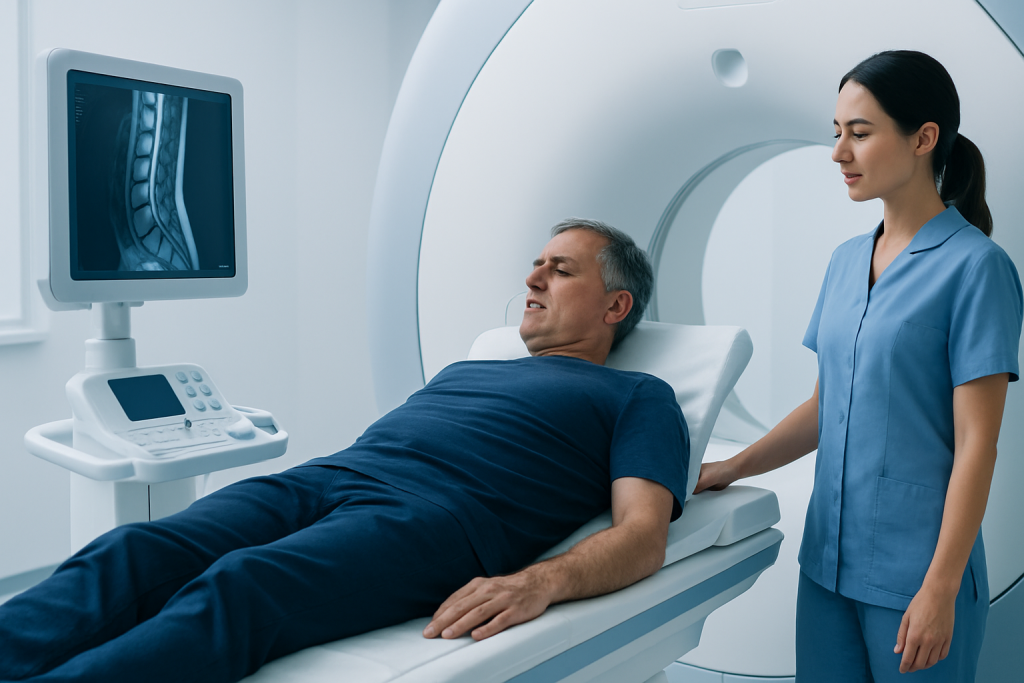
Symptoms can vary widely. Some people have little more than intermittent back discomfort, while others notice pain that spreads into the buttocks or legs. A sense of stiffness, especially after sitting or standing for a long time, is also common.
When the slipped vertebra irritates nearby nerves, symptoms may include tingling, numbness, burning pain, or weakness in one or both legs. In some cases, walking for long distances becomes harder, and bending the back may feel uncomfortable.
- Low back pain that may worsen with activity
- Tight hamstrings or reduced flexibility
- Leg pain, numbness, or weakness
- Muscle spasms or a feeling of instability
- Changes in posture or difficulty standing upright
Children, teenagers, and adults do not always experience the same pattern of symptoms. In active younger people, the condition may appear after repetitive spinal stress, while older adults may develop symptoms gradually as the joints and discs wear down over time.
Causes & Risk Factors
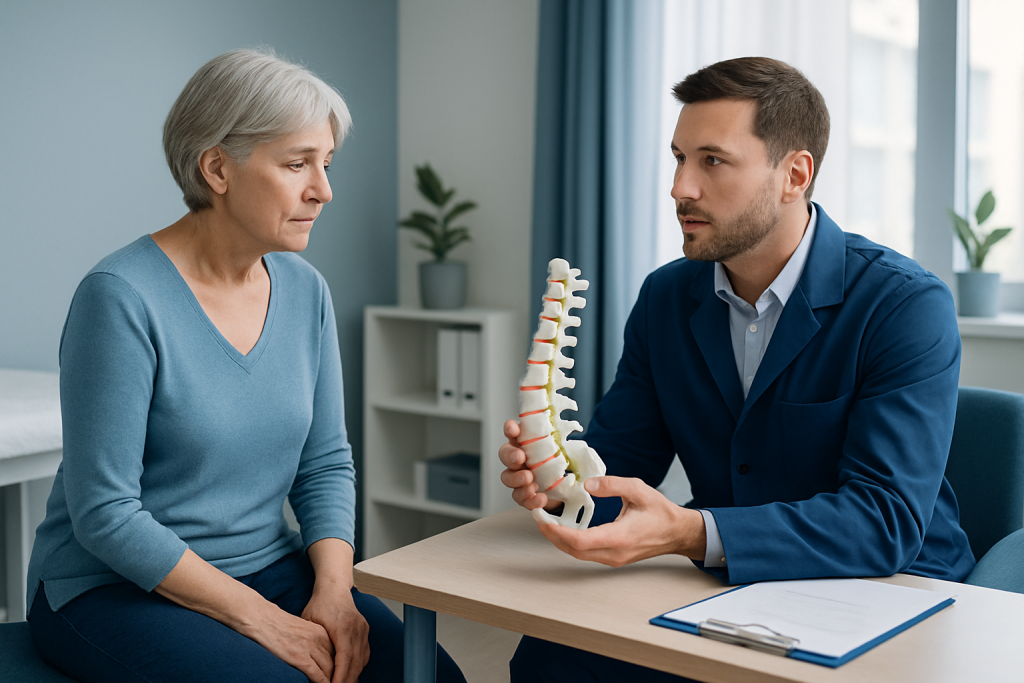
Spondylolisthesis has several possible causes. One common form develops when a small stress fracture occurs in a part of the vertebra called the pars interarticularis; this is sometimes linked to sports that involve repetitive back extension and rotation. Another common form is related to age-related degeneration, when discs and joints lose support and the spine gradually shifts.
Less commonly, the condition may be present from birth because of a structural difference in the spine, or it may follow trauma. Certain bone disorders can also weaken the spinal structure and increase the chance of slippage.
Risk factors depend on the type, but they may include repetitive athletic stress, advancing age, prior spine injury, family history of spinal problems, and conditions that affect bone strength. Body mechanics, posture, and muscle support can influence symptoms, even when they are not the original cause.
Diagnosis
Diagnosis begins with a detailed conversation about symptoms, daily activities, prior injuries, and whether pain changes with movement or rest. A clinician will usually check posture, spinal flexibility, reflexes, muscle strength, and sensation to look for signs that a nerve may be affected.
X-rays are often the first imaging test because they can show the amount of vertebral slippage and whether it changes with position. If nerve compression, disc changes, or bone detail need closer evaluation, MRI or CT scanning may be recommended.
In some cases, dynamic X-rays taken in different positions help assess whether the vertebra moves more than expected. This is especially useful when treatment decisions depend on whether the spine is stable or still shifting.
Treatment Options
Treatment is guided by the cause of the slip, the severity of symptoms, and whether the spine remains stable. Many people begin with conservative care, especially when pain is manageable and there are no major nerve deficits.
Conservative treatment may include temporary activity modification, physical therapy, core-strengthening exercises, posture training, and medications recommended by a doctor to ease pain or inflammation. Some people benefit from a brace, particularly in younger patients or in situations where limiting motion may help the spine settle.
If symptoms continue despite these measures, or if nerve compression is significant, additional treatments may be considered. These can include image-guided injections to reduce inflammation around irritated nerves or surgery to stabilize the spine and relieve pressure when necessary.
Surgical treatment is not automatically required, and many cases never need it. When surgery is discussed, the team usually explains the goals clearly: to improve stability, reduce nerve symptoms, and help the person return to safer movement and daily function.
Prevention & Self-care
Not every case of spondylolisthesis can be prevented, especially when the cause is structural or related to aging. Even so, some habits can reduce strain on the spine and help symptoms stay under control.
Good movement habits matter. A physiotherapist may suggest exercises that strengthen the core, support the hips, and improve flexibility without overloading the lower back. People who play sports may need coaching on technique, rest, and gradual training changes rather than sudden increases in intensity.
Helpful self-care steps often include:
- Using safe body mechanics when lifting, bending, or carrying luggage
- Keeping a healthy body weight when advised by a clinician
- Staying active with low-impact movement such as walking or swimming, if approved
- Protecting sleep posture with supportive positioning
- Following the treatment plan consistently, including home exercises
For people traveling for care, planning recovery is part of self-care too. That may mean arranging time for rest after procedures, knowing when follow-up imaging is due, and asking the care team how to continue rehabilitation once back home.
When to See a Doctor
Medical evaluation is a good idea if back pain lasts more than a short period, keeps returning, or begins to limit work, travel, or everyday movement. It is also important to seek assessment if pain starts after an injury or if stiffness and discomfort are gradually getting worse.
Nerve-related symptoms deserve prompt attention, especially numbness, weakness, pain that travels down the leg, or trouble walking the way you normally do. A doctor should also review symptoms if they interrupt sleep or make it hard to stand upright for long periods.
Urgent medical care is needed if there is loss of bladder or bowel control, rapidly worsening weakness, or severe pain with fever or unexplained weight loss. These signs are not typical of simple back strain and should be evaluated without delay.
For patients who are considering Herniated Disc Treatment Abroad: Injection, Rehab, or Surgery?" class="ahp-ilk">treatment abroad, a clear diagnosis before travel helps avoid unnecessary delays. Acibadem Health Point can connect international patients with multidisciplinary specialists and JCI-accredited hospitals that diagnose and treat spondylolisthesis with coordinated planning and follow-up.
Living With Spondylolisthesis
Long-term care is often about balance: staying active enough to preserve strength without repeatedly irritating the spine. Many people do best when treatment is adjusted over time rather than treated as a single short course.
Follow-up visits help clinicians monitor symptoms, review imaging if needed, and decide whether the spine is stable. This is especially useful after travel or a change in routine, because new activities, long flights, or carrying luggage can temporarily affect symptoms.
With the right plan, many people continue working, exercising, and traveling safely. The goal is not only to reduce pain, but also to restore confidence in movement and protect the spine over the long term.
Frequently asked questions
What is the difference between spondylolisthesis and a slipped disc?
Spondylolisthesis means one vertebra has moved forward relative to the one below it. A slipped disc usually refers to a disc bulging or herniating, which is a different structure and a different problem. Both can cause back pain or leg symptoms, and imaging helps tell them apart.
Can spondylolisthesis get worse over time?
It can stay stable for many people, but some cases progress, especially if the spine is already unstable or there is ongoing stress. Regular follow-up helps determine whether symptoms are changing. Treatment is often aimed at keeping the condition from interfering with daily life.
Is exercise safe with spondylolisthesis?
Exercise is often helpful when it is chosen carefully and matched to the person’s condition. Low-impact activity and guided core-strengthening are commonly recommended, while movements that sharply arch the back may need to be limited. A clinician or physiotherapist can help tailor a safe plan.
How is spondylolisthesis diagnosed without surgery?
Most cases are diagnosed with an exam and imaging tests, especially X-rays. MRI or CT may be added if there are nerve symptoms or if the doctor needs more detail. Surgery is not required for diagnosis and is considered only when treatment decisions call for it.
Will spondylolisthesis always need surgery?
No, many people improve without surgery. Conservative treatment is often the first approach, particularly when symptoms are mild or moderate. Surgery is usually considered when pain persists, nerve symptoms worsen, or the spine is not stable enough to manage safely otherwise.
Can someone travel for treatment of spondylolisthesis?
Yes, many patients travel for evaluation or treatment, but planning is important. It helps to bring previous scans, a summary of symptoms, and a clear list of medications and therapies tried. A good care team will also explain recovery timing and follow-up needs before travel begins.
References
- American Academy of Orthopaedic Surgeons
- Mayo Clinic
- National Institute of Arthritis and Musculoskeletal and Skin Diseases
- North American Spine Society
- Cleveland Clinic
This article is for general information only and is not a substitute for professional medical advice. Please consult a qualified doctor about your individual situation.
Joint and spine care in Turkey — expert assessment & treatment
JCI-accredited · board-certified surgeons · reply within 24h
Add us as a Preferred Source to see more of our trusted health content across Google Search, AI Overviews and Discover.
More from the Health Library



Related Specialists

Prof. Dr. Ahmet Alanay
Orthopedic Surgery & Traumatology
Dr. Sinan Aksu
Orthopedic Surgery & Traumatology
Dr. Sirri Baştürk
Orthopedic Surgery & Traumatology
Prof. Dr. Korhan Özkan
Orthopedic Surgery & Traumatology