

Degenerative Disc Disease: Symptoms, Causes and Treatment

Key Takeaways
- Degenerative disc disease refers to wear-and-change in spinal discs, not a single disease in the usual sense.
- Symptoms can range from mild stiffness to pain that radiates into the arms or legs.
- Diagnosis is based on medical history, examination, and sometimes imaging when needed.
- Most people start with non-surgical care such as physical therapy, activity changes, and pain relief measures.
- Surgery is considered only when symptoms persist, nerves are affected, or function is significantly limited.
Medically reviewed by the Acıbadem clinical team — August 19, 2026
Degenerative disc disease is a common age-related change in the spine that can cause neck or back pain, stiffness, and sometimes nerve-related symptoms. Many people improve with targeted care, activity adjustments, and a personalized treatment plan.
Overview
Degenerative disc disease is a term used for changes in the cushioning discs between the bones of the spine. Despite the name, it is often part of the normal aging process rather than a dangerous illness. The discs may lose water content, become less flexible, and transmit more stress to nearby joints and nerves.
Some people have disc changes on imaging and feel little or no discomfort. Others develop persistent neck or lower back pain, especially after sitting for long periods, bending, lifting, or twisting. Because disc changes can affect people differently, the most helpful approach is to focus on symptoms, function, and daily goals rather than the scan report alone.
For international patients deciding whether to travel for evaluation, the condition is usually managed in stages. A specialist may first confirm whether the pain truly comes from the discs, then recommend conservative treatment or discuss other options if symptoms are limiting work, travel, sleep, or walking.
Symptoms
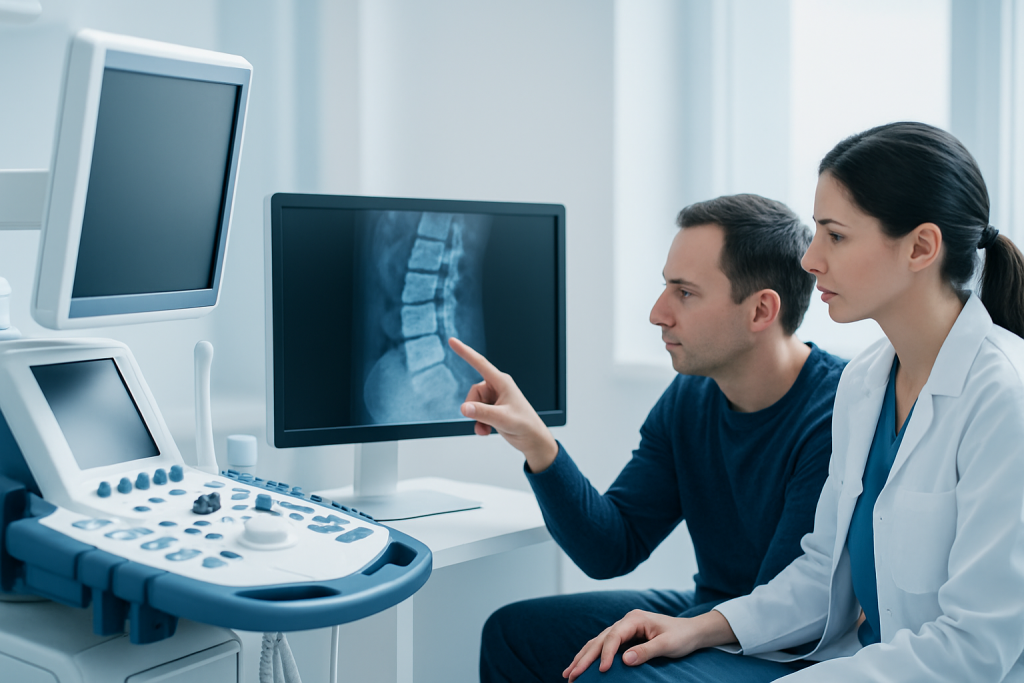
The symptoms of degenerative disc disease depend on which part of the spine is involved and how much nearby structures are irritated. Pain may be centered in the neck or lower back, or it may come and go in flare-ups. Many people describe a deep ache, stiffness after rest, or pain that worsens with certain movements and improves when they change position.
When a disc change contributes to nerve irritation, symptoms can spread beyond the back itself. A person may feel pain, tingling, numbness, or weakness in an arm, hand, leg, or foot. In the lower back, pain may travel into the buttock or down the leg; in the neck, symptoms may extend into the shoulder or arm.
Common patterns include:
- Pain that is worse with sitting, lifting, bending, or twisting
- Temporary relief when lying down or changing posture
- Morning stiffness or stiffness after prolonged inactivity
- Episodes of pain that improve, then return later
- Reduced tolerance for walking, driving, or desk work
Symptoms that progress quickly, cause significant weakness, or affect bladder or bowel control need prompt medical attention, even though these situations are less common.
Causes & Risk Factors

Degenerative disc disease usually develops because discs gradually lose hydration and elasticity over time. As discs become thinner or less resilient, they may absorb shock less effectively. Small tears in the outer disc layer can also become painful, and the spine may respond with joint irritation or bone spur formation.
Age is the most common factor, but it is not the only one. Some people experience earlier or more troublesome disc changes because of genetics, heavy physical work, repetitive strain, smoking, excess body weight, or a past spinal injury. Long hours of sitting, poor ergonomic setup, and certain sports may also add stress to the spine.
Risk is influenced by the overall load placed on the back, not by a single event in most cases. This is one reason treatment plans often include both symptom relief and practical changes to reduce repeated strain during work, travel, or household activities.
Diagnosis
Diagnosis begins with a detailed conversation about the pain pattern, what makes it better or worse, how long it has lasted, and whether there are nerve-related symptoms. A doctor will also examine posture, movement, reflexes, strength, and sensation to look for clues about the affected spine level and to rule out other causes of pain.
Imaging is not always necessary at the first visit. X-rays can show alignment changes and narrowing between vertebrae, while MRI provides more detail about discs, nerves, and surrounding tissues. Imaging is often most useful when symptoms are severe, persistent, unusual, or associated with weakness, numbness, or injury.
Because many spine findings can appear in people without pain, imaging results are interpreted alongside the clinical picture. For patients traveling from abroad, it is helpful to bring prior reports or scans when available, since comparing older and newer images can clarify whether the condition is stable or changing.
Treatment Options
Treatment is usually tailored to the person’s symptoms and daily needs. Many people improve with conservative care, especially when the main problem is pain without major nerve compression. The aim is to reduce discomfort, improve movement, and help the spine tolerate normal activity again.
Non-surgical options may include physical therapy, guided exercise, posture training, heat or cold therapy, and medications recommended by a doctor to ease pain or inflammation. In some cases, injections may be considered to reduce irritation around inflamed structures or compressed nerves. A specialist may also recommend temporary activity modification rather than strict bed rest, since gentle movement often supports recovery.
Surgery is usually reserved for selected situations, such as ongoing pain that does not respond to other treatment, clear nerve compression, or structural instability. Procedures vary depending on the level and cause of symptoms and may include decompression, disc replacement, or fusion in carefully chosen cases. The decision is made after weighing symptoms, imaging, general health, and recovery goals.
For patients planning Herniated Disc Treatment Abroad: Injection, Rehab, or Surgery?" class="ahp-ilk">treatment abroad, a second opinion can be valuable when symptoms are long-lasting or the diagnosis is not straightforward. Acibadem Health Point’s multidisciplinary specialists and JCI-accredited hospitals diagnose and treat degenerative disc disease for international patients, with care coordinated across consultation, imaging, therapy, and follow-up.
Prevention & Self-care
Not every disc change can be prevented, but spinal stress can often be reduced. Staying active, maintaining a healthy weight, and strengthening the muscles that support the core and back may help protect function over time. Regular movement is generally more helpful than long periods of sitting or avoiding activity entirely.
Small practical habits can make a noticeable difference in day-to-day comfort. Good desk ergonomics, frequent position changes during long flights or car rides, careful lifting technique, and supportive footwear all reduce strain. For people with recurrent flare-ups, learning which motions trigger symptoms can help them plan work and travel more comfortably.
Helpful self-care habits include:
- Taking brief movement breaks during prolonged sitting
- Using a chair and screen setup that supports neutral posture
- Practicing exercises recommended by a clinician or physical therapist
- Avoiding smoking, which can affect disc health and healing
- Using heat, gentle stretching, or relaxation techniques during mild flare-ups
When a patient is recovering away from home, a clear home program and follow-up plan matter. Knowing which exercises are safe, which activities to pause, and when to check back with a specialist can make recovery smoother across time zones and travel schedules.
When to See a Doctor
Medical evaluation is a good idea when back or neck pain lasts more than a few weeks, keeps returning, or starts interfering with sleep, work, walking, or travel. A doctor can help confirm whether the discs are the likely source and whether another condition needs attention.
Prompt evaluation is especially important if there is new weakness, numbness, difficulty walking, or pain that is quickly worsening. Sudden bladder or bowel changes, fever with severe back pain, or pain after a significant injury also warrant urgent medical care. These symptoms do not usually mean degenerative disc disease alone, but they should not be ignored.
For international patients, seeking care sooner can also reduce the chance of arranging travel around an unstable symptom pattern. A well-timed consultation often makes it easier to coordinate imaging, physical therapy, or a specialist review without unnecessary delays.
Living With Degenerative Disc Disease
Living with degenerative disc disease often means learning how to manage flare-ups rather than expecting every day to feel exactly the same. Many people continue working, exercising, and traveling once they understand their triggers and have a clear plan for symptom control. The condition is often manageable, especially when treatment is individualized and expectations are realistic.
Progress is usually measured by function: better sleep, more comfortable sitting, less frequent flares, and steadier movement. That is why follow-up matters, particularly after starting therapy or if symptoms change. A patient who stays in contact with the treating team can adjust the plan before pain becomes more disruptive.
Frequently asked questions
Is degenerative disc disease the same as normal aging?
It is often related to normal age-related changes in the spine, but not everyone develops symptoms. Some people have disc degeneration without pain, while others have discomfort because the changes irritate nearby joints or nerves.
Can degenerative disc disease get better without surgery?
Yes, many people improve with non-surgical care such as physical therapy, movement changes, and symptom relief strategies. Surgery is usually considered only when conservative treatment does not help enough or when nerves are affected.
Does degenerative disc disease always cause severe back pain?
No, symptoms vary widely. Some people have only occasional stiffness or mild aching, while others have pain that affects daily activities or spreads into an arm or leg.
Is exercise safe with degenerative disc disease?
In many cases, yes, and movement is often part of treatment. The safest exercises depend on the person’s symptoms, so guidance from a doctor or physical therapist is important.
When should someone worry about numbness or weakness?
Numbness or weakness can suggest nerve involvement and should be assessed by a doctor. If symptoms appear suddenly, worsen quickly, or affect walking or bladder or bowel function, urgent care is needed.
Can travel make degenerative disc disease worse?
Long periods of sitting during travel can trigger stiffness or pain in some people. Taking movement breaks, using supportive seating, and planning medications or exercises with a clinician can help make travel more manageable.
References
- Mayo Clinic
- National Institute of Arthritis and Musculoskeletal and Skin Diseases
- American Academy of Orthopaedic Surgeons
- Cleveland Clinic
- World Health Organization
This article is for general information only and is not a substitute for professional medical advice. Please consult a qualified doctor about your individual situation.
Joint and spine care in Turkey — expert assessment & treatment
JCI-accredited · board-certified surgeons · reply within 24h
Add us as a Preferred Source to see more of our trusted health content across Google Search, AI Overviews and Discover.
More from the Health Library



Related Specialists

Prof. Dr. Ahmet Alanay
Orthopedic Surgery & Traumatology
Dr. Sinan Aksu
Orthopedic Surgery & Traumatology
Dr. Sirri Baştürk
Orthopedic Surgery & Traumatology
Prof. Dr. Korhan Özkan
Orthopedic Surgery & Traumatology