

Lumbar

Key Takeaways
- Lumbar pain commonly comes from muscles, joints, discs, posture strain, or age-related wear and tear.
- Symptoms may include stiffness, aching, limited movement, or pain that spreads into the buttock or leg.
- Diagnosis usually starts with a medical history and physical examination; imaging is used when needed.
- Treatment often includes activity modification, medication, physiotherapy, and in selected cases injections or surgery.
- Staying active, using good lifting habits, and maintaining core strength can help reduce future episodes.
Lumbar pain refers to discomfort in the lower back, an area that carries much of the body’s weight and movement. Most cases improve with appropriate rest, movement, targeted treatment, and a clear plan guided by a doctor.
Overview
Lumbar pain describes discomfort in the lower back, the section of the spine between the rib cage and the pelvis. This area supports a large share of daily movement, from standing and walking to lifting a suitcase, bending to pick up a child, or sitting through a long flight.
Because the lumbar spine is both strong and highly mobile, it is also exposed to strain. Some people feel a dull ache after overuse, while others notice a sharper pain after an awkward twist, a long period of sitting, or a change in activity level. In many cases, the problem settles with conservative care, but persistent or severe pain deserves a proper medical assessment.
For international patients, lumbar pain can be especially disruptive because travel, carrying luggage, and unfamiliar sleeping arrangements may make symptoms harder to manage. A clear diagnosis matters, since treatment is more effective when it is matched to the actual cause rather than the pain alone.
Symptoms
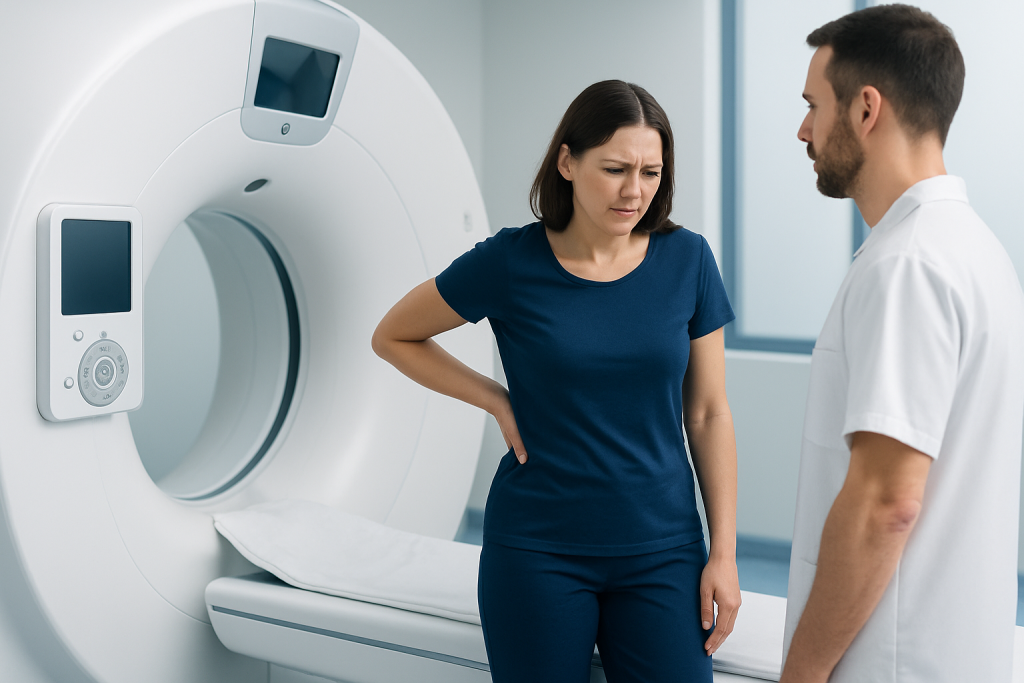
The experience of lumbar pain varies widely. Some people describe a deep ache across the lower back, while others feel tightness, stiffness, or a pulling sensation when they bend or turn. Pain may remain local to the back, or it may spread into the buttock, hip, or one leg depending on which structures are irritated.
Common symptoms can include:
- Lower back aching or soreness
- Stiffness, especially after sitting or waking up
- Pain that worsens with lifting, twisting, or prolonged standing
- Muscle spasm or a feeling of “locking” in the back
- Reduced flexibility or difficulty finding a comfortable position
Some symptoms suggest nerve involvement, such as pain radiating below the knee, numbness, tingling, or weakness in the leg. Those features do not always mean something serious, but they do help doctors narrow down the cause and choose the most appropriate next step.
Causes & Risk Factors

Lumbar pain has many possible causes, and several can overlap. Muscle or ligament strain is common, especially after lifting, sudden movement, or repetitive overuse. Joint irritation in the spine, disc-related problems, and posture-related strain may also contribute. In some people, arthritis or age-related degenerative changes play a role.
Risk is often higher when the back is asked to do too much without enough support. Long hours of sitting, weak core muscles, poor lifting technique, limited hip flexibility, and carrying extra body weight can all place additional stress on the lumbar area. A previous back injury may also make future episodes more likely.
Doctors also consider less common but important causes, such as fracture, infection, inflammatory disease, or pain referred from another organ. A careful history helps separate ordinary mechanical back pain from conditions that need different treatment.
Diagnosis
Diagnosis usually begins with a conversation about when the pain started, what makes it better or worse, whether it travels into the leg, and how it is affecting work, sleep, or travel. A physical examination helps assess posture, movement, reflexes, strength, and areas of tenderness. These details often reveal more than a scan alone.
Imaging tests are not always necessary. Many people with uncomplicated lumbar pain improve without them. However, a doctor may recommend an X-ray, MRI, or other test if symptoms are severe, persistent, linked to injury, or accompanied by nerve-related findings. The goal is not to “scan everything,” but to use the right test at the right time.
Blood tests are occasionally ordered if an inflammatory condition, infection, or another systemic problem is suspected. For patients traveling from abroad, doctors may also review previous imaging or reports so care can continue smoothly without repeating unnecessary tests.
Treatment Options
Treatment depends on the cause, the intensity of symptoms, and whether a nerve is involved. For many people, the first phase focuses on reducing irritation while keeping the body moving in a controlled way. Short periods of relative rest may help, but prolonged bed rest is generally not advised because it can slow recovery and weaken the supporting muscles.
Common treatment approaches include medication recommended by a doctor, physical therapy, guided exercises, and education on posture and lifting. Physiotherapy often plays a central role because it can improve flexibility, core stability, and movement confidence. When pain is driven by inflammation or a specific spinal structure, injections may be considered in selected cases.
More advanced treatment is reserved for people who do not improve with conservative care or who have a structural problem that is pressing on nerves or limiting function. Surgical options are not needed for most lumbar pain, but when they are appropriate, the aim is to relieve pressure, restore stability, or address the underlying mechanical issue. The exact plan should be individualized after a full evaluation.
Prevention & Self-care
Daily habits make a real difference in how often lumbar pain returns. Regular movement is usually more helpful than waiting for the back to feel perfect before becoming active again. Gentle walking, stretching, and strength work can support the spine, especially when done consistently rather than only during flare-ups.
Practical self-care measures may include:
- Using correct lifting technique and asking for help with heavy luggage
- Taking breaks from prolonged sitting, especially during long flights or remote work
- Building core and hip strength with guidance from a physiotherapist
- Keeping a neutral spine when bending, twisting, or reaching
- Choosing a sleep setup that supports the lower back during travel
It also helps to pace activities rather than doing too much on a good day and too little on a painful one. For people recovering away from home, a written exercise plan and a clear follow-up schedule can make it easier to continue care after returning home.
When to See a Doctor
Medical review is a good idea if lumbar pain lasts longer than expected, keeps returning, or begins to interfere with daily life. A doctor should also be consulted if the pain is severe after an injury, follows a fall, or starts after a major change in movement or activity.
Prompt evaluation is especially important if the pain is accompanied by leg weakness, numbness, fever, unexplained weight loss, loss of bladder or bowel control, or pain that is steadily worsening. These symptoms do not automatically mean something dangerous, but they do need timely attention.
For patients seeking care abroad, a specialist assessment can help clarify whether conservative treatment is enough or whether a more targeted orthopedic or rehabilitation plan is needed. Acibadem Health Point’s multidisciplinary specialists and JCI-accredited hospitals diagnose and treat lumbar conditions for international patients with coordinated care from consultation through follow-up.
Living Well With Lumbar Pain
Recovery is often easier when patients understand that back pain and damage are not always the same thing. A back can feel painful because it is irritated, tight, or temporarily overloaded, even when there is no major structural problem. That is one reason reassurance, movement, and a gradual return to normal tasks are often part of treatment.
Good recovery also depends on planning. People who travel for treatment benefit from knowing what activities are safe, how to protect the back during the journey home, and when to resume exercise or work. A coordinated plan with clear instructions can prevent setbacks and reduce uncertainty.
When lumbar pain is approached with the right balance of diagnosis, movement, and support, many patients regain function and confidence. The aim is not only to ease pain today, but also to help the back tolerate tomorrow’s demands more comfortably.
Frequently asked questions
What is the difference between lumbar pain and general back pain?
Lumbar pain refers specifically to pain in the lower back. General back pain can involve the upper, middle, or lower spine, but the lumbar region is the most common area affected.
Is lumbar pain usually serious?
Most cases are related to muscle strain, posture, or mechanical stress and improve with conservative care. Still, persistent pain, injury-related pain, or symptoms such as weakness or numbness should be evaluated by a doctor.
Should someone with lumbar pain stay in bed?
Short rest may help during a flare-up, but long periods of bed rest are usually not recommended. Gentle movement and a gradual return to activity are often better for recovery.
When is imaging like MRI needed?
Imaging is typically used when symptoms are severe, long-lasting, linked to injury, or suggest nerve involvement. In many uncomplicated cases, a doctor can diagnose and treat the problem without immediate imaging.
Can physiotherapy help with lumbar pain?
Yes, physiotherapy is often a key part of treatment because it can improve strength, flexibility, and movement control. It also teaches patients how to protect the back during daily activities and travel.
What can help prevent lumbar pain from coming back?
Regular exercise, core strengthening, good lifting habits, and breaks from prolonged sitting can all help. It is also useful to manage workloads gradually rather than making sudden changes in activity.
References
- World Health Organization
- National Institute of Neurological Disorders and Stroke
- Mayo Clinic
- American Academy of Orthopaedic Surgeons
- NHS
This article is for general information only and is not a substitute for professional medical advice. Please consult a qualified doctor about your individual situation.
More from the Health Library



Related Specialists

Prof. Dr. Ahmet Alanay
Orthopedic Surgery & Traumatology
Dr. Sinan Aksu
Orthopedic Surgery & Traumatology
Dr. Sirri Baştürk
Orthopedic Surgery & Traumatology
Prof. Dr. Korhan Özkan
Orthopedic Surgery & Traumatology