

Ilium

Key Takeaways
- The ilium is the upper, wing-shaped part of the pelvis and is important for posture, balance, and walking.
- Pain in the iliac region can come from the bone itself or from nearby joints, muscles, nerves, or organs.
- Diagnosis usually begins with a medical history, physical examination, and imaging when needed.
- Treatment depends on the cause and may include rest, targeted exercises, medication, or specialist procedures.
- Persistent, severe, or unexplained pelvic pain should be evaluated by a doctor, especially after injury.
The ilium is the broad, upper part of the pelvic bone and plays a major role in supporting body weight, protecting pelvic organs, and allowing movement. When it becomes painful or injured, the cause is often related to strain, inflammation, trauma, or a condition affecting the nearby hip, spine, or sacroiliac joint.
Overview
The ilium is the widest and most recognizable part of the pelvis. If the pelvis is pictured as a sturdy ring, the ilium forms the broad upper wings on both sides, creating the curves that can be felt at the waistline and hips. It connects with the sacrum in the back and helps form the socket that supports the hip joint.
Because it sits at the crossroads of the spine, hip, and pelvis, the ilium does more than provide shape. It helps transfer body weight from the trunk to the legs, supports upright posture, and gives many important muscles a place to attach. That is why pain around this area can feel confusing: a problem in the ilium may actually reflect an issue in the sacroiliac joint, lower back, hip, or surrounding soft tissues.
For people deciding whether to travel for care, understanding this anatomy can be helpful. Pelvic pain can have several different causes, and the right evaluation often depends on careful examination and, when needed, imaging studies that identify the exact source.
Symptoms
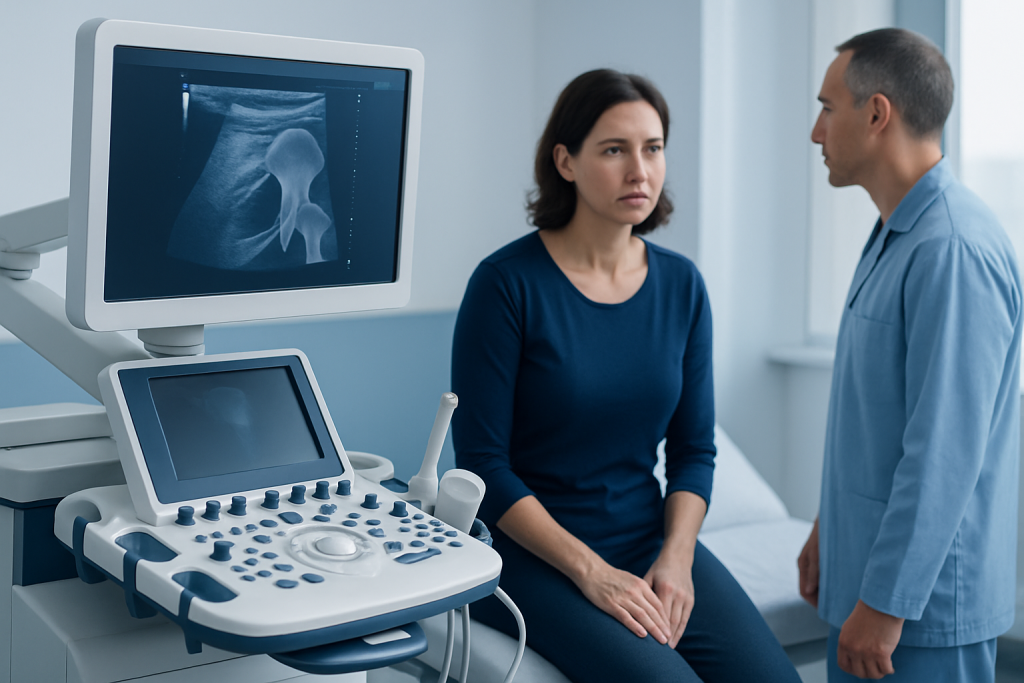
Discomfort involving the ilium is often felt along the top of the hip, the back of the pelvis, or the side of the lower abdomen. Some people describe a dull ache after activity, while others notice sharp pain when climbing stairs, getting out of a car, standing for long periods, or rolling in bed.
Symptoms may vary depending on the underlying cause. Muscle strain can create localized tenderness, while inflammation in the sacroiliac joint may cause pain that spreads into the buttock or lower back. A fracture or significant injury usually causes more sudden, intense pain and may make weight-bearing difficult.
- Pain at the top of the hip or near the iliac crest
- Tenderness when pressing on the pelvis
- Pain that worsens with walking, twisting, or bending
- Stiffness in the lower back or hip
- Swelling or bruising after trauma
- Reduced ability to bear weight in more serious injuries
Because the pelvis is close to the abdomen, urinary tract, and reproductive organs, some symptoms may come from elsewhere. That is one reason a thorough assessment matters when pain is persistent or hard to explain.
Causes & Risk Factors
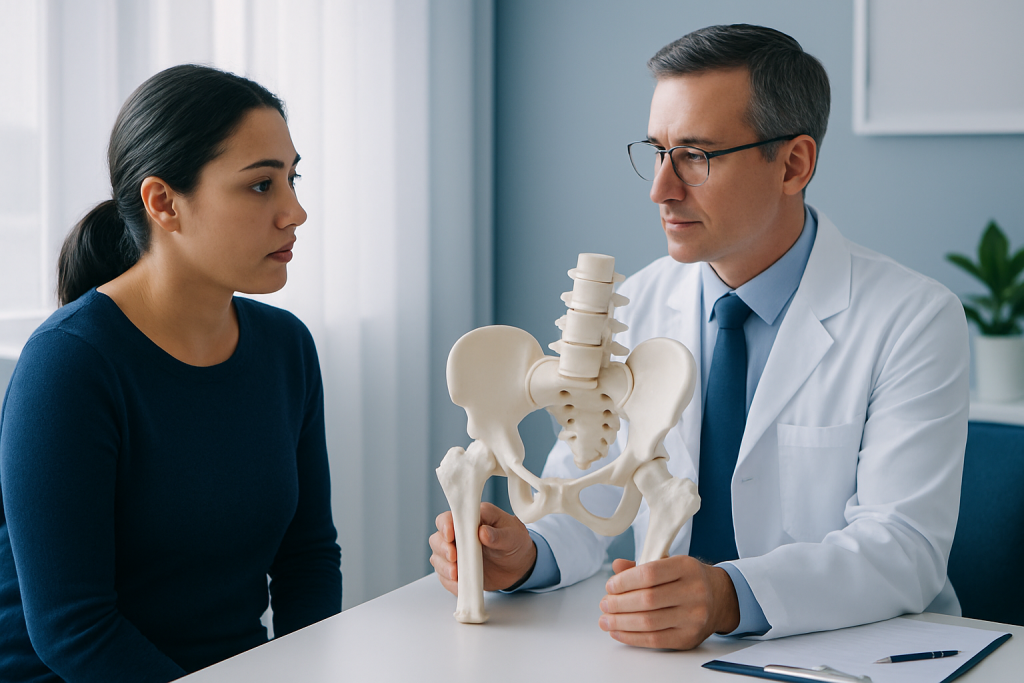
There is no single reason the ilium becomes painful. The most common causes involve strain on the muscles and ligaments attached to the pelvis, irritation of the sacroiliac joint, or injury from a fall, sports impact, or car accident. Overuse can also irritate the structures around the iliac crest, especially in runners, dancers, and athletes who repeat twisting or jumping motions.
Inflammatory conditions, such as certain forms of arthritis, may affect the joints that meet the ilium. Less commonly, pain may be related to infection, bone stress injury, or a growth in the bone. In some cases, pain is referred from the lumbar spine or hip joint rather than arising directly from the ilium itself.
Factors that may raise the chance of symptoms include repetitive physical activity, poor lifting mechanics, pregnancy-related pelvic changes, previous pelvic injury, arthritis, and differences in leg length or gait. In international patients, symptoms often begin long before travel plans are made; by the time they seek care, they may have already tried rest, home remedies, or treatment for back pain without lasting relief.
Diagnosis
Diagnosis starts with a detailed conversation about when the pain began, what makes it worse, whether there was an injury, and where exactly the discomfort is felt. A doctor will usually examine the hips, lower back, pelvis, and walking pattern to look for signs that the pain is coming from the ilium or a nearby structure.
Imaging may be recommended when the cause is not clear, symptoms are severe, or a fracture or other structural problem is suspected. X-rays can help identify bone alignment or obvious injury, while CT or MRI may provide a more detailed view of bone, joints, and soft tissues. If inflammation or infection is a concern, blood tests may also be useful.
The main goal of diagnosis is not just to name the painful area, but to understand what is actually driving it. That distinction matters because a person with ilium pain could need orthopedic care, rehabilitation, rheumatology input, or another specialty depending on the underlying problem.
Treatment Options
Treatment depends entirely on the cause. For simple strain or overuse, doctors often recommend relative rest, activity changes, and physical therapy focused on gentle stretching, core strength, hip stability, and movement retraining. When the sacroiliac joint is involved, targeted rehabilitation may be especially helpful.
Medications may be used to reduce pain or inflammation, but the choice should be guided by a doctor, especially if there are other medical conditions, stomach sensitivity, kidney concerns, or pregnancy. In some cases, injections into the sacroiliac joint or surrounding tissues may be considered to help confirm the pain source or reduce inflammation.
More serious problems, such as fractures, infections, or certain bone conditions, require condition-specific treatment. Fractures may need restricted weight-bearing or, in unusual cases, surgery. Inflammatory disease may be managed with specialist medications, while infection requires prompt medical treatment.
For patients arriving from another country, it can be reassuring to know that treatment plans are usually staged: diagnosis first, then a clear recovery roadmap that includes follow-up, mobility guidance, and coordination with local care after return home.
Prevention & Self-care
Not every ilium-related problem can be prevented, but everyday habits can reduce strain on the pelvis. A gradual return to exercise, good lifting technique, and regular strengthening of the hips and core can all help support the pelvis during walking, running, and daily movement.
People who spend long hours sitting may benefit from standing breaks, posture changes, and a workspace setup that avoids prolonged pelvic tension. Athletes often do better when training loads increase slowly rather than all at once, especially if they have had prior hip or lower back symptoms.
- Warm up before sports or heavy activity
- Use supportive footwear for walking or running
- Build hip and core strength with guided exercises
- Avoid sudden spikes in training intensity
- Address gait or posture problems early
At home, short periods of rest, gentle movement, and heat or cold may provide comfort depending on the situation. Self-care should stay within safe limits; if pain increases, spreads, or begins to interfere with walking, it is better to stop guessing and get assessed.
When to See a Doctor
Medical evaluation is advisable when pain lasts more than a short period, keeps returning, or limits walking, sleep, or daily activities. New pain after a fall, Knee Pain Relief: Causes and Treatment" class="ahp-ilk">Pain Relief" class="ahp-ilk">sports injury, or road accident should be checked, especially if there is bruising, swelling, or trouble bearing weight.
It is also important to seek care if pain is accompanied by fever, unexplained weight loss, night pain that does not ease, numbness, weakness, or symptoms from the urinary or digestive system. These features do not always mean something serious, but they do justify a closer look.
When the cause is unclear, a doctor can help separate a bone problem from joint, muscle, or spine-related pain and recommend the most suitable next step. Acibadem Health Point’s multidisciplinary specialists and JCI-accredited hospitals diagnose and treat conditions affecting the ilium for international patients, with care designed to be coordinated and practical from evaluation through follow-up.
Living With Ilium Pain
Living with pelvic pain can be frustrating because it often affects simple routines such as walking, sitting, bending, and getting dressed. A useful first step is to identify which movements trigger the discomfort and share that pattern clearly with the doctor or physiotherapist, since that information often points toward the right diagnosis.
Recovery usually improves when the patient follows a plan that matches the cause rather than treating all pelvic pain the same way. For some people, that means rebuilding strength after a strain; for others, it means managing an inflammatory condition or healing after trauma. Staying consistent with follow-up matters, especially when care is coordinated across borders and the next appointment may be after travel home.
With the correct assessment and a tailored plan, most ilium-related symptoms can be managed effectively. The key is to avoid self-diagnosing persistent pelvic pain as “just the hip” or “just the back,” because the pelvis often tells a more detailed story than that.
Frequently asked questions
What is the ilium in simple terms?
The ilium is the large, upper, wing-shaped part of the pelvis. It forms the outer curve of the hips and helps support the body’s weight when standing and walking. It also provides attachment points for important muscles and ligaments.
Can the ilium itself cause pain?
Yes, but pain in that area is often related to nearby structures such as the sacroiliac joint, muscles, ligaments, or the lower spine. A doctor may need to examine the whole pelvic area to find the true source. That is why persistent pain should not be assumed to come from one structure only.
How is ilium pain diagnosed?
Diagnosis usually begins with a history and physical examination. Imaging such as X-rays, CT, or MRI may be used if a fracture, inflammation, or another structural problem is suspected. Blood tests may also help in some cases.
Is ilium pain the same as hip pain?
Not always. The ilium is part of the pelvis, while the hip joint sits nearby and may create similar symptoms. Because the pain locations overlap, medical assessment is often needed to tell them apart.
What helps mild pain around the ilium?
Temporary rest, gentle movement, and avoiding the activity that triggered the pain may help in minor cases. Some people also benefit from heat or cold and guided stretching, but these measures are best used only when symptoms are mild and improving. If pain persists, worsens, or follows an injury, a doctor should evaluate it.
When is ilium pain urgent?
Pain that follows major trauma, makes it hard to bear weight, or comes with fever, numbness, weakness, or unexplained weight loss should be assessed promptly. These signs may point to a condition that needs faster diagnosis and treatment. Even without urgent symptoms, ongoing pelvic pain deserves medical review.
References
- Merck Manual Professional Version
- Cleveland Clinic
- Mayo Clinic
- American Academy of Orthopaedic Surgeons
- National Institute of Arthritis and Musculoskeletal and Skin Diseases
This article is for general information only and is not a substitute for professional medical advice. Please consult a qualified doctor about your individual situation.
More from the Health Library



Related Specialists

Prof. Dr. Ahmet Alanay
Orthopedic Surgery & Traumatology
Dr. Sinan Aksu
Orthopedic Surgery & Traumatology
Dr. Sirri Baştürk
Orthopedic Surgery & Traumatology
Prof. Dr. Korhan Özkan
Orthopedic Surgery & Traumatology