

Iliac Crest

Key Takeaways
- The iliac crest is the top rim of the pelvis and serves as an attachment point for muscles and ligaments.
- Pain in this area is often linked to strain, trauma, inflammation, or nearby hip and lower back problems.
- Diagnosis usually depends on a physical examination and, when needed, imaging or other tests.
- Treatment is guided by the cause and may include rest, activity changes, medication, physiotherapy, or procedures.
- Persistent, severe, or unexplained pain should be assessed by a qualified doctor.
The iliac crest is the curved upper border of the pelvic bone and an important landmark in the body’s musculoskeletal structure. When it becomes painful or tender, the cause may range from strain and inflammation to injury, nerve irritation, or less commonly a bone-related condition.
Overview
The iliac crest is the curved upper edge of the ilium, the broad wing-shaped part of the pelvis. It can be felt along the sides of the waist and forms one of the body’s most familiar bony landmarks, especially in slim individuals or during a physical examination.
Although the iliac crest is a normal part of anatomy, it can become a source of pain or tenderness. Because it sits near the lower back, hip joint, abdominal wall, and pelvic muscles, discomfort in this region is not always caused by the bone itself. A careful evaluation helps separate a local bone or muscle issue from pain that is referred from somewhere else.
For international patients, this kind of pain often becomes noticeable during travel, carrying luggage, prolonged sitting, or after an activity that places new stress on the pelvis. In those situations, understanding the anatomy helps make the next step clearer: whether rest is enough or a medical assessment is warranted.
Symptoms
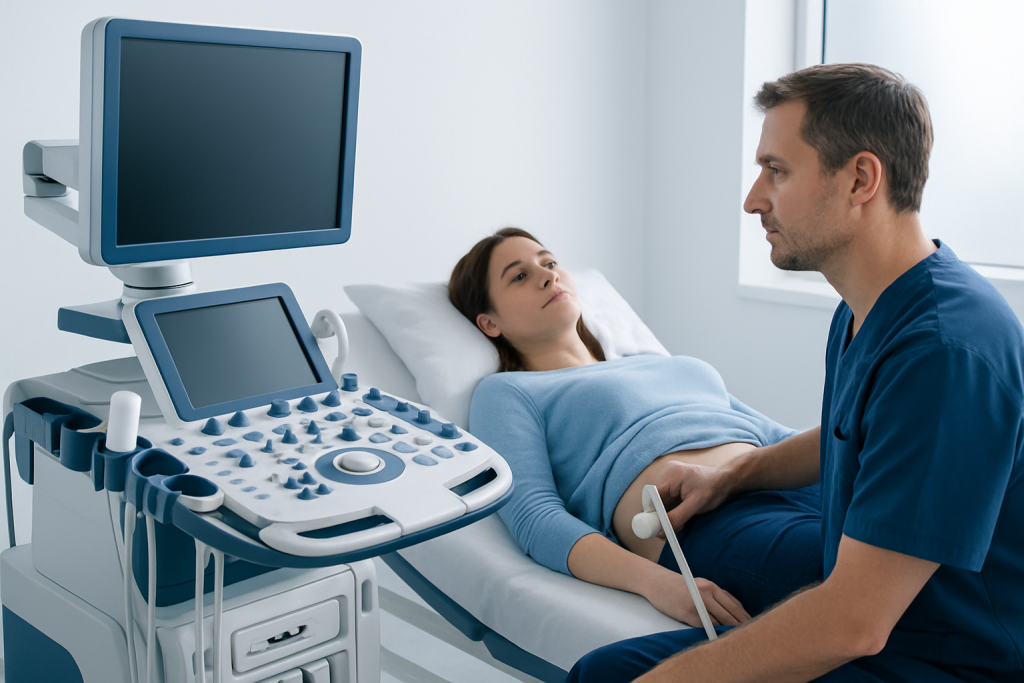
Iliac crest problems can feel different depending on the cause. Some people notice a sharp pain when bending, twisting, coughing, or standing up from a chair. Others describe a dull ache, stiffness, or a bruised feeling along the top of the pelvis.
Symptoms may stay in one spot or spread toward the lower back, hip, groin, or buttock. Tenderness when pressing on the area is common with muscle strain, inflammation, or local injury. If a nerve is involved, burning, tingling, numbness, or shooting pain may appear as well.
- Localized tenderness over the upper pelvic rim
- Pain with movement, exercise, or pressure from tight clothing or belts
- Stiffness after rest or prolonged sitting
- Radiating pain toward the back, hip, or thigh
- Swelling, bruising, or visible asymmetry after trauma
Symptoms that follow a fall, sports collision, or sudden twisting movement deserve particular attention. Pain that is severe, persistent, or associated with fever, unexplained weight loss, or difficulty walking should be reviewed by a doctor.
Causes & Risk Factors
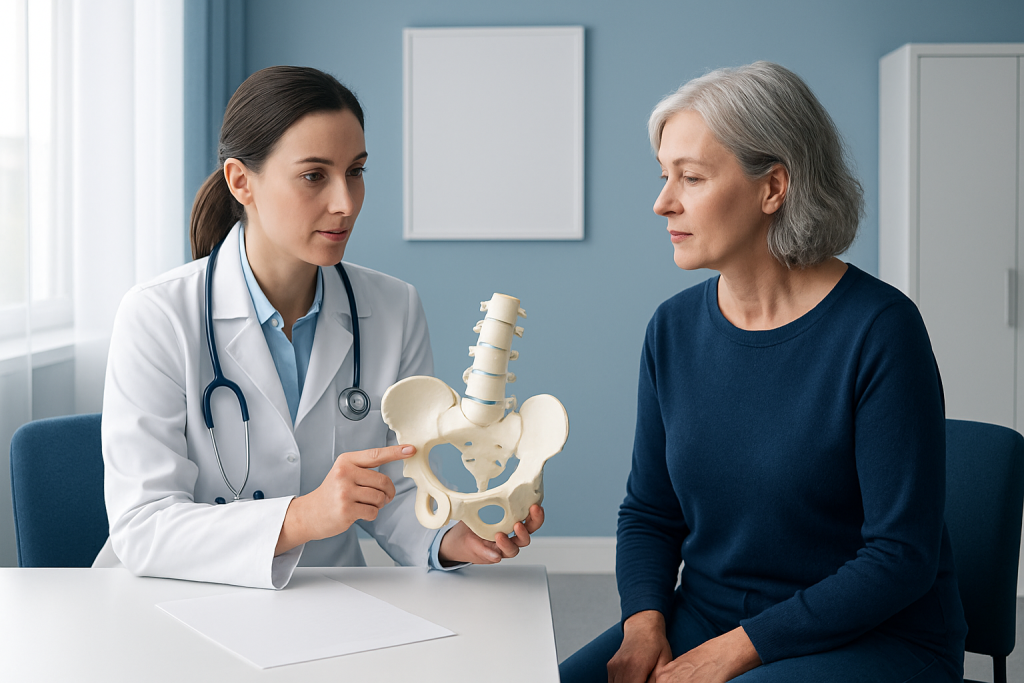
The iliac crest is exposed to force from many muscles, including the abdominal muscles, gluteal muscles, and muscles that stabilize the trunk and pelvis. Because of this, strain and overuse are among the most common reasons for discomfort in the area. Running, repetitive lifting, core training, or sudden changes in activity can irritate the soft tissues attached to the crest.
Direct trauma can also cause pain. A hard impact to the side of the pelvis, a fall, or a Knee Pain Relief: Causes and Treatment" class="ahp-ilk">Pain Relief" class="ahp-ilk">sports injury may bruise the area or, less commonly, cause a fracture. In some people, pain comes from inflammation around the attachment points of tendons and ligaments, or from conditions affecting nearby joints such as the sacroiliac joint or lumbar spine.
Other possible causes include nerve irritation, referred pain from the back or hip, and pain after medical procedures that use the iliac crest as a bone graft site. In those cases, the discomfort may be temporary but still needs appropriate follow-up.
- Sports with twisting, sprinting, or repeated trunk rotation
- Heavy lifting or poor lifting mechanics
- Falls, collisions, or direct blows to the pelvis
- Previous hip, spine, or pelvic problems
- Bone graft harvesting or surgery near the pelvis
- Osteoporosis or other bone-weakening conditions
Risk is often higher when activity increases suddenly after a period of inactivity. Wearing poorly supportive footwear, training on uneven surfaces, or ignoring early discomfort can also contribute to persistent irritation.
Diagnosis
Diagnosis begins with a detailed history and a physical examination. A doctor will ask where the pain is felt, what makes it better or worse, whether there was an injury, and whether the pain is linked to movement, exercise, or pressure. This information helps distinguish iliac crest pain from hip joint, lumbar spine, abdominal, or pelvic causes.
During the examination, the doctor may press on the area, check range of motion, and look for signs of muscle strain, swelling, bruising, or nerve irritation. Walking pattern, posture, and nearby joint function are often assessed as well. In many cases, these steps already point strongly to the most likely cause.
Imaging tests may be used when the diagnosis is unclear or when a fracture, structural problem, or deeper injury is suspected. X-rays can show some bony changes, while CT or MRI may provide more detail about soft tissues, stress injuries, or subtle fractures. Blood tests are occasionally helpful if infection or inflammatory disease is being considered.
Treatment Options
Treatment depends entirely on the cause. For a mild strain or overuse injury, short-term rest, reducing aggravating activities, and protecting the area from repeated pressure may be enough. Many patients improve as inflammation settles and the surrounding muscles regain balance.
Pain relief may be recommended in a general way by a doctor, along with physical therapy to restore mobility and strengthen the trunk, hips, and pelvic stabilizers. A structured rehabilitation plan is especially helpful when the pain comes from muscle imbalance, altered posture, or return-to-sport overload. Gentle progression is usually safer than a rapid return to full activity.
If the cause is a fracture, significant inflammation, nerve irritation, or a complication after surgery, treatment may be more specific and sometimes longer term. In selected cases, injections, immobilization, or surgical care may be considered. The most appropriate plan depends on age, medical history, the exact diagnosis, and how much the pain limits daily life.
Patients traveling for care often benefit from a coordinated approach that includes diagnosis, treatment planning, rehabilitation instructions, and follow-up guidance before they return home. In the right setting, multidisciplinary teams can help make that pathway more organized and easier to continue abroad.
Prevention & Self-care
Not every cause of iliac crest pain can be prevented, but many cases related to strain and overuse can be reduced with sensible habits. Warm up before exercise, build intensity gradually, and include hip, trunk, and gluteal strengthening in a balanced routine. Good movement mechanics matter as much as fitness level.
Daily posture also plays a role. Long periods of sitting can stiffen the lower back and pelvis, so brief standing breaks and changing position can help. If belts, waistbands, or sports gear press directly on the crest, adjusting fit may reduce irritation.
- Increase activity in stages rather than all at once
- Use proper lifting technique and avoid sudden twisting under load
- Maintain core and hip strength with guided exercise
- Choose supportive footwear for walking and sport
- Rest early if a new pain pattern starts
Self-care should remain conservative and safe. Heat or cold may be useful for short-term comfort, but persistent pain should not be masked repeatedly without understanding the cause. If symptoms keep returning, a clinician or physiotherapist can help identify the movement pattern behind the problem.
When to See a Doctor
Medical evaluation is advisable when iliac crest pain lasts more than a few days, keeps returning, or interferes with walking, sleeping, training, or travel. It is also important to seek care after a fall, direct blow, or other injury to the pelvis, especially if there is bruising, swelling, or trouble bearing weight.
Prompt assessment is recommended if the pain is accompanied by fever, unexplained weight loss, numbness, weakness, bowel or bladder changes, or pain that seems to come from the spine or abdomen rather than the bone itself. These features do not automatically mean a serious condition, but they do call for a careful medical review.
For people arranging treatment from another country, it can help to contact a clinic before travel if the pain is severe, unclear, or already affecting mobility. Acibadem Health Point’s multidisciplinary specialists and JCI-accredited hospitals diagnose and treat iliac crest-related problems for international patients with coordinated orthopedic and rehabilitation support.
Living With Iliac Crest Pain
Living with pain around the iliac crest is often frustrating because the area is used in nearly every movement that involves standing, turning, walking, or getting out of bed. A useful first step is to notice the exact motions that trigger symptoms, since that pattern often gives clinicians valuable clues.
Short-term adjustments can make daily life easier while the underlying cause is being clarified. Many patients find that reducing high-impact exercise, avoiding heavy side loads on the pelvis, and using guidance from a physiotherapist helps them stay active without repeatedly provoking pain.
Recovery is usually best handled as a process rather than a single decision. Once the cause is known, the plan can be matched to the person’s goals, whether that means returning to sport, resuming work, or completing treatment while traveling and then continuing follow-up at home.
Frequently asked questions
What exactly is the iliac crest?
The iliac crest is the top curved border of the pelvic bone on each side of the body. It is an important anatomical landmark and a key attachment area for several muscles and ligaments.
Why does my iliac crest hurt when I walk or twist?
Pain with walking or twisting often suggests irritation of the muscles, tendons, or ligaments attached to the pelvis. It can also come from the lower back, sacroiliac joint, or hip, so the source is not always the bone itself.
Can iliac crest pain be caused by exercise?
Yes. Repetitive training, sudden increases in activity, or heavy core and lifting exercises can strain the tissues around the iliac crest. A gradual return to exercise and proper technique usually help reduce the risk.
How is iliac crest pain diagnosed?
A doctor usually starts with a physical examination and questions about symptoms, activity, and injury history. Imaging such as an X-ray, CT scan, or MRI may be used if a fracture, structural problem, or deeper tissue injury is suspected.
Does pain near the iliac crest always mean a bone problem?
No. The pain may come from muscles, tendons, nerves, the lower spine, or the sacroiliac joint. That is why a focused medical assessment is important when the pain persists or is difficult to explain.
What can a person do at home for mild iliac crest pain?
Short-term rest from aggravating activities, gentle movement, and avoiding direct pressure on the area may help. If the pain does not improve or keeps returning, a doctor or physiotherapist should evaluate it.
References
- Merck Manual Professional Edition
- Mayo Clinic
- American Academy of Orthopaedic Surgeons
- MedlinePlus
- NHS
This article is for general information only and is not a substitute for professional medical advice. Please consult a qualified doctor about your individual situation.
More from the Health Library



Related Specialists

Prof. Dr. Ahmet Alanay
Orthopedic Surgery & Traumatology
Dr. Sinan Aksu
Orthopedic Surgery & Traumatology
Dr. Sirri Baştürk
Orthopedic Surgery & Traumatology
Prof. Dr. Korhan Özkan
Orthopedic Surgery & Traumatology