

Hip Abduction

Key Takeaways
- Hip abduction helps stabilize the pelvis during standing, walking, and side-to-side movement.
- Pain, weakness, or stiffness during hip abduction can come from the muscles, tendons, bursae, nerves, or hip joint.
- A careful history, physical exam, and sometimes imaging can help identify the cause.
- Treatment often includes activity modification, physiotherapy, and targeted strengthening or mobility work.
- Most people benefit from gradual recovery plans rather than pushing through pain.
- Persistent symptoms, numbness, swelling, or difficulty bearing weight should be reviewed by a doctor.
Hip abduction is the movement of the leg away from the body’s midline, and it plays an important role in walking, balance, and joint stability. When this movement becomes painful or weak, it may signal a muscle, tendon, joint, or nerve problem that can often be assessed and managed with the right care.
Overview
Hip abduction is the motion of moving the leg away from the body’s midline. It sounds like a technical term, but it shows up in ordinary moments: stepping out of a car, walking up stairs, shifting weight from one leg to the other, or keeping balance when standing on uneven ground.
Several structures help this movement happen smoothly. The gluteus medius and gluteus minimus are especially important, along with the tensor fasciae latae and other surrounding muscles that guide the pelvis and hip joint. When these structures are working well, the body feels stable and coordinated. When they are irritated, weak, or injured, people may notice pain, limping, or a sense that the hip is not holding them securely.
For international patients, hip abduction concerns often become part of a broader question: whether a symptom can be managed safely during travel or whether it needs assessment before a trip home, a long flight, or surgery in another country. A clear diagnosis helps people make those decisions with more confidence and less guesswork.
Symptoms
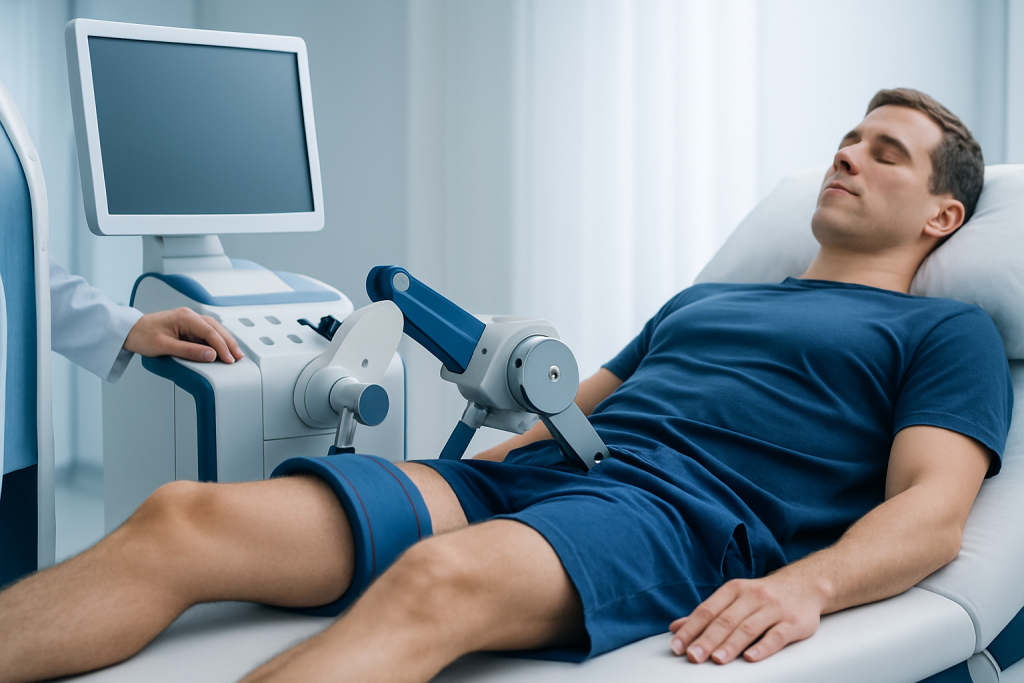
Problems with hip abduction do not always announce themselves in the same way. Some people feel a sharp pain on the outside of the hip when lifting the leg to the side. Others notice weakness, a pulling sensation, or difficulty keeping the pelvis level while walking.
Common symptoms may include:
- Pain on the outer hip, groin, or upper thigh
- Weakness when standing on one leg
- Limping or a side-to-side sway while walking
- Stiffness after sitting or resting
- Pain when climbing stairs, getting in and out of a car, or lying on the affected side
Some symptoms suggest a more specific issue. Clicking, catching, or deep groin pain may point more toward the hip joint itself, while numbness or burning can suggest nerve irritation. Swelling, fever, or a sudden inability to bear weight should always be assessed promptly.
Causes & Risk Factors

Hip abduction problems can come from several different sources, and the location of pain often offers the first clue. Muscle strain or overuse is common, especially in people who suddenly increase walking, running, dancing, hill climbing, or rehabilitation exercises. The tendons that attach the hip abductors to the bone may become irritated, leading to pain on the side of the hip.
Other causes may include trochanteric pain syndrome, bursitis, osteoarthritis, labral problems, hip impingement, lumbar spine conditions, and nerve-related weakness. In some people, weak hip abductors develop gradually after inactivity, surgery, pregnancy, or prolonged limping from another injury.
Risk may be higher in people who:
- Have had a previous hip, pelvis, knee, or lower back injury
- Spend long periods sitting and are relatively deconditioned
- Do repetitive sports or physical work
- Have leg length differences or altered walking mechanics
- Are recovering from hip replacement or another orthopedic procedure
Because the hip works as part of a chain, pain in the knee or back sometimes changes the way a person moves and overloads the abductors. That is why the symptom should be interpreted in context, not in isolation.
Diagnosis
Evaluation usually begins with a detailed conversation about where the pain is located, what movements bring it on, how long it has been present, and whether there was an injury or change in activity. A doctor will often watch the person walk, stand on one leg, and move the hip in different directions to see which structures are involved.
The physical examination may include palpation over the outside of the hip, strength testing, and tests that look for irritation of the tendons, bursae, or joint. If nerve symptoms are present, the back and lower limb may also be examined. The goal is not only to identify the painful area, but to understand why the movement is limited.
Imaging is sometimes helpful. X-rays may show arthritis or structural changes, while ultrasound or MRI can evaluate soft tissues, tendons, and bursae when needed. Blood tests are not always required, but they may be used if infection, inflammatory disease, or another systemic issue is suspected. For travelers seeking care abroad, it is often useful to bring prior imaging reports, operative notes, and a list of treatments already tried so the team can avoid repeating unnecessary tests.
Treatment Options
Treatment depends on the cause, but many hip abduction problems improve with conservative care. Rest does not usually mean complete inactivity; rather, it means reducing the specific movements that trigger pain while maintaining safe daily mobility. This helps avoid stiffness and deconditioning.
Physiotherapy is often central to treatment. A program may include gentle range-of-motion work, progressive strengthening of the hip abductors, core stability exercises, and gait retraining. If the condition involves tendon irritation, exercises are usually introduced gradually to build tolerance without overloading the tissue too quickly.
Other treatment options may include:
- Activity modification and short-term load management
- Ice or heat, depending on what feels soothing and is advised by the clinician
- Anti-inflammatory medicines or pain relievers when appropriate and safe
- Assistive devices such as a cane during a painful flare
- Image-guided injections in selected cases
- Surgery for structural problems that do not respond to non-surgical care
Recovery plans should be individualized. A runner recovering from abductor tendinopathy may need a very different approach from someone rehabbing after a hip replacement or managing arthritis. International patients often benefit from a coordinated plan that explains what can be done before travel, what should continue at home, and when follow-up is needed.
Prevention & Self-care
Prevention starts with respecting the hip’s workload. Sudden jumps in exercise intensity, long walks without preparation, or repetitive stair climbing can irritate the area. A steadier build-up in activity gives the muscles and tendons time to adapt.
Simple self-care strategies often help when symptoms are mild and a clinician has ruled out a serious problem. These include pacing activities, avoiding positions that compress the outer hip, and using supportive footwear if walking mechanics are an issue. People who sit for long periods may benefit from standing up regularly and changing positions throughout the day.
Exercises should be introduced carefully. Helpful habits may include:
- Gentle side-lying or standing hip strengthening as guided by a physiotherapist
- Core and pelvic stability work
- Stretching only when it is comfortable and recommended
- Warm-ups before exercise and gradual cool-down afterward
- Not pushing through pain that changes walking or sleep
For someone preparing for treatment in another country, it is wise to discuss whether the hip is stable enough for travel, how long sitting is likely to be tolerable, and whether a post-treatment rehabilitation schedule can realistically be followed after returning home.
When to See a Doctor
Medical review is a good idea when hip abduction pain lasts more than a short time, keeps returning, or starts to limit walking, sleep, work, or exercise. It is also important to seek evaluation if weakness is noticeable, the leg feels unstable, or simple movements such as stepping sideways have become difficult.
Prompt assessment is especially important if there is significant swelling, fever, a recent fall, a visible deformity, numbness, or an inability to bear weight. These signs may indicate a problem that needs quicker attention than a routine strain.
People already living with arthritis, neurologic disease, or a recent hip surgery should mention new abductor symptoms early, since rehabilitation plans may need adjustment. Acibadem Health Point’s multidisciplinary specialists and JCI-accredited hospitals diagnose and treat hip-related conditions for international patients with coordinated care and follow-up planning.
Living With Hip Abduction Problems
When hip abduction is limited, the goal is usually not to force the movement back immediately, but to restore it in a way that protects the joint and surrounding tissues. Small improvements in strength, walking pattern, and comfort can add up over time, especially when exercises are tailored to the underlying cause.
People often do best when they track what makes symptoms better or worse, then share that information with their doctor or physiotherapist. Details such as walking distance, sleep position, stair climbing, and sitting tolerance can be surprisingly useful in guiding recovery.
With a clear diagnosis and a gradual plan, many patients regain stable movement and return to everyday activities. The right approach depends on the person, the hip, and the reason the movement is painful or weak.
Conclusion
Hip abduction is a small movement with a large role in balance, gait, and joint control. When it hurts or feels weak, the underlying cause may be simple overuse or a more specific musculoskeletal, joint, or nerve issue.
Because the symptoms can overlap, careful assessment matters. The most useful care plans are usually practical, paced, and specific to the person’s daily demands, travel plans, and recovery goals.
Frequently asked questions
What does hip abduction mean in simple terms?
Hip abduction is the movement of the leg away from the body’s center line. It happens when someone lifts a leg out to the side while standing, lying down, or moving through daily activities.
Why does the outer hip hurt during abduction?
Pain on the outer hip can come from irritated muscles, tendons, or bursae around the hip. It may also be related to arthritis, back problems, or changes in walking pattern, so the cause should be evaluated if it persists.
Can weak hip abductors cause limping?
Yes. If the muscles that stabilize the pelvis are weak, the body may compensate with a sway or limp during walking. Strengthening and movement retraining are often part of recovery.
Are hip abduction exercises safe for everyone?
Not always. They are often useful, but the right exercise depends on the cause of pain and the person’s overall condition. A physiotherapist or doctor can help choose movements that are appropriate and safe.
How is hip abduction pain treated without surgery?
Treatment often includes reducing aggravating activities, guided exercise, Knee Pain Relief: Causes and Treatment" class="ahp-ilk">pain relief when appropriate, and posture or walking adjustments. Many people improve without surgery when the underlying problem is identified early.
When should someone seek urgent care for hip symptoms?
Urgent assessment is recommended after a major fall, if weight-bearing becomes impossible, or if swelling, fever, numbness, or severe sudden pain appears. These features can indicate a condition that needs prompt medical attention.
References
- American Academy of Orthopaedic Surgeons
- Mayo Clinic
- National Institute of Arthritis and Musculoskeletal and Skin Diseases
- Cleveland Clinic
- NHS
This article is for general information only and is not a substitute for professional medical advice. Please consult a qualified doctor about your individual situation.
More from the Health Library



Related Specialists

Prof. Dr. Ahmet Alanay
Orthopedic Surgery & Traumatology
Dr. Sinan Aksu
Orthopedic Surgery & Traumatology
Dr. Sirri Baştürk
Orthopedic Surgery & Traumatology
Prof. Dr. Korhan Özkan
Orthopedic Surgery & Traumatology