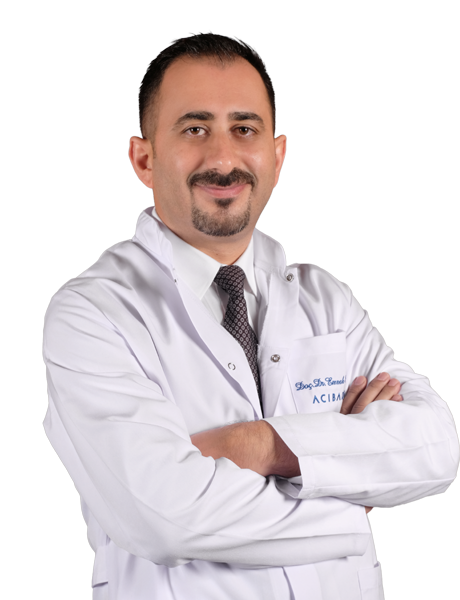
Electrophysiologist

Key Takeaways
- Electrophysiologists focus on the electrical system that controls heartbeat rhythm.
- Symptoms such as palpitations, fainting, dizziness, or unexplained shortness of breath may warrant evaluation.
- Diagnosis may include ECG, Holter monitoring, event recording, and an electrophysiology study.
- Treatment can involve lifestyle changes, medications, procedures such as ablation, or device therapy.
- A clear follow-up plan matters, especially for patients traveling from another country for care.
An electrophysiologist is a cardiology specialist who diagnoses and treats heart rhythm problems, also called arrhythmias. This article explains what they do, which symptoms may suggest a rhythm disorder, and how evaluation and treatment are typically planned.
Overview
An electrophysiologist is a cardiologist with additional training in the heart’s electrical activity. While general cardiology often focuses on the structure and pumping function of the heart, electrophysiology looks closely at how the heartbeat is started, coordinated, and sometimes disrupted.
That distinction matters because rhythm problems can feel unpredictable. Some people notice a racing heartbeat only once in a while, while others develop repeated episodes of fluttering, skipping, or sudden faintness. An electrophysiologist helps identify whether those symptoms come from a specific arrhythmia and what type of treatment is most suitable.
For international patients, this specialty often becomes relevant after an initial ECG, urgent care visit, or cardiology consultation raises the possibility of an electrical rhythm issue. In that setting, the role of the specialist is not only to confirm the diagnosis but also to map out a practical plan that fits the person’s daily life, travel schedule, and follow-up needs.
Symptoms
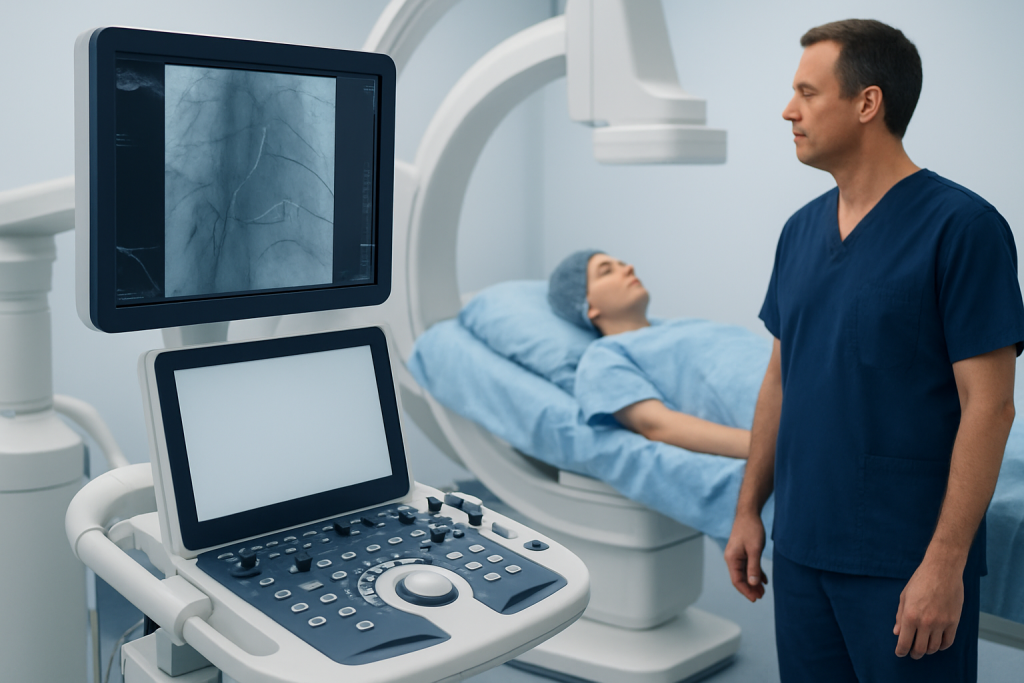
Arrhythmias do not always cause obvious signs, but when they do, the pattern can be quite varied. Some people describe palpitations as a pounding, fluttering, or skipped-beat sensation. Others feel their heart suddenly accelerate, slow down, or beat irregularly for a few seconds or longer.
More concerning symptoms may include dizziness, near-fainting, fainting, unusual fatigue, chest discomfort, or shortness of breath. In some cases, a rhythm problem is found after a routine exam or an ECG performed for another reason, especially if the abnormal rhythm comes and goes.
- Palpitations or awareness of the heartbeat
- Fast, slow, or irregular pulse
- Lightheadedness or fainting
- Breathlessness with minimal activity
- Reduced exercise tolerance or sudden fatigue
Because these symptoms can also be related to anxiety, anemia, thyroid problems, or medication effects, a careful evaluation is important. An electrophysiologist helps sort out whether the heart’s electrical system is truly involved.
Causes & Risk Factors

Heart rhythm disorders can arise from many different pathways. Some are linked to the upper chambers of the heart, such as atrial fibrillation or atrial flutter. Others begin in the lower chambers, including certain types of tachycardia or ventricular arrhythmias. The underlying cause may be a short-lived trigger, a long-standing electrical tendency, or a combination of both.
Risk factors can include coronary artery disease, heart valve problems, high blood pressure, heart failure, prior heart surgery, inherited rhythm disorders, sleep apnea, thyroid imbalance, and certain stimulants or medications. In some people, no single cause is found, which can be frustrating but is not unusual.
Age, family history, and lifestyle exposures also play a part. For example, heavy alcohol intake, dehydration, poor sleep, and untreated stress may all make palpitations more noticeable or more frequent. The specialist’s job is to look beyond the symptom itself and identify the setting in which it appears.
Diagnosis
Diagnosis usually starts with a detailed history. The electrophysiologist will want to know what the sensation feels like, how long it lasts, what seems to trigger it, and whether it is associated with fainting, chest pain, or shortness of breath. A family history of sudden cardiac death or inherited rhythm disease is especially important.
Common tests often begin with an electrocardiogram, or ECG, which records the heart’s electrical pattern at one moment in time. Because many rhythm problems are intermittent, the specialist may recommend ambulatory monitoring such as a Holter monitor, a patch monitor, or an event recorder to capture episodes over a longer period.
Depending on the situation, further testing may include an echocardiogram to assess heart structure, blood tests to look for contributing conditions, stress testing, or an electrophysiology study. In an electrophysiology study, thin catheters are placed in the heart to measure and analyze the electrical pathways more directly. This is usually considered when the diagnosis is unclear or when a procedure such as ablation may be appropriate.
For patients coming from abroad, planning also includes reviewing previous records, medication lists, and any device information if a pacemaker or defibrillator is already in place. Bringing older ECGs or hospital reports can make the evaluation smoother and help avoid repeating tests unnecessarily.
Treatment Options
Treatment is tailored to the type of arrhythmia, the severity of symptoms, and whether there is underlying heart disease. Some rhythm problems are best managed by addressing reversible triggers such as dehydration, sleep loss, electrolyte imbalance, thyroid disease, or medication side effects. In milder cases, observation may be appropriate if the rhythm disturbance is not dangerous and symptoms are limited.
Medication is often used to slow a rapid heart rate, prevent recurrent episodes, or reduce the risk of complications such as stroke in certain atrial arrhythmias. The exact choice depends on the rhythm pattern and the person’s overall health. Because treatment decisions are individualized, patients should ask how each option may affect everyday activities, travel plans, and follow-up needs.
For some arrhythmias, catheter ablation offers a more definitive approach. During this procedure, the specialist uses catheters to locate the area of abnormal electrical activity and treat it so the incorrect signal is less likely to recur. Not every patient is a candidate, but for selected rhythm disorders, ablation can be an important option.
Device-based treatments may also be recommended in certain situations. A pacemaker can help if the heart beats too slowly, while an implantable cardioverter-defibrillator may be considered for some patients at risk of life-threatening ventricular arrhythmias. These decisions are made after careful risk assessment and discussion of long-term follow-up.
Prevention & Self-care
Not every arrhythmia can be prevented, especially when it is tied to a structural heart condition or inherited electrical disorder. Even so, many patients benefit from practical steps that reduce symptom burden and support heart health. The goal is not perfection; it is consistency.
General heart-healthy habits include staying hydrated, sleeping regularly, limiting excess alcohol, avoiding recreational drugs, and using stimulants such as caffeine with awareness of personal tolerance. If a person has been told to monitor blood pressure, manage diabetes, or treat sleep apnea, those measures can also help reduce strain on the heart.
- Take prescribed medicines exactly as directed
- Keep a symptom diary with time, trigger, and duration
- Use a smartwatch or pulse check only as a clue, not a diagnosis
- Ask before starting supplements or over-the-counter stimulants
- Plan follow-up appointments, especially after a procedure or device change
Patients traveling internationally for care may also need a simple aftercare plan in writing. That plan should explain whom to contact if symptoms recur, when to resume travel, and how records will be shared with the home-country doctor after returning.
When to See a Doctor
A doctor should be consulted if palpitations are new, recurring, or associated with dizziness, fainting, chest discomfort, or shortness of breath. An electrophysiologist is especially useful when a cardiologist suspects that symptoms are coming from an electrical rhythm disorder rather than a purely structural problem.
Urgent evaluation is needed if fainting occurs during exertion, if chest pain is severe, if breathing becomes difficult, or if the heart rate remains very fast or very slow with symptoms. These situations deserve prompt medical attention because rhythm disturbances can sometimes need immediate treatment.
Even when symptoms are mild, it is worth seeking expert review if they interfere with sleep, work, exercise, or travel. A clear diagnosis can reduce uncertainty and help patients decide whether reassurance, monitoring, medicine, or a procedure is the best next step. At Acibadem Health Point, multidisciplinary specialists and JCI-accredited hospitals diagnose and treat heart rhythm conditions for international patients with coordinated care and follow-up planning.
Living with a Rhythm Disorder
Many people with arrhythmias continue to work, travel, and exercise safely once their condition is understood and managed. The key is to know which symptoms are expected, which activities are suitable, and what changes should trigger a reassessment. That clarity often improves confidence as much as it improves health.
Patients who have had ablation, device implantation, or medication adjustments may need periodic checks to make sure treatment remains effective. If care spans more than one country, it helps to keep a concise medical summary, test results, and device cards in one place so future doctors can review the history quickly.
With accurate diagnosis and thoughtful follow-up, an electrophysiologist can help turn an unsettling heartbeat pattern into a manageable condition. For many patients, the most reassuring part of care is finally understanding what the rhythm is doing and why.
Frequently asked questions
What does an electrophysiologist do?
An electrophysiologist is a cardiologist who specializes in the heart’s electrical system and the diagnosis and treatment of arrhythmias. This includes evaluating palpitations, fainting, and irregular heart rhythms, then recommending monitoring, medication, procedures, or devices when needed.
Is an electrophysiologist the same as a cardiologist?
An electrophysiologist is a type of cardiologist, but with added training in rhythm disorders. General cardiology covers broader heart conditions, while electrophysiology focuses on the electrical causes of abnormal heartbeat patterns.
What tests might an electrophysiologist order?
Common tests include an ECG, Holter or event monitoring, echocardiography, and blood tests. In some cases, an electrophysiology study is recommended to examine the heart’s electrical pathways more directly.
When is catheter ablation considered?
Catheter ablation may be considered when a rhythm problem keeps returning, causes significant symptoms, or does not respond well to medicines. The decision depends on the exact arrhythmia, the person’s heart health, and the balance of expected benefit and risk.
Can heart rhythm problems go away on their own?
Some episodes are brief and may not recur, especially if they are linked to a temporary trigger such as dehydration or stress. However, recurring symptoms should still be evaluated so a doctor can determine whether a lasting arrhythmia is present.
Should a patient seek care abroad for an electrophysiology problem?
Some patients choose international care when they need specialist evaluation, advanced testing, or a procedure that is not easily arranged at home. If doing so, it helps to bring prior ECGs, medication lists, and hospital reports so the receiving team can build a complete picture quickly.
References
- American Heart Association
- Heart Rhythm Society
- National Heart, Lung, and Blood Institute
- Mayo Clinic
This article is for general information only and is not a substitute for professional medical advice. Please consult a qualified doctor about your individual situation.