Femoral Artery

Key Takeaways
- The femoral artery is a major vessel that carries oxygen-rich blood to the lower limb.
- Narrowing or blockage may cause leg pain, coldness, weakness, or changes in skin color.
- Risk increases with smoking, diabetes, high blood pressure, high cholesterol, and vascular disease elsewhere.
- Diagnosis often includes a physical exam, pulse checks, ultrasound, CT angiography, or other imaging.
- Treatment may involve lifestyle changes, medicines, and sometimes minimally invasive or surgical procedures.
- Urgent care is important for sudden severe leg pain, a cold limb, or signs of poor blood flow.
The femoral artery is one of the body’s main blood vessels to the leg, and its health matters for walking, healing, and overall circulation. When it becomes narrowed, blocked, or injured, symptoms can range from leg pain to reduced pulses, and timely evaluation helps guide safe treatment.
Overview
The femoral artery is the main artery running through the upper thigh. It is a major highway for oxygen-rich blood traveling from the abdomen into the leg, and it continues to supply much of the lower limb through its branches. Because of that central role, doctors pay close attention to the femoral artery when they assess circulation in the legs.
Many people first hear the term during a scan, a pulse check, or a procedure such as angiography or catheter placement. In patient discussions, the femoral artery can also come up when there is concern about peripheral artery disease, an injury, or a blockage that may be affecting leg comfort or mobility.
For international patients, understanding this vessel before traveling for care can make appointments easier to follow. It helps to know that femoral artery problems are often evaluated step by step, with a focus on circulation, symptoms, and the safest treatment path for the individual.
Symptoms
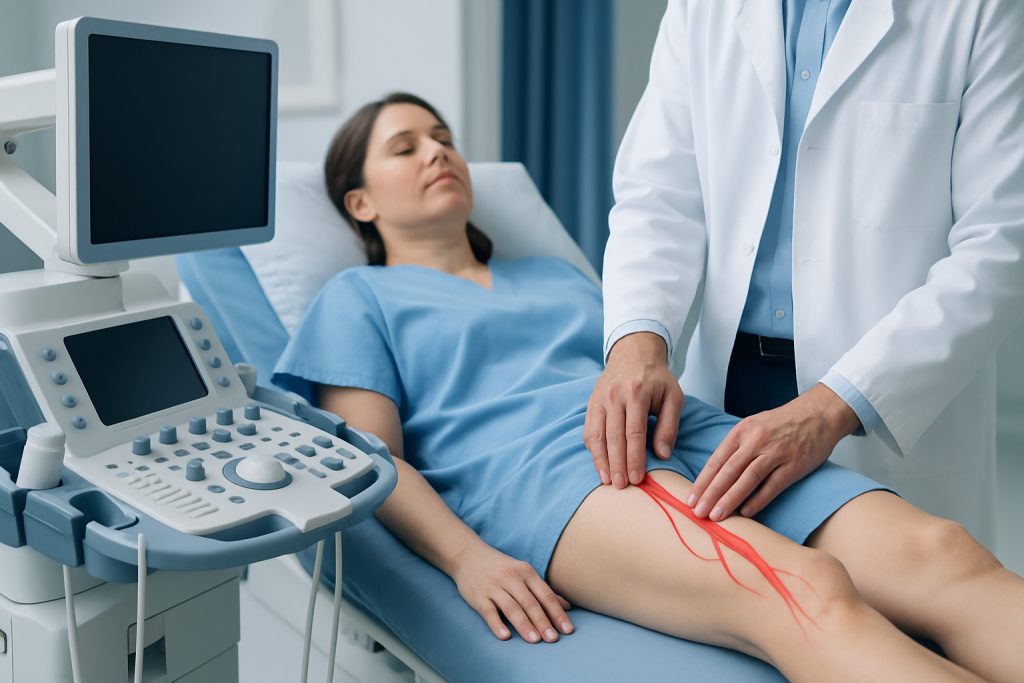
Femoral artery problems do not always cause obvious symptoms at first. When blood flow is reduced, the leg may feel tired or painful during walking, especially in the thigh or calf. Some people notice that one leg feels colder than the other, or that the skin looks paler or bluer than usual.
As circulation becomes more limited, symptoms can become more noticeable and affect day-to-day activities. A weak pulse in the groin or lower leg, slow-healing wounds on the foot, numbness, or cramping during activity may all suggest poor blood flow.
Warning signs deserve careful attention when they appear suddenly. These can include severe leg pain, a cold or pale limb, sudden weakness, or loss of sensation. Those changes can signal an urgent circulation problem and should be assessed quickly.
- Pain in the thigh or calf while walking
- Coldness or color change in one leg
- Weak or hard-to-feel pulses
- Slow-healing sores on the foot or toes
- Numbness, weakness, or sudden severe pain
Causes & Risk Factors
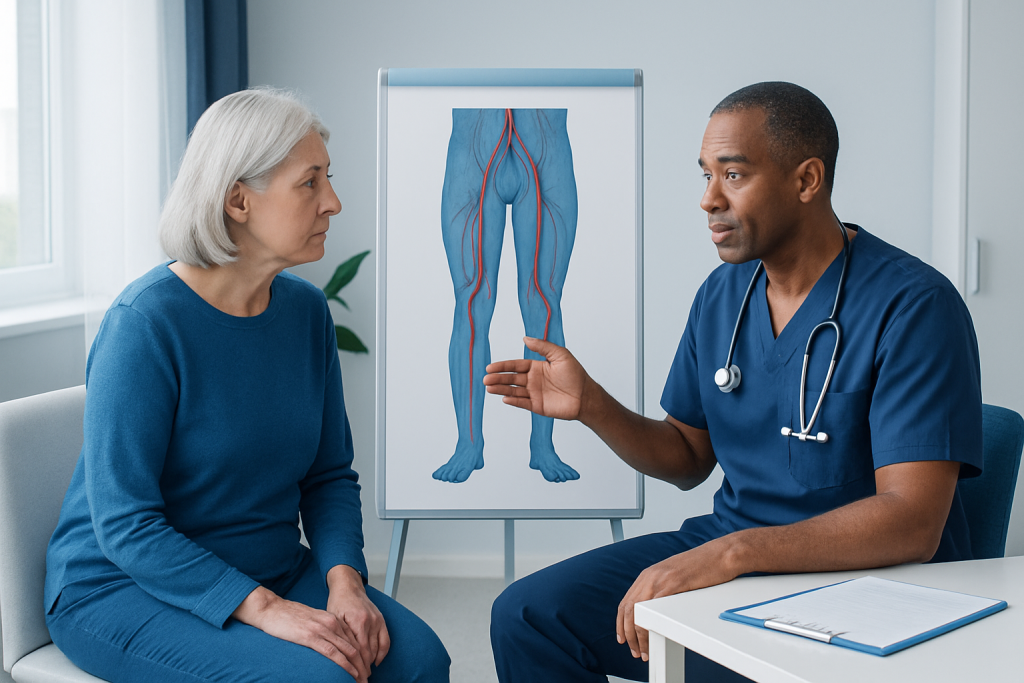
The most common reason the femoral artery narrows over time is atherosclerosis, a build-up of fatty material and plaque inside the artery wall. This process can reduce blood flow and may also affect other arteries in the body. When the same condition involves the leg arteries, it is often discussed as peripheral artery disease.
Some femoral artery problems are linked to injury, medical procedures, or blood clots. The artery may also become narrowed at the site of prior catheter access, or it may be affected by inflammation or unusual vessel disorders, though these are less common. In some cases, the issue is not a long-term narrowing but an acute blockage that develops more suddenly.
Certain factors make femoral artery disease more likely. Smoking, diabetes, high blood pressure, high cholesterol, older age, kidney disease, obesity, and a family history of vascular disease can all raise risk. People who already have heart disease or disease in the carotid arteries may also be more likely to have circulation problems in the legs.
Diagnosis
Diagnosis usually begins with a careful history and physical examination. A clinician will ask about walking pain, changes in skin temperature or color, prior vascular procedures, smoking history, and other medical conditions that affect blood vessels.
During the exam, the doctor may feel for pulses in the groin, thigh, foot, and ankle, and may compare the two legs. If circulation problems are suspected, imaging tests can help show how well blood is flowing and where narrowing or blockage may be located.
Common tests include Doppler ultrasound, which checks blood flow, and CT angiography or MR angiography, which create detailed pictures of the arteries. In some situations, a catheter-based angiogram is used because it can show the vessel clearly and may allow treatment during the same procedure.
For patients arranging care from another country, the diagnostic plan is often designed to be efficient. A doctor may combine examination, imaging, and treatment planning so the evaluation can be completed in a coordinated way without unnecessary delays.
Treatment Options
Treatment depends on the cause, how much blood flow is affected, and how severe the symptoms are. When narrowing is mild, doctors may first recommend risk-factor control, supervised exercise, and medicines that support circulation and lower cardiovascular risk.
If blood flow is significantly restricted, a minimally invasive procedure may be suggested. Angioplasty uses a balloon to widen the narrowed artery, and a stent may be placed to help keep it open in selected cases. When disease is extensive or anatomy is more complex, surgery such as bypass may be considered.
If the issue is a blood clot or an acute blockage, treatment can be time-sensitive and may include clot-directed therapy, anticoagulation, or urgent intervention. The choice depends on how quickly symptoms developed and whether the limb is at risk.
Recovery plans usually include follow-up visits, medication review, and ongoing monitoring of pulses and symptoms. For international patients, this may also involve planning before travel, instructions for activity after treatment, and coordination with a local doctor once the patient returns home.
Prevention & Self-care
Protecting the femoral artery is largely about protecting the body’s overall vascular health. Stopping smoking is one of the most important steps, since tobacco use strongly damages blood vessels. Managing diabetes, blood pressure, and cholesterol also helps slow artery disease.
Regular movement supports circulation, even if walking needs to be built up gradually. A doctor may recommend a walking plan that balances activity with rest, especially for people who feel leg pain during exertion. Good foot care matters too, because reduced circulation can make small injuries heal more slowly.
Practical self-care also includes taking prescribed medicines consistently, attending follow-up appointments, and reporting new symptoms early. People who travel for treatment should keep copies of scan reports, medication lists, and procedure details, as these make later care easier to coordinate.
- Do not smoke or use tobacco products
- Follow a heart-healthy eating pattern
- Stay active as advised by a clinician
- Protect feet from injury and inspect them regularly
- Take vascular medicines exactly as prescribed
When to See a Doctor
Medical review is a good idea if leg pain keeps returning during walking, if one leg feels consistently colder than the other, or if the pulse in the groin or foot seems weaker than expected. Changes that develop gradually still deserve assessment, because early treatment can reduce the chance of progression.
Urgent evaluation is important if the leg becomes suddenly painful, pale, numb, or cold, or if there is sudden weakness. A fast change in circulation can threaten the limb and should not be watched at home.
People with diabetes, smoking history, known artery disease, or prior vascular procedures should seek care promptly for any new leg symptom. Acibadem Health Point’s multidisciplinary specialists and JCI-accredited hospitals diagnose and treat femoral artery conditions for international patients, with coordinated care that can support both treatment and follow-up planning.
Frequently asked questions
What does the femoral artery do?
The femoral artery carries oxygen-rich blood to the thigh and much of the leg. Because it is one of the body’s major leg arteries, problems in this vessel can affect walking, wound healing, and limb comfort.
How is femoral artery disease different from general leg pain?
Femoral artery disease is caused by reduced blood flow, while leg pain can also come from muscles, nerves, joints, or the spine. Symptoms such as pain during walking, cold skin, or weak pulses make circulation problems more likely and worth checking.
Can a blocked femoral artery be treated without surgery?
Yes, in many cases treatment does not require open surgery. Depending on the situation, doctors may recommend medicines, exercise-based rehabilitation, angioplasty, or stenting, with surgery reserved for selected cases.
Is a femoral artery problem always an emergency?
Not always. Gradual symptoms such as walking pain are usually evaluated in a planned medical visit, but sudden severe pain, numbness, or a cold leg should be treated urgently because blood flow may be severely reduced.
What tests are commonly used to check the femoral artery?
Doctors often start with a physical exam and pulse check, then use ultrasound or imaging such as CT angiography if more detail is needed. In some cases, an angiogram is used because it can show the artery clearly and may lead directly to treatment.
Can lifestyle changes really help the femoral artery?
Yes. Stopping smoking, staying active, and controlling diabetes, blood pressure, and cholesterol can all help slow artery disease. These steps work best when combined with medical follow-up and any prescribed treatment.
References
- American Heart Association
- Society for Vascular Surgery
- Mayo Clinic
- National Heart, Lung, and Blood Institute
- World Health Organization
This article is for general information only and is not a substitute for professional medical advice. Please consult a qualified doctor about your individual situation.