Arrhythmia And

Key Takeaways
- Arrhythmia describes any abnormal heart rhythm, including fast, slow, or uneven patterns.
- Symptoms can range from none at all to palpitations, dizziness, shortness of breath, or fainting.
- Causes may include heart disease, thyroid problems, electrolyte imbalance, stress, certain medications, or lifestyle factors.
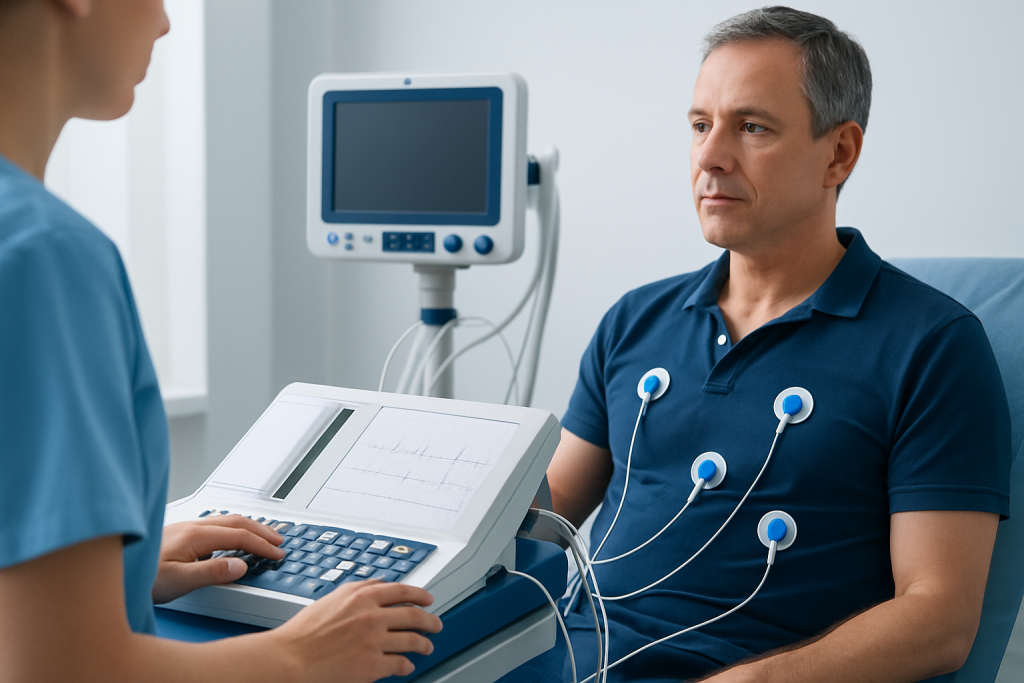
- Diagnosis usually involves an ECG, heart monitoring, and tests to look for underlying causes.
- Treatment depends on the type and cause and may include observation, medication, procedures, or lifestyle changes.
Arrhythmia is a broad term for heart rhythms that are too fast, too slow, or irregular. Some arrhythmias are harmless, while others need timely evaluation to reduce the risk of complications and guide the right treatment.
Overview
Arrhythmia is the medical term for a heart rhythm that does not follow the usual steady pattern. The heartbeat may be too fast, too slow, or simply uneven. For some people, this is noticed as a brief fluttering feeling in the chest. For others, it is discovered during a routine checkup or while testing for a different concern.
Not every arrhythmia is dangerous. In fact, some are short-lived and do not require treatment. Others can affect how well the heart pumps blood and may need closer attention. Understanding the difference is important, especially for people who are traveling for care and want to make sense of test results, treatment plans, and follow-up from abroad.
Arrhythmia is not a single disease. It is a broad description that includes many rhythm problems, such as atrial fibrillation, supraventricular tachycardia, bradycardia, and ventricular arrhythmias. The best treatment depends on what type is present, what is causing it, and whether the heart is otherwise healthy.
Symptoms
Some people with arrhythmia feel nothing unusual. In these cases, the rhythm issue may only appear on a medical test. When symptoms do happen, they can be subtle or intermittent, which is one reason people may delay seeking care.
Common symptoms include:
- Fluttering, racing, or pounding heartbeats
- Chest discomfort or an unusual awareness of the heartbeat
- Shortness of breath, especially during activity
- Dizziness or lightheadedness
- Fatigue or reduced exercise tolerance
- Fainting or near-fainting in some cases
The pattern of symptoms can offer clues, but it does not confirm the diagnosis on its own. A person may notice episodes only during stress, after caffeine, while resting, or at night. This timing can help clinicians decide which tests are most useful.
Causes & Risk Factors

Arrhythmia can develop when the electrical signals that coordinate the heartbeat are disrupted. Sometimes this happens without a clear trigger, but often there is an underlying factor that can be identified and addressed. Looking for the cause is a key part of care, because the rhythm problem may improve when the trigger is treated.
Possible causes and risk factors include:
- Coronary artery disease, heart attack, or heart failure
- High blood pressure or structural heart changes
- Thyroid disorders
- Electrolyte imbalances, such as low potassium or magnesium
- Sleep apnea
- Infections, fever, or physical stress
- Certain medications and stimulants
- Alcohol, nicotine, or recreational drug use
- Family history of rhythm disorders
Age can also matter, as some arrhythmias become more common over time. However, younger adults can also experience rhythm problems, especially when there is a genetic tendency, a thyroid issue, or intense stimulant use. International patients often arrive with older test records, and reviewing those details can help a specialist understand whether the rhythm change is new or part of a longer pattern.
Diagnosis
Diagnosing arrhythmia usually begins with a careful history and physical examination. A clinician will ask about symptoms, timing, medications, caffeine or alcohol use, prior heart disease, and any family history of rhythm problems or sudden cardiac events. Because arrhythmia may come and go, the diagnosis often depends on capturing the rhythm at the right moment.
Common tests include:
- Electrocardiogram (ECG or EKG)
- Holter monitor or other ambulatory heart monitor
- Blood tests to check thyroid function and electrolytes
- Echocardiogram to assess the heart’s structure and pumping function
- Exercise testing in selected cases
Some patients need longer monitoring if symptoms are infrequent. Others may require referral to a cardiologist or electrophysiologist, a specialist in heart rhythm disorders. For people planning treatment while abroad, it is often helpful to bring prior ECGs, medication lists, discharge summaries, and any imaging reports so the new care team can compare results and avoid repeating tests unnecessarily.
Treatment Options
Treatment is tailored to the type of arrhythmia, the symptoms it causes, and whether there is an underlying heart condition. In some cases, the main approach is observation and follow-up. In others, treatment is needed to control the rhythm, slow the heart rate, prevent complications, or restore a normal pattern.
Options may include:
- Lifestyle changes, such as reducing stimulants or addressing sleep apnea
- Medicines to control heart rate or rhythm
- Medications to reduce clot risk in selected arrhythmias, such as atrial fibrillation
- Cardioversion to reset the heart rhythm in appropriate cases
- Catheter ablation for certain recurrent rhythm problems
- Pacemaker or implantable device therapy when the heart beats too slowly or dangerously irregularly
People sometimes worry that treatment automatically means a major procedure, but that is not always the case. Many arrhythmias are managed with monitoring and medicine alone. When a procedure is recommended, the decision usually follows a detailed discussion of benefits, risks, recovery time, and how follow-up will work after the patient returns home.
Recovery planning is especially important for international patients. Rhythm care may include repeated checks, device follow-up, or medication adjustments over time, so a clear aftercare plan can make treatment safer and easier to continue in another country.
Prevention & Self-care
Not every arrhythmia can be prevented, especially when the cause is related to inherited heart conditions or age-related changes. Still, many people can lower their risk of triggers and support heart health by making practical, sustainable changes.
Helpful self-care steps include:
- Taking prescribed medicines consistently
- Limiting excess caffeine, alcohol, nicotine, and recreational drugs
- Managing blood pressure, diabetes, and cholesterol
- Getting evaluated for snoring or possible sleep apnea
- Staying hydrated, especially during illness or travel
- Keeping follow-up appointments and monitoring symptoms
It can also help to track episodes in a simple notebook or phone note, including the time, activity, symptoms, and anything that seemed to trigger them. This information can be valuable during consultations, particularly when care is coordinated across borders and the clinician needs to piece together events from different settings.
When to See a Doctor
Medical review is appropriate whenever palpitations are new, frequent, or bothersome, especially if they are accompanied by dizziness, shortness of breath, chest discomfort, or fainting. Even when symptoms seem mild, an evaluation can be useful because rhythm problems are not always predictable from how they feel.
Prompt care is especially important if a person has known heart disease, a history of stroke, a pacemaker or implanted device, or a family history of serious rhythm disorders. The same applies if an arrhythmia begins after starting a new medicine or using a stimulant, because the trigger may be modifiable.
Emergency care is needed for severe chest pain, collapse, ongoing shortness of breath, or fainting that does not resolve quickly. For international patients seeking a second opinion or coordinated treatment, Acibadem Health Point works with multidisciplinary specialists in JCI-accredited hospitals to diagnose and treat arrhythmia in a structured, patient-focused way.
Living With Arrhythmia
Many people live well with arrhythmia once the rhythm type is identified and a suitable plan is in place. The most important step is understanding whether the arrhythmia is likely to remain stable, needs medication, or should be treated with a procedure. That clarity can reduce anxiety and make daily decisions easier.
Follow-up matters because rhythm patterns can change over time. A person may feel well for months and then notice new symptoms if a medication needs adjustment or another condition develops. Regular review also helps clinicians check for side effects, blood pressure changes, and any new signs that the heart’s structure or function has changed.
Patients who travel for treatment often benefit from a written summary that includes the diagnosis, test results, medicine list, and the next steps. That record can be shared with local doctors at home and makes continuity of care much smoother.
Frequently asked questions
What is the difference between arrhythmia and palpitations?
Arrhythmia is the actual abnormal heart rhythm, while palpitations are the sensation of noticing the heartbeat. A person can have palpitations without a dangerous rhythm problem, and an arrhythmia can sometimes occur without any noticeable symptoms. Evaluation helps determine which is present.
Can arrhythmia be harmless?
Yes, some arrhythmias are brief and do not cause harm, especially when the heart is otherwise healthy. Others can be more serious or lead to complications over time. The type of arrhythmia and the person’s overall heart health guide the decision about treatment.
How is arrhythmia usually found?
It is often diagnosed with an ECG, but because some rhythm changes are intermittent, longer monitoring may be needed. Blood tests and an echocardiogram may also be used to look for contributing causes or structural heart problems. The best test depends on the symptom pattern.
Can stress cause arrhythmia?
Stress can trigger palpitations and may make some rhythm issues more noticeable. It is not the only cause, and symptoms should not be assumed to be stress-related without evaluation. A clinician can help distinguish stress-related sensations from a true arrhythmia.
Will treatment always involve surgery?
No, many arrhythmias are managed with lifestyle changes, monitoring, or medication. Procedures such as ablation or device implantation are considered when they are the best fit for the specific rhythm problem. Treatment is individualized rather than automatic.
What information should a traveling patient bring to an arrhythmia appointment?
Prior ECGs, monitor reports, echocardiogram results, medication lists, and any hospital discharge summaries are especially helpful. A simple symptom diary can also be useful if episodes are intermittent. These records help the new care team make decisions faster and avoid unnecessary duplication.
References
- American Heart Association
- National Heart, Lung, and Blood Institute
- Mayo Clinic
- European Society of Cardiology
- NHS
This article is for general information only and is not a substitute for professional medical advice. Please consult a qualified doctor about your individual situation.