Diverticulitis Diet: Foods to Eat and Avoid

Key Takeaways
- Diet recommendations can differ between an active flare and recovery, so timing matters.
- Short-term low-fiber or clear-liquid eating may be advised when symptoms are more painful.
- Fiber is often increased later, once inflammation has settled and a clinician agrees it is appropriate.
- Hydration, gentle meals, and symptom tracking can make day-to-day eating easier.
- Some symptoms need medical assessment rather than home diet changes alone.
Medically reviewed by the Acıbadem clinical team — August 19, 2026
A diverticulitis diet is usually adjusted in phases, depending on whether symptoms are active or settling down. The right food choices can help the bowel rest during a flare and support a gradual return to regular eating afterward.
Overview
Diverticulitis happens when small pouch-like areas in the colon become inflamed or infected. Food cannot cause or cure the condition on its own, but eating patterns can influence how comfortable the bowel feels while it is healing.
The phrase diverticulitis diet usually refers to a temporary eating plan that changes with the stage of illness. During a flare, the goal is often to reduce bowel stimulation and make digestion easier. As symptoms improve, the focus shifts toward rebuilding a balanced, fiber-aware routine that supports regular bowel function.
For someone planning care from another country, the diet conversation is often practical and personal: what can be eaten during travel, what foods are available after treatment, and how quickly normal meals can return. A clinician’s guidance matters because the best plan depends on symptoms, imaging findings, and overall health.
Symptoms and How Eating May Be Affected
The most common symptoms of diverticulitis include lower abdominal pain, tenderness, fever, nausea, and a change in bowel habits. Some people notice constipation, while others may have diarrhea or bloating. Eating may feel uncomfortable when the bowel is inflamed, so appetite often drops naturally.
Because the condition can look different from one person to another, diet advice is not one-size-fits-all. A person with mild symptoms may tolerate soft foods, while someone with more pronounced pain may need only clear liquids for a short period. The point is not strict restriction for its own sake; it is to choose foods that match the bowel’s current level of irritation.
If pain becomes severe, the abdomen feels rigid, vomiting begins, or fever persists, food changes should not replace medical care. These symptoms can signal a complication that needs prompt assessment.
Causes and Risk Factors
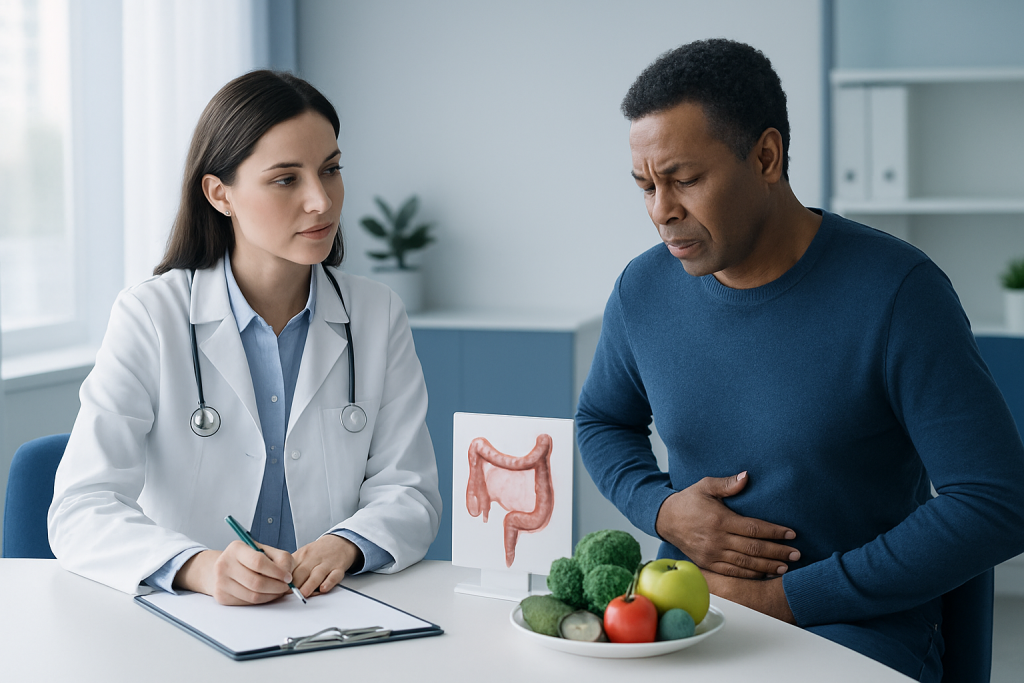
Diverticulitis develops when diverticula, which are small pouches in the colon wall, become inflamed or infected. Doctors do not believe one specific food directly causes every episode. Instead, several factors may contribute, including age, a history of diverticulosis, low physical activity, obesity, smoking, and some medication exposures.
Dietary habits matter most over time. A pattern that is very low in fiber may contribute to harder stools and increased pressure in the colon. That does not mean fiber must be increased suddenly during an active flare; timing is important, and the bowel may need gentler foods first.
People who travel for treatment often ask whether local diets or unfamiliar spices make diverticulitis worse. In most cases, it is not a single cuisine that matters, but how the body responds to meal size, fiber amount, fat content, hydration, and overall tolerance during recovery.
Diagnosis
Diverticulitis is usually diagnosed through a medical history, physical examination, blood tests, and often imaging such as a CT scan. These steps help confirm the diagnosis and rule out other causes of abdominal pain. Diet advice is safest when it follows that assessment, because symptoms that feel similar may come from different conditions.
After diagnosis, the clinician may recommend a short-term change in eating based on symptom severity. Someone with uncomplicated diverticulitis may be able to manage at home with close follow-up, while a more serious case may need hospital treatment, fluids, or antibiotics depending on the overall picture.
For international patients, diagnosis may happen before travel, during a planned consultation, or after arrival if symptoms are ongoing. Clear communication about current pain, bowel movements, fevers, and what foods are tolerated helps the care team choose the right next step.
Treatment Options
Treatment for diverticulitis is individualized. Many people are advised to rest the bowel temporarily with a clear-liquid or low-fiber approach, especially if they are in the early phase of a flare. As pain improves and the clinician agrees, soft foods are usually added back gradually.
Foods commonly chosen during the gentlest phase include broth, strained soups, gelatin, oral rehydration fluids, juice without pulp, and other easy-to-digest liquids. As symptoms settle, a person may move toward yogurt if tolerated, eggs, white rice, toast, applesauce, pasta, potatoes without heavy skins, and other mild foods.
Once recovery is underway, many people are encouraged to return to a higher-fiber pattern. This may include oats, beans, lentils, vegetables, fruit, and whole grains, introduced slowly and with enough water. Fiber is not a treatment for the acute flare itself, but it can support bowel regularity over the long term when reintroduced at the right time.
- During a flare: follow the clinician’s guidance on liquids or low-fiber meals.
- After symptoms ease: add soft, bland foods first, then broaden the diet.
- For long-term habits: build fiber gradually rather than all at once.
- Stay hydrated, especially if eating less or traveling.
Prevention and Self-care
No diet can promise that diverticulitis will never return, but everyday habits can support bowel health. A steady intake of fiber, enough water, regular movement, and attention to constipation are common parts of prevention once the acute episode has passed.
Self-care also means eating in a way that fits the person’s routine. Large meals, dehydration, and sudden diet changes during travel can make digestion less predictable. Many patients do better with smaller meals, slower eating, and a gradual reintroduction of new foods after a flare.
Some people worry about seeds, nuts, corn, or popcorn. Current guidance does not support routine avoidance of these foods for everyone, but individual tolerance still matters. If a particular food repeatedly triggers discomfort, it is reasonable to discuss it with a clinician or dietitian rather than assuming it must be eliminated forever.
When to See a Doctor
Medical advice should be sought if abdominal pain is new, persistent, or worsening, especially when it is focused in the lower left side of the abdomen. Fever, vomiting, inability to keep fluids down, rectal bleeding, or a swollen, hard abdomen also deserve prompt assessment. These symptoms are not the right moment to experiment with diet alone.
A doctor should also be consulted if the diagnosis of diverticulitis has not been confirmed before, if symptoms are recurring, or if eating becomes difficult enough to cause dehydration or weakness. Older adults and people with other health conditions may need more careful monitoring.
For patients traveling internationally, it is sensible to arrange follow-up before resuming full activity or long flights if symptoms have only recently improved. Acibadem Health Point’s multidisciplinary specialists and JCI-accredited hospitals can diagnose and treat diverticulitis for international patients, with care plans that can include both medical treatment and nutrition guidance. The most reliable plan is always one tailored to the individual’s symptoms and medical history.
Returning to Normal Eating After a Flare
Many patients want to know when they can “eat normally” again. The answer depends on how quickly symptoms settle and what the treating doctor advises. In general, the return to a regular diet is gradual, not abrupt, because the bowel may remain sensitive for a while after the worst pain has passed.
A practical approach is to expand meals in layers: liquids first if needed, then soft low-fiber foods, then a broader mix of cooked vegetables, grains, fruits, and proteins. Keeping a simple food and symptom note can be useful, especially when recovering away from home and trying to make sense of what the body tolerates best.
The goal is not permanent food fear. It is to arrive at a stable eating pattern that supports comfort, bowel regularity, and confidence. With the right timing, most people can move beyond a flare and return to a varied, balanced diet.
Frequently asked questions
What is the best diet during a diverticulitis flare?
During a flare, a clinician may recommend clear liquids or a low-fiber diet for a short time, depending on symptom severity. The aim is to make digestion easier while the bowel settles. The exact plan should be guided by a doctor because symptoms and complications vary.
Can fiber help diverticulitis?
Fiber is usually helpful after the flare has improved, because it supports regular bowel movements and overall colon health. It is not usually the first choice during active inflammation. Fiber should be increased gradually and with enough fluids.
Are nuts and seeds unsafe with diverticulitis?
Routine avoidance is not generally recommended for everyone. Many people tolerate nuts, seeds, corn, and popcorn without problems once they are well. Individual symptoms still matter, so a person should follow personal tolerance and medical advice.
How long should a low-fiber diet last?
There is no single timeline for everyone. The duration depends on symptom improvement and the treating clinician’s guidance. A low-fiber diet is usually temporary and changes as recovery progresses.
Can diverticulitis be managed only by changing diet?
Diet can support comfort, but it does not replace medical evaluation or treatment when needed. Some cases need antibiotics, fluids, imaging, or hospital care. Any worsening pain, fever, vomiting, or bleeding should be assessed promptly.
What should someone eat after symptoms improve?
Soft, easy-to-digest foods are often added back first, then a wider variety of foods over time. Many people eventually return to a balanced diet that includes fiber-rich foods. A gradual approach helps the bowel adjust comfortably.
References
- National Institute of Diabetes and Digestive and Kidney Diseases
- American College of Gastroenterology
- Mayo Clinic
- NHS
- World Gastroenterology Organisation
This article is for general information only and is not a substitute for professional medical advice. Please consult a qualified doctor about your individual situation.
Persistent digestive symptoms? Get evaluated in Turkey
JCI-accredited · board-certified surgeons · reply within 24h
Add us as a Preferred Source to see more of our trusted health content across Google Search, AI Overviews and Discover.