Abdominal Pain: Causes and Treatment

Key Takeaways
- Abdominal pain can come from the stomach, intestines, gallbladder, liver, pancreas, urinary tract, reproductive organs, or muscles of the abdominal wall.
- The location, timing, and quality of the pain often provide important clues about the cause.
- Fever, repeated vomiting, blood in stool or vomit, fainting, swelling, or a rigid abdomen deserve prompt medical attention.
- Diagnosis may include a physical exam, blood tests, urine tests, imaging, or sometimes endoscopy.
- Treatment depends on the cause and may include rest, hydration, diet changes, medicines, or surgery in selected cases.
Medically reviewed by the Acıbadem clinical team — August 19, 2026
Abdominal pain is a symptom, not a diagnosis, and it can range from a temporary digestive upset to a sign of a condition that needs prompt medical care. Understanding where the pain is, how it feels, and what comes with it can help a doctor narrow the cause and choose the right treatment.
Overview
Abdominal pain is one of the most common reasons people seek medical advice because so many different organs live in the same area. The discomfort may feel sharp, dull, crampy, burning, twisting, or simply “off,” and it may stay in one place or move around.
Because the abdomen contains the digestive tract, urinary system, and reproductive organs, pain in this region does not always mean a stomach problem. It may come from constipation, gallbladder disease, an infection, a muscle strain, or a condition outside the abdomen that is referring pain into the area.
For international patients, the challenge is often deciding whether symptoms can safely wait for a scheduled appointment or need same-day assessment. A careful history and exam usually point the clinician toward the next best step, even before advanced tests are done.
Symptoms and Pain Patterns
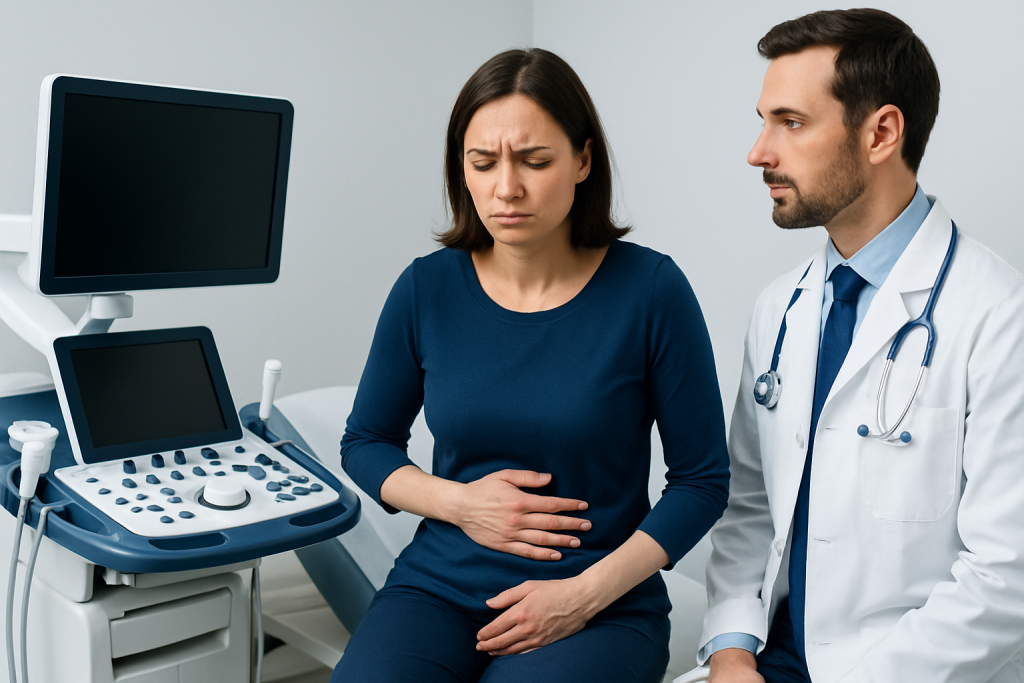
The word “abdominal pain” covers a wide range of experiences. Some people notice a bloated, heavy feeling after meals, while others describe sudden cramps, burning in the upper abdomen, or localized pain that becomes worse with movement.
Doctors often look at patterns rather than only the intensity of pain. Pain in the upper abdomen may suggest irritation of the stomach, gallbladder, or pancreas, while lower abdominal pain can involve the intestines, bladder, or pelvic organs. Pain that comes in waves may point to spasm or obstruction, whereas steady pain can suggest inflammation.
Other symptoms help complete the picture. A doctor will usually ask about fever, nausea, vomiting, diarrhea, constipation, heartburn, urinary changes, vaginal bleeding, testicular pain, weight loss, or loss of appetite. These details can make an important difference in determining the likely cause.
- Cramping with diarrhea may suggest an intestinal infection or irritation.
- Burning pain after meals may fit acid-related conditions.
- Severe pain with a hard abdomen may require urgent evaluation.
- Pain plus urinary symptoms may point to a urinary tract problem or kidney stone.
Causes and Risk Factors

Many everyday conditions can cause abdominal pain. Indigestion, gas, constipation, food intolerance, and mild viral gastroenteritis are frequent examples. In these cases, symptoms often improve with time, hydration, and gentle dietary changes.
Other causes need more careful attention. Common medical explanations include gastritis, peptic ulcer disease, gallstones, appendicitis, diverticulitis, inflammatory bowel disease, pancreatitis, hepatitis, urinary tract infection, kidney stones, and gynecologic conditions such as ovarian cysts or pelvic inflammatory disease. In some cases, abdominal pain reflects a bowel obstruction, hernia, or inflammation of the abdominal lining.
Risk factors depend on the cause. A history of abdominal surgery may increase the chance of scar-related bowel obstruction. Frequent use of anti-inflammatory medicines can irritate the stomach. A diet low in fiber, dehydration, stress, travel-related infections, and certain chronic illnesses can also make digestive pain more likely. Age, pregnancy, and a person’s medical history all shape the doctor’s level of concern.
Diagnosis
Diagnosis starts with a detailed conversation. A clinician will ask when the pain began, where it is located, how it feels, what makes it better or worse, and whether it is linked to meals, bowel movements, urination, or the menstrual cycle. Travel history, recent foods, and exposure to sick contacts may also matter.
The physical exam helps identify tenderness, swelling, guarding, bowel sounds, dehydration, or signs of jaundice. Depending on the findings, the next steps may include blood tests to check for infection, anemia, inflammation, liver or pancreatic problems, and urine tests to look for infection or stones. Pregnancy testing may be important in people who could be pregnant.
Imaging is sometimes needed when the cause is not clear or a serious condition is being considered. Ultrasound is often used for gallbladder, liver, pelvic, or pregnancy-related questions, while CT scanning can be helpful for appendicitis, bowel problems, or kidney stones. Endoscopy may be recommended if symptoms suggest an upper digestive tract problem.
For patients traveling from abroad, it can be useful to bring a medication list, prior scan reports, and any recent lab results. This can shorten the path to a diagnosis and help the medical team avoid repeating tests unnecessarily.
Treatment Options
Treatment depends entirely on the cause. Mild stomach upset may improve with rest, fluids, and temporary changes in diet, while conditions such as appendicitis, gallbladder inflammation, bowel obstruction, or perforation may require urgent hospital care and sometimes surgery. The key is matching the treatment to the reason for the pain, rather than treating every abdominal ache in the same way.
Doctors may recommend medicines to reduce acid, ease nausea, treat infection, relieve spasms, or control constipation or diarrhea when appropriate. If a bacterial infection is suspected, antibiotics may be used, but they are not helpful for every type of abdominal pain. Some conditions also need procedures, such as removal of gallstones, drainage of an abscess, or an operation to repair a hernia.
For chronic digestive conditions, treatment may involve a combination of medication, nutrition guidance, and follow-up planning. That plan can be especially important for international patients, who may need clear instructions for recovery after returning home, including warning signs, diet progression, and a timeline for local follow-up.
Prevention and Self-care
Not every cause of abdominal pain can be prevented, but a few habits can reduce common triggers. Regular meals, adequate water intake, fiber-rich foods, and physical activity often support smoother digestion and help prevent constipation. Limiting large alcohol intake and using pain relievers carefully can also protect the stomach lining.
When abdominal discomfort is mild and there are no warning signs, short-term self-care may include resting, sipping fluids, and choosing bland foods until symptoms settle. A person should avoid heavy meals, alcohol, and foods that seem to worsen the pain. If pain keeps returning, keeping a symptom diary can help identify triggers such as certain foods, stress, or meal timing.
It is best not to self-treat repeatedly without understanding the cause. Ongoing pain, especially if it changes over time, deserves medical review so that a manageable problem is not mistaken for something more serious.
- Eat smaller meals if large meals seem to trigger discomfort.
- Stay hydrated, especially during vomiting or diarrhea.
- Use medicines only as directed and avoid combining them casually.
- Seek medical advice before taking laxatives, antibiotics, or strong pain relievers for unexplained pain.
When to See a Doctor
Medical evaluation is important when abdominal pain is severe, persistent, or recurring. It should not be ignored if it prevents normal activity, wakes the person from sleep, or keeps returning without a clear explanation. Even moderate pain may need assessment if it is new and unusual for that person.
Prompt care is especially important if abdominal pain occurs with fever, repeated vomiting, dehydration, blood in the stool or vomit, black stools, chest pain, trouble breathing, fainting, yellowing of the skin or eyes, a swollen or rigid abdomen, or pain that moves to the lower right side. Pain during pregnancy, pain after injury, and sudden testicular or pelvic pain also deserve urgent attention.
Acibadem Health Point can help international patients access multidisciplinary specialists and JCI-accredited hospitals for diagnosis and treatment, with care coordinated around travel, recovery, and follow-up needs. The most important step, however, is to seek a qualified doctor promptly when the symptoms suggest more than a minor digestive upset.
Recovery and Follow-up
Recovery depends on the diagnosis. A simple viral illness may settle within days, while inflammatory bowel disease, gallbladder disease, ulcers, or surgical conditions may require longer treatment and repeated visits. Following the plan closely helps prevent symptoms from returning or worsening.
After treatment, doctors may advise a gradual return to normal food, activity, and medication routines. If a procedure or surgery was needed, patients should watch for fever, increasing pain, redness, vomiting, wound drainage, or difficulty keeping fluids down. Clear discharge instructions are especially valuable when the person is continuing recovery in another country.
Follow-up allows the medical team to confirm that symptoms are improving and that no new problem has appeared. If abdominal pain does not follow the expected course, it is worth checking again rather than assuming it will simply pass.
Frequently asked questions
What does abdominal pain usually mean?
Abdominal pain is a symptom that can come from many different organs, not just the stomach. It may be related to digestion, infection, inflammation, urinary problems, or reproductive organs. A doctor looks at the location, timing, and related symptoms to narrow the cause.
When is abdominal pain an emergency?
It can be urgent if the pain is sudden and severe, or if it comes with fever, repeated vomiting, fainting, blood in stool or vomit, a hard swollen abdomen, chest pain, or trouble breathing. Pain during pregnancy or after an injury also needs prompt assessment. When in doubt, it is safer to get evaluated early.
Can stress cause abdominal pain?
Stress can make digestive symptoms worse and may contribute to cramping, bloating, or changes in bowel habits. However, stress should not be assumed to be the only cause until more serious conditions have been considered. A medical review is sensible if the pain is new, persistent, or severe.
How do doctors find the cause of abdominal pain?
They usually begin with a history and physical examination, then add tests based on the findings. Blood work, urine tests, pregnancy testing, ultrasound, CT scans, or endoscopy may be used when needed. The goal is to match the test to the most likely cause rather than ordering everything at once.
What can a person do at home for mild abdominal pain?
If there are no warning signs, rest, fluids, and gentle foods may help for a short time. It is best to avoid alcohol, heavy meals, and medicines that could worsen the stomach unless a doctor has advised them. Persistent or recurring pain should be checked by a clinician.
Does every abdominal pain need surgery?
No. Many causes improve with simple medical treatment or time, and some only need observation and symptom relief. Surgery is reserved for specific conditions such as appendicitis, obstruction, perforation, certain gallbladder problems, or other situations where it is the safest option.
References
- World Health Organization
- National Institute of Diabetes and Digestive and Kidney Diseases
- Mayo Clinic
- NHS
- American College of Gastroenterology
This article is for general information only and is not a substitute for professional medical advice. Please consult a qualified doctor about your individual situation.
Persistent digestive symptoms? Get evaluated in Turkey
JCI-accredited · board-certified surgeons · reply within 24h
Add us as a Preferred Source to see more of our trusted health content across Google Search, AI Overviews and Discover.