Diverticulitis Treatment

Key Takeaways
- Treatment is tailored to the severity of the episode and whether complications are present.
- Mild cases may be managed with bowel rest, fluids, and close medical follow-up.
- Antibiotics or hospital care may be needed when symptoms are more significant or the person is at higher risk.
- Surgery is considered for complications, frequent recurrences, or ongoing quality-of-life problems.
- Recovery also includes diet guidance, symptom monitoring, and plans to reduce future flare-ups.
Diverticulitis treatment depends on how inflamed the bowel is, whether infection or complications are present, and how well the person can eat and manage symptoms. Many cases improve with carefully guided medical care, while more serious or recurrent episodes may need procedures or surgery.
Overview
Diverticulitis treatment is not one-size-fits-all. A doctor looks at how severe the inflammation is, whether an abscess, perforation, or blockage has developed, and whether the person is able to drink, eat, and manage pain safely at home. In some situations, a short period of rest and careful observation is enough. In others, treatment needs to begin in the hospital so the bowel can be protected and complications watched closely.
Diverticulitis begins when small pouches in the colon, called diverticula, become inflamed or infected. That inflammation can range from mild and localized to more serious episodes that spread beyond the bowel wall. Because the condition can look similar to other causes of abdominal pain, such as appendicitis, kidney stones, or bowel infection, accurate assessment is an important first step before choosing treatment.
For international patients, the treatment path often starts with a sudden change in routine: a painful abdominal flare at home, questions about whether to fly, and uncertainty about whether antibiotics, imaging, or surgery may be needed. A structured medical evaluation helps turn that uncertainty into a plan. The goal is not only to settle the current episode, but also to lower the chance of another one and support a safe return to normal eating and travel.
Symptoms
Diverticulitis symptoms often begin with pain in the lower left side of the abdomen, although some people feel it on the right side depending on the location of the diverticula. The pain may be steady and tender to touch, and it can be accompanied by fever, nausea, constipation, diarrhea, or a general sense of being unwell. Some people also notice bloating or a reduced appetite.
Symptoms do not always tell the full story. Mild diverticulitis can still be uncomfortable, while a more serious episode may not cause dramatic pain at first. Doctors pay attention to the pattern of symptoms, how quickly they developed, whether the person can keep fluids down, and whether there are signs such as worsening fever or increasing abdominal swelling.
Possible warning features include:
- Persistent or worsening abdominal pain
- Fever or chills
- Vomiting or inability to keep fluids down
- Marked constipation or no passage of gas
- Blood in the stool
- Pain that spreads or becomes severe
These symptoms do not confirm diverticulitis on their own, but they help guide urgency. A doctor may recommend prompt evaluation, especially if the pain is new, unusually strong, or different from previous digestive discomfort.
Causes & Risk Factors
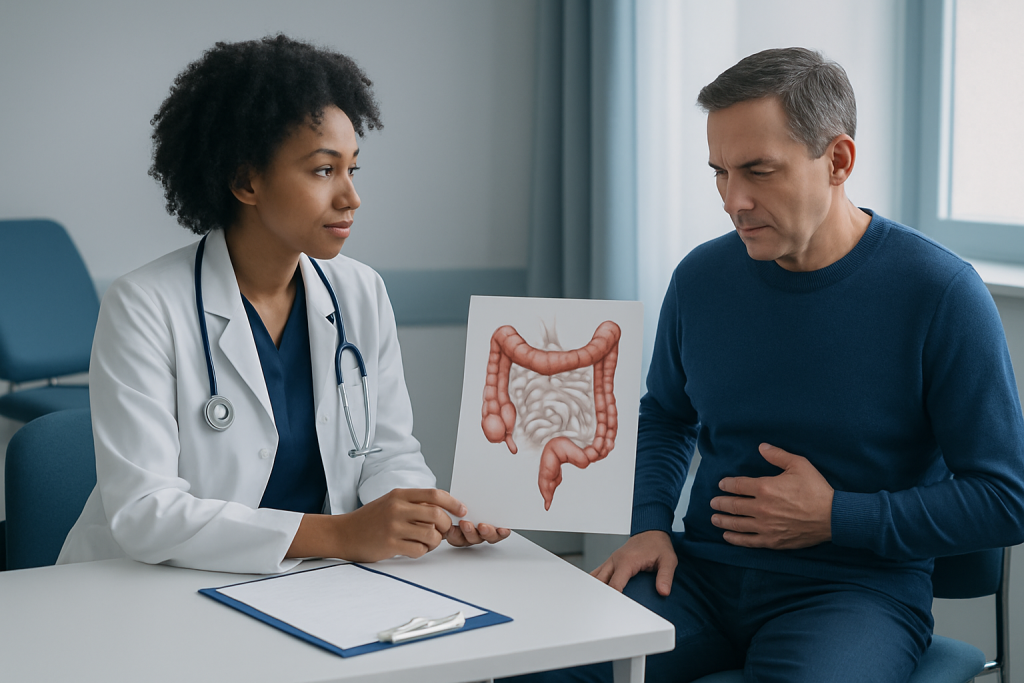
Diverticulitis occurs when diverticula become inflamed, irritated, or infected. The exact trigger is not always clear. In many people, the process appears to involve a combination of pressure within the colon, changes in the bowel lining, and altered gut bacteria. It is important to distinguish diverticulitis from diverticulosis, which means diverticula are present but not inflamed.
Several factors can make diverticulitis more likely. Age is one of the strongest associations, as diverticula become more common over time. A low-fiber eating pattern, limited physical activity, obesity, smoking, and some medications can also increase risk. A previous episode of diverticulitis may raise the chance of another one, which is one reason follow-up matters even after symptoms improve.
Risk is influenced by more than a single food or habit. A person’s overall bowel health, hydration, activity level, and medical history all matter. In clinical practice, doctors also consider whether the patient has immune system suppression, chronic kidney disease, or other conditions that could make an episode harder to recover from safely at home.
Diagnosis
Diagnosis usually begins with a detailed history and physical examination. The doctor asks where the pain is located, how long it has been present, whether there has been fever or bowel habit change, and whether any previous episodes occurred. On examination, the abdomen may be tender in one specific area, which helps narrow the possibilities.
Imaging is often needed to confirm diverticulitis and rule out complications. A CT scan of the abdomen and pelvis is commonly used because it can show inflammation, abscesses, perforation, or obstruction. Blood tests may also be ordered to look for infection or inflammation, and urine tests can help exclude other causes of pain. In selected cases, additional testing is planned after recovery rather than during the acute flare.
Not every patient needs the same tests. A clinician may take a more conservative approach in someone with mild symptoms and a clear history, while recommending broader evaluation if the presentation is unusual, severe, or not improving as expected. This individualized approach is especially valuable for patients who are traveling, since timing, access to care, and the need for follow-up all affect decisions.
Treatment Options
Treatment depends on whether the episode is uncomplicated or complicated. Uncomplicated diverticulitis may be managed with bowel rest or a temporary reduction in solid foods, hydration, pain control, and close follow-up. Some people recover at home with careful instructions, while others are better monitored in a hospital if they are dehydrated, have significant pain, or cannot tolerate oral intake.
Antibiotics may be used in some cases, especially when symptoms are more pronounced, the person has a higher risk of complications, or imaging suggests infection beyond a very mild episode. However, management is not automatically the same for every patient. Doctors balance the severity of symptoms, exam findings, and test results before deciding whether antibiotics are appropriate.
If a complication is present, treatment may become more intensive. An abscess may need drainage, which is often done with image guidance. A bowel perforation, obstruction, or widespread infection may require urgent hospital treatment and, in some cases, surgery. Surgery can also be considered for repeated episodes that affect daily life, persistent symptoms that do not settle, or cases where the bowel has been significantly damaged.
Common treatment pathways may include:
- Observation and short-term dietary modification
- Fluids and symptom control
- Antibiotics when clinically appropriate
- Hospital monitoring for severe pain, fever, or dehydration
- Drainage of an abscess
- Surgical treatment for recurrent or complicated disease
The right plan is often chosen step by step. For a patient who has traveled from another country, the medical team may also think ahead to follow-up logistics, medication access, and whether it is safe to fly before the colon has clearly settled.
Prevention & Self-care
Once the acute episode is under control, everyday habits become part of prevention. Many people do best with a balanced eating pattern that supports regular bowel movements, adequate fluids, and gradual return to normal foods as advised by their clinician. Fiber is often discussed, but the timing matters: during an active flare, some people need temporary dietary simplification before returning to a more fiber-rich pattern later.
Physical activity, smoking cessation, and maintaining a healthy weight can support long-term colon health. It is also sensible to review medications with a doctor, because some drugs may affect bowel health or bleeding risk. After recovery, clinicians may recommend a colonoscopy in selected patients to look for other conditions and to better understand the bowel once the inflammation has resolved.
Practical self-care also means knowing when to slow down. Rest, hydration, and a clear plan for symptom monitoring can prevent a mild episode from becoming more difficult to manage. Patients traveling for care may benefit from a written discharge plan, medication list, and guidance on when to seek help after returning home.
When to See a Doctor
Medical assessment is important whenever abdominal pain is persistent, severe, or accompanied by fever, vomiting, or a change in bowel habits that feels unusual. A person should not assume a flare is “just indigestion” if the pain is one-sided or steadily worsening. Early review helps confirm the diagnosis and lowers the chance of complications going unnoticed.
Urgent evaluation is especially sensible if there is a rigid abdomen, fainting, confusion, shortness of breath, black or bloody stools, or inability to keep fluids down. These signs do not always mean a major complication, but they do require prompt medical attention. People with weakened immunity, advanced age, or several medical conditions may need earlier assessment even when symptoms appear modest.
After treatment, follow-up matters just as much as the initial visit. A doctor may check that pain is improving, review diet and medication tolerance, and decide whether further testing is needed. For international patients, Acibadem Health Point’s multidisciplinary specialists and JCI-accredited hospitals can help diagnose and treat diverticulitis while coordinating care for patients coming from abroad.
Frequently asked questions
Can diverticulitis be treated without surgery?
Yes, many cases are treated without surgery, especially when the inflammation is uncomplicated and the person can safely drink fluids and follow medical advice. Doctors may recommend rest, diet changes, pain control, and sometimes antibiotics. Surgery is usually reserved for complications or repeated episodes that are difficult to manage.
Do all patients with diverticulitis need antibiotics?
No, antibiotics are not always necessary. The choice depends on the severity of the episode, the person’s overall health, and whether imaging or examination suggests more than mild inflammation. A doctor decides this case by case.
What foods are allowed during diverticulitis treatment?
During an active flare, some patients are advised to temporarily limit solid foods and focus on fluids or a simpler diet until symptoms ease. As recovery progresses, food choices are usually expanded gradually, often with guidance from the treating clinician. Long-term diet advice may differ from the acute-phase plan.
How is complicated diverticulitis different from uncomplicated diverticulitis?
Uncomplicated diverticulitis means the inflammation is present without an abscess, perforation, obstruction, or widespread infection. Complicated diverticulitis involves one or more of these issues and often needs more intensive treatment. Imaging is commonly used to tell the difference.
Will diverticulitis come back after treatment?
It can recur, but not everyone has repeated episodes. Recovery advice, follow-up care, and long-term bowel health measures are meant to reduce the chance of future flares and to catch problems early if they do return. A doctor can also help interpret whether recurrent symptoms are truly diverticulitis or another condition.
How long does recovery usually take?
Recovery time varies with the severity of the episode and the treatment needed. Mild cases may improve over days with close monitoring, while complicated cases or surgery require longer recovery and follow-up. The treating doctor can give a more practical timeline based on symptoms, test results, and progress.
References
- Mayo Clinic
- National Institute of Diabetes and Digestive and Kidney Diseases
- American College of Gastroenterology
- NHS
- World Gastroenterology Organisation
This article is for general information only and is not a substitute for professional medical advice. Please consult a qualified doctor about your individual situation.