Diverticulosis Symptoms

Key Takeaways
- Diverticulosis is the presence of small pouches in the colon, and it is often silent.
- Mild abdominal discomfort, bloating, or changes in bowel habits may occur but are not specific to diverticulosis.
- Pain, fever, or significant bowel changes may suggest diverticulitis or another condition and should be assessed promptly.
- Diagnosis is usually based on imaging or colonoscopy rather than symptoms alone.
- A fiber-friendly diet, hydration, and regular activity can support colon health, but guidance should be individualized.
Diverticulosis often causes no symptoms, which is why many people learn about it only after a scan or colonoscopy. When symptoms do appear, they are usually mild and overlap with other bowel conditions, so a careful medical evaluation helps clarify the cause.
Overview
Diverticulosis describes small pouches, called diverticula, that form in the wall of the large intestine. Many people have these pouches without ever knowing it. In fact, the condition is often discovered incidentally during a colonoscopy, CT scan, or other examination done for a different reason.
Because diverticulosis itself is frequently quiet, the phrase diverticulosis symptoms can be misleading. When people do notice symptoms, they are usually not unique to diverticulosis and may come from constipation, irritable bowel syndrome, gas, or another digestive issue. That is why the pattern, duration, and severity of symptoms matter more than any single sensation.
For international patients arranging care from another country, this distinction is especially helpful. A clear explanation from a gastroenterology team can prevent unnecessary worry and make it easier to decide whether a routine consultation, imaging study, or colonoscopy is the right next step.
Symptoms
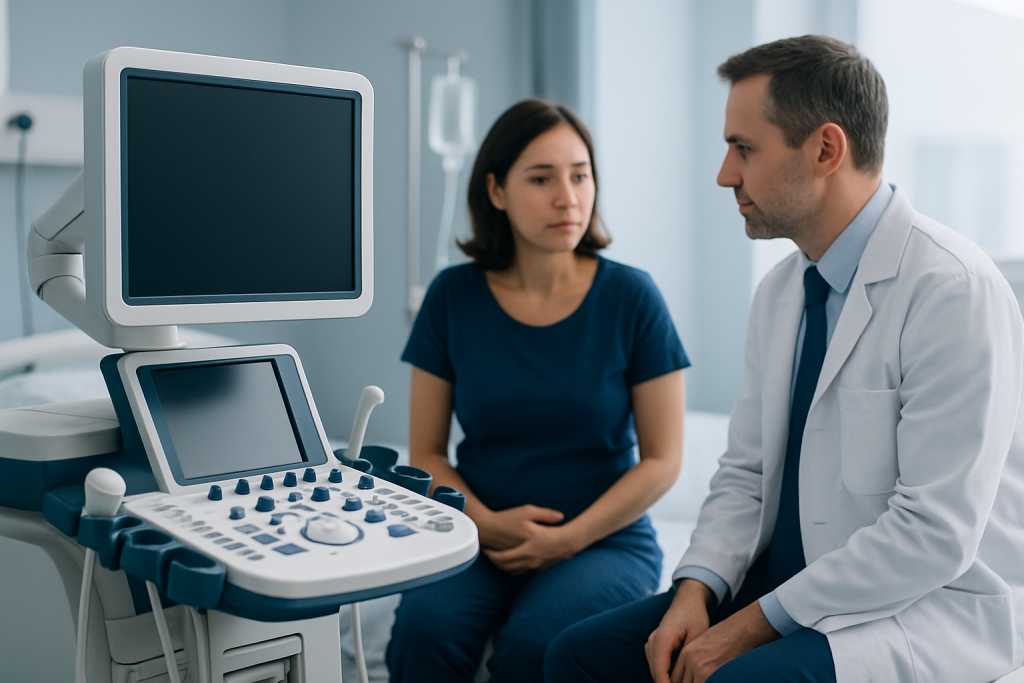
Most people with diverticulosis have no symptoms at all. When symptoms are present, they are usually mild and can come and go. Common complaints include a dull ache or pressure in the lower abdomen, a feeling of bloating, and irregular bowel movements such as constipation or, less commonly, loose stools.
Some people notice that discomfort is more noticeable after eating, especially after larger meals or meals that are low in fiber. Others describe a sense of incomplete bowel emptying or more frequent gas. These symptoms can overlap with many common digestive conditions, so they do not confirm diverticulosis on their own.
It is also important to separate diverticulosis from diverticulitis. Diverticulitis happens when a diverticulum becomes inflamed or infected. Warning signs such as increasing pain, fever, nausea, vomiting, or marked tenderness are more concerning and deserve medical attention.
- Mild lower abdominal discomfort
- Bloating or increased gas
- Constipation or altered stool pattern
- Occasional cramping
- Symptoms that improve and worsen over time
Causes & Risk Factors
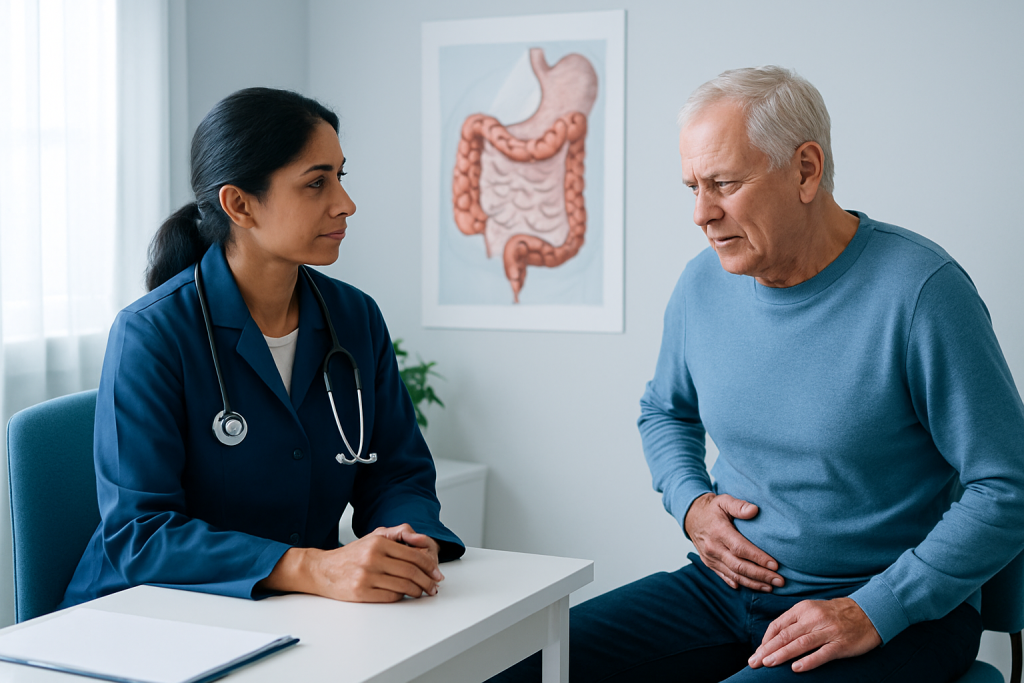
Diverticula are thought to develop when pressure inside the colon causes weak points in the bowel wall to bulge outward. Over time, these small pouches may become more common with age. Not everyone with diverticulosis has the same risk profile, and the condition does not always lead to symptoms or complications.
Several factors are associated with a greater chance of developing diverticulosis. A diet low in fiber, chronic constipation, reduced physical activity, increasing age, and certain lifestyle patterns may contribute. Family history may also play a role, suggesting that both inherited and environmental influences are involved.
Healthcare professionals also look at broader bowel health when symptoms are present. For example, abdominal discomfort may be related to constipation, food intolerance, or a separate gastrointestinal disorder. A careful history is often as important as any test, especially for people traveling for care and trying to make a focused plan during a short visit.
Diagnosis
Diverticulosis is not usually diagnosed by symptoms alone. Since many people feel completely well, doctors often find it during colonoscopy or on imaging such as a CT scan. If symptoms are present, the goal is to determine whether diverticulosis is truly the source or whether another digestive condition is responsible.
A doctor may ask about pain location, bowel pattern, diet, medications, prior episodes, and any signs of bleeding or fever. Depending on the situation, blood tests, stool tests, or imaging may be used to look for inflammation or complications. Colonoscopy is often used when the diagnosis needs to be confirmed or when another condition must be ruled out.
For patients who are coming from abroad, records from previous scans or endoscopy reports are especially useful. Bringing these documents helps the specialist compare findings and decide whether repeat testing is needed or whether prior results are sufficient to guide treatment.
Treatment Options
Diverticulosis itself may not require active treatment if it is not causing symptoms. When symptoms are mild, the approach often focuses on easing bowel strain and improving digestive regularity rather than trying to “remove” the diverticula. Many people are managed with lifestyle adjustments and observation.
Common recommendations include increasing fiber gradually if appropriate, drinking enough fluids, and staying physically active. If constipation is part of the picture, a clinician may suggest a bowel routine or other gentle measures. Any additional medicines should be chosen with a doctor’s guidance, especially because abdominal symptoms can have several causes.
If diverticulitis develops, treatment becomes different and may include closer monitoring, dietary changes, pain management, and sometimes antibiotics or hospital care depending on severity. That is one reason the exact symptom pattern matters: the same person may move from a silent finding to a more active condition that needs timely medical review.
Patients traveling internationally often benefit from a short, coordinated plan: confirm the diagnosis, review current symptoms, decide whether the concern is uncomplicated diverticulosis or a flare of diverticulitis, and arrange follow-up with a doctor at home if needed. Acibadem Health Point’s multidisciplinary specialists and JCI-accredited hospitals support diagnosis and treatment for international patients in this kind of coordinated care pathway.
Prevention & Self-care
There is no guaranteed way to prevent diverticula from forming, but daily habits can support overall colon health. A balanced diet with adequate fiber, regular water intake, and consistent movement may help bowel function and reduce constipation-related strain. These habits are generally useful whether someone has diverticulosis or simply wants to protect digestive health.
Fiber should be increased gradually to avoid temporary bloating or gas. Helpful choices may include fruits, vegetables, legumes, whole grains, and other fiber-rich foods, depending on personal tolerance and medical advice. People who have been told to modify fiber intake for another condition should follow individualized guidance rather than making sudden changes on their own.
Self-care also includes paying attention to patterns. Keeping a simple note of food, bowel movements, and abdominal discomfort can help a doctor understand whether symptoms are diet-related, constipation-related, or something else. For international patients, this diary can make a follow-up visit much more efficient after returning home.
- Build fiber slowly and steadily
- Drink enough fluids throughout the day
- Move regularly, even with light daily activity
- Track recurring symptoms and bowel changes
- Seek medical advice before changing supplements or medicines
When to See a Doctor
A medical visit is appropriate if abdominal symptoms are recurring, new, or difficult to explain. Even when symptoms seem mild, a clinician can help determine whether they fit diverticulosis, constipation, irritable bowel syndrome, or another digestive issue. This is particularly useful when symptoms interfere with eating, work, or travel plans.
Prompt assessment is important if pain becomes stronger, fever appears, the abdomen becomes very tender, or there is vomiting, rectal bleeding, or a sudden change in bowel habits. These features may point to diverticulitis or another condition that should not be self-managed. Urgent evaluation is also wise if symptoms are worsening quickly.
For people arranging care from another country, a targeted gastroenterology appointment can help clarify whether current symptoms need immediate treatment or routine follow-up. A well-prepared consultation can reduce uncertainty and make it easier to continue care safely after returning home.
Frequently asked questions
Does diverticulosis always cause symptoms?
No. Many people with diverticulosis have no symptoms at all and only learn about it during a colonoscopy or scan. When symptoms do occur, they are usually mild and not specific to the condition.
How is diverticulosis different from diverticulitis?
Diverticulosis means small pouches are present in the colon. Diverticulitis means those pouches have become inflamed or infected, which is more likely to cause pain, fever, and tenderness.
Can diverticulosis cause bloating?
It can be associated with bloating, but bloating is common in many digestive conditions. A doctor may look for constipation, food intolerance, or other causes before attributing it to diverticulosis.
What tests are used to diagnose diverticulosis?
Colonoscopy and imaging studies such as CT scans are commonly used, depending on the clinical situation. Symptoms alone usually are not enough to confirm the diagnosis.
Do people with diverticulosis need surgery?
Most people do not. Surgery is generally considered only in selected situations, usually when complications or repeated significant problems occur and other treatments are not enough.
Should someone avoid fiber if they have diverticulosis?
In many cases, fiber is part of the recommended approach because it supports bowel regularity. However, the right amount and type of fiber should be personalized, especially if symptoms are active or another condition is present.
References
- Mayo Clinic
- National Institute of Diabetes and Digestive and Kidney Diseases
- American College of Gastroenterology
- NHS
- World Gastroenterology Organisation
This article is for general information only and is not a substitute for professional medical advice. Please consult a qualified doctor about your individual situation.