How To Get Rid Of Bloating

Key Takeaways
- Bloating is a symptom, not a diagnosis, and may come from diet, constipation, gas, food intolerances, or digestive conditions.
- Simple changes such as eating slowly, adjusting trigger foods, and staying active can help many people.
- Persistent bloating, weight loss, vomiting, blood in the stool, or new symptoms should be assessed by a doctor.
- Diagnosis may involve a careful history, physical examination, blood tests, stool tests, imaging, or endoscopy, depending on symptoms.
- Treatment works best when it targets the cause, rather than only trying to reduce the feeling of fullness.
Bloating is a common digestive symptom that can make the abdomen feel full, tight, or visibly swollen. In many cases it improves with simple diet and lifestyle changes, but persistent or severe bloating deserves medical review to find the underlying cause.
Overview
Bloating is one of those symptoms that can interrupt the day in a very literal way: clothing feels tighter, the abdomen seems stretched, and even normal meals may leave a person uncomfortable. It is usually described as a sense of fullness, pressure, or swelling in the belly, and it can happen with or without visible distention.
For many people, bloating comes and goes and is linked to eating habits, constipation, swallowed air, or certain foods. For others, it is a clue that the digestive system needs a closer look. The best way to think about bloating is as a signal from the body, one that can often be improved once the cause is identified.
People traveling for care sometimes try multiple over-the-counter products before seeking help. That approach can be reasonable for mild, short-lived bloating, but ongoing symptoms are easier to manage when a clinician reviews the pattern, diet, bowel habits, and any other digestive complaints together.
Symptoms
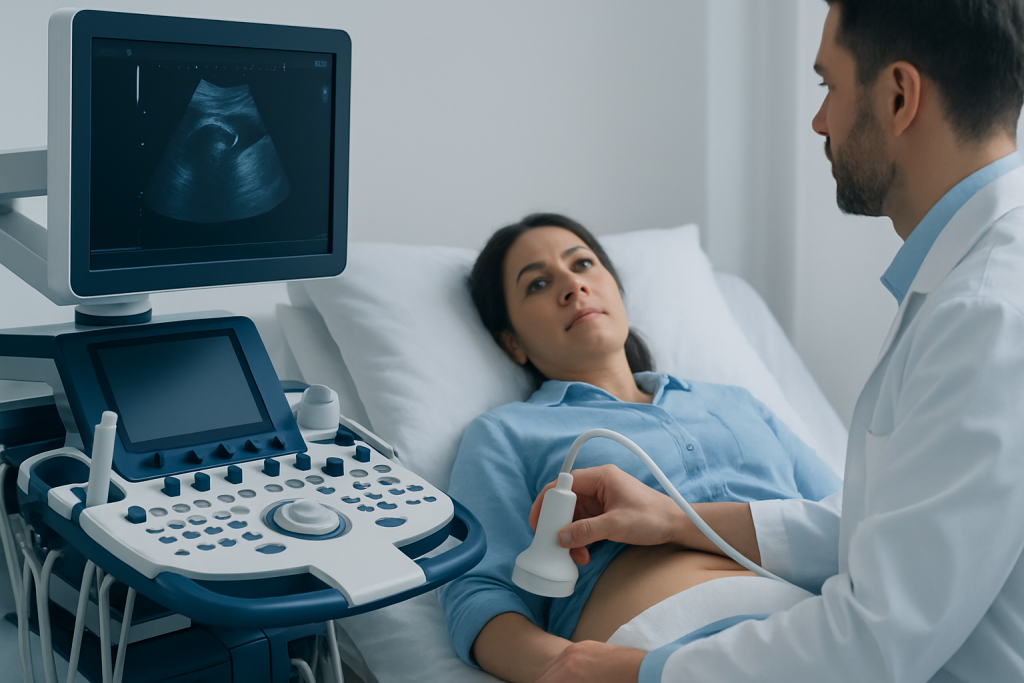
Bloating can feel different from one person to another. Some describe a heavy or stretched sensation; others notice visible swelling of the abdomen, especially after meals or later in the day. It may be accompanied by burping, passing gas, stomach cramps, or a rumbling feeling in the gut.
Symptoms that often travel with bloating include constipation, diarrhea, nausea, heartburn, or a sense of early fullness after eating only a small amount. In women, bloating may be more noticeable at certain points in the menstrual cycle. In some cases, the symptom is mild but annoying; in others, it can interfere with work, sleep, exercise, or travel plans.
Not every bloated abdomen means excess gas. Fluid retention, slowed bowel movement, food intolerance, hormonal changes, and several digestive disorders can produce a similar feeling. That is why the surrounding symptoms matter as much as the bloating itself.
Causes & Risk Factors

Bloating has a broad list of possible causes, and many are benign. Eating quickly, talking while eating, chewing gum, drinking carbonated beverages, and overeating can increase swallowed air or stretch the stomach. Constipation is another frequent reason, because stool buildup can slow the passage of gas and create a sensation of pressure.
Food choices also play an important role. Some people react to lactose, fructose, sugar alcohols, beans, lentils, onions, wheat products, or high-FODMAP foods. Others notice bloating as part of irritable bowel syndrome, functional dyspepsia, celiac disease, inflammatory bowel disease, small intestinal bacterial overgrowth, or delayed stomach emptying.
Hormonal changes, stress, reduced movement, and some medicines can make bloating more likely. Risk is higher when there is a known digestive disorder, a history of abdominal surgery, or a pattern of constipation. The useful question is not only “What causes gas?” but also “What is slowing digestion or irritating the gut?”
Diagnosis
Doctors usually begin by listening carefully to the story of the symptom. They may ask when bloating started, whether it happens after meals, what the bowel movements are like, whether weight has changed, and whether there is pain, nausea, vomiting, or blood in the stool. A physical examination can help determine whether the abdomen is distended, tender, or affected by constipation.
In many cases, the history alone points toward the next step. A clinician may recommend a food and symptom diary, a trial of diet changes, or tests for celiac disease, anemia, thyroid problems, infection, or inflammation. Depending on the findings, stool tests, ultrasound, CT imaging, breath tests, or endoscopy may be considered.
Diagnosis is especially important when bloating is new, persistent, or occurring together with other changes in health. The goal is not to test everything automatically, but to choose the right investigations for the pattern that is actually present.
Treatment Options
Treatment for bloating works best when it matches the cause. If constipation is the main issue, the plan may focus on regular bowel habits, more movement, hydration, and fiber adjustments that fit the individual rather than a one-size-fits-all increase. If a food trigger is suspected, a temporary elimination approach or a structured diet plan may be used under medical or dietitian guidance.
For some people, smaller meals and slower eating make a meaningful difference. Limiting carbonated drinks, reducing gum chewing, and avoiding very large meals can lower air swallowing and stomach stretching. In selected situations, doctors may suggest medicines that target gas, acid-related symptoms, bowel spasm, constipation, or an underlying diagnosis such as reflux or irritable bowel syndrome.
When bloating is caused by a condition like celiac disease, inflammatory bowel disease, an infection, or bacterial overgrowth, the treatment is directed at that condition. That is why repeated short-term fixes may only provide partial relief if the root problem remains untreated.
For patients arranging care from another country, it is helpful when the treatment plan includes clear instructions for what can be started at home, what needs follow-up, and which symptoms would require prompt contact after returning home. Acibadem Health Point’s multidisciplinary specialists and JCI-accredited hospitals diagnose and treat bloating-related digestive conditions for international patients.
Prevention & Self-care
Many everyday habits can reduce bloating or keep it from becoming a frequent nuisance. Eating slowly, chewing well, and pausing between bites gives the digestive system less air to process. Regular walking or other gentle activity can also support normal bowel movement, especially after meals.
A practical self-care plan usually starts with observation. Writing down meals, timing, bowel habits, stress levels, and symptom flare-ups can reveal patterns that are easy to miss. If a person notices that certain foods, large dinners, or late-night snacking repeatedly lead to discomfort, small changes are often more sustainable than strict, long-term restriction.
Helpful habits often include:
- Keeping bowel movements regular and addressing constipation early
- Drinking enough fluids throughout the day
- Limiting carbonated beverages if they worsen symptoms
- Using food changes strategically rather than eliminating many foods at once
- Managing stress, which can amplify gut sensitivity
Self-care should feel supportive, not punishing. If the same measures are not helping, that is usually a sign that the cause deserves a more careful medical look.
When To See a Doctor
Medical review is sensible when bloating is new and persistent, happens most days, or keeps returning without a clear reason. It is also important to seek assessment when bloating is accompanied by ongoing abdominal pain, constipation that is not improving, diarrhea, vomiting, reduced appetite, difficulty swallowing, or unintended weight loss.
Immediate evaluation is appropriate if there is blood in the stool, severe abdominal swelling, fever, marked tenderness, or inability to pass stool or gas. These symptoms do not always indicate something serious, but they should not be ignored.
People who already have a digestive condition should mention any change in their usual bloating pattern, especially if symptoms are getting more frequent or more intense. With the right evaluation, most causes can be identified or narrowed down, and relief becomes much more realistic than trial-and-error alone.
Living With Bloating During Travel and Daily Life
Bloating can be especially frustrating when a person is on the move, crossing time zones, eating unfamiliar food, or trying to stay on schedule for work or sightseeing. Travel can change meal timing, hydration, sleep, and bowel habits, all of which influence digestion. A simple routine—regular fluids, moderate meals, and gentle walking—often helps keep symptoms steadier.
For people returning home after treatment or evaluation abroad, it helps to leave with a clear summary of findings, the suspected trigger, and a follow-up plan. Keeping symptom notes after travel can be useful too, because new foods and temporary schedule changes may mask the underlying pattern. If bloating continues after travel routines normalize, that is a good time to revisit the diagnosis with a clinician.
Frequently asked questions
How can someone get rid of bloating quickly?
The fastest relief often comes from simple measures such as walking, avoiding carbonated drinks, eating more slowly, and easing constipation if present. A warm drink or gentle movement may help some people, but the best approach depends on what is causing the bloating.
Is bloating always caused by gas?
No. Gas is common, but bloating can also come from constipation, food intolerance, hormone changes, fluid retention, or digestive conditions such as irritable bowel syndrome or celiac disease. That is why symptom patterns matter.
What foods commonly make bloating worse?
Common triggers include carbonated drinks, large fatty meals, beans, onions, some dairy products, sugar alcohols, and certain wheat-based foods. The trigger varies from person to person, so a food and symptom diary can be more helpful than guessing.
When should bloating be checked by a doctor?
Bloating should be assessed if it is persistent, new, severe, or linked with weight loss, vomiting, blood in the stool, fever, or ongoing bowel changes. A doctor can decide whether simple lifestyle changes are enough or whether tests are needed.
Can stress really cause bloating?
Stress can make the gut more sensitive and can change bowel habits, which may increase bloating. It usually acts alongside other factors rather than being the only cause, but stress management can still be part of treatment.
Does bloating mean a person has a serious illness?
Not usually. Many cases are related to diet or bowel habits and improve with practical changes, but persistent or changing symptoms should be evaluated to rule out treatable conditions. The aim is reassurance backed by a proper assessment, not guesswork.
References
- Mayo Clinic
- Cleveland Clinic
- National Institute of Diabetes and Digestive and Kidney Diseases
- American College of Gastroenterology
- NHS
This article is for general information only and is not a substitute for professional medical advice. Please consult a qualified doctor about your individual situation.