Diverticulitis Symptoms: Causes and Treatment

Key Takeaways
- Diverticulitis usually causes abdominal pain, often on the lower left side, along with fever, bowel changes, or nausea.
- Symptoms can overlap with other digestive or urinary conditions, so medical evaluation is important.
- Mild cases may be treated with rest, fluids, and close follow-up, while complicated cases can require hospital care.
- A clear diagnosis often depends on physical examination, blood tests, and imaging such as a CT scan.
- After recovery, diet, hydration, and follow-up planning can help support long-term colon health.
Medically reviewed by the Acıbadem clinical team — August 19, 2026
Diverticulitis symptoms often begin with pain in the lower abdomen, but the pattern can vary from mild discomfort to a more urgent illness. Understanding the warning signs can help patients seek the right care at the right time and avoid unnecessary delays.
Overview
Diverticulitis is inflammation or infection in small pouches that can form in the wall of the large intestine. Those pouches, called diverticula, are common, especially with age; they do not always cause symptoms. When one or more become irritated or infected, the condition can shift quickly from a vague stomach ache to a more definite illness.
For patients trying to make sense of new abdominal discomfort, the challenge is that diverticulitis symptoms are not always dramatic at first. Some people notice a steady ache and mild fever, while others experience nausea, constipation, or diarrhea before realizing the pain is coming from the colon. Because the signs can resemble several other conditions, a medical assessment is the safest way to sort out what is happening.
From an international-patient perspective, diverticulitis is one of those problems where timing matters. Travelers who are away from home may want clear guidance on whether they can manage symptoms conservatively, need same-day imaging, or should be observed in hospital. The good news is that once the diagnosis is established, care is usually straightforward and focused on relief, recovery, and preventing complications.
Symptoms
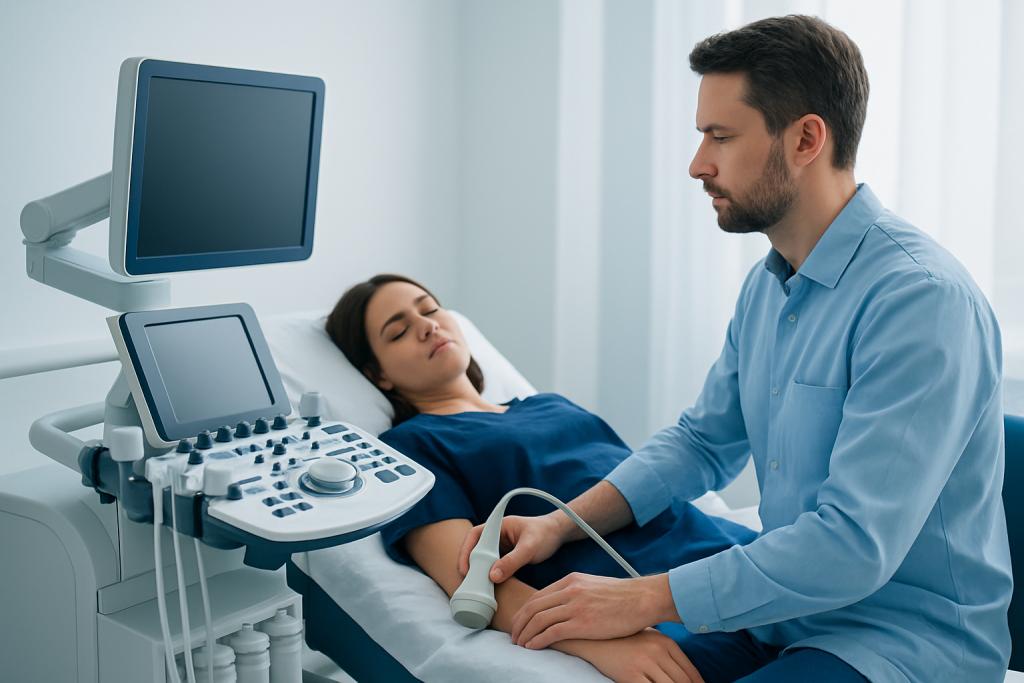
The most recognizable diverticulitis symptom is abdominal pain, often on the lower left side of the abdomen. That said, the pain may be central, lower right, or more diffuse depending on the individual and the location of the affected pouch. The discomfort is commonly steady rather than cramp-like, and it may become more noticeable when the abdomen is pressed.
Fever is another important clue, especially when it appears with localized pain. Some patients also feel bloated, lose their appetite, or notice nausea. Bowel habits can change in either direction: constipation is common, but some people experience diarrhea or alternating patterns that make the illness feel confusing at first.
Other symptoms can include:
- Tenderness in part of the abdomen
- Chills or a general sense of being unwell
- Gas and abdominal fullness
- Pain that worsens with movement
- Occasionally, urinary discomfort if the inflamed colon irritates nearby structures
Not everyone develops all of these signs. Mild diverticulitis may feel like a persistent, localized ache, while more complicated disease can bring stronger pain, vomiting, or inability to tolerate food and fluids. Any change that feels sharp, rapidly worsening, or unlike a typical digestive upset deserves prompt medical attention.
Causes & Risk Factors

Diverticulitis begins when a diverticulum becomes inflamed, often because trapped stool or bacteria irritate the area. The exact trigger is not always clear in a given person, and the condition is not usually caused by a single food or one specific event. It is better understood as the result of structural changes in the colon plus local inflammation.
Several factors can make diverticulitis more likely. Risk tends to rise with age, and a history of diverticulosis increases the chance of future inflammation. Low dietary fiber intake, constipation, obesity, smoking, and limited physical activity are also associated with higher risk. Some medications, including certain pain relievers, may contribute to intestinal irritation in some people.
Family history may also play a role, suggesting that inherited tendencies and bowel characteristics can matter. For patients who travel for care, it is helpful to know that risk-factor management is usually part of the recovery plan, but it does not replace evaluation when symptoms appear. Even someone who has never had colon problems before can still develop diverticulitis, so new abdominal pain should not be dismissed because the person seems otherwise healthy.
Diagnosis
Because diverticulitis symptoms can overlap with appendicitis, irritable bowel syndrome, kidney stones, urinary infection, and other causes of abdominal pain, diagnosis often starts with a careful history and physical examination. A doctor will ask where the pain is, how long it has been present, whether fever or bowel changes are involved, and whether the patient has had diverticulitis before.
Blood tests may be used to look for inflammation or signs of infection. Urine tests can help rule out urinary causes, and in some cases stool testing may be considered. Imaging is frequently important, especially when the diagnosis is uncertain or symptoms are more than mild.
A CT scan is commonly used because it can show inflamed diverticula, complications such as abscess, or other conditions that could mimic diverticulitis. In select situations, ultrasound or MRI may be used instead, depending on local practice and the patient’s needs. For international patients, diagnostic planning may also include deciding whether testing should be completed during a brief stay or coordinated with follow-up after return home.
Treatment Options
Treatment depends on how severe the episode is and whether complications are present. Mild, uncomplicated diverticulitis may be managed with close medical supervision, short-term dietary adjustment, hydration, and symptom control. Some patients are monitored as outpatients, while others need a short hospital stay if pain, fever, dehydration, or diagnostic uncertainty is a concern.
When infection or significant inflammation is suspected, a doctor may prescribe medication as part of the treatment plan. If the illness is complicated by an abscess, perforation, obstruction, or recurrent severe episodes, more intensive care may be needed. Procedures to drain an abscess or surgery to remove the affected segment of colon are considered in selected cases, especially when the bowel is not healing as expected.
It is important to avoid self-treating persistent abdominal pain as if it were simple indigestion. A patient may feel tempted to wait it out, particularly when traveling, but early evaluation can reduce the chance of complications and help tailor treatment to the person’s actual condition. Once symptoms settle, a follow-up plan is usually recommended to review recovery and decide whether further colon evaluation is needed.
Prevention & Self-care
After recovery, many people want practical steps that fit real life rather than strict rules that are hard to maintain. A balanced diet with enough fiber, good hydration, and regular physical activity are commonly recommended for long-term bowel health. If a doctor advises a gradual return to fiber after an acute episode, that plan should be followed rather than rushing into major dietary changes too quickly.
Self-care also includes paying attention to bowel habits. Regular meals, adequate fluid intake, and avoiding prolonged constipation can help reduce strain on the colon. For some patients, smoking cessation and weight management may be part of a broader prevention strategy, especially if diverticulitis has already occurred more than once.
People who travel frequently or seek treatment away from home should leave with a clear recovery checklist: what symptoms are expected, which medicines or dietary changes were advised, and when follow-up should happen. If a patient is being treated through Acibadem Health Point, multidisciplinary specialists and JCI-accredited hospitals can help diagnose and manage diverticulitis for international patients with coordinated care planning.
When to See a Doctor
Medical review is appropriate when abdominal pain is persistent, localized, or accompanied by fever, nausea, constipation, diarrhea, or bloating. Even if the symptoms seem moderate, evaluation can prevent a delayed diagnosis and help distinguish diverticulitis from other problems that need different treatment.
Urgent care is especially important if the pain is severe, the abdomen is very tender, vomiting prevents drinking fluids, or there are signs of dehydration. A person should also seek prompt assessment if they cannot pass stool or gas, feel faint, or notice blood in the stool. These features do not always mean a serious complication, but they do deserve attention.
Anyone with a known history of diverticulitis should not assume a new flare is identical to the previous one. Recurrent symptoms can be similar, but they can also signal a different issue, so it is wiser to let a clinician guide the next step. For patients far from home, arranging timely review rather than waiting for a flight or a planned return can make recovery simpler and safer.
Living With and Recovering From Diverticulitis
Recovery is usually gradual rather than immediate, and that can surprise people who expect abdominal pain to disappear overnight. It is common to need a short period of reduced appetite, gentle eating, and more rest while the colon calms down. Follow-up matters because the care team may want to confirm that symptoms are improving and discuss whether additional colon checks are appropriate once inflammation has settled.
Patients who have had one episode often ask whether another is inevitable. The answer is no, but recurrence can happen, which is why long-term habits and symptom awareness are useful. The goal is not to live cautiously forever; it is to recognize early warning signs and respond promptly if abdominal pain returns in a familiar pattern.
For those who cross borders for treatment, written discharge instructions, medication reconciliation, and a clear handoff to a local doctor are especially helpful. Good continuity makes the difference between a confusing recovery and one that feels organized, predictable, and under control.
Frequently asked questions
What does diverticulitis pain usually feel like?
Diverticulitis pain is often a steady ache in the lower left abdomen, though it can appear elsewhere. It may worsen with pressure or movement and is often accompanied by fever or bowel changes. Because several conditions can cause similar pain, a medical exam is the best way to confirm the cause.
Can diverticulitis go away without treatment?
Some mild cases may improve with medical supervision, rest, fluids, and dietary changes. However, abdominal pain should not be assumed to be diverticulitis, and symptoms can worsen if there is an infection or complication. A clinician should decide whether home care is appropriate.
Is fever always present with diverticulitis?
No, fever is common but not universal. Some people mainly notice localized abdominal pain and bowel changes. Even without fever, persistent or worsening pain should be evaluated.
What foods should be avoided during a flare?
Diet advice can vary depending on the severity of symptoms and the doctor’s plan. During an acute episode, some patients are advised to temporarily choose gentler foods and avoid anything that worsens pain or nausea. A clinician or dietitian can guide the safest approach for the individual.
How do doctors confirm diverticulitis?
Doctors usually combine symptoms, an abdominal exam, blood tests, and imaging when needed. A CT scan is commonly used because it can show inflammation and rule out complications. This helps ensure the treatment plan matches the actual problem.
When should someone seek urgent help?
Urgent care is important if pain is severe, vomiting prevents fluids, the abdomen becomes very tender, or there is blood in the stool. These symptoms do not always mean a dangerous complication, but they should be assessed quickly.
Can diverticulitis come back after recovery?
Yes, it can recur in some people. After an episode, follow-up care often focuses on recovery, bowel habits, and longer-term prevention steps. A doctor can explain what level of recurrence risk is relevant for that patient.
References
- Mayo Clinic
- National Institute of Diabetes and Digestive and Kidney Diseases
- American College of Gastroenterology
- World Gastroenterology Organisation
- NHS
This article is for general information only and is not a substitute for professional medical advice. Please consult a qualified doctor about your individual situation.
Persistent digestive symptoms? Get evaluated in Turkey
JCI-accredited · board-certified surgeons · reply within 24h
Add us as a Preferred Source to see more of our trusted health content across Google Search, AI Overviews and Discover.