High Fiber Diet And Hemorrhoids

Key Takeaways
- Fiber can make stools softer and easier to pass, which may reduce pressure on hemorrhoids.
- Both soluble and insoluble fiber can be helpful when increased gradually with enough fluid.
- Dietary changes work best alongside healthy bowel habits such as avoiding straining and responding to the urge to go.
- Ongoing bleeding, significant pain, or a new change in bowel habits should be assessed by a doctor.
- Some people need medical treatment in addition to diet, especially if symptoms keep returning.
A high-fiber diet is often an important part of hemorrhoid care because it helps soften stools and reduce straining during bowel movements. This guide explains how fiber supports symptom relief, what foods to choose, and when medical evaluation is needed.
Overview
Hemorrhoids are swollen veins in and around the anus and lower rectum. They can become irritated when bowel movements are hard, frequent, or require straining, which is why diet often plays a practical role in symptom control. A high-fiber eating pattern does not “erase” hemorrhoids, but it can reduce the pressure that keeps them irritated.
Fiber works mainly by improving stool form and bowel regularity. In everyday terms, it helps the digestive system move waste more smoothly, so passing stool takes less effort. For many people, that simple change is enough to lessen discomfort, itching, and the feeling of incomplete emptying.
For international patients planning care abroad, diet changes may be part of a longer recovery plan after an evaluation or procedure. A clinician can help determine whether symptoms are likely to improve with self-care alone or whether additional treatment is needed.
Symptoms
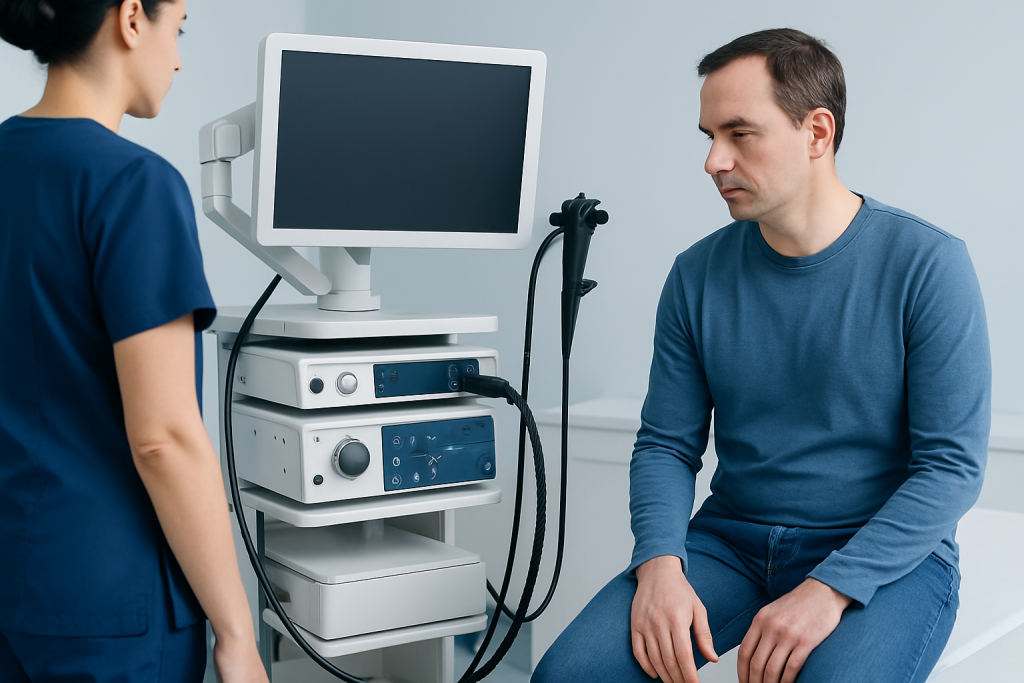
Hemorrhoids do not always cause symptoms, but when they do, the complaints are usually easy to recognize. The most common signs are bright red bleeding on toilet paper or in the bowl, itching around the anus, a sense of fullness, and mild pain or soreness during bowel movements.
Internal hemorrhoids may cause bleeding with little pain, while external hemorrhoids are more likely to feel tender, swollen, or itchy. If a clot forms in an external hemorrhoid, pain can become sharper and a firm lump may be noticed near the anus. Symptoms can also worsen after prolonged sitting, constipation, or repeated straining.
Because bleeding can also come from other digestive conditions, it is important not to assume every episode is “just hemorrhoids.” A doctor should evaluate persistent or recurrent bleeding, especially if it is accompanied by fatigue, weight loss, or a change in bowel habits.
Causes & Risk Factors
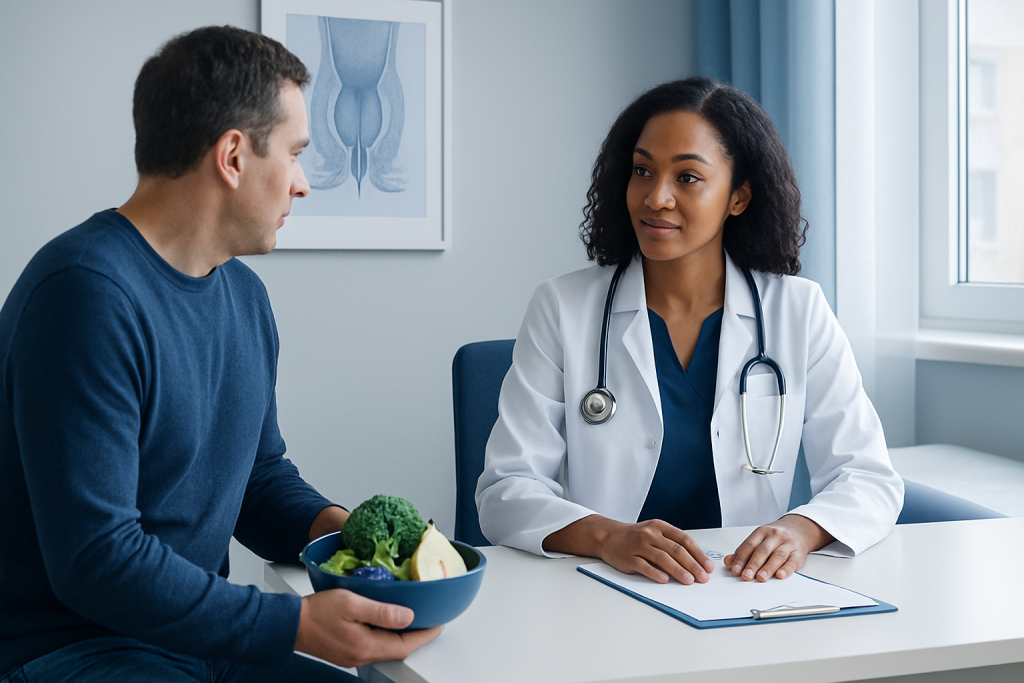
Anything that raises pressure in the rectal veins can contribute to hemorrhoids. Common triggers include chronic constipation, repeated straining, sitting on the toilet for long periods, and passing hard stools. Pregnancy can also increase risk because of hormonal changes and pressure from the growing uterus.
Age is another factor, since the supportive tissues in the anal area naturally weaken over time. A low-fiber diet can make these problems more likely by encouraging smaller, harder stools and more effort during bowel movements. Dehydration, limited physical activity, and habits such as delaying the urge to use the bathroom may add to the strain.
Some people have a family tendency toward hemorrhoids, and certain jobs or routines that involve long sitting periods can make symptoms more noticeable. The good news is that many of these risks are modifiable, which is why fiber and bowel habit changes are central to prevention as well as relief.
Diagnosis
Most hemorrhoids are diagnosed through a medical history and a physical examination. A clinician may ask about bleeding, pain, constipation, bowel habits, diet, and how long the symptoms have been present. An external exam can identify swelling or tenderness, while a gentle internal exam may be used when appropriate.
In some cases, a doctor may recommend anoscopy, sigmoidoscopy, or colonoscopy to look more closely inside the rectum and colon. This is especially important when bleeding is unexplained, symptoms are atypical, or the person is older and needs evaluation for other causes of rectal bleeding. The goal is to confirm the diagnosis and rule out conditions that need different treatment.
For travelers seeking care in another country, coordination matters. Bringing a list of symptoms, prior test results, and current medications can make the evaluation smoother and help the medical team decide whether dietary treatment, office procedures, or surgery is the best next step.
Treatment Options
For many people, treatment begins with lifestyle changes. Increasing fiber intake is often the first step because it may reduce constipation and the strain that aggravates hemorrhoids. This can come from foods, supplements, or a combination of both, depending on what is easiest to maintain consistently.
Other measures may include warm sitz baths, avoiding prolonged sitting on the toilet, and using gentle bowel habits. If symptoms are more troublesome, a doctor may suggest topical treatments for short-term relief or an office procedure for internal hemorrhoids that keep bleeding or prolapsing. Surgical treatment is reserved for selected cases when simpler measures are not enough.
Many patients improve most when diet changes are paired with personalized guidance. A clinician can help balance fiber intake with other digestive needs, such as bloating, irritable bowel symptoms, or fluid restrictions related to another health condition.
- Choose fiber-rich foods gradually rather than all at once.
- Drink fluids regularly unless a doctor has advised otherwise.
- Consider a fiber supplement if food alone is not enough.
- Seek treatment sooner if pain or bleeding persists.
Prevention & Self-care
Prevention often starts at the grocery store and continues in the bathroom. A diet centered on fruits, vegetables, beans, lentils, whole grains, nuts, and seeds can support softer stools and steadier bowel movements. For people who travel frequently, these foods also help keep routines more predictable when meals and schedules change.
Fiber is most effective when introduced gradually. A sudden jump may lead to gas or bloating, so it is usually better to increase intake step by step and give the body time to adjust. Adequate fluid intake is just as important, because fiber works best when it can absorb water and add bulk that is easier to pass.
Simple habits can reinforce the benefit of diet: respond to the urge to have a bowel movement, avoid reading or scrolling on the toilet, and use a footstool if it helps reduce straining. Regular movement such as walking can also support bowel regularity and overall digestive comfort.
When To See a Doctor
Medical advice is important when rectal bleeding is new, frequent, or more than a small streak on tissue. A doctor should also be consulted if pain is severe, a lump becomes hard or very tender, or symptoms do not improve after several days of fiber and self-care. These signs do not always mean something serious, but they do deserve proper evaluation.
It is especially important to seek care if bowel habits have changed, stools are black or maroon, or bleeding happens alongside weakness, dizziness, or unexplained weight loss. People with a history of colon polyps, inflammatory bowel disease, or family history of colorectal cancer should not delay assessment if symptoms appear.
Acibadem Health Point’s multidisciplinary specialists and JCI-accredited hospitals diagnose and treat hemorrhoid-related concerns for international patients, with care plans that can include dietary guidance, medical treatment, and procedural options when needed. A personalized approach helps ensure that symptoms are addressed safely, whether care begins locally or during travel abroad.
Frequently asked questions
Can a high fiber diet cure hemorrhoids?
A high-fiber diet cannot cure hemorrhoids on its own, but it can make symptoms easier to manage by softening stools and reducing straining. For many people, that is enough to prevent flare-ups from becoming worse. If symptoms keep returning, medical treatment may also be needed.
Which fiber is better for hemorrhoids, soluble or insoluble?
Both types can be helpful. Soluble fiber helps stools hold water and become softer, while insoluble fiber adds bulk and supports regular bowel movements. A balanced mix from foods is usually the most practical approach.
How quickly does fiber help hemorrhoids?
Some people notice improvement within a few days, while others need longer to see a difference. The response depends on how much constipation or straining is present and whether enough fluid is being taken. Consistent habits matter more than a quick change.
Should fiber supplements replace food?
Food is usually the preferred source because it provides nutrients along with fiber. Supplements can still be useful when diet alone is not enough or when travel and work routines make healthy eating difficult. A doctor or dietitian can help choose the most suitable option.
Can too much fiber make symptoms worse?
Yes, increasing fiber too quickly can cause bloating, gas, or abdominal discomfort. It is better to raise intake gradually and drink enough fluids. If discomfort persists, the plan may need to be adjusted.
When is bleeding from hemorrhoids not normal?
Any new, persistent, or heavy rectal bleeding should be checked by a doctor. Bleeding is also more concerning if it comes with black stools, dizziness, weakness, weight loss, or a change in bowel habits. These symptoms need medical evaluation rather than self-treatment alone.
References
- World Gastroenterology Organisation
- American Society of Colon and Rectal Surgeons
- National Institute of Diabetes and Digestive and Kidney Diseases
- NHS
- Mayo Clinic
This article is for general information only and is not a substitute for professional medical advice. Please consult a qualified doctor about your individual situation.