Diverticulitis: When Antibiotics Are Enough and When Surgery Enters the Plan

Key Takeaways
- Mild, uncomplicated diverticulitis may be treated with rest, diet changes, pain control, and sometimes antibiotics.
- Surgery is usually considered when diverticulitis becomes complicated, keeps returning, or does not improve as expected.
- Symptoms can overlap with other abdominal conditions, so a medical evaluation is important before starting treatment.
- A clear follow-up plan matters, especially for people traveling from another country for care.
- Preventive habits after recovery often focus on fiber, hydration, movement, and regular medical review.
Medically reviewed by the Acıbadem clinical team — June 13, 2026
Diverticulitis happens when small pouches in the colon become inflamed or infected, and treatment depends on how severe the episode is. Many cases can be managed without surgery, but certain complications, recurring attacks, or warning signs may shift the plan toward an operation.
Overview
Diverticulitis begins in the colon, where small pocket-like bulges called diverticula can become irritated, inflamed, or infected. For many people, the story starts with lower abdominal pain and a change in bowel habits, but the treatment path is not the same for every case.
The central question is often whether the episode is uncomplicated or complicated. Uncomplicated diverticulitis may settle with supportive care and, in selected cases, antibiotics. Complicated diverticulitis can involve an abscess, perforation, blockage, or fistula, and those situations raise the chance that a procedure or surgery will be needed.
That distinction matters for patients deciding whether they can recover close to home or need more advanced assessment. It also matters for international patients, where the first consultation may happen before travel and the follow-up may continue after returning home, making a clear treatment plan especially valuable.
Symptoms
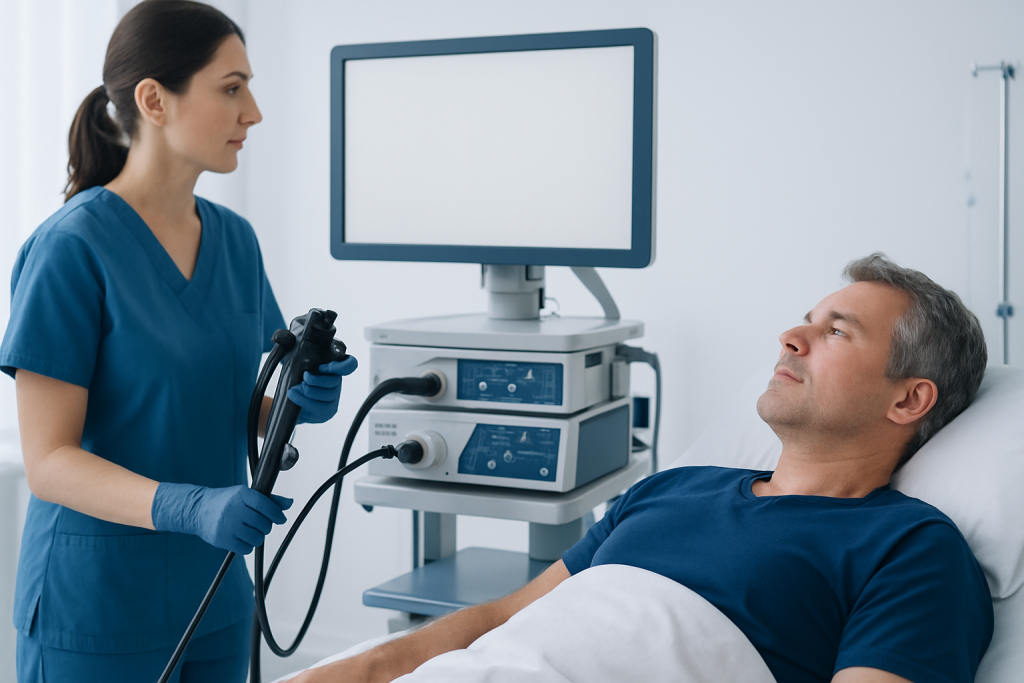
Diverticulitis often causes steady pain in the lower left side of the abdomen, although the location can vary. Fever, tenderness, bloating, nausea, constipation, or diarrhea may appear as the inflammation develops. Some people feel generally unwell, with reduced appetite and fatigue.
Symptoms can be mild at first or become more noticeable over hours to days. Because these features overlap with appendicitis, urinary problems, gynecologic conditions, and other digestive illnesses, it is not safe to assume the cause without a medical assessment.
Possible warning signs of a more serious episode include worsening pain, persistent vomiting, a swollen abdomen, trouble passing stool or gas, or signs of dehydration. Blood in the stool, faintness, or severe weakness also deserve prompt attention.
Causes & Risk Factors
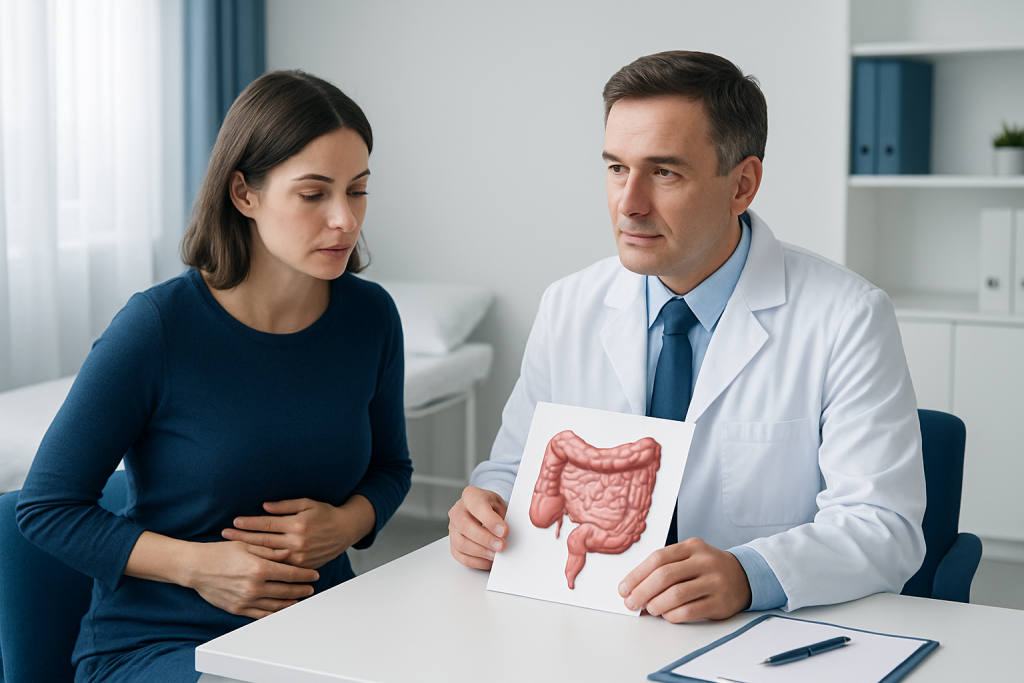
Diverticulitis develops when diverticula in the colon become inflamed, sometimes after stool or bacteria become trapped in one of the pockets. The exact trigger is not always obvious, and many people are surprised to learn that diverticula can be present for years without causing symptoms.
Risk increases with age, although younger adults can also be affected. A diet low in fiber, reduced physical activity, excess body weight, smoking, and some medications that affect the bowel or immune system may contribute to a higher likelihood of attacks or a more difficult recovery.
History also matters. People who have had a previous episode may be more likely to notice another one, but recurrence does not automatically mean surgery is needed. The overall pattern, severity, and presence of complications guide the next step more than the number of episodes alone.
Diagnosis
Doctors usually begin with a history and physical examination, then look for signs that the pain fits diverticulitis and not another abdominal problem. Blood tests may show inflammation or help check for dehydration, infection, or anemia. Urine tests may also be used when the symptoms could point to a urinary cause.
Imaging is often the key step. A CT scan of the abdomen and pelvis can confirm diverticulitis, show how extensive the inflammation is, and identify complications such as an abscess or perforation. In some situations, especially when symptoms are mild or improving, the doctor may not need every test immediately.
Colonoscopy is usually not performed during an acute attack because it can be uncomfortable and may not be safe while the colon is inflamed. It may be recommended later, after recovery, to look for other conditions or to make sure nothing else explains the symptoms.
Treatment Options
Treatment begins with the severity of the episode. Some people with uncomplicated diverticulitis may improve with bowel rest or a temporary low-fiber diet, fluids, symptom control, and close observation. Antibiotics may be used when the doctor believes the infection risk is meaningful, the patient has other medical conditions, or the inflammation appears more than mild.
Not every case requires antibiotics, and that can be confusing for patients who expect them automatically. Modern care often individualizes the decision, especially when symptoms are limited and imaging does not show complications. The goal is not to withhold treatment, but to use the least intensive plan that is still safe.
Surgery enters the plan when diverticulitis becomes complicated or when repeated attacks begin to affect daily life and overall bowel health. A surgeon may recommend an urgent operation for perforation, widespread infection, bowel obstruction, or a large abscess that cannot be managed in another way. Elective surgery may be discussed after recovery if episodes keep returning or if the colon has narrowed significantly.
Common treatment approaches may include:
- Supportive care with fluids and rest
- Pain relief chosen carefully by the doctor
- Antibiotics in selected uncomplicated cases
- Drainage of an abscess when needed
- Minimally invasive or open surgery for complicated disease
For patients traveling for care, this is where coordination becomes especially important. A treatment plan should clearly explain what happens before discharge, how to monitor symptoms during the trip home, and when repeat imaging or follow-up visits are expected.
Prevention & Self-care
After recovery, everyday habits can help the colon work more smoothly and may lower the chance of future flare-ups. A fiber-rich eating pattern is often encouraged, but the timing matters: doctors may suggest a gentle, lower-fiber approach during recovery and then a gradual return to fiber as symptoms settle.
Hydration supports bowel regularity, and regular movement can help the digestive system function more consistently. Many people also benefit from paying attention to constipation early, since straining and delayed bowel movements can make symptoms harder to manage.
Self-care is not only about food. It also includes keeping follow-up appointments, taking prescribed medicines as directed, and asking whether a later colonoscopy is needed. Patients who receive care abroad should leave with written instructions that are easy to share with their local doctor once they return home.
Helpful habits may include:
- Gradually increasing fiber when the doctor says it is appropriate
- Drinking enough fluids throughout the day
- Staying physically active as tolerated
- Limiting smoking and reviewing medication risks with a clinician
- Reporting new abdominal symptoms rather than waiting for the next scheduled visit
When Antibiotics Are Enough — and When Surgery Enters the Plan
Patients sometimes hope for a simple yes-or-no answer, but diverticulitis care is often a series of decisions. A doctor may start with antibiotics and observation, then move to intervention only if the course does not improve as expected. That stepwise approach helps avoid unnecessary surgery while still protecting the patient when the illness becomes more serious.
When to See a Doctor
Medical evaluation should happen promptly if abdominal pain is new, persistent, or worsening, especially when fever, nausea, or bowel changes are present. Even when symptoms seem familiar, another condition can mimic diverticulitis, so a confirmed diagnosis is important before treatment is chosen.
Urgent care is needed when the pain is severe, the abdomen becomes hard or swollen, vomiting prevents fluid intake, or there is blood in the stool, faintness, or confusion. People with weakened immunity, significant chronic illness, or a history of complicated diverticulitis should be assessed early rather than waiting at home.
For international patients, a timely evaluation can also help prevent delays caused by travel plans or unfamiliar care systems. Acibadem Health Point’s multidisciplinary specialists and JCI-accredited hospitals diagnose and treat diverticulitis for international patients, with care plans designed to support both treatment and recovery planning.
Frequently asked questions
Can diverticulitis always be treated with antibiotics?
No. Some uncomplicated cases may improve with supportive care alone, while others benefit from antibiotics. The decision depends on symptom severity, exam findings, and whether imaging shows any complication.
When is surgery considered for diverticulitis?
Surgery is usually considered when there is perforation, abscess, obstruction, fistula, or repeated attacks that significantly affect quality of life. It may also be needed if the colon has become narrowed or the infection does not improve as expected.
Is a low-fiber diet always recommended?
Not always. A temporary low-fiber approach may be used during an acute flare, but longer-term prevention often focuses on gradually returning to a fiber-rich diet once the doctor says it is safe.
Can diverticulitis come back after treatment?
Yes, it can recur, although not every person will have repeated episodes. Follow-up care, bowel habits, and management of risk factors can all influence the long-term pattern.
What tests confirm diverticulitis?
A CT scan is commonly used to confirm the diagnosis and look for complications. Blood and urine tests may support the evaluation, and colonoscopy may be recommended later after recovery in selected cases.
Is it safe to travel after being treated for diverticulitis?
It may be safe once symptoms are improving and the doctor confirms that the condition is stable. Travelers should leave with clear instructions about medicines, warning signs, and where to seek help if symptoms return.
References
- World Health Organization
- National Institute of Diabetes and Digestive and Kidney Diseases
- American College of Gastroenterology
- Mayo Clinic
- NHS
This article is for general information only and is not a substitute for professional medical advice. Please consult a qualified doctor about your individual situation.