

Back Muscle Anatomy
Key Takeaways
- The back contains layered muscles that support posture, movement, and spinal stability.
- Pain or stiffness in the back does not always come from the muscles alone; joints, nerves, discs, and connective tissue can also play a role.
- Poor posture, overuse, injury, and prolonged sitting can strain back muscles.
- Most muscle-related back symptoms improve with rest, movement modification, and guided rehabilitation.
- Persistent pain, weakness, numbness, or pain after injury should be assessed by a doctor.
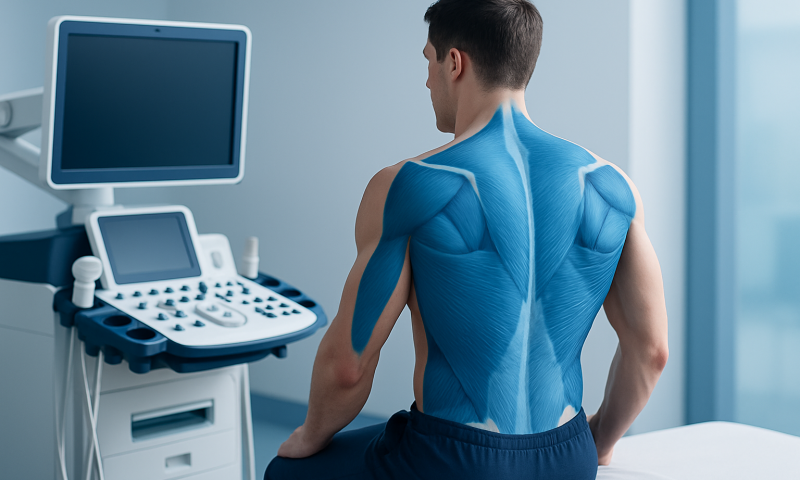
Back muscle anatomy is easier to understand when it is seen as a working system rather than a single layer of tissue. These muscles stabilize the spine, support posture, and help the body bend, twist, lift, and breathe with control.
Overview
Back muscle anatomy is best understood as a coordinated support system. Rather than acting as one large sheet, the back is made up of layered muscles that attach to the spine, ribs, shoulder blades, pelvis, and neck. Together, they help the body stay upright, move smoothly, and protect the spine during everyday tasks.
For a patient trying to make sense of back discomfort, it helps to know that these muscles are not only for strength training or posture advice. They are active every time someone stands from a chair, reaches into a suitcase, carries a child, or turns to look behind. When they are tired, tight, or strained, even simple movements can feel harder than expected.
In international patients, this knowledge can also make medical conversations clearer. A doctor may ask which movements trigger discomfort, whether pain feels deep or superficial, and whether symptoms change during travel, lifting, or long hours of sitting. Those details help distinguish muscle-related pain from other back conditions that may need different care.
Major Muscle Groups of the Back
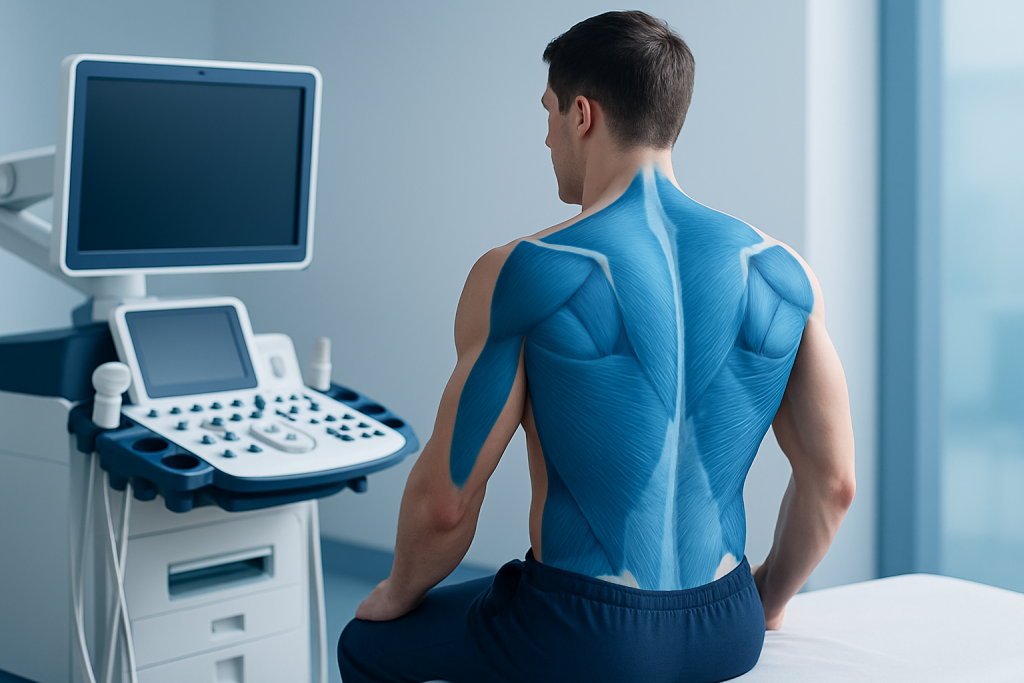
The back is usually described in layers. The most visible muscles are the large, superficial ones, while deeper muscles sit closer to the spine and are especially important for stability. Each group has a different role, but they work together rather than separately.
Several major muscles are commonly discussed in back muscle anatomy:
- Trapezius: Helps move and stabilize the shoulders, neck, and upper back.
- Latissimus dorsi: Broad muscle that supports pulling movements and arm control.
- Rhomboids: Help position the shoulder blades and support upper-back posture.
- Erector spinae: A group of muscles running along the spine that helps extend and support the back.
- Multifidus and other deep stabilizers: Small muscles that assist with fine control and spinal stability.
The lower back also relies on muscles that connect the pelvis, ribs, and lumbar spine. These structures help the body bend forward, return to standing, and resist twisting forces. Because these muscles are involved in almost every functional movement, even mild irritation can affect daily comfort.
How Back Muscles Work
Back muscles do more than generate power. They act like dynamic scaffolding, adjusting their tension throughout the day to keep the spine aligned while allowing movement. This balance between flexibility and support is one of the most important features of back muscle anatomy.
When a person reaches, lifts, or twists, some muscles lengthen while others contract. Deep stabilizing muscles engage quietly in the background, especially during posture changes and balance tasks. If one part of the system is weak, overworked, or painful, other muscles may compensate, which can create tightness or fatigue elsewhere in the back.
Breathing also affects the back. The ribs, thoracic spine, and nearby muscles move with each breath, especially during exercise or when lifting heavy objects. This is one reason why muscle tension around the upper back and rib cage may feel worse during stress, shallow breathing, or prolonged sitting.
Symptoms of Back Muscle Problems
Back muscle problems often cause aching, stiffness, tenderness, or a feeling that the back is “locked.” Pain may be localized to one area or spread across the upper, middle, or lower back. Some people notice that symptoms are worse after activity and improve with gentle movement or position changes.
Other common features may include:
- Muscle tightness or spasms
- Pain with bending, twisting, or lifting
- Soreness after exercise or prolonged sitting
- Reduced range of motion
- Discomfort when standing for long periods
It is important to remember that back pain is not always purely muscular. Nerve irritation, disc problems, arthritis, and referred pain from other areas can feel similar. If symptoms include numbness, weakness, pain going down the leg, or changes in bladder or bowel control, the cause may be different and should be evaluated promptly.
Causes & Risk Factors
Back muscles can become painful for many everyday reasons. Overuse is common, especially after lifting awkwardly, carrying heavy bags, or doing unfamiliar physical work. Sudden movements, minor strains, and sports activity can also overload the muscle fibers and surrounding tissues.
Several factors can increase the chance of back muscle discomfort:
- Prolonged sitting, especially with poor posture
- Repetitive bending or twisting
- Weak core and trunk muscles
- High stress levels and muscle tension
- Deconditioning after illness or inactivity
- Ergonomic strain during work or travel
Age, previous injuries, and certain lifestyle patterns may also matter. Long flights, carrying luggage, sleeping in unfamiliar beds, and changes in activity during travel can all irritate back muscles in international patients. Understanding these triggers can help a doctor tailor advice to a person’s routine and recovery needs.
Diagnosis
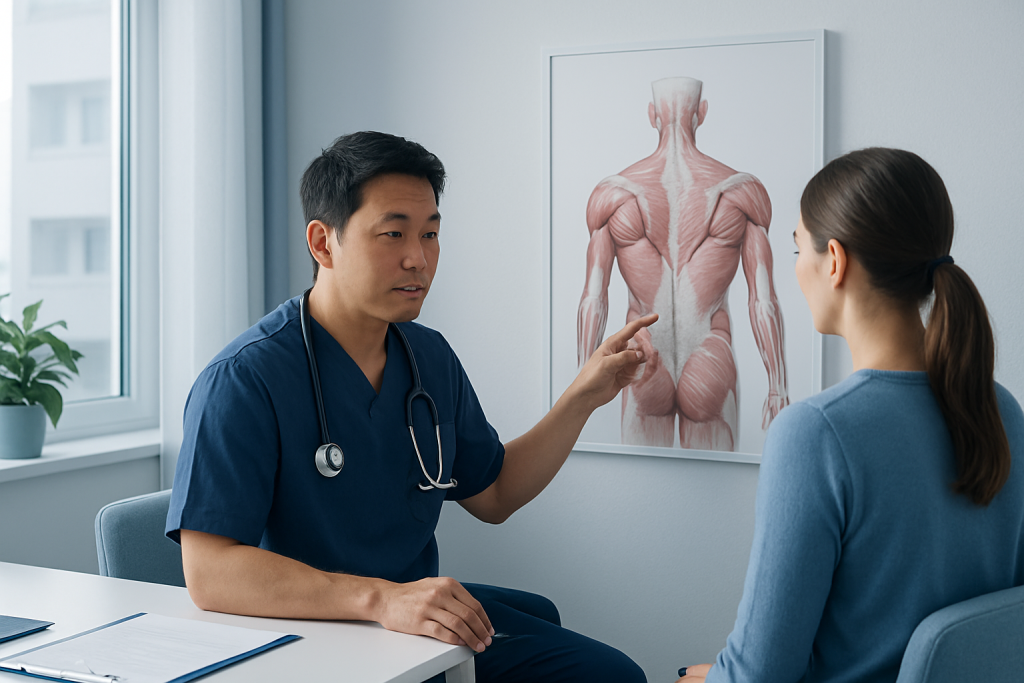
Doctors usually begin with a careful history and physical examination. They may ask when the pain started, what makes it better or worse, whether there was an injury, and whether the discomfort changes with movement, coughing, or rest. A hands-on exam helps assess posture, muscle tenderness, range of motion, and any signs that point beyond the muscles.
Most muscle-related back pain does not require complex testing at first. However, imaging or other studies may be considered if symptoms are severe, persistent, unexplained, or associated with warning signs. In some cases, a doctor may order X-rays, MRI, or other tests to look at the spine, discs, joints, or nerves more closely.
For patients coming from another country, sharing previous records, medication lists, imaging reports, and the timeline of symptoms can make evaluation much more efficient. Clear communication about prior treatment is especially helpful if the person has already tried Knee Pain Relief: Causes and Treatment" class="ahp-ilk">pain relief, physical therapy, or injections elsewhere.
Treatment Options
Treatment depends on the cause and severity of the symptoms. For simple muscle strain, doctors often recommend short-term activity modification rather than complete rest. Gentle movement, posture changes, and avoiding the specific action that triggered pain can help the muscle settle without becoming overly stiff.
Common treatment approaches may include:
- Physical therapy: Exercises for mobility, strength, and spinal control
- Heat or cold therapy: Used selectively to ease soreness and tension
- Pain-relief medicine: Recommended by a doctor when appropriate
- Manual therapy or rehabilitation: May support movement and function in some cases
- Activity adjustment: Temporary changes in lifting, sports, or work tasks
When muscle pain is part of a broader spine condition, treatment may need to address discs, joints, posture patterns, or nerve irritation as well. The goal is not only to reduce pain, but also to restore comfortable movement and reduce the chance of recurrence. For international patients, this can include a coordinated plan for in-person assessment, rehabilitation, and follow-up after returning home.
Prevention & Self-care
Healthy back muscles respond well to consistent habits. Regular movement is often more helpful than long periods of protection. Walking, stretching, and gradual strengthening can improve endurance and make the back less vulnerable to strain.
Practical self-care measures include maintaining a neutral sitting posture, taking movement breaks during long travel or desk work, and using good lifting mechanics. It also helps to keep the trunk and hip muscles strong, since the back works best when nearby support muscles share the load. If a person is starting exercise after a pause, a slow and steady return is usually safer than pushing through soreness.
Sleep setup, workstation ergonomics, hydration, and stress management can also influence muscle comfort. For people who travel often, small adjustments such as packing lighter bags, rolling luggage, and standing up during long journeys may reduce strain on the back. These measures do not replace medical care, but they can support recovery and help symptoms stay manageable.
When to See a Doctor
A medical evaluation is a good idea if back pain lasts more than a short period, keeps returning, or limits daily activities. It is also important to seek care if the pain follows a fall, car accident, sports injury, or other traumatic event. A doctor can determine whether the issue is truly muscular or whether another structure is involved.
Prompt assessment is especially important if back pain is accompanied by leg weakness, numbness, fever, unexplained weight loss, severe night pain, or changes in bladder or bowel function. These symptoms do not always mean something serious, but they do deserve timely medical attention. New pain in someone with osteoporosis, cancer history, or immune system problems should also be discussed with a clinician.
Acibadem Health Point’s multidisciplinary specialists and JCI-accredited hospitals diagnose and treat back-related conditions for international patients, with care plans adapted to the person’s symptoms, travel needs, and follow-up situation. The most useful next step is a consultation with a qualified doctor who can examine the back, review the history, and recommend the right path forward.
Frequently asked questions
What are the main back muscles?
The main back muscles include the trapezius, latissimus dorsi, rhomboids, erector spinae, and deeper stabilizing muscles such as the multifidus. These muscles work together to support posture, movement, and spinal control.
How can someone tell if back pain is muscular?
Muscle-related back pain often feels achy, tight, or tender and may worsen with movement or certain positions. It may improve with gentle activity or rest, but a doctor should evaluate symptoms that persist, spread, or come with numbness or weakness.
Can poor posture really affect back muscles?
Yes, long periods of slouched or unsupported sitting can overload some muscles while underusing others. Over time, this imbalance may lead to stiffness, fatigue, or pain.
Do back muscle strains usually need surgery?
Most back muscle strains do not need surgery. They are usually managed with activity modification, rehabilitation, and symptom relief, although more serious spine problems may need different treatment.
How long does it take back muscles to recover?
Recovery time depends on the cause and how severe the strain is. Mild cases may improve over days to weeks, while more persistent problems may take longer and benefit from guided physical therapy.
When should an international patient seek care abroad for back pain?
A patient may consider specialist care abroad if symptoms are ongoing, diagnosis is unclear, or previous treatment has not helped. It is wise to bring prior imaging and records so the new care team can review the full history.
References
- Mayo Clinic
- Cleveland Clinic
- National Institute of Neurological Disorders and Stroke
- American Academy of Orthopaedic Surgeons
- World Health Organization
This article is for general information only and is not a substitute for professional medical advice. Please consult a qualified doctor about your individual situation.
More from the Health Library


Related Specialists

Prof. Dr. Ahmet Alanay
Orthopedic Surgery & Traumatology
Dr. Sinan Aksu
Orthopedic Surgery & Traumatology
Dr. Sirri Baştürk
Orthopedic Surgery & Traumatology
Prof. Dr. Korhan Özkan
Orthopedic Surgery & Traumatology