

Hip Flexors

Key Takeaways
- Hip flexors are essential for walking, sitting, and many athletic movements.
- Pain or tightness in the front of the hip can come from muscle strain, overuse, or joint-related problems.
- Diagnosis usually starts with a physical examination and may include imaging if symptoms persist or the cause is unclear.
- Most cases improve with rest, activity modification, guided exercises, and gradual return to movement.
- Persistent pain, weakness, or trouble bearing weight should be assessed by a qualified doctor.
Hip flexors are the muscles and tendons that help lift the thigh and bend the hip, so they play a major role in walking, climbing stairs, sitting, and sports. When they become strained, tight, or irritated, they can cause discomfort in the front of the hip, groin, or lower back and may limit everyday movement.
Overview
The hip flexors are a group of muscles and tendons that allow the thigh to move toward the body and the trunk to bend at the hip. They are used constantly: when a person gets out of a chair, steps into a car, walks uphill, runs, kicks, or simply holds the body upright while seated.
Because they work so often, hip flexors can become irritated by sudden activity changes, long periods of sitting, sports that involve sprinting or kicking, or repetitive strain. People may describe the problem as a “tight hip,” a pulling sensation in the front of the pelvis, or pain deep in the groin or lower abdomen. The exact cause matters, because hip flexor discomfort can come from a muscle strain, tendon irritation, bursitis, or even an issue inside the hip joint itself.
For international patients, hip pain can be especially frustrating when it begins during travel, training, or after a change in routine. A careful assessment helps determine whether the problem is a simple soft-tissue injury that can settle with conservative care or something that needs a more detailed orthopedic or rehabilitation plan.
Symptoms
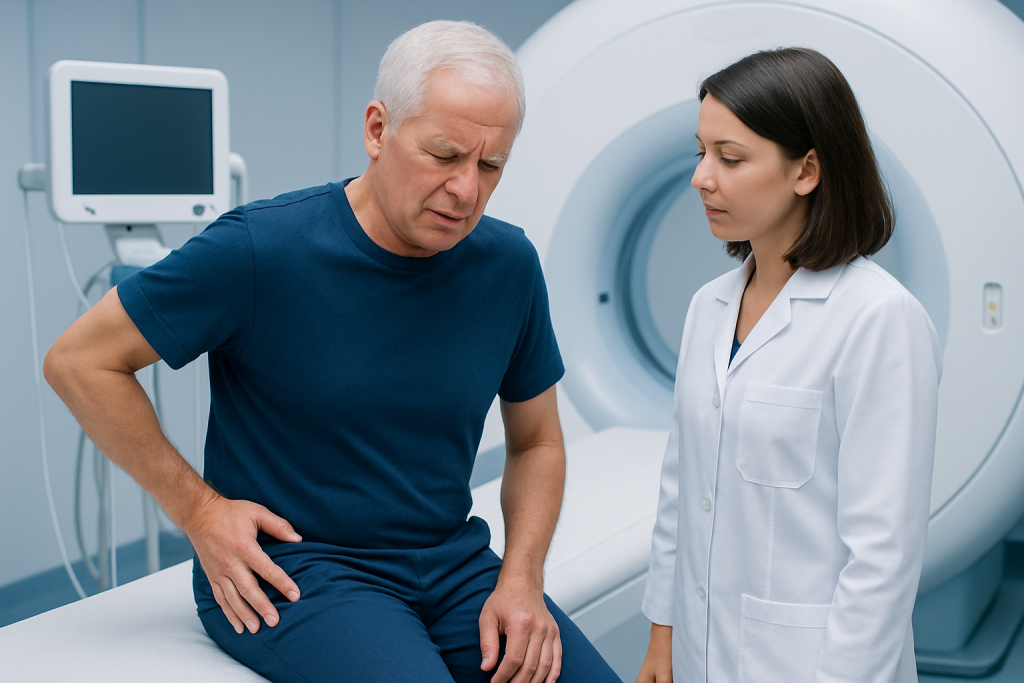
Hip flexor problems commonly cause pain at the front of the hip or in the groin, especially when lifting the knee, climbing stairs, rising from a low seat, or bringing the leg forward while walking. Some people notice stiffness after sitting for long periods, while others feel a sharp tug during a sprint, lunge, or sudden change of direction.
Symptoms can vary depending on whether the issue is a strain, tendon irritation, or tightness from overuse. A mild strain may cause soreness and a feeling of weakness, while a more significant injury can make it uncomfortable to walk normally or extend the hip fully.
- Pain in the front of the hip, groin, or lower abdomen
- Tightness or reduced range of motion
- Discomfort when lifting the knee
- Soreness after exercise or prolonged sitting
- Weakness or hesitation with stairs, running, or kicking
Hip flexor pain can sometimes overlap with pain from the back, hip joint, or pelvis. That is one reason a professional evaluation is useful if symptoms last, worsen, or do not match a typical muscle strain pattern.
Causes & Risk Factors
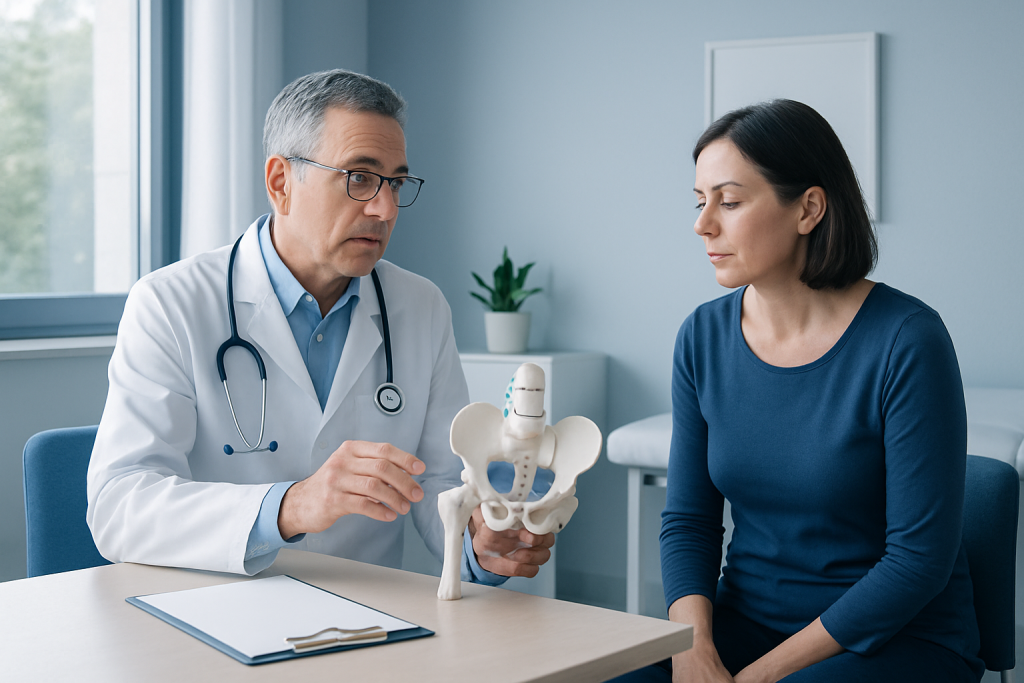
Hip flexor symptoms often develop when the muscles or tendons are asked to do more than they are prepared for. A sudden increase in running, soccer, dancing, cycling, hill training, or gym work can strain the tissues. Long hours of sitting may also contribute by keeping the hip flexors shortened and less tolerant of movement.
In some people, the problem is not a true injury but a combination of tightness, weakness, and poor movement mechanics. Weak gluteal muscles, limited core control, or changes in stride and posture can make the hip flexors compensate more than they should. This may be seen in runners, office workers, and athletes who train through fatigue.
Risk factors may include:
- Sudden change in training intensity or volume
- Repetitive kicking, sprinting, or climbing
- Prolonged sitting or limited daily movement
- Poor warm-up before exercise
- Prior hip, back, or pelvic injury
- Muscle imbalance or reduced flexibility
Not every pain at the front of the hip is a muscle problem. Arthritis, labral injury, hernia, stress injury, and tendon disorders can produce similar symptoms, which is why persistent complaints should not be self-diagnosed for too long.
Diagnosis
Diagnosis usually begins with a detailed history and physical examination. A doctor will ask when the pain started, what makes it better or worse, whether there was a specific event, and how the symptoms affect walking, sitting, stairs, and sport. They will also examine hip movement, muscle strength, tenderness, and posture.
In many straightforward cases, the examination is enough to identify a likely hip flexor strain or irritation. If the pain is ongoing, severe, associated with weakness, or not following a typical pattern, imaging may be recommended to look more closely at the muscles, tendons, bones, or joint.
Depending on the situation, a clinician may consider:
- X-rays to assess the bones and joint structure
- Ultrasound for some tendon or soft-tissue issues
- MRI for a more detailed view of muscle, tendon, cartilage, or deeper injury
For travelers or international patients, it can be helpful when diagnosis, imaging, and rehabilitation planning are coordinated in one setting. This reduces uncertainty and helps the patient understand both the cause of pain and the safest timeline for recovery.
Treatment Options
Treatment depends on the cause and severity of the problem. Many mild hip flexor strains improve with rest from painful activities, temporary activity modification, and guided rehabilitation. The goal is not complete inactivity, but giving the tissue time to recover while maintaining safe movement.
Early care often focuses on reducing irritation and restoring comfortable motion. This may include relative rest, short-term ice or heat use depending on preference and stage of injury, and a gradual return to walking or light mobility. A physical therapist can help design exercises that improve flexibility, strength, and control without overloading the area.
Common treatment approaches include:
- Activity modification rather than full immobilization
- Targeted stretching when appropriate, not forced stretching
- Strengthening of the core, glutes, and hip stabilizers
- Manual therapy or supervised rehabilitation when helpful
- Gradual return-to-sport or return-to-work progression
If the symptoms are caused by a different condition, treatment changes accordingly. For example, joint problems, tendon disorders, or hernias require a more specific plan. Surgery is not typical for a simple hip flexor strain, but it may be considered if another structural problem is identified.
Prevention & Self-care
Prevention starts with keeping the hips strong, mobile, and tolerant of daily demands. A good warm-up before exercise prepares the muscles for movement, while regular strengthening helps reduce the chance that the hip flexors will do all the work on their own.
Self-care is most effective when it is practical and gradual. People often do better when they avoid sudden bursts of activity after long sitting, increase training in small steps, and pay attention to early warning signs such as stiffness or a pulling sensation in the groin.
- Break up long periods of sitting with standing or short walks
- Warm up before running, cycling, or sports
- Build glute, core, and hip strength alongside flexibility
- Increase exercise load gradually
- Use good technique for lifting, lunging, and sprinting
- Stop and reassess if pain changes from mild soreness to sharp or persistent discomfort
For people recovering while traveling, simple consistency matters more than perfect routines. Light walking, gentle mobility work, and following the prescribed exercise plan can keep progress on track until follow-up care is available at home or at the treatment center.
When to See a Doctor
Medical assessment is advisable if hip pain is severe, lasts more than a short period, keeps returning, or limits ordinary activities such as walking, climbing stairs, or getting into a car. Evaluation is also important if the pain began after a fall, sudden pop, or Knee Pain Relief: Causes and Treatment" class="ahp-ilk">Pain Relief" class="ahp-ilk">sports injury.
It is sensible to seek care sooner if there is visible swelling, bruising, marked weakness, trouble bearing weight, numbness, fever, or pain that seems to come from the back or abdomen rather than the hip muscles alone. These features do not always indicate a serious problem, but they do justify a closer look.
People traveling for treatment should not wait until departure day if symptoms are changing. Early review can make diagnosis simpler and help avoid aggravating an injury during a flight, long drive, or demanding itinerary. At Acibadem Health Point, multidisciplinary specialists and JCI-accredited hospitals can help diagnose and treat hip flexor-related problems for international patients in a coordinated way.
Frequently asked questions
What are the hip flexors?
Hip flexors are a group of muscles and tendons that help lift the thigh and bend the hip. They are used in walking, climbing stairs, running, and many everyday movements.
How can someone tell if hip pain is from the hip flexors?
Hip flexor pain often feels like discomfort in the front of the hip or groin and may worsen when lifting the knee or getting up from sitting. Because several conditions can cause similar pain, a doctor’s exam is often needed to confirm the cause.
How long does a hip flexor strain take to heal?
Recovery time varies with the severity of the strain and how early treatment begins. Mild cases may improve relatively quickly, while more significant injuries can take longer and benefit from supervised rehabilitation.
Should a person stretch a painful hip flexor?
Gentle movement can be helpful, but forcing a painful stretch can make irritation worse. It is usually best to follow a clinician’s or physical therapist’s guidance on when and how to stretch.
Can sitting too much cause tight hip flexors?
Prolonged sitting can contribute to stiffness and reduced tolerance in the hip flexors. Regular movement breaks, walking, and balanced strengthening can help counter that effect.
When is imaging needed for hip flexor pain?
Imaging may be recommended if pain is persistent, severe, linked to weakness, or not improving as expected. It can help rule out other causes such as joint, tendon, or bone problems.
References
- Mayo Clinic
- Cleveland Clinic
- American Academy of Orthopaedic Surgeons
- National Health Service
- Hospital for Special Surgery
This article is for general information only and is not a substitute for professional medical advice. Please consult a qualified doctor about your individual situation.
More from the Health Library



Related Specialists

Prof. Dr. Ahmet Alanay
Orthopedic Surgery & Traumatology
Dr. Sinan Aksu
Orthopedic Surgery & Traumatology
Dr. Sirri Baştürk
Orthopedic Surgery & Traumatology
Prof. Dr. Korhan Özkan
Orthopedic Surgery & Traumatology