

Colles Fracture

Key Takeaways
- A Colles fracture is a break in the distal radius, the larger forearm bone near the wrist.
- Pain, swelling, bruising, and a visible change in wrist shape are common warning signs.
- Diagnosis usually includes a physical exam and X-rays to assess alignment and stability.
- Treatment may involve a splint, cast, closed reduction, or surgery depending on the fracture pattern.
- Recovery often includes hand therapy, gradual return to activity, and follow-up imaging when needed.
A Colles fracture is a common wrist injury in which the lower end of the radius bone breaks near the wrist and shifts backward. It is usually caused by a fall onto an outstretched hand and often improves well with timely diagnosis, proper immobilization, and rehabilitation.
Overview
A Colles fracture is a break in the lower end of the radius, one of the two bones in the forearm. The fracture occurs close to the wrist and typically leaves the broken end tilted or displaced backward, which can change the wrist’s normal contour.
This injury most often happens after a person falls and instinctively puts a hand out to break the fall. It is especially common in older adults, people with reduced bone density, and anyone whose wrist absorbs a sudden force during sports, slips, or everyday accidents. Although the name sounds specific, the condition is essentially a type of distal radius fracture.
For international patients who are deciding where to seek care, a Colles fracture is usually straightforward to evaluate quickly with imaging and an orthopedic examination. In most cases, prompt treatment helps restore alignment, reduce pain, and lower the chance of long-term stiffness or weakness.
Symptoms
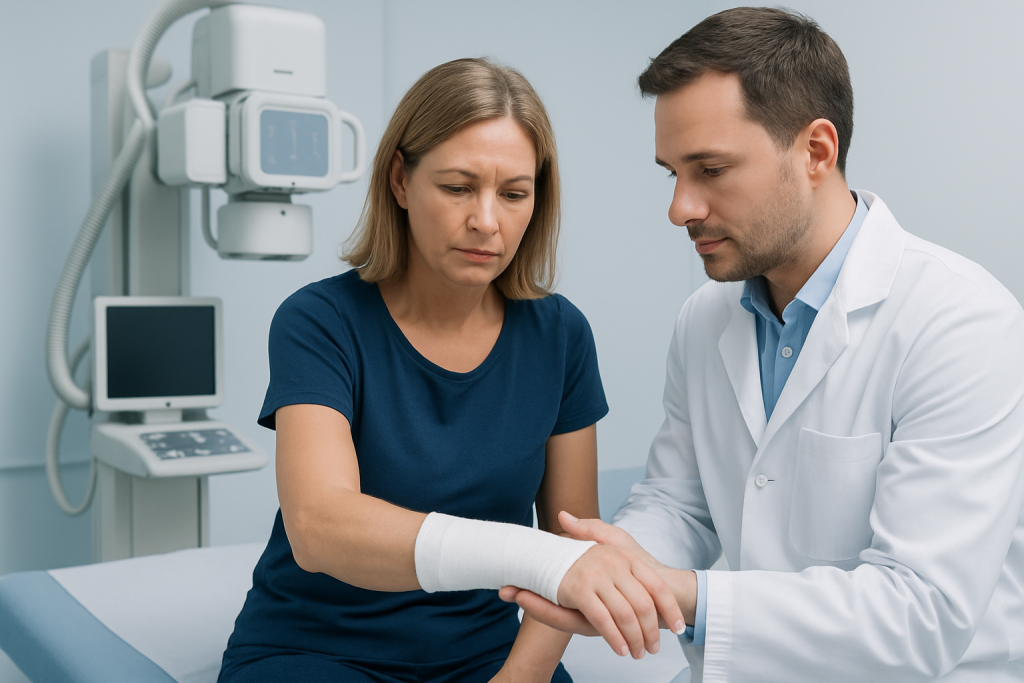
The first clue is often immediate wrist pain after a fall or impact. The wrist may swell quickly, and using the hand for even simple tasks such as turning a key, holding a phone, or lifting a cup can become difficult.
People may notice bruising, tenderness, or a sense that the wrist looks “bent” or out of place. In some cases, fingers can feel stiff or weak because swelling makes movement uncomfortable. Numbness or tingling is less common but deserves attention, as it can suggest pressure on nearby nerves.
Symptoms can vary depending on how much the bone has shifted and whether nearby structures were affected. A fracture that seems minor still deserves medical assessment, because some wrist injuries can look similar at first but need different treatment.
- Pain at the wrist or lower forearm
- Swelling and bruising
- Visible deformity or an unusual wrist angle
- Difficulty gripping or rotating the hand
- Tenderness when touching the area
Causes & Risk Factors
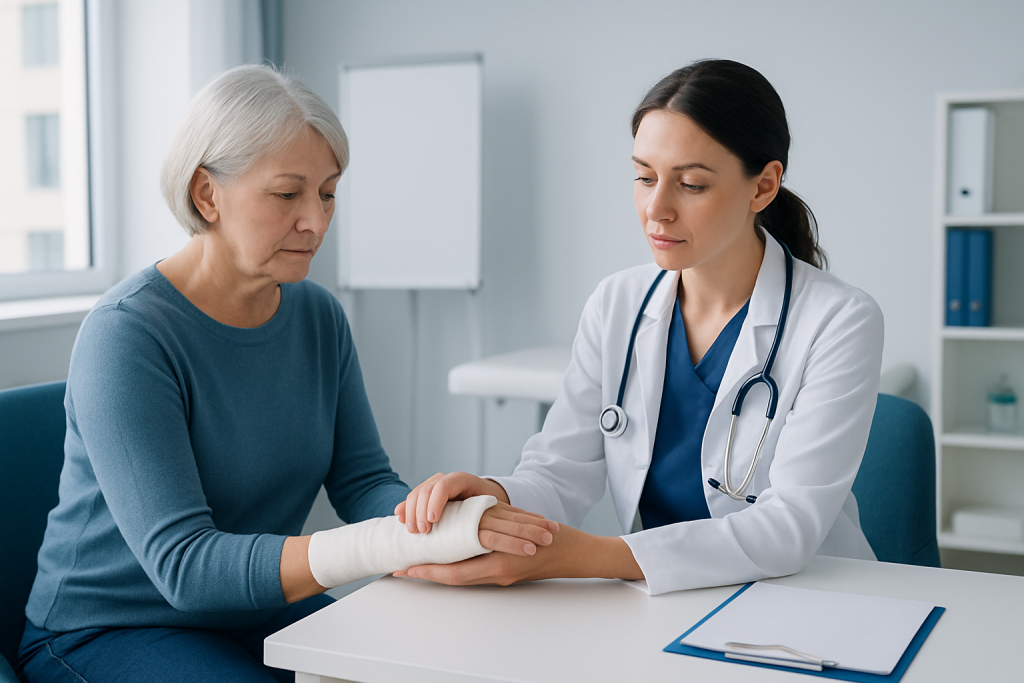
The most common cause is a fall onto an outstretched hand, often with the wrist extended. That force travels through the hand into the distal radius, and the bone may break if the impact is strong enough.
Risk is higher when bones are more fragile or balance is less stable. Older adults are more likely to develop this injury, particularly if they have osteoporosis or osteopenia. Postmenopausal women are also at increased risk because bone density can decline over time.
Other contributors include contact sports, skiing, cycling accidents, or any situation where the hands are used to brace a fall. Poor balance, vision problems, certain medications that increase fall risk, and previous wrist fractures can also make another injury more likely.
Children and younger adults can also sustain a Colles fracture, but in those age groups it is often linked to higher-energy trauma or athletic injury rather than bone fragility alone.
Diagnosis
Diagnosis begins with a medical history and physical examination. A clinician will ask how the injury happened, where it hurts, whether the hand can move, and whether there are any numbness, skin changes, or open wounds.
X-rays are the main test used to confirm a Colles fracture and show how the bone fragments are aligned. Images usually include more than one view so the care team can judge the amount of displacement, angulation, and whether the fracture extends into the joint.
In some cases, additional imaging such as a CT scan may be helpful, especially if the fracture is complex, involves the joint surface, or needs surgical planning. A careful exam also checks circulation, nerve function, and the condition of the surrounding tissues, because these details guide safe treatment.
For patients traveling from abroad, it is helpful to bring prior imaging if available and to share details about previous wrist injuries, bone health, and medications. That context can make the evaluation more efficient and support better follow-up planning once the patient returns home.
Treatment Options
Treatment depends on how far the bone has moved, whether the joint is involved, the patient’s age and activity level, and how stable the fracture appears. The main goal is to place the bone in a good position for healing and preserve wrist function.
Some fractures are treated with a splint or cast alone if the bones are already well aligned. If the bone is displaced, a clinician may perform a closed reduction, which means carefully moving the bone back into position without surgery before applying a cast or splint.
When the fracture is unstable, significantly displaced, or involves the joint in a way that may affect function, surgery may be recommended. Surgical options can include plates, screws, or pins to hold the bone while it heals. The choice depends on the fracture pattern and the patient’s overall health.
Pain control, swelling management, and protecting the wrist are part of early care. Once the bone has begun to heal, rehabilitation often becomes important to recover motion, strength, and confidence in using the hand again.
- Immobilization: splint or cast for stable fractures
- Closed reduction: realigning the bone without an incision
- Surgery: fixation for unstable or complex fractures
- Rehabilitation: guided exercises and hand therapy after initial healing
Prevention & Self-care
Not every fracture can be prevented, but the risk can often be reduced. Protecting bone health, improving balance, and making home environments safer are practical ways to lower the chance of a fall-related wrist injury.
For older adults, regular bone health evaluation can be useful, especially if there is a history of fractures, menopause-related bone loss, or other osteoporosis risk factors. Adequate calcium, vitamin D, weight-bearing exercise, and treatment for bone thinning when prescribed by a clinician may support stronger bones over time.
At home, removing loose rugs, improving lighting, wearing supportive footwear, and using handrails on stairs can reduce fall risk. During recovery, the wrist should be protected exactly as instructed, and swelling can often be eased by elevation and movement of the fingers if allowed by the care team.
After the initial phase, patients are usually encouraged to follow the rehabilitation plan closely. Gentle exercises, proper splint or cast care, and regular check-ins help prevent stiffness and support a safer return to work, travel, and daily activities.
When to See a Doctor
Anyone with wrist pain after a fall or impact should be evaluated promptly, especially if the wrist looks deformed, swelling is rapid, or movement is very limited. Early assessment helps distinguish a Colles fracture from a sprain, dislocation, or another type of fracture.
Medical attention is particularly important if there is numbness, tingling, coolness in the hand, severe swelling, an open wound, or pain that is not easing with rest. These findings may signal a more urgent problem that needs same-day treatment.
Even after the bone is treated, follow-up is important if pain worsens, fingers become stiff or discolored, or the cast or splint feels too tight. Patients traveling internationally should plan follow-up before departure so healing can continue smoothly and any rehabilitation needs are clear. Acibadem Health Point’s multidisciplinary specialists and JCI-accredited hospitals diagnose and treat this condition for international patients with coordinated orthopedic care.
Recovery and Outlook
Most Colles fractures heal well when the bone is aligned properly and the wrist is protected during the early healing period. Recovery time varies, but stiffness and weakness are common at first and usually improve with consistent rehabilitation.
Some people regain full function quickly, while others need longer therapy to restore motion, especially if the fracture was severe or involved surgery. Older adults may need more time to rebuild strength and confidence in the hand, but a steady rehabilitation plan often makes a meaningful difference.
Possible complications can include stiffness, malunion, lingering pain, tendon irritation, or post-traumatic arthritis if the joint surface was involved. These outcomes are not inevitable, but they are reasons follow-up care matters.
With proper treatment and guided exercises, many patients return to normal daily routines, work, and recreational activities. The recovery plan is usually individualized so that healing is supported without rushing the wrist before it is ready.
Frequently asked questions
What is the difference between a Colles fracture and a regular wrist fracture?
A Colles fracture is a specific type of wrist fracture involving the distal radius, usually with the broken bone shifting backward. Not every wrist fracture is a Colles fracture, because other bones, directions of displacement, or joint patterns may be involved. An X-ray is needed to tell the difference.
Can a Colles fracture heal without surgery?
Yes, many Colles fractures heal without surgery if the bone is stable and remains in a good position after reduction or immobilization. Surgery is usually reserved for fractures that are displaced, unstable, or involve the joint surface in a way that could affect function. The treatment plan depends on the individual fracture pattern.
How long does recovery usually take?
Healing time varies with age, fracture severity, and treatment type. Bone healing often takes several weeks, and wrist strength and motion may improve gradually over a longer period with rehabilitation. A clinician can give a more personalized timeline after reviewing the imaging and exam findings.
Will the wrist be normal again after healing?
Many people regain very good function, especially when the fracture is treated promptly and rehabilitation is followed carefully. Some stiffness, soreness, or reduced strength can persist for a while, and a small number of patients may have lasting changes if the fracture was complex. Follow-up helps identify and manage these issues early.
Is a Colles fracture an emergency?
It is not always an emergency, but it does need timely medical assessment. Urgent evaluation is important if the wrist is deformed, the hand is numb or cold, pain is severe, or there is an open wound. Prompt care improves the chance of proper alignment and recovery.
What can be done at home while waiting for treatment?
The wrist should be kept still and elevated if possible, and ice can help reduce swelling if it is safe to apply and wrapped in cloth. Jewelry should be removed from the injured hand before swelling increases. It is best not to try to force the wrist back into place.
References
- American Academy of Orthopaedic Surgeons
- Mayo Clinic
- National Institute of Arthritis and Musculoskeletal and Skin Diseases
- NHS
- Merck Manual Professional Edition
This article is for general information only and is not a substitute for professional medical advice. Please consult a qualified doctor about your individual situation.
More from the Health Library



Related Specialists

Prof. Dr. Ahmet Alanay
Orthopedic Surgery & Traumatology
Dr. Sinan Aksu
Orthopedic Surgery & Traumatology
Dr. Sirri Baştürk
Orthopedic Surgery & Traumatology
Prof. Dr. Korhan Özkan
Orthopedic Surgery & Traumatology