

Arthrodesis

Key Takeaways
- Arthrodesis joins bones across a damaged joint to reduce pain and improve stability.
- It is commonly used for joints such as the spine, ankle, wrist, foot, thumb, or fingers in selected cases.
- Recovery usually takes time because the bones must heal together before the joint becomes fully stable.
- The procedure may improve function by easing pain, even though the fused joint will no longer move normally.
- Rehabilitation, activity changes, and follow-up imaging are important parts of successful healing.
Arthrodesis is a surgical procedure that fuses a joint so the bones grow together into one stable unit. It is often considered when pain, deformity, or instability make daily movement difficult and other treatments have not helped.
Overview
Arthrodesis, also called joint fusion, is an operation in which a surgeon permanently joins two or more bones across a joint. The goal is not to restore motion in that joint, but to create a more stable, less painful connection when movement has become a problem rather than a benefit.
In everyday terms, arthrodesis is often chosen when a joint has been worn down, damaged by arthritis, destabilized by injury, or made painful by deformity. By removing the movement at that joint, the procedure can help the surrounding structures work more predictably and reduce the discomfort that comes with ongoing grinding or instability.
The idea may sound counterintuitive at first, especially for people who expect surgery to “fix” a joint by making it move again. In some situations, though, the most helpful solution is a stable joint that no longer hurts with each step, grip, or twist. For international patients planning Herniated Disc Treatment Abroad: Injection, Rehab, or Surgery?" class="ahp-ilk">treatment abroad, this also means considering how much recovery time will be needed before traveling home and how follow-up care will be arranged after the bones begin to heal.
Symptoms
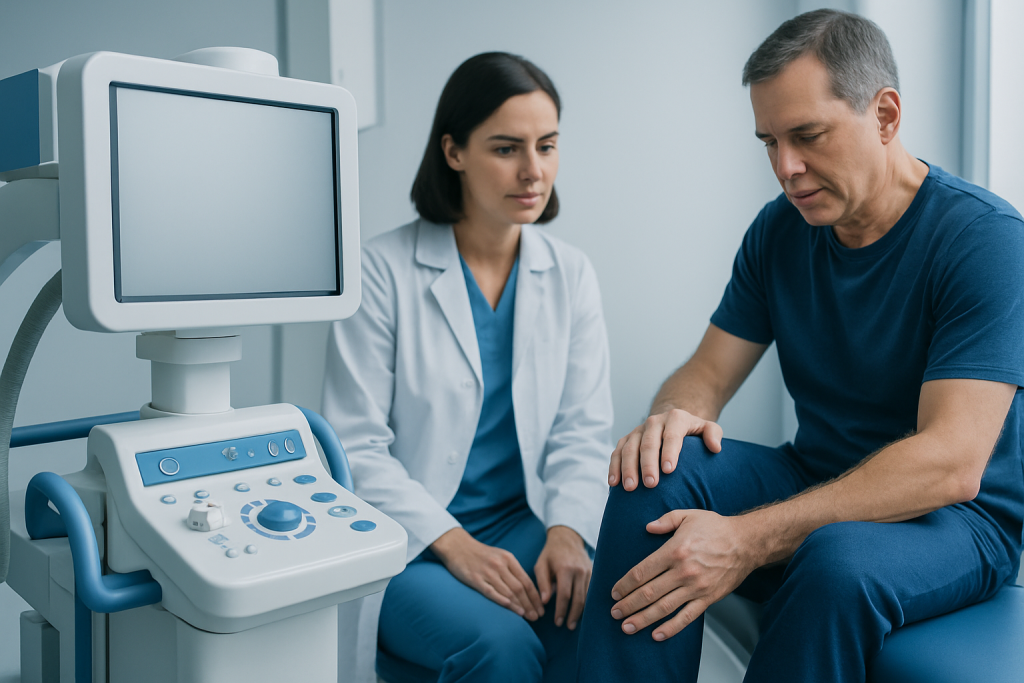
Arthrodesis is not a symptom itself; it is a treatment considered after a joint problem becomes persistent. The people who are most often evaluated for joint fusion usually describe long-lasting pain, stiffness, or a sense that the joint is unreliable during walking, standing, lifting, or other routine movement.
Common problems that may lead a doctor to discuss arthrodesis include:
- Deep joint pain that continues despite medication, rest, braces, or therapy
- Marked stiffness that limits daily function
- Instability or repeated giving way of the joint
- Deformity that changes posture, gait, or hand use
- Painful arthritis that has progressed enough to affect quality of life
Because the fused joint will no longer move normally, the expected benefit is usually less pain and more stability, not improved flexibility. Patients are often advised to think carefully about which activities matter most to them, since the trade-off between motion and comfort is central to the decision.
Causes & Risk Factors
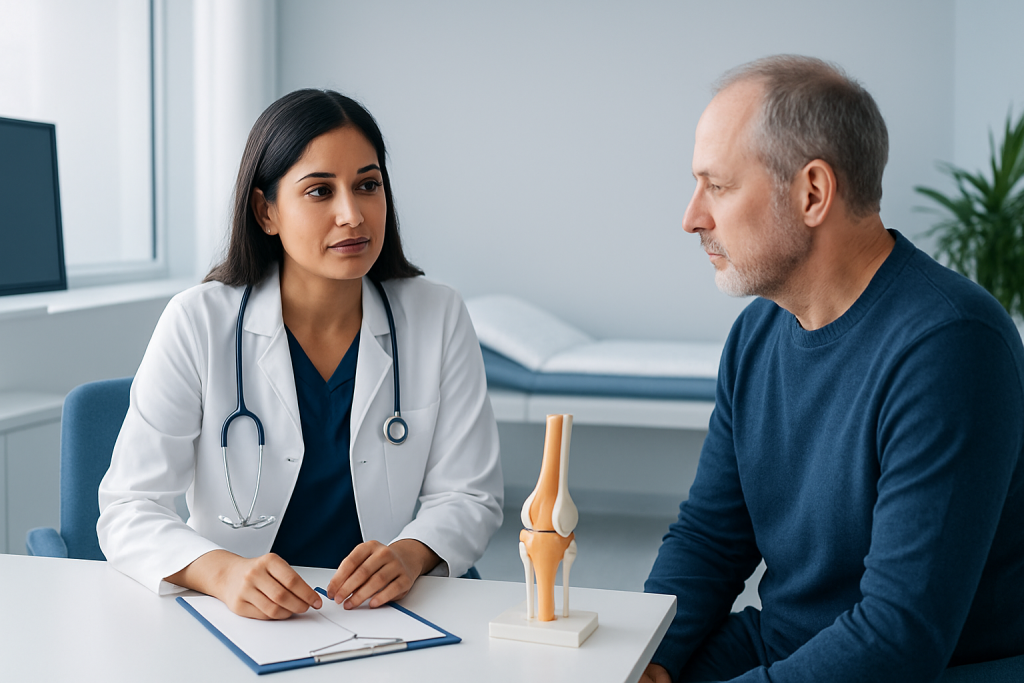
Several conditions can damage a joint enough that fusion becomes a reasonable option. Advanced osteoarthritis is one of the most common reasons, but arthrodesis may also be considered after severe trauma, failed previous surgery, inflammatory arthritis, infection-related joint destruction, or deformity that cannot be corrected in a simpler way.
Risk factors vary by joint and diagnosis, but they often include long-term mechanical stress, prior fractures, chronic inflammation, congenital differences, or past procedures that did not produce durable relief. In some cases, a joint becomes painful because the normal surfaces have already been lost, making smooth movement unrealistic.
Healing after arthrodesis can be more challenging in people who smoke, have poorly controlled diabetes, have poor circulation, have low bone quality, or take certain medicines that affect bone healing. Doctors usually review these issues carefully before recommending surgery because the success of fusion depends on the bones joining solidly over time.
Diagnosis
Before arthrodesis is recommended, the care team works to understand exactly why the joint is painful and whether other treatments have already been tried. The evaluation often begins with a history of symptoms, a physical examination, and imaging studies that show the extent of joint damage or deformity.
X-rays are commonly used to look for arthritis, alignment problems, bone loss, or signs of old injury. Depending on the joint, MRI or CT scans may help show cartilage damage, bone quality, or the best surgical approach. The doctor may also check walking patterns, limb alignment, nerve function, or hand grip, since these details can affect the choice of procedure.
For patients traveling internationally, the diagnostic process may be organized efficiently, but it still needs to be thorough. A good surgical plan depends on understanding the full history, any previous operations, current medications, and expectations for recovery back home.
Treatment Options
Arthrodesis is one option within a wider orthopedic treatment plan. In some cases, non-surgical care such as activity modification, footwear changes, braces, anti-inflammatory medicines, injections, or physical therapy may help enough to delay or avoid surgery. When those measures no longer provide acceptable relief, fusion may be discussed alongside other surgical choices.
The procedure itself usually involves preparing the joint surfaces, removing damaged tissue, and positioning the bones so they heal in the best alignment. Metal screws, plates, rods, or other fixation devices are often used to hold the bones still while fusion occurs. Depending on the joint, bone graft may be added to encourage healing.
Recovery is usually gradual. The joint is protected while the bones knit together, and follow-up imaging may be used to confirm progress. Rehabilitation can include guided exercises for nearby joints, gait training, splinting, or weight-bearing restrictions, all of which are tailored to the specific joint that was fused.
It is also important to understand the practical effect of surgery: arthrodesis removes motion at the treated joint, but it may make everyday life easier by reducing pain and preventing harmful movement. That is why careful planning matters, especially for patients who need to balance surgery with work, family responsibilities, and travel arrangements.
Prevention & Self-care
Not every case of joint damage can be prevented, but people can often reduce stress on the joints and support overall musculoskeletal health. Early treatment of arthritis or injury, maintaining a healthy body weight, using proper footwear or supports, and following medical advice after a fracture or ligament injury may all help protect joint function.
For someone recovering from arthrodesis, self-care is a key part of healing. Protecting the surgical site, attending follow-up visits, and following weight-bearing or activity instructions can make a meaningful difference. It is also wise to avoid smoking, since nicotine is associated with poorer bone healing.
- Keep the surgical area clean and protected as instructed
- Use crutches, boots, splints, or braces exactly as directed
- Move adjacent joints when permitted to reduce stiffness elsewhere
- Maintain a nutritious diet and good hydration during recovery
- Report new swelling, severe pain, fever, or wound changes promptly
International patients should plan ahead for the period after discharge, including medication access, transportation support, and a local clinician who can help with wound checks or later imaging if needed.
When to See a Doctor
A doctor should be consulted when joint pain is lasting, worsening, or beginning to interfere with walking, hand use, work, sleep, or daily tasks. If a joint feels unstable, deformed, or increasingly stiff despite conservative treatment, an orthopedic evaluation can clarify whether arthrodesis or another approach is more appropriate.
Urgent medical attention is needed if there is sudden severe pain after injury, inability to bear weight, a visibly abnormal joint position, signs of infection such as fever or drainage, numbness, or loss of circulation in the affected area. These symptoms need prompt assessment rather than watchful waiting.
For people considering surgery abroad, it helps to ask how the diagnosis was confirmed, what alternatives were considered, how long recovery is expected to take, and what follow-up plan will be available after returning home. Acibadem Health Point’s multidisciplinary specialists and JCI-accredited hospitals diagnose and treat arthrodesis-related conditions for international patients with coordinated care from consultation through follow-up planning.
Frequently asked questions
What is arthrodesis used for?
Arthrodesis is used to fuse a painful or unstable joint so it becomes more stable and usually less painful. It is considered when the joint is so damaged that preserving movement is no longer the best option.
Will I lose movement after arthrodesis?
Yes, the fused joint will no longer move normally. The trade-off is that many patients gain better pain control and stability, which can make daily activities easier overall.
How long does recovery take after joint fusion?
Recovery varies by the joint involved and the person’s overall health. Bone healing takes time, so follow-up visits and imaging are often needed before full activity is resumed.
Is arthrodesis the same as joint replacement?
No. Joint replacement removes damaged joint surfaces and replaces them with an artificial implant, while arthrodesis permanently joins the bones together. The right choice depends on the joint, the cause of damage, and the patient’s goals.
Can arthrodesis be done for arthritis?
Yes, it can be considered for severe arthritis when pain and instability are not adequately managed by non-surgical treatments. The surgeon will usually discuss whether fusion or another procedure is the better fit for the affected joint.
What can help the bones fuse well after surgery?
Following weight-bearing instructions, avoiding smoking, attending follow-up visits, and keeping chronic conditions well managed can support healing. The care team may also recommend nutrition and rehabilitation measures to protect the fusion while it matures.
References
- American Academy of Orthopaedic Surgeons
- Mayo Clinic
- National Institute of Arthritis and Musculoskeletal and Skin Diseases
- NHS
This article is for general information only and is not a substitute for professional medical advice. Please consult a qualified doctor about your individual situation.
More from the Health Library



Related Specialists
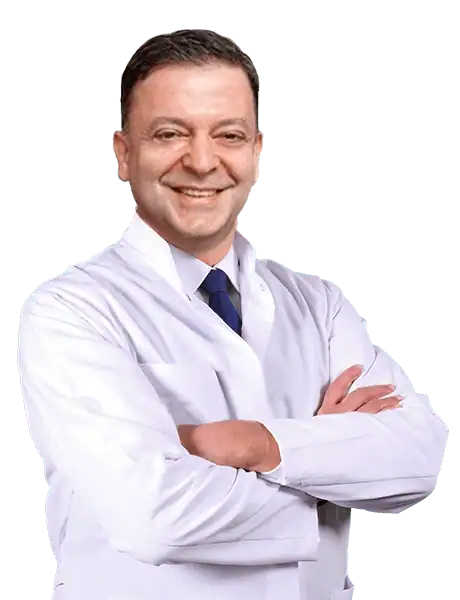
Prof. Dr. Ahmet Alanay
Orthopedic Surgery & Traumatology
Dr. Sinan Aksu
Orthopedic Surgery & Traumatology
Dr. Sirri Baştürk
Orthopedic Surgery & Traumatology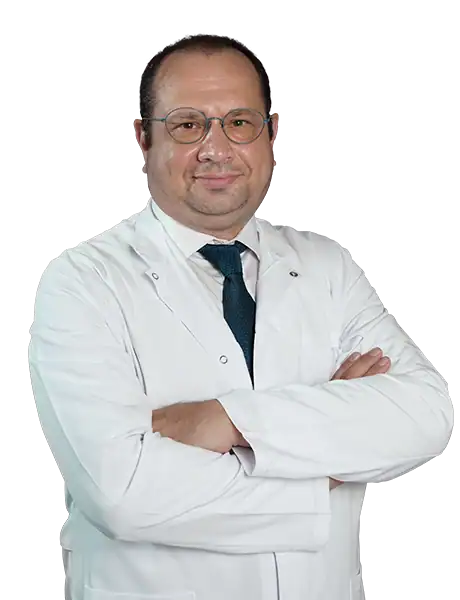
Prof. Dr. Korhan Özkan
Orthopedic Surgery & Traumatology