Bone Fracture Surgery Abroad: Which Breaks Need Plates, Screws, or Just Time

Key Takeaways
- Some fractures heal well with a cast, brace, or splint, while others need plates, screws, nails, or pins to keep the bone aligned.
- The decision for surgery depends on the fracture pattern, location, stability, blood supply, skin condition, and the patient’s activity level.
- Modern imaging helps orthopedic surgeons see whether a break is stable, displaced, or likely to heal poorly without fixation.
- International patients should plan for follow-up, mobility support, and safe travel before returning home after fracture surgery.
Not every broken bone needs an operation. The choice between surgery, immobilization, and watchful healing depends on the bone involved, how far the fracture has shifted, and the patient’s overall health and travel needs.
Overview
A broken bone is not one single problem. A hairline crack in a rib, a wrist fracture after a fall, and a shattered ankle from a road accident can all be described as fractures, yet they may need very different treatment. Some breaks settle with time, protection, and close monitoring. Others are more stable only after an orthopedic surgeon places a plate, screw, pin, rod, or external frame.
That decision matters even more for people who seek care abroad. The best treatment plan is not simply the one that sounds most advanced. It is the one that restores alignment, protects healing, fits the patient’s general health, and can be followed safely once travel resumes. A thoughtful orthopedic team will look at the fracture itself, the patient’s daily needs, and the practical reality of recovery in another country.
In many cases, the first question is not “Does this fracture need surgery?” but “Will this bone heal in the right position on its own?” If the answer is yes, time, immobilization, and rehabilitation may be enough. If the answer is no, surgery can help prevent long-term pain, deformity, stiffness, and loss of function.
Symptoms
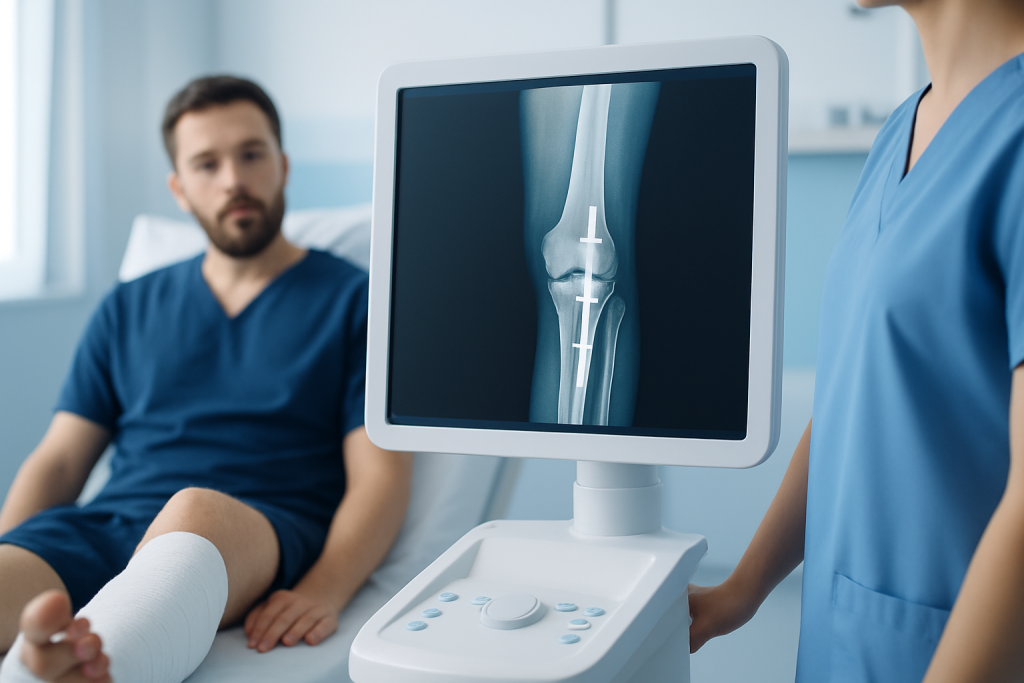
Most fractures announce themselves quickly. Pain is usually immediate, and it often worsens with movement or pressure. Swelling, bruising, tenderness, and an inability to use the injured limb are common, though the exact pattern depends on where the bone is broken.
Some fractures are obvious because the limb looks crooked or shortened. Others are more subtle, especially small cracks, stress fractures, or breaks in larger bones with plenty of surrounding tissue. A person may still be able to walk or move the area, which is one reason fractures are sometimes mistaken for sprains at first.
Warning signs that deserve urgent medical attention include:
- Visible deformity or bone showing through the skin
- Numbness, tingling, or weakness below the injury
- Coldness, pale color, or poor pulse in the hand or foot
- Severe swelling or pain that is rapidly worsening
- Inability to bear weight after a leg or ankle injury
These symptoms do not automatically mean surgery is needed, but they do suggest that prompt evaluation is important. Early imaging and careful examination help determine whether the fracture is stable or likely to shift further.
Causes & Risk Factors
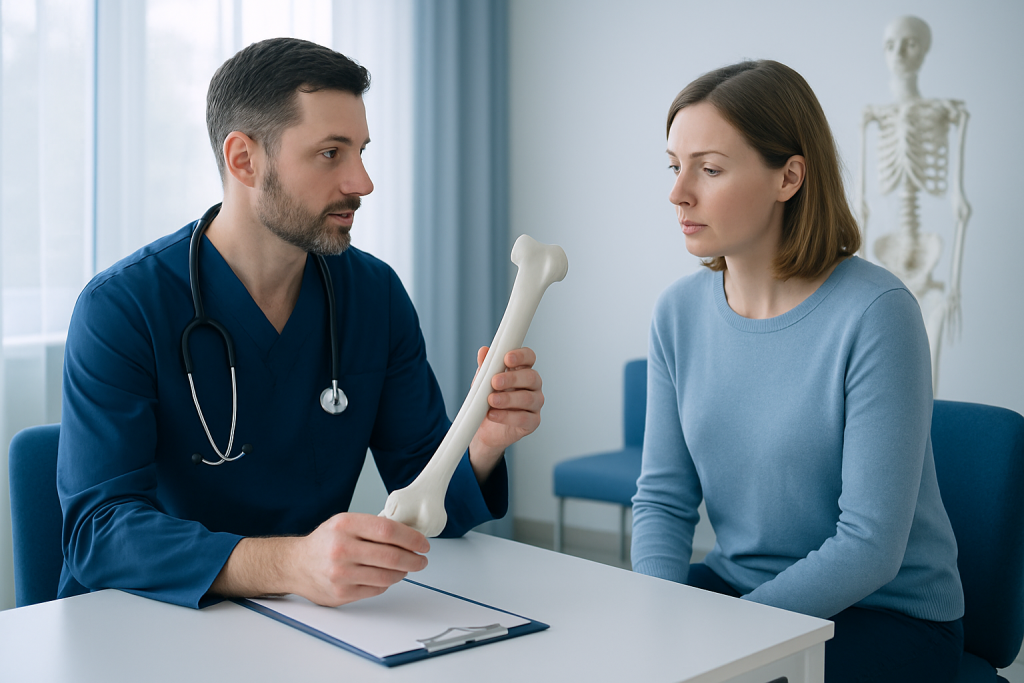
Fractures happen when force exceeds the strength of the bone. A car accident, sports collision, hard fall, or direct blow can break a healthy bone. Other fractures occur more quietly, such as stress fractures from repetitive activity or low-impact injuries in bones weakened by osteoporosis or other medical conditions.
Whether a fracture needs plates or screws depends less on the cause alone and more on the pattern of the break. A simple, well-aligned fracture in a younger person may heal without surgery. By contrast, a displaced fracture, an unstable joint fracture, or a break that splinters into several pieces is more likely to need fixation.
Factors that can make healing more complex include:
- Older age or reduced bone density
- Smoking or poor circulation
- Diabetes or other conditions that affect healing
- Severe soft tissue injury around the bone
- Open fractures with skin or wound contamination
- Fractures near a joint, where alignment is especially important
For international patients, another practical factor is timing. A person who is traveling soon after injury may need a plan that balances safe immobilization, surgical timing, and the logistics of flying or returning home with limited mobility.
Diagnosis
Orthopedic diagnosis begins with a careful history and physical examination. The surgeon or emergency team will ask how the injury happened, where the pain is, whether the person can move or bear weight, and whether any numbness or circulation problems are present. They will also check the skin, nearby joints, and the position of the limb.
X-rays are the starting point for most fractures. They show the line of the break, the amount of displacement, and whether the bone pieces are aligned. In more complex injuries, a CT scan may be used to map the fracture in greater detail, especially around the hip, pelvis, wrist, shoulder, or joint surfaces. MRI is less common for acute fractures but can help when a hidden fracture or associated soft tissue injury is suspected.
Diagnosis is not just about naming the fracture. It is also about deciding whether the bone is stable enough for non-surgical care. Doctors may consider:
- How far the bone ends have moved apart
- Whether the fracture involves a joint surface
- Whether the bone is likely to shorten, rotate, or heal in a poor position
- Whether nearby nerves, vessels, or skin are affected
For patients considering treatment abroad, clear image review and a written care plan are especially useful. They make it easier to explain the injury to future doctors at home and support a smooth handoff for follow-up.
Treatment Options
Treatment is chosen based on the fracture’s stability, location, and healing potential. Some bones are well suited to conservative care. A stable wrist fracture, for example, may heal in a cast or splint if the alignment is acceptable and remains so on follow-up imaging. The same approach may work for certain rib, toe, finger, or nondisplaced ankle fractures.
Surgery is more likely when a fracture is displaced, unstable, open, or inside a joint. Plates and screws are common when a surgeon needs to hold bone fragments in a very precise position. Screws may be used alone for some fracture patterns, while rods or nails are often chosen for long bones such as the femur or tibia. Pins or wires may help in smaller bones or in fractures that require temporary stabilization. In some cases, an external fixator is used, especially when the soft tissues need time to recover before definitive repair.
The phrase “just time” is often shorthand for a structured non-surgical plan. That usually includes immobilization, pain control, activity modification, and repeat imaging to ensure the bone is staying aligned. Healing is not passive; it is monitored. If the bone starts to shift, the plan may change.
Typical considerations in choosing surgery versus non-surgical care include:
- Type and location of fracture
- Degree of displacement or angulation
- Joint involvement
- Patient age, bone quality, and medical history
- Ability to follow restrictions and attend follow-up visits
After surgery, patients may need a cast, boot, sling, or limited weight-bearing for a period of time. Rehabilitation is often part of the plan because bones heal in stages, and muscles and joints can become stiff if they are not gradually reintroduced to movement.
Prevention & Self-care
Not every fracture can be prevented, but healing can be supported. The most important early step is to protect the injury and avoid forcing movement. If a fracture is suspected, the limb should be kept still until medical assessment is complete. Ice may help with swelling in the first day or two, and elevation can also reduce throbbing.
After a doctor has confirmed the treatment plan, self-care becomes more specific. A person in a cast or brace should keep the area dry if instructed, watch for increasing pain or pressure, and follow guidance on weight-bearing. After surgery, wound care, medication use, and follow-up appointments are key. Physiotherapy is often introduced at the right time to reduce stiffness and help restore strength and coordination.
Bone health also matters. Adequate protein, calcium, vitamin D, and overall nutrition support recovery, though supplements should be discussed with a clinician rather than started automatically. Avoiding smoking and limiting alcohol are also sensible steps, since both can interfere with healing.
For patients recovering abroad, practical planning makes a difference. Before leaving the treatment country, they should ask for:
- A written summary of the fracture and procedure
- Imaging reports and discharge instructions
- Guidance on travel timing and movement restrictions
- Advice on what symptoms should prompt urgent review after returning home
Acibadem Health Point’s multidisciplinary specialists and JCI-accredited hospitals can diagnose and treat bone fractures for international patients, while helping them organize a safer recovery path across borders.
When to See a Doctor
A doctor should evaluate any suspected fracture promptly, especially if there is deformity, severe pain, numbness, an open wound, or inability to use the limb. Even when the injury seems mild, medical assessment is important if pain does not improve, swelling is significant, or walking and hand function are affected. A fracture that looks minor on the outside can still require imaging to confirm the best treatment.
Urgent care is needed if the person has a cold or pale limb, worsening tight swelling, or pain that feels out of proportion to the injury. These can signal circulation or pressure problems that should not wait. The same applies if a cast or splint suddenly becomes too tight or fingers and toes become numb or discolored.
Patients traveling from another country should contact a doctor before flying if the injury is recent, surgery has been planned, or mobility is limited. Safe timing for travel depends on the fracture, the procedure, and the risk of swelling or blood clots. A clear orthopedic plan helps avoid last-minute complications and makes the return home more predictable.
Recovery and Follow-up Across Borders
Recovery after fracture treatment is often a sequence of milestones rather than a single event. Pain should steadily ease, swelling should gradually settle, and function should return in phases. Follow-up visits and repeat imaging are used to confirm that the bone is healing in the expected position, whether the treatment was surgical or non-surgical.
For international patients, continuity matters. The team that treats the fracture abroad should ideally help prepare a handover for the next doctor at home. That handover may include the exact fracture diagnosis, hardware details if surgery was performed, weight-bearing status, and the timeline for suture removal, cast changes, and rehabilitation. When these details are clear, local care becomes easier to continue.
Healing times vary widely, and patients should not compare one fracture to another. A finger fracture, an ankle fracture, and a femur fracture do not follow the same schedule. The safest approach is to let the orthopedic team guide activity, travel, and return-to-work decisions rather than relying on a general timeline found online.
Frequently asked questions
How do doctors decide whether a fracture needs plates or screws?
They look at the fracture’s stability, the amount of displacement, whether the joint is involved, and the person’s overall health. If the bone is unlikely to stay aligned on its own, fixation with plates, screws, rods, or pins may be recommended.
Can a broken bone heal without surgery?
Yes, many fractures heal well with a cast, brace, splint, or simple protection from movement. Non-surgical treatment works best when the bone pieces are well aligned and the fracture is stable enough to stay that way.
What does it mean when a fracture is displaced?
A displaced fracture means the bone ends are no longer in their normal position. This can make healing less reliable and may increase the chance that surgery is needed to restore alignment.
Is surgery always better than waiting?
No. Surgery can be very helpful for certain fractures, but it is not automatically the best choice for every break. The goal is to choose the safest method that gives the bone the best chance to heal correctly and function well.
How long should someone wait before traveling after fracture surgery?
That depends on the type of fracture, the operation performed, swelling, pain control, and overall mobility. The treating surgeon should give personalized advice, especially if the patient will be flying or crossing borders soon after treatment.
What should an international patient bring home after treatment abroad?
A discharge summary, imaging reports, implant details if surgery was done, medication instructions, and follow-up recommendations are all important. These documents help a local doctor continue care smoothly after the patient returns home.
References
- American Academy of Orthopaedic Surgeons
- National Institute of Arthritis and Musculoskeletal and Skin Diseases
- Mayo Clinic
- NHS
This article is for general information only and is not a substitute for professional medical advice. Please consult a qualified doctor about your individual situation.