Pilonidal Sinus Surgery
Pilonidal sinus surgery removes the infected sinus tract and surrounding affected tissue to prevent recurrent pain, swelling, and drainage. It is a common definitive treatment for pilonidal disease, especially when symptoms keep…

Quick answer
Pilonidal sinus surgery removes the infected sinus tract and surrounding affected tissue to prevent recurrent pain, swelling, and drainage. It is a common definitive treatment for pilonidal disease, especially when symptoms keep returning.
Medically reviewed by the Acıbadem clinical team — June 12, 2026
Pilonidal Sinus Surgery: when recurring pain and drainage stop being a temporary problem
Pilonidal disease can be deceptively disruptive. For some people, it begins as a small tender spot near the tailbone. For others, it becomes a cycle of swelling, drainage, discomfort when sitting, and repeated courses of antibiotics or incision and drainage. Many patients describe feeling frustrated because the problem seems to improve, then return again. That uncertainty can affect work, travel, exercise, and everyday routines in a very practical way.
Pilonidal sinus surgery is considered when the condition keeps coming back, does not heal fully, or causes ongoing symptoms that interfere with daily life. The goal is not simply to treat an active flare. It is to remove the sinus tract and affected tissue so the source of recurrence is addressed more definitively. For patients who have already been through multiple episodes, surgery can offer a clearer path forward than repeated temporary measures.
Choosing surgery is not always an easy decision. Patients often want to know whether the operation is really necessary, how painful recovery will be, how long they will be away from work, and whether the problem could return. These are reasonable questions. Good surgical planning takes them seriously. At Acibadem, evaluation begins with understanding the full history of the condition, the pattern of infection or drainage, and the type of anatomy involved, because the best operation depends on the individual case.
What pilonidal sinus surgery is
Pilonidal sinus surgery is an operation designed to treat pilonidal disease by removing the sinus opening, the tract beneath the skin, and any surrounding inflamed or infected tissue that is contributing to recurrence. A pilonidal sinus is a small channel under the skin, usually in the crease between the buttocks near the tailbone. It can trap hair, debris, and bacteria, which may lead to repeated inflammation or abscess formation.
There is not just one surgical technique for pilonidal disease. The approach may range from limited excision to a more extensive removal of the affected area, with closure of the wound in a way that reduces tension and helps the area heal more predictably. In some cases, the wound is left open to heal gradually from the inside out. In others, the surgeon may close the area with a technique that moves the incision away from the midline, because midline wounds are more prone to breakdown and recurrence.
The choice of operation depends on whether the disease is an initial or recurrent episode, whether there is active infection, how extensive the sinus tracts are, and whether the patient has had prior procedures. The aim is always the same: to remove diseased tissue while supporting durable healing and minimizing the chance of further episodes. That balance matters, because pilonidal surgery is not just about removing a lesion; it is about selecting the right operation for the right anatomy and the right stage of disease.
Who may need pilonidal sinus surgery
Not every pilonidal cyst or sinus requires surgery right away. Some early or mild cases may respond to drainage of an abscess, hygiene measures, hair removal strategies, and local wound care. Surgery is more often considered when symptoms recur, when the sinus does not close, or when the condition begins to interfere with normal life in a repeated pattern.
Typical symptoms include pain or tenderness near the tailbone, swelling, redness, a draining opening in the crease between the buttocks, a foul-smelling discharge, and occasional fever if an abscess is present. Some patients notice only a small opening or intermittent drainage, while others experience a painful lump that becomes suddenly worse. Sitting for long periods, driving, cycling, or physical work may become uncomfortable. In some cases, the condition appears after an abscess has been drained, but the underlying sinus remains and later flares again.
Diagnosis is usually based on a physical examination and the patient’s history. In many cases, imaging is not needed. However, if the anatomy is unclear, if the disease seems unusually extensive, or if another diagnosis must be excluded, ultrasound or other imaging may be used to clarify the extent of the sinus tracts. A careful examination helps distinguish pilonidal disease from other causes of pain or drainage in the natal cleft, including perianal conditions.
Patients who may be considered for surgery often fall into one of several situations: repeated abscesses, persistent drainage despite conservative care, chronic sinus formation, recurrent disease after prior incision and drainage, or a large or complex sinus with multiple openings. Some patients come after years of intermittent symptoms and want a definitive treatment plan. Others are referred after an acute infection settles, when the surgeon can assess whether interval surgery would be appropriate once inflammation is controlled.
Conditions and indications this surgery addresses
Pilonidal sinus surgery is used for pilonidal disease in several forms, from chronic sinus tracts to recurrent infection. The operation addresses the underlying tissue that continues to generate symptoms and recurrence, rather than only treating the surface drainage or the most recent abscess.
It may be recommended for:
- Chronic pilonidal sinus with persistent drainage or repeated irritation
- Recurrent pilonidal abscess after prior drainage or antibiotics
- Complex or multiple sinus tracts that are unlikely to resolve on their own
- Failure of conservative care such as hygiene measures and hair control
- Recurrent disease after prior surgery or incomplete healing
- Symptoms affecting daily function, including sitting, work, exercise, or sleep
In practice, the decision to proceed is based on the whole clinical picture, not one symptom alone. A patient with a single episode that has not yet had time to settle may be managed differently from a patient who has had repeated flares over several years. The surgical plan is shaped by the extent of disease, the condition of the surrounding skin, and the patient’s goals for recovery and long-term control.
How pilonidal sinus surgery is performed
Before surgery, the team reviews the history of the disease, examines the area, and confirms whether there is active infection, drainage, or a recent abscess. If an infection is present, treatment may begin with drainage and local care before definitive surgery is scheduled. This staged approach can be important because operating through severe inflammation may make healing more difficult. Patients are also given instructions about fasting, medications, hygiene, and, when appropriate, hair management around the area before the procedure.
The operation is usually performed under regional or general anesthesia, depending on the technique, the extent of disease, and the patient’s overall situation. Once the patient is comfortably anesthetized, the surgeon identifies the sinus openings and removes the tract and affected tissue. The surgical plan may be a limited excision for simpler disease or a wider excision if the tracts are more extensive. In many cases, the surgeon aims to avoid placing the final incision directly in the midline. Off-midline closure techniques are often favored because they can reduce tension and may lower the risk of wound problems and recurrence.
When a wound is closed, sutures may be placed in layers to support healing and help the area maintain its shape as it recovers. When the wound is left open, the area is dressed carefully and allowed to heal gradually. This may take longer, but in selected patients it can be the safer approach if infection or tissue loss makes immediate closure less suitable. The best choice depends on the disease pattern and the condition of the tissue at the time of surgery.
The kinds of technology used in pilonidal sinus surgery are generally the tools that support precision, tissue preservation, and safe wound care. These may include magnification and careful illumination for clearer visualization, electrosurgical instruments for controlled tissue handling and hemostasis, and advanced wound management materials when needed. Imaging is not always necessary, but when the anatomy is uncertain, diagnostic tools may help define the extent of the tract before surgery. The main advantage of these methods is not spectacle; it is accuracy, which matters in a disease known for recurrence when tissue is left behind or closure is under too much tension.
Typical operative time varies widely depending on the extent of disease and the technique used. A straightforward procedure may take less time than a complex excision with reconstruction. After surgery, patients are monitored in recovery, and most go home the same day, although some may need a longer observation period depending on anesthesia, pain control, and the surgical approach. Before discharge, patients receive wound care instructions, activity guidance, and a follow-up plan. Good recovery starts with clear instructions that are realistic and easy to follow.
Recovery is shaped by the method of closure. If the wound is closed, the early focus is on protecting the incision, keeping the area clean and dry, and avoiding pressure or friction. If the wound is open, dressing changes and gradual healing become the main part of care. In either case, patients may need help with hygiene, sitting adjustments, and short-term limits on exercise or strenuous activity. The surgical team also discusses hair control and long-term skin care, because prevention is part of treatment, not an afterthought.
Why acting early matters and what delay can change
Pilonidal disease can sometimes seem manageable between flares, which makes it easy to postpone treatment. But delay often means the sinus becomes more established, the tract becomes more complex, and inflammation has more time to damage the surrounding tissue. Repeated infection can create multiple openings, thicker scar tissue, and a more difficult healing environment. Each recurrence may make the next episode more disruptive and the eventual surgery more involved.
Acting early does not always mean rushing to surgery at the first symptom. It means getting an accurate diagnosis and a realistic plan before the condition becomes chronically recurrent. Early assessment can help determine whether conservative management is still appropriate or whether definitive surgery would likely offer a better long-term course. For patients who have already had more than one abscess or ongoing drainage, waiting often does not remove the problem; it can simply extend the period of discomfort and uncertainty.
There are also practical risks to delay. Recurrent abscesses may require repeated drainage, missed work, more frequent medical visits, and more wound care. Persistent inflammation can reduce the quality of surrounding skin and make healing harder later. In some patients, delay turns a relatively limited disease into a more extensive one. For those traveling from abroad, thoughtful timing matters even more, because surgery should be scheduled when there is enough time for initial recovery, follow-up, and any needed wound checks before long-distance travel.
Benefits of treatment
Below are some of the main benefits patients often consider when discussing pilonidal sinus surgery with their surgeon.
| Benefit | What It Means for You |
|---|---|
| Removal of the diseased sinus tract | The source of repeated drainage, swelling, and inflammation is addressed directly rather than temporarily suppressed. |
| Lower likelihood of repeated abscesses | By treating the underlying tract, surgery may reduce the cycle of flare, drainage, and urgent drainage procedures. |
| Improved daily comfort | Many patients find sitting, working, driving, and moving around easier once the condition is no longer repeatedly inflamed. |
| More predictable long-term management | A definitive procedure can replace years of uncertainty with a clearer follow-up and recovery plan. |
| Better control of chronic symptoms | Persistent drainage, irritation, and odor are often the symptoms patients want most urgently to resolve. |
| Opportunity for tailored closure | The surgical approach can be matched to the extent of disease and the condition of the tissue, supporting more durable healing. |
Recovery after pilonidal sinus surgery
Recovery depends strongly on whether the wound was closed primarily or left open to heal gradually. In the first day or two, the main priorities are pain control, wound protection, and learning how to care for the site. Patients are usually encouraged to rest, avoid pressure on the surgical area, and follow instructions carefully regarding dressings, showering, and medications. Mild to moderate discomfort is common, especially when changing position or sitting for longer periods.
In the first week, many patients continue with dressings, gentle hygiene, and activity limits. If the wound was closed, stitches may need monitoring to ensure the incision remains intact. If the wound was left open, regular dressing changes are essential. Walking is usually encouraged because it supports circulation and helps reduce stiffness, but heavy lifting, strenuous exercise, and prolonged sitting may be limited. The team will explain what is normal and what should prompt a call, such as increasing redness, fever, new bleeding, or worsening pain.
Over the following weeks, the wound gradually strengthens, pain decreases, and daily activities become easier. Some patients return to desk work relatively soon, while those with more extensive wounds or open healing may need longer. Full healing can take several weeks or longer depending on the operation and the individual response. Follow-up visits are important because pilonidal disease is strongly influenced by wound care, hygiene, and the pattern of healing. If the surgeon recommends hair control around the area, that advice is part of the long-term plan to lower recurrence risk.
Most patients want to know when they can resume normal life. The answer depends on the operation and recovery speed, but return to routine is usually gradual rather than all at once. Sitting tolerance improves first, then activity level, then more demanding exercise. Good recovery is not measured only by the first week after surgery. It is measured by how the wound continues to settle over time and whether the condition stays quiet once healing is complete.
Recovery timeline
This timeline is a general guide; individual healing can differ based on the extent of disease, the type of surgery, and how the wound is cared for afterward.
| Time Period | What Patients Can Expect |
|---|---|
| Day 1 | Rest, wound protection, pain control, and instructions for dressings, showering, and movement. Some patients feel drowsy or sore after anesthesia. |
| First Week | Ongoing wound care, reduced sitting time, gentle walking, and close attention to signs of infection or wound separation. Follow-up may be scheduled early. |
| First Month | Less pain and more mobility for many patients, with gradual return to work and routine activities depending on the closure method and healing progress. |
| Longer Term | Continued healing, scar maturation, and preventive care such as hygiene and hair control. The team monitors for recurrence or delayed wound issues if needed. |
What influences outcomes and what makes a good result
Outcomes after pilonidal sinus surgery are influenced by several factors, and understanding them helps patients see why one person’s recovery may differ from another’s. The extent of disease is important. A single, straightforward sinus is not the same as a recurrent, branching tract with prior scarring. The type of surgery also matters, because closure in the midline, off-midline closure, and open healing each have different strengths and trade-offs.
Patient factors play a role as well. Smoking, excess body hair in the area, obesity, prolonged sitting, poor wound care, and prior infections can all affect healing. None of these factors makes good healing impossible, but they do mean the plan should be individualized and the aftercare should be taken seriously. The best result usually comes from a combination of careful surgery, clear postoperative instructions, and realistic expectations about the healing timeline.
Timing is another factor. Surgery performed when an active abscess is present may not be ideal in every case, because inflamed tissue can be harder to close. In some patients, it is better to first calm the infection and then operate in a cleaner setting. The surgeon’s judgment, the patient’s goals, and the condition of the tissue all help determine the best sequence. A good result is not only a healed wound. It is a wound that heals in a way that supports a lower risk of recurrence and allows the patient to return to normal function.
Follow-up matters too. Patients benefit from prompt review if there is drainage, delayed healing, or recurrent symptoms. The area around the tailbone is subject to friction and moisture, so even a well-performed operation needs attentive care afterward. The goal is to support the surgical repair through the healing window when tissue is most vulnerable. When patients understand that recovery is a process, not a single event, they can participate more effectively in their own outcome.
Why international patients choose Acibadem for pilonidal sinus surgery
International patients often look for more than a technically competent operation. They want an evaluation that is organized, communication that is clear, and care that accounts for the realities of traveling for treatment. At Acibadem, pilonidal sinus surgery is planned within a broader system that brings together experienced physicians, operating room teams, nursing support, and structured follow-up. This matters for a condition like pilonidal disease, where the right operation depends on careful assessment of recurrence, infection, and wound behavior.
Multidisciplinary collaboration is an important part of that process. While pilonidal disease is often managed by a surgical specialist, patients may also need input from wound care teams, anesthesiology, infectious disease specialists in selected cases, and nursing staff trained in postoperative education. If a case is complex or recurrent, discussion within specialist teams helps refine the plan. That is particularly valuable for international patients who need their care pathway to be efficient, coordinated, and easy to understand.
Acibadem’s hospitals are JCI-accredited, which reflects an established framework for patient safety, clinical quality, and process reliability. For patients coming from abroad, international patient services can help with language support, appointment coordination, records review, and practical planning around arrival, discharge, and follow-up. Communication is not a secondary issue here; it is central to safe surgery and recovery, especially when instructions about wound care, activity restriction, and warning signs need to be understood clearly in the patient’s own language.
Technology also supports the patient experience. Modern operating suites, careful surgical visualization, and wound management tools allow the team to tailor treatment to the anatomy and disease extent. For some patients, this may mean a more limited procedure; for others, it may mean a closure method chosen specifically to support better healing conditions. Combined with evidence-based protocols and individualized planning, these resources help the team focus on what matters most: removing the disease, reducing recurrence risk, and guiding recovery in a way that is practical and medically sound.
A careful, reassuring next step
If you are living with recurring tailbone pain, drainage, or repeated pilonidal abscesses, it may be time to discuss whether surgery is the right next step. Many patients reach this point after trying conservative treatment several times and still dealing with the same problem. A focused consultation can clarify the extent of the disease, the most suitable surgical option, and what recovery would realistically look like in your situation.
For international patients, a second opinion can also be helpful if previous treatment has not led to lasting healing or if the proposed operation seems uncertain. The goal is not to rush into surgery. It is to make a decision based on the pattern of your symptoms, the anatomy of the sinus, and your priorities for recovery, travel, and returning to daily life. With the right plan, treatment can become more predictable and less disruptive than the cycle of repeated flares.
Note: This content is for general information only and is not a substitute for professional medical advice, diagnosis, or treatment. Always consult a qualified healthcare provider about your specific condition and treatment options.
Preparation
- Your surgeon will assess the sinus, review symptoms, and explain the best surgical technique based on the extent of disease. You may be asked to avoid eating and drinking for several hours before anesthesia and to arrange a companion for discharge. If there is active infection, treatment may be given before surgery to reduce inflammation and improve healing.
Aftercare
- Keep the wound clean and follow dressing-change instructions carefully to lower the risk of infection and recurrence. You should avoid prolonged sitting, heavy lifting, and strenuous activity until your surgeon confirms healing. Regular follow-up visits are important to monitor the wound and ensure proper recovery.
Doctors Performing This Treatment

Prof. Dr. Abdullah Zorluoğlu
General Surgery
Prof. Dr. Ahmet Alponat
General Surgery
Prof. Dr. Alper Celal Akcan
General Surgery
Prof. Dr. M. Sinan Ersin
General Surgery
Prof. Dr. Mert Erkan
General Surgery
Prof. Dr. Metin Ertem
General Surgery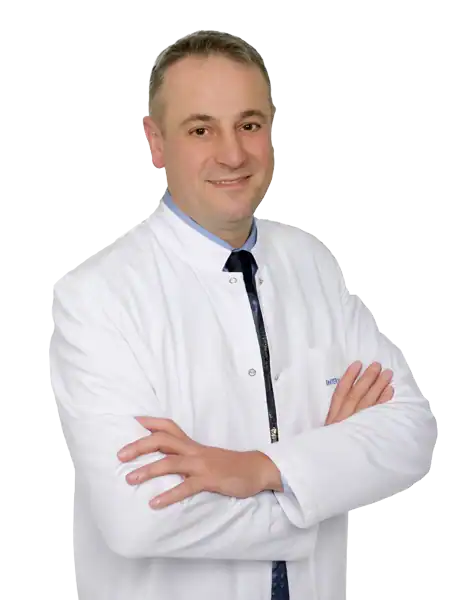
Prof. Dr. Metin Keskin
General Surgery
Prof. Dr. Metin Çakmakçı
General Surgery
Prof. Dr. Murat Gönenç
General Surgery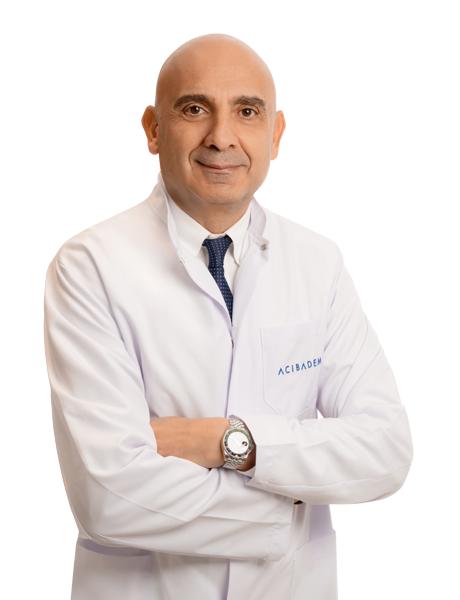
Prof. Dr. Murat Kemal Atahan
Breast Clinic
Prof. Dr. Murat Kılıç
General Surgery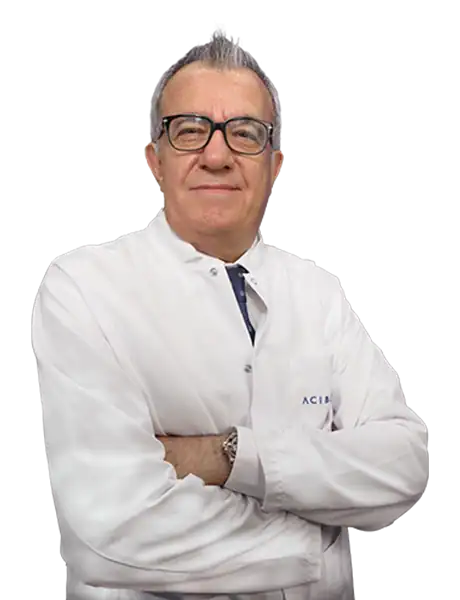
Prof. Dr. Nihat Yavuz
General Surgery
Prof. Dr. Orhan Demircan
General Surgery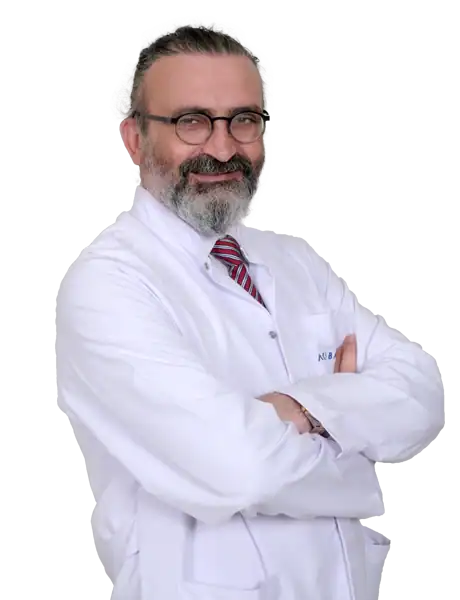
Prof. Dr. Oğuzhan Karatepe
General Surgery
Prof. Dr. Samet Yardımcı
General Surgery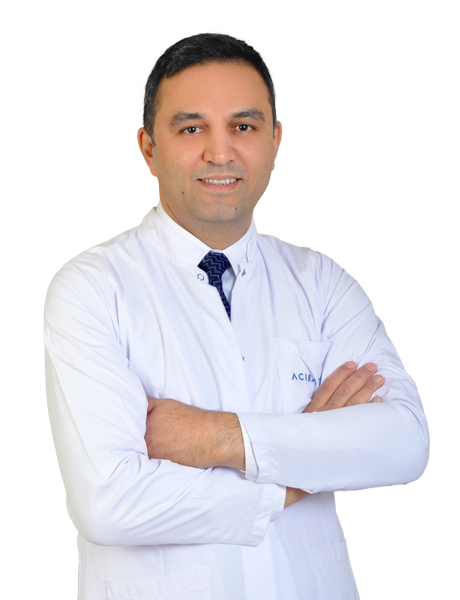
Prof. Dr. Süleyman Çetinkünar
General Surgery
Prof. Dr. Tarik Zafer Nursal
General Surgery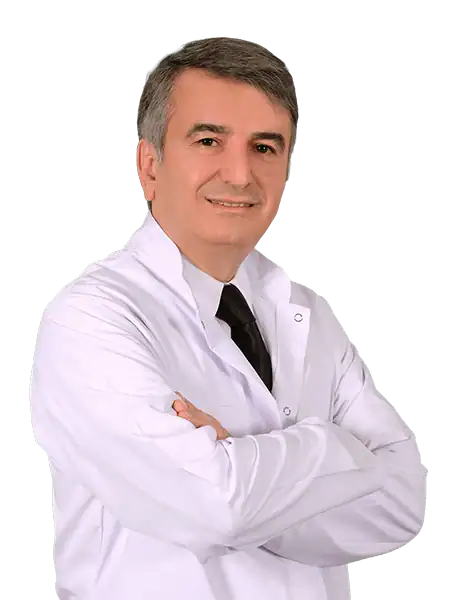
Prof. Dr. Tayfun Karahasanoğlu
General Surgery
Prof. Dr. Tuğbay Tuğ
General Surgery
Prof. Dr. Özgen Işık
General Surgery
Prof. Dr. Özgür Fırat
General Surgery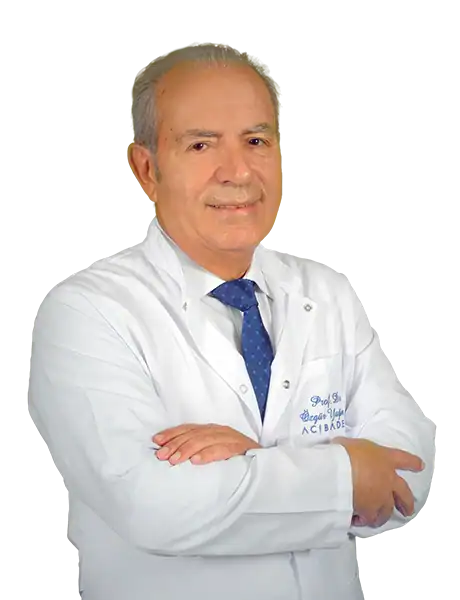
Prof. Dr. Özgür Yağmur
General Surgery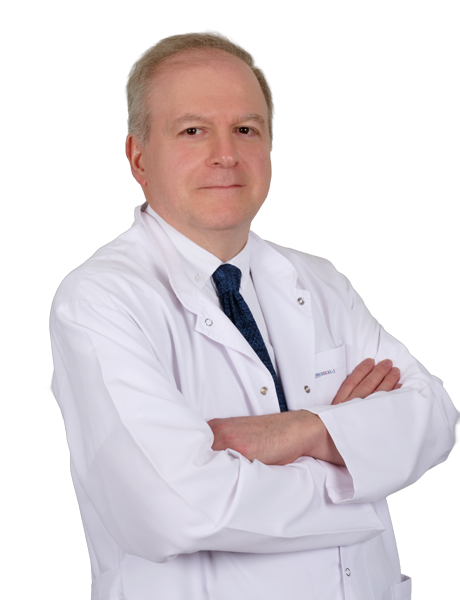
Prof. Dr. İlgin Özden
General Surgery
Prof. Dr. Şükrü Aktan
General SurgeryMedical Units
Available at These Hospitals