

General Surgery
Open, laparoscopic and robotic surgery for a broad range of abdominal and soft-tissue conditions.
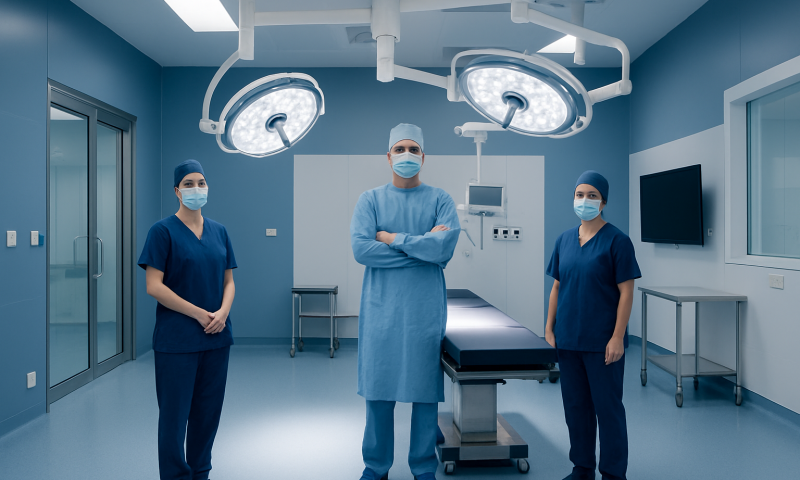
Medically reviewed by the Acıbadem clinical team — June 12, 2026
General surgery is the medical unit that treats a wide range of conditions of the abdomen and digestive organs, the thyroid and other glands, hernias, and many other surgical problems — and it is often the gateway through which patients enter surgical care. At Acıbadem International, general surgery combines minimally invasive and robotic techniques with the resources of a large hospital group, so that conditions from common hernias to complex cancer operations are treated precisely and safely. For people travelling from abroad, that breadth of expertise, modern technique and coordinated support is what allows a great variety of surgical problems to be handled within one trusted unit.
This page explains what the general surgery unit covers, the conditions it treats, how problems are assessed, the procedures available, and how international patients are supported from their first remote review through surgery and recovery.
What the general surgery unit covers
General surgery is broad, and the unit is organized so that the right surgical expertise is applied to each problem. Its main areas of work include:
- Abdominal and digestive surgery — including the stomach, intestines, gallbladder, liver and pancreas.
- Hernia surgery — repairing the various types of hernia.
- Thyroid and endocrine gland surgery.
- Surgical treatment of cancers — within a multidisciplinary plan.
- Gallbladder and biliary surgery.
- Minimally invasive (laparoscopic) and robotic surgery.
This breadth means many different surgical problems can be assessed and treated within one unit, with close cooperation with related specialties such as gastroenterology for digestive conditions and the cancer team for tumors.
Conditions we treat
The unit cares for a wide range of surgical conditions. Common reasons international patients are referred include:
- Gallstones and gallbladder disease.
- Hernias — including abdominal and groin hernias.
- Thyroid nodules and thyroid disease requiring surgery.
- Digestive cancers — of the stomach, colon, pancreas and other organs.
- Conditions of the intestine and colon.
- Other abdominal and surgical problems.
Many patients arrive needing surgery for a specific condition diagnosed at home, or seeking a clear plan after investigations. The unit’s first task is to assess accurately, confirm whether surgery is the best option, and explain the realistic choices clearly.
How conditions are assessed
Sound surgical decisions rest on accurate assessment, and the unit evaluates each patient with the investigations that genuinely inform the plan. These may include:
- Ultrasound and imaging — to examine the abdomen and organs.
- CT and MRI — for detailed assessment of complex conditions and cancers.
- Endoscopy — in cooperation with gastroenterology, to examine the digestive tract.
- Laboratory tests — to assess function and other factors.
These are supported by the hospital group’s medical technologies, and findings are interpreted alongside the patient’s symptoms and history. For international patients, much of this assessment can begin with a remote review of existing results before travel, so that a considered plan is in place.
Procedures and treatments
The unit offers a full range of surgical treatment and favours minimally invasive techniques that resolve the problem with a gentler recovery.
Minimally invasive (laparoscopic) surgery
Much of general surgery is now performed laparoscopically — through a few small incisions using a camera and fine instruments — which generally means less pain, smaller scars and a quicker recovery than open surgery. Gallbladder removal, many hernia repairs and numerous other procedures are commonly done this way.
Robotic surgery
For selected procedures, robotic assistance gives the surgeon enhanced precision and control through small incisions, which can support careful surgery in complex areas. Whether a robotic approach is right is decided after assessment.
Cancer surgery
Surgery for digestive and other cancers is planned within a multidisciplinary cancer plan alongside medical oncology and radiation oncology, so that surgery and other treatments work together. Decisions are made by the tumor board.
Hernia, thyroid and other procedures
The unit treats hernias with modern repair techniques, performs thyroid and endocrine gland surgery, and carries out a wide range of other abdominal and surgical procedures. Specific treatments can be explored in the treatments library.
The role of minimally invasive surgery
One of the biggest advances in general surgery has been the shift from large open operations to minimally invasive techniques, and the unit uses these wherever they benefit the patient. Operating through small incisions, with a camera and fine instruments, generally means less pain, a lower risk of wound problems, a shorter hospital stay and a faster return to normal life. For international patients, a quicker recovery can also make the logistics of travel more manageable. Not every condition is suited to a minimally invasive approach, and the unit is honest about when an open operation is the safer choice. The principle, however, is consistent: to treat the problem effectively while disturbing the body as little as the situation allows.
Surgery as part of a wider plan
General surgery rarely operates in isolation, and the unit works closely with related specialties so that surgery fits into the right overall plan. Digestive conditions are assessed and managed together with gastroenterology, which may investigate with endoscopy before or instead of surgery; weight-related procedures connect with bariatric surgery; and cancers are planned within the tumor board. This cooperation ensures that surgery is recommended when it is genuinely the best option and is coordinated with other treatments — a more complete approach than considering an operation on its own.
Technology and approach
General surgery depends on the surgeon’s skill and judgment, supported by minimally invasive and robotic techniques and a fully equipped surgical environment. The unit uses accurate imaging to plan operations, laparoscopic and robotic methods to treat conditions with minimal disruption, and the wider resources of the hospital group for complex cases. But technology serves judgment: the decision of whether and how to operate is made after careful assessment, and the least invasive safe option is preferred. For cancers, decisions are made within a multidisciplinary team.
Your team
Your care may involve a general surgeon with the relevant focus, an anesthesiologist, and — for complex cases — gastroenterology, oncology and other specialists, supported by specialist nurses. The surgeons who lead this unit are listed on the doctors page, and procedures are performed across Acıbadem’s accredited hospitals, which maintain international quality and safety standards and provide full intensive-care backup if needed.
The international patient journey
The unit is organized to make surgical care clear and well supported for international patients.
1. Remote review
You begin by sharing your history, symptoms and any test results or imaging. The team reviews them, advises on the likely options, and where helpful offers a second opinion — all before you decide to travel.
2. A clear plan
If treatment in Turkey makes sense, you receive a plan explaining what is recommended, what the operation would involve, how long you would stay and what recovery to expect.
3. Coordinated surgery and care
A dedicated coordinator arranges appointments, admission, interpreting and travel logistics. Your diagnosis is confirmed in person before surgery, and cancer cases are reviewed by the multidisciplinary team.
4. Recovery and follow-up
You receive discharge documents, your results and a follow-up plan to continue at home, and the team remains reachable during recovery. To begin, request an online consultation.
Why patients choose Acıbadem for surgical care
Acıbadem International offers experienced general surgeons, advanced minimally invasive and robotic techniques, multidisciplinary cancer care, and well-coordinated international patient support — all within accredited hospitals with full intensive-care backup. For patients travelling from abroad, the combination of technical expertise, the resources of a large hospital group, and structured support is what sets the experience apart. From common hernias to complex cancer surgery, the unit aims to treat each condition as precisely and gently as possible, with the depth of a leading medical system behind it.
What to expect and practical notes
Surgical conditions and their treatments vary widely, so the length of stay and recovery differ from case to case. Many procedures are minimally invasive and allow a relatively quick recovery, while complex or cancer surgery requires longer and careful planning. Your coordinator plans your time abroad around safe recovery and travel, and the unit is honest about timelines and outcomes. Surgery is recommended only when it is genuinely the best option; where investigation, medical treatment or monitoring is more appropriate, that is what will be advised.
Coordinated care for complex cases
Surgical conditions often intersect with other areas of medicine, and treatment within a large hospital group means the right experts are already together. Digestive conditions are shared with gastroenterology; cancers are planned with medical oncology; weight-related surgery connects with bariatric surgery; and complex procedures may use robotic surgery. For patients with other health conditions, having the relevant specialists in the same group means surgery can be planned safely around the whole person. This joined-up approach matters most in exactly the complex cases where several needs come together.
Preparing for surgery
The period before an operation is used to make surgery as safe and effective as possible, and the unit takes preparation seriously. Tests confirm the diagnosis and assess the patient’s overall fitness for surgery, and any other conditions — such as diabetes, high blood pressure or heart and lung issues — are identified and managed beforehand. The patient receives clear information about what the operation involves, what to expect during recovery, and how to prepare, so that they approach surgery well informed rather than anxious. For international patients, much of this preparation can begin remotely, with reports and imaging reviewed before travel, so that the in-person stay is used efficiently and any necessary checks are arranged in advance. This careful groundwork is one of the reasons that surgery within a structured hospital programme tends to be safer and smoother, and it reflects the unit’s view that good surgery begins well before the operating theatre.
Recovery after general surgery
Recovery depends greatly on the operation performed and on the individual, and the unit plans it from the outset rather than leaving it to chance. After minimally invasive procedures, many patients recover relatively quickly, with less pain and a shorter hospital stay than after open surgery, while more complex operations require a longer and more carefully managed recovery. Early mobility, good pain control and clear aftercare instructions all support healing, and the unit provides a recovery plan that international patients can continue after returning home. Your coordinator plans your total time abroad around safe early recovery and travel, giving a realistic estimate in advance. The unit is honest about recovery timelines, because knowing what to expect helps patients plan their lives around treatment and recover with confidence. The goal throughout is not simply a successful operation but a safe, complete return to normal life.
When surgery is — and is not — the answer
A responsible surgical unit recommends an operation only when it is genuinely the best option, and an important part of the unit’s role is making that judgment honestly. Many conditions can be investigated or managed without surgery, often in cooperation with gastroenterology for digestive problems, and where a non-surgical approach is appropriate, that is what will be advised. When surgery is the right choice, the unit explains why, what it involves, and what the realistic benefits and risks are, so that the patient can make an informed decision. This candid approach — neither rushing to operate nor withholding surgery that would clearly help — is central to good surgical care, and it is particularly reassuring for international patients, who want confidence that the recommendation they receive is in their genuine interest.
Treating digestive and other cancers surgically
Surgery is often a central part of treating cancers of the digestive system and other organs, and the unit performs these operations within a multidisciplinary plan. Cancers of the stomach, colon, pancreas and other organs may be treated with surgery alone or in combination with drug therapy and radiotherapy, with the sequence decided by the tumor board so that each element supports the others. Where possible, minimally invasive and robotic techniques are used to treat cancers precisely while supporting recovery. For patients facing a cancer diagnosis, this coordinated approach — surgeons working alongside medical oncology and the wider team — provides the reassurance of a clear, considered plan in which surgery forms part of the best overall strategy rather than an isolated step.
Frequently asked questions
Can my case be reviewed before I travel?
Yes. You can share your history, symptoms and any imaging or test results for a remote assessment and receive advice on the likely options, including a second opinion where helpful, before deciding to travel.
Is surgery minimally invasive?
Frequently, yes. Much of general surgery is performed laparoscopically, and robotic assistance is used where appropriate, generally meaning less pain, smaller scars and a quicker recovery than open surgery.
Do I always need surgery for my condition?
No. The unit recommends surgery only when it is genuinely the best option. Where investigation, medical treatment or monitoring is more appropriate, that is what will be advised, often in cooperation with gastroenterology.
How is gallbladder disease treated?
Gallstones and gallbladder disease are commonly treated by removing the gallbladder, often laparoscopically, which generally allows a relatively quick recovery. The right approach is decided after assessment.
Can hernias be repaired with modern techniques?
Yes. Hernias are repaired with modern techniques, frequently minimally invasively, chosen according to the type and the individual.
How are digestive cancers treated?
Within a multidisciplinary cancer plan alongside medical and radiation oncology, with decisions made by the tumor board so that surgery and other treatments work together.
Do you perform thyroid surgery?
Yes. The unit performs thyroid and endocrine gland surgery, planned individually after assessment.
Is robotic surgery available?
For selected procedures, yes. Robotic assistance can support precise surgery in complex areas; whether it suits your case is decided after assessment.
How long will I need to stay in Turkey?
It depends on the condition and treatment. Many procedures allow a relatively quick recovery, while complex surgery needs longer. Your coordinator gives a realistic estimate in advance.
What if I have other health conditions?
Because relevant specialists are part of the same hospital group, surgery is planned safely around any other health conditions you have, considering the whole person.
Can I get a second opinion on a recommended operation?
Yes. The unit can review your case and provide an honest second opinion, advising whether surgery is the best option or whether an alternative is more appropriate.
How soon can urgent cases be seen?
Acıbadem International hospitals operate around the clock, and more urgent surgical cases can be prioritized. Sharing your details allows the team to advise quickly on the safest next step.
Will I receive a clear plan to take home?
Yes. You receive discharge documents, your results and a follow-up plan so your recovery can continue smoothly with your own doctor after you return.
Can I receive care in my own language?
Yes. The international patient coordinator arranges interpreting and supports you through the practical and clinical steps of your care.
Will a companion be supported during my stay?
Yes. The international patient coordinator helps with practical arrangements so a companion can accompany you during surgery and recovery.
Will my fitness for surgery be assessed beforehand?
Yes. Before surgery, tests confirm the diagnosis and assess your overall fitness, and any other conditions are identified and managed, so that the operation is planned as safely as possible for you.
How quickly will I recover?
Recovery depends on the operation and the individual. Minimally invasive procedures often allow a relatively quick recovery, while complex surgery needs longer. Your coordinator plans your stay around safe recovery and gives a realistic estimate in advance.
Will a companion be supported during my stay?
Yes. The international patient coordinator helps with practical arrangements so that a companion can accompany you during surgery and your early recovery.
Can the wider hospital group help with complex cases?
Yes. For complex cases, the unit draws on a large hospital group, with gastroenterology, oncology, intensive care and other specialists available so that your care is coordinated safely around your overall health.
Will I receive documentation for my own doctor?
Yes. You receive discharge documents, your results and a follow-up plan, so that your care can continue smoothly with your own doctor after you return home.
Are robotic techniques used in general surgery?
For selected procedures, yes. Robotic assistance can support precise surgery in complex areas; whether it suits your case is decided after assessment as part of choosing the best approach.
Can I get an estimate of the visit before I travel?
Yes. After a remote review, your coordinator can outline what the recommended treatment would involve, roughly how long you would stay and what recovery to expect, so you can plan your trip with clear information.
How soon can urgent surgical cases be seen?
Acıbadem International hospitals operate around the clock, and more urgent surgical cases can be prioritized. Sharing your details and any imaging allows the team to advise quickly on how soon you should be seen and on the safest next step for your situation.
Can I receive surgical care in my own language?
Yes. The international patient coordinator arranges interpreting and supports you through every practical and clinical step of your care, from the first remote review through surgery to your follow-up, so that you always understand what is happening.
Will my treatment be tailored to me rather than standardized?
Yes. The unit assesses each patient individually and chooses the approach most suited to the condition, its severity and the person, rather than applying a single standard treatment, and explains why a particular approach is recommended for you.
Does treatment within a hospital group benefit complex surgery?
Yes. Having surgical expertise, related specialists and full intensive-care backup within one accredited hospital group means complex surgery can be planned and supported safely, with the right experts available throughout your care if they are ever needed.
This page provides general health information about the services of this unit and is not a substitute for personal medical advice. Any diagnosis and treatment plan is determined after individual assessment by qualified specialists.
Treatments in General Surgery
Specialists in this Unit

Prof. Dr. Abdullah Zorluoğlu
General Surgery
Prof. Dr. Ahmet Alponat
General Surgery
Prof. Dr. Ali Akyüz
General Surgery
Prof. Dr. Alper Celal Akcan
General Surgery
Prof. Dr. Aykut Soyder
General Surgery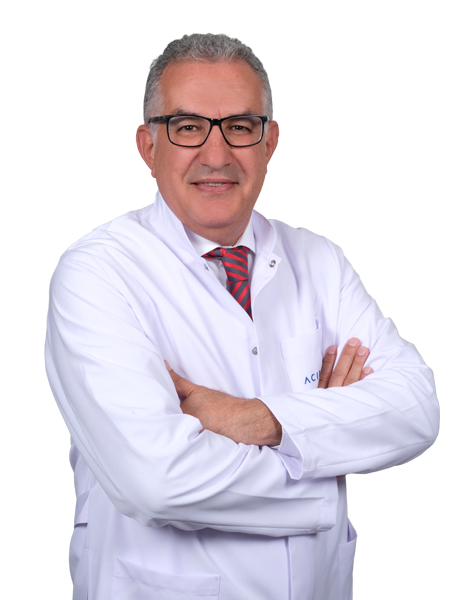
Prof. Dr. Aziz Sümer
General Surgery
Prof. Dr. Bilgi Baca
General Surgery
Prof. Dr. Can Küçük
General Surgery
Assoc. Prof. Dr. A. Enes Arikan
General Surgery
Assoc. Prof. Dr. Afag Aghayeva
General Surgery
Assoc. Prof. Dr. Bahadir Osman Bozkirli
General Surgery
Dr. Abdullah Boğa
General Surgery
Dr. Ahmet Alan
General Surgery
Dr. Ahmet Ali Aktaş
General Surgery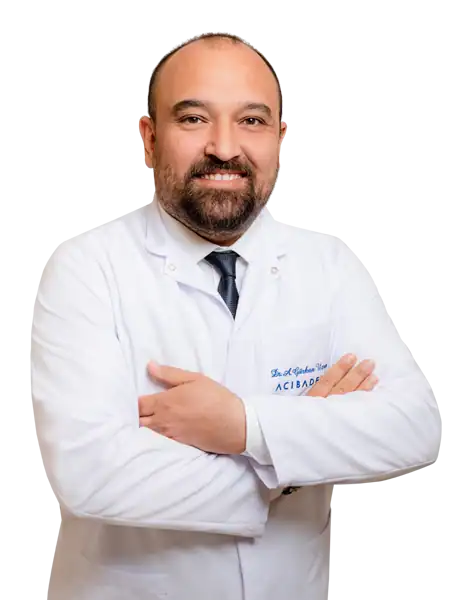
Dr. Ahmet Gürkan Uzun
General Surgery
Dr. Ali Doruk Hacıoğlu
General SurgeryDr. Ali İlbey Demirel
General Surgery
Dr. Ali Şahin
General Surgery
Dr. Armağan Özel
General Surgery
Dr. Berkhan Savaşçın
General Surgery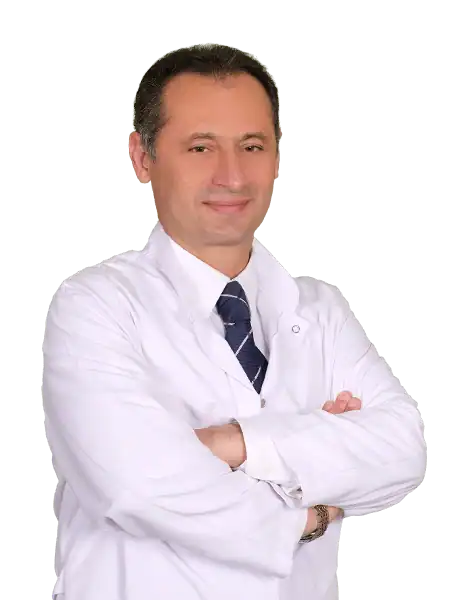
Dr. Birol Esen
General Surgery
Dr. Burak Kutlu
General Surgery
Dr. Cahide İnci Kurtul
General Surgery
Dr. Cezmi Karaca
General SurgeryMedical Technologies Used
Speak with our medical team
Share your case and our international patient team will guide you to the right specialist — free of charge.