What Organs Are On Your Left Side

Key Takeaways
- The left side of the body includes organs from the chest, abdomen, and pelvis, not just one system.
- Left-sided discomfort can come from the heart, lungs, stomach, bowel, kidney, spleen, muscles, or nerves.
- The location, duration, and associated symptoms help doctors narrow down the cause.
- Sudden, severe, or persistent pain should be medically evaluated rather than watched at home.
- Simple measures may help with mild discomfort, but ongoing or recurrent symptoms deserve a clinician’s review.
Medically reviewed by the Acıbadem clinical team — August 19, 2026
The left side of the body contains several important organs, including parts of the digestive system, the heart, the left lung, the left kidney, and the spleen. Knowing where these organs are located can help people understand symptoms such as pain, pressure, or bloating and decide when medical assessment is needed.
Overview
When people ask what organs are on the left side, the most accurate answer is that several body systems share that space. The left chest, upper abdomen, lower abdomen, and even the back can all reflect the activity of nearby organs. That is why a symptom felt on the left side may come from the heart, lung, stomach, bowel, kidney, spleen, or from muscles and nerves in the body wall.
In practical terms, the left side is divided into regions. The upper left area is where the stomach, spleen, part of the pancreas, the left kidney, and a portion of the colon are found. The chest above it contains the heart and left lung. Lower down, the left side of the abdomen and pelvis includes the descending colon, sigmoid colon, left ureter, and in people with female reproductive organs, structures such as the left ovary and fallopian tube.
Understanding this map is useful because it makes symptoms easier to describe during a consultation. Someone who is traveling for care, or seeking a second opinion abroad, can often help the doctor by explaining whether the discomfort is higher or lower, sharp or dull, constant or intermittent, and whether it changes with breathing, meals, movement, or urination.
Symptoms
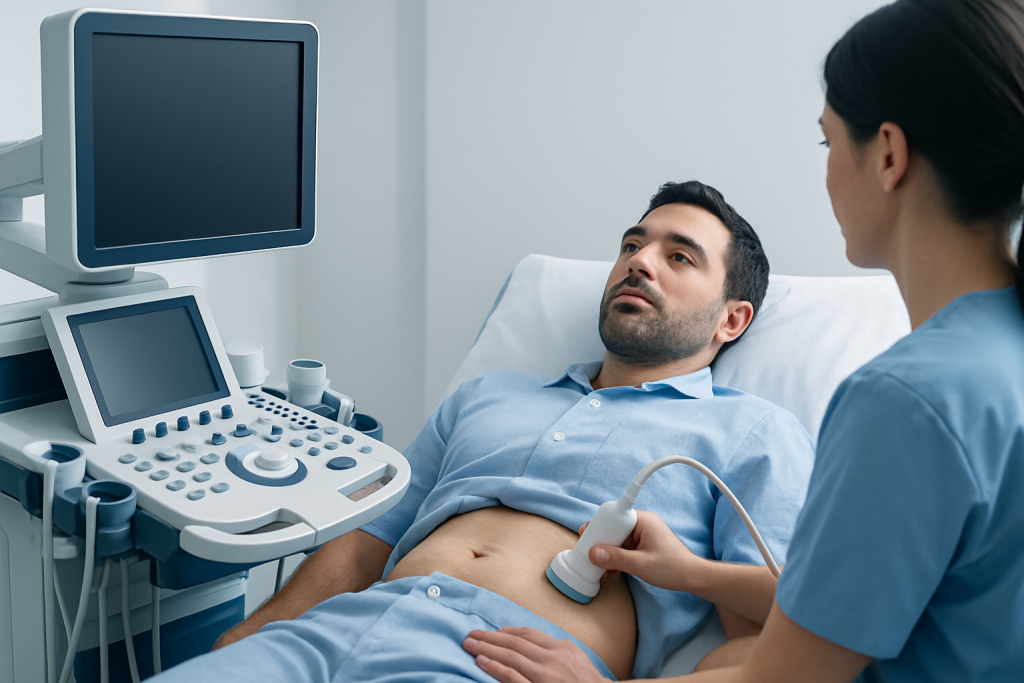
Left-sided symptoms can appear in many forms, and the pattern often offers clues. Some people notice a sharp ache under the ribs, while others describe heaviness, burning, cramping, bloating, or a feeling of pressure. Chest discomfort, shortness of breath, shoulder pain, back pain, nausea, fever, or changes in bowel habits may appear alongside the main symptom.
Not all pain means the same thing. Pain related to the stomach or colon may worsen after eating or may be linked with constipation, gas, or diarrhea. Pain from the kidney may be felt in the flank or back and can sometimes be associated with urinary symptoms. Pain in the chest that comes with sweating, breathlessness, dizziness, or spread to the arm or jaw deserves prompt attention because it may involve the heart.
Some left-sided problems are mild and temporary, such as muscle strain after lifting or twisting. Others, including inflammation, infection, blood flow problems, or internal bleeding, need faster assessment. The safest approach is to look at the full picture rather than the location alone.
Causes & Risk Factors

The organs on the left side each have their own set of common problems. The stomach may be affected by indigestion, gastritis, reflux, ulcers, or bloating. The colon can be involved in constipation, diverticular disease, inflammatory bowel disease, or infection. The spleen may enlarge after some infections or blood conditions, and the left kidney may be affected by stones, infection, or obstruction.
In the chest, the heart and left lung can both cause left-sided symptoms. Heart-related discomfort may be felt as pressure, tightness, or a heavy ache, while lung-related problems may cause pain that worsens with breathing, coughing, or movement. Muscles, cartilage, ribs, and nerves can also be the source, especially after injury, strain, coughing, or poor posture.
Risk factors depend on the cause. A history of heart disease, smoking, high blood pressure, diabetes, high cholesterol, or a family history of cardiac illness increases concern for chest symptoms. For abdominal symptoms, risk can rise with dehydration, low-fiber eating patterns, prior abdominal surgery, kidney stones, recurrent urinary infections, or a known gastrointestinal condition. Age, pregnancy, and recent travel can also influence the evaluation.
Diagnosis
Doctors usually start by asking exactly where the discomfort is, how it began, how long it has lasted, and what makes it better or worse. They may also ask about fever, nausea, shortness of breath, urination, bowel habits, menstrual history, recent exercise, injury, or any known medical conditions. A careful history often narrows the possibilities before any tests are done.
A physical examination may include checking the abdomen, chest, back, heart rate, breathing, blood pressure, and temperature. Depending on the situation, testing may involve blood work, urine testing, an electrocardiogram, chest imaging, ultrasound, CT scanning, or other studies. If digestive symptoms are prominent, the clinician may look for signs of inflammation, blockage, infection, or bleeding.
For international patients, clear symptom notes, previous test results, medication lists, and past imaging can be especially helpful. Bringing records in a translated or organized form can make the first consultation more efficient and may reduce repeat testing. The goal is not only to find the cause, but also to do so in a stepwise, safe, and understandable way.
Treatment Options
Treatment depends entirely on the cause. Mild muscle strain may improve with rest, gentle movement, and clinician-approved Sciatica Pain Relief: Treatments and Self-Care" class="ahp-ilk">pain relief. Digestive causes may be managed with dietary changes, hydration, medication for acid or bowel function, or treatment of infection or inflammation when present. Kidney-related problems may require fluids, pain control, antibiotics, or procedures if a stone is blocking urine flow.
More serious causes need more targeted treatment. Heart-related symptoms may require emergency assessment and cardiology care. A lung problem may need imaging, breathing support, medication, or other interventions. Spleen enlargement, bowel inflammation, or pelvic causes are managed according to the specific diagnosis, which may range from observation to medication or surgery.
When treatment is planned across borders, coordination matters. Patients often benefit from knowing what can be handled before travel, what requires urgent attention on arrival, and what follow-up will be needed after returning home. In a setting such as Acibadem Health Point, multidisciplinary specialists and JCI-accredited hospitals can diagnose and treat this condition for international patients in a coordinated way.
Prevention & Self-care
Not every left-sided symptom can be prevented, but healthy habits can reduce some common causes. Regular hydration, a balanced fiber-rich diet, movement throughout the day, and attention to posture may help lower the risk of constipation, gas pain, and some muscle-related discomfort. Avoiding smoking and keeping blood pressure, cholesterol, and blood sugar under review can also support heart and kidney health.
Self-care should stay cautious and realistic. Mild discomfort that seems related to a recent strain may improve with rest and gradual return to activity. Digestive discomfort may improve with smaller meals, slower eating, and avoiding known trigger foods. However, self-care is not a substitute for evaluation when symptoms are new, severe, recurrent, or difficult to explain.
It can also help to track the symptom pattern. Writing down when pain starts, where it is felt, what it feels like, and what else is happening at the time can give the clinician useful information. For people managing care while living in another country, this simple record can make follow-up visits more productive and may shorten the time to diagnosis.
When to See a Doctor
Medical evaluation is advisable when left-sided pain lasts more than a short time, keeps returning, or interferes with daily activity. It is also important if the pain is associated with fever, vomiting, urinary symptoms, blood in the stool or urine, unexplained weight loss, chest discomfort, or breathing difficulty. Even when the cause turns out to be benign, a proper diagnosis is worth the reassurance.
Immediate care is needed for sudden severe chest pain, fainting, major shortness of breath, a rigid or very tender abdomen, vomiting blood, black stools, or severe pain after an injury. These symptoms do not mean a serious illness is certain, but they do mean the body needs prompt assessment.
People who are unsure where to begin can start with a general physician, emergency department, or the relevant specialist depending on the symptom pattern. The key point is simple: pain on the left side is a location, not a diagnosis, and the right evaluation depends on the whole story.
Frequently asked questions
What organs are commonly found on the left side of the body?
Common left-sided organs include the heart, left lung, stomach, spleen, left kidney, parts of the pancreas, and sections of the colon. In the lower left abdomen, structures of the urinary and reproductive systems may also be involved. The exact organ depends on whether the symptom is in the chest, upper abdomen, lower abdomen, or back.
Is left-sided pain always related to one organ?
No. Left-sided pain can come from organs, muscles, ribs, nerves, or even referred pain from another area. The character of the pain and any associated symptoms usually matter more than the location alone.
Can gas or constipation cause pain on the left side?
Yes, gas and constipation are common reasons for left-sided abdominal discomfort, especially in the lower abdomen. The colon curves through the left side, so bloating or slowed bowel movement can be felt there. If the pain is severe, persistent, or comes with fever or vomiting, it should be checked by a doctor.
When is left chest pain an emergency?
Left chest pain needs urgent attention if it is sudden, severe, or comes with shortness of breath, sweating, dizziness, nausea, or pain spreading to the arm, back, or jaw. These features can suggest a heart-related problem. It is safer to seek prompt medical help than to wait and see.
What tests might a doctor order for left-sided pain?
The choice of tests depends on the suspected cause. A doctor may use blood tests, urine tests, an ECG, ultrasound, or CT imaging to look at the heart, lungs, digestive organs, kidneys, or spleen. The exam is usually tailored to the location and symptoms rather than using a single standard test.
Should someone travel for treatment if the pain is on the left side?
Travel for treatment is best decided after an initial medical assessment, especially if the symptom could involve the heart, lungs, or an acute abdominal problem. If travel is being considered, it helps to gather prior records and discuss whether the condition is stable enough for a journey. A specialist can advise on timing, safety, and follow-up needs.
References
- Mayo Clinic
- National Institute of Diabetes and Digestive and Kidney Diseases
- American Heart Association
- Cleveland Clinic
- Merck Manual Consumer Version
This article is for general information only and is not a substitute for professional medical advice. Please consult a qualified doctor about your individual situation.
Persistent digestive symptoms? Get evaluated in Turkey
JCI-accredited · board-certified surgeons · reply within 24h
Add us as a Preferred Source to see more of our trusted health content across Google Search, AI Overviews and Discover.