Body Systems

Key Takeaways
- The body works as a network of interdependent systems, not as separate parts.
- Symptoms often reflect more than one system, which is why careful medical evaluation matters.
- Healthy habits such as sleep, movement, nutrition, and hydration support many systems at once.
- Routine checkups can help identify problems before they become more difficult to treat.
- Traveling for care may require extra planning for records, medications, and follow-up appointments.
The human body is organized into connected systems that work together to keep a person alive, active, and balanced. Understanding these systems can help patients recognize symptoms earlier, make sense of medical tests, and know when to seek professional care.
Overview
The human body is not a collection of unrelated organs. It is a coordinated system of systems, each with a specific role and each depending on the others to keep a person functioning from one day to the next. When one system is under strain, others often compensate for a while, which is one reason symptoms can feel vague at first.
For patients, especially those seeking care across borders, a basic understanding of body systems can make medical information easier to follow. It helps explain why a doctor may ask about digestion when reviewing fatigue, or about breathing when evaluating chest discomfort. These connections are often the key to accurate diagnosis.
Although each system has its own tasks, they all share a common goal: maintaining stability. That balance includes oxygen delivery, energy production, temperature control, waste removal, movement, immunity, and communication through nerves and hormones. A problem in any one of these areas may affect the whole person.
Major Body Systems and What They Do
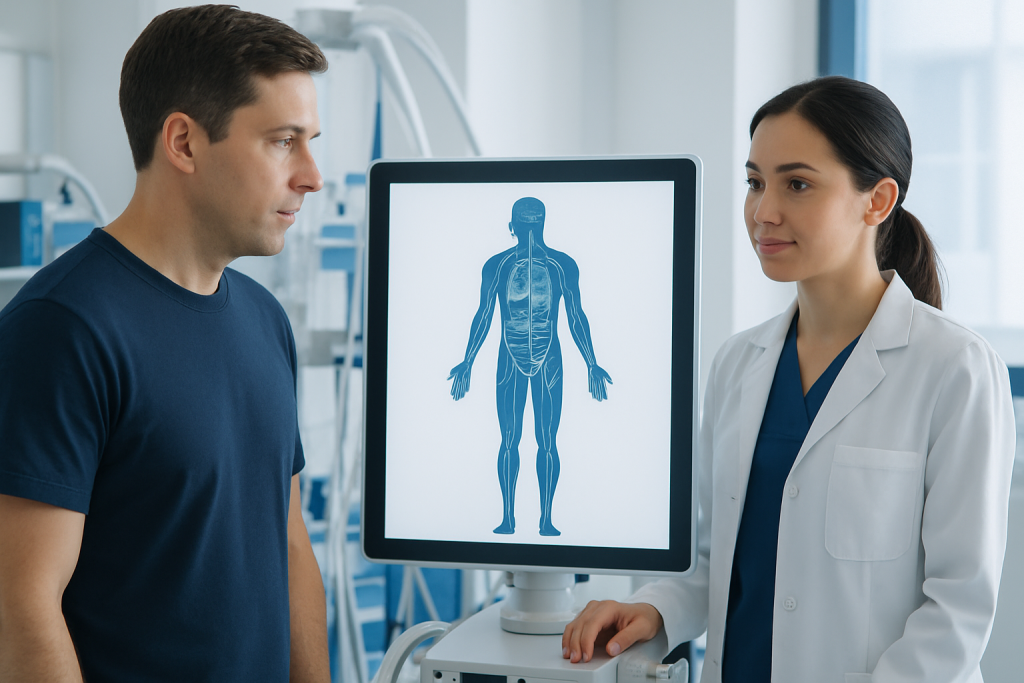
The circulatory system moves blood through the heart and vessels to deliver oxygen and nutrients. It also helps remove waste products and supports healing. The respiratory system works closely with it by bringing oxygen into the lungs and sending carbon dioxide back out.
The digestive system breaks food into usable nutrients and plays a major role in energy, hydration, and the immune system. The liver, pancreas, stomach, intestines, and gallbladder all participate in processing what a person eats and drinks, making digestion far more than just “stomach work.”
The nervous system and endocrine system coordinate body function in different ways. The nervous system sends fast electrical signals, while the endocrine system uses hormones for longer-lasting regulation. Together, they influence mood, appetite, sleep, growth, stress response, and many other processes.
Other essential systems include the musculoskeletal system, which supports movement and posture; the urinary system, which helps filter blood and manage fluid balance; the immune and lymphatic systems, which defend against infection; and the integumentary system, which includes the skin, hair, and nails and serves as a protective barrier.
Symptoms That Suggest a Body System May Be Affected

Symptoms often give clues about which body system is struggling, but they do not always point to only one cause. Shortness of breath may reflect a lung issue, a heart issue, anemia, anxiety, or a combination of factors. Similarly, fatigue can stem from poor sleep, thyroid problems, infection, nutritional deficiencies, depression, or chronic inflammation.
Digestive symptoms such as bloating, nausea, constipation, diarrhea, or abdominal pain may suggest a gastrointestinal issue, but they can also appear with hormone changes, medication side effects, stress, or neurological conditions. Headaches, dizziness, weakness, and numbness may involve the nervous system, circulation, hydration status, or other metabolic concerns.
People should pay attention to patterns rather than isolated sensations. A symptom that lasts, recurs, worsens, or appears alongside fever, weight change, chest discomfort, swelling, or fainting deserves medical review. In many cases, the pattern matters more than any single detail.
Causes & Risk Factors
Body system problems can arise from infections, injury, inflammation, genetics, autoimmune disease, lifestyle factors, or age-related changes. Some conditions are temporary and improve with treatment, while others are chronic and require long-term management. The same symptom can appear in very different conditions, so causes should not be assumed without evaluation.
Risk factors vary by system. Smoking affects the lungs and blood vessels; high-salt diets and inactivity can affect blood pressure and heart health; poor sleep can influence hormone balance and immunity; and dehydration can strain the kidneys, circulation, and digestion. Stress can also affect multiple systems at once, including sleep, digestion, and immune response.
International patients may arrive with previous diagnoses, imaging, or medication lists from more than one country. That history is useful, but differences in naming conventions, test standards, or treatment plans can make professional review especially important before any new decision is made.
Diagnosis
Doctors usually begin with a detailed history and physical examination, because the body systems are linked and symptoms often point in more than one direction. Questions about onset, triggers, medication use, diet, travel, sleep, and family history can be just as important as the physical findings themselves.
Depending on the concern, diagnosis may include blood tests, urine tests, imaging such as ultrasound, CT, or MRI, breathing tests, heart tracing, endoscopy, or specialized examinations. The goal is not simply to label a symptom, but to understand which system is involved and whether more than one system needs attention.
For patients traveling for care, bringing prior records, medication boxes or photos, and a written symptom timeline can save time and reduce confusion. If tests were done in another country, doctors may compare the reports with current findings rather than repeating everything automatically.
Treatment Options
Treatment depends entirely on which body system is affected and what is causing the problem. Some conditions improve with rest, hydration, nutrition, physical therapy, or medication adjustments. Others may require procedures, long-term medicines, rehabilitation, or ongoing monitoring by more than one specialty.
Care is often more effective when it is coordinated. A person with diabetes, for example, may need attention from endocrinology, eye care, kidney monitoring, and lifestyle support. Someone with chest symptoms may need cardiology and respiratory evaluation together. This cross-system approach helps doctors avoid missing a larger pattern.
In international care settings, treatment planning may also include pre-travel preparation, in-hospital care, and a clear follow-up plan once the patient returns home. That may involve written instructions, warning signs to watch for, and a schedule for repeat testing with a local physician.
When multiple systems are involved, treatment is usually tailored to the patient’s age, overall health, current medications, and practical needs such as travel limitations or family support. A thoughtful plan should feel manageable, not overwhelming.
Prevention & Self-care
Many body systems are supported by the same healthy habits. Regular physical activity, adequate sleep, balanced meals, hydration, and avoiding tobacco can benefit the heart, lungs, muscles, brain, digestion, and immune system. Small, consistent habits often have a broader effect than people expect.
Self-care also includes noticing change early. Tracking symptoms, keeping a medication list, and knowing personal baseline values such as blood pressure, weight, or blood sugar can help patients and doctors spot a problem sooner. For those who travel for treatment, it is wise to keep digital copies of important records and a plan for medication access after returning home.
Stress management matters too. Calm routines, social support, and practical planning can reduce the strain that chronic symptoms place on daily life. While stress does not cause every condition, it can influence how strongly symptoms are felt and how well a person recovers.
When to See a Doctor
A doctor should be consulted when symptoms persist, interfere with daily activities, or do not improve as expected. New chest pain, shortness of breath, fainting, severe abdominal pain, sudden weakness, confusion, or rapidly worsening swelling should be assessed promptly.
Medical review is also important when symptoms involve more than one body system, such as fatigue with weight change, digestive symptoms with skin changes, or headaches with vision changes. These combinations can help doctors identify an underlying condition that would be missed if each symptom were considered in isolation.
For international patients, timely evaluation is especially useful before travel, during treatment planning, and after returning home. Acibadem Health Point’s multidisciplinary specialists and JCI-accredited hospitals diagnose and treat body-system-related conditions for international patients, with care designed to support both the medical and practical sides of the journey.
Living Well With Body-System Conditions
Many chronic conditions involving the body systems can be managed successfully when the patient understands the condition, follows a care plan, and stays in contact with qualified clinicians. Education makes a difference because it turns symptoms from something frightening into something recognizable and discussable.
Patients often do best when they ask for clarity: Which system is affected? What should improve first? Which symptoms mean the plan needs to change? These questions help create a stronger partnership with the care team and make follow-up easier, especially after Varicose Vein Treatment Abroad: When Stockings Are Enough and When Procedures Help More" class="ahp-ilk">treatment abroad.
Body systems may be complex, but the message is straightforward: changes in one part of the body deserve thoughtful attention, and coordinated care can help restore stability. With the right evaluation and follow-up, many people can return to daily life with more confidence and fewer unanswered questions.
Frequently asked questions
What are body systems in the human body?
Body systems are groups of organs and tissues that work together to perform major functions such as breathing, digestion, movement, and protection. They are interconnected, so one system often affects another. That is why doctors look at the whole picture rather than only one symptom.
Why do symptoms from one body system affect the rest of the body?
The body depends on constant communication between systems through blood flow, nerves, and hormones. If one system is not working well, others may have to compensate, which can create new symptoms. This is one reason tiredness, pain, or dizziness can have several possible causes.
Can stress affect multiple body systems?
Yes, stress can influence sleep, appetite, digestion, heart rate, muscle tension, and immune function. Short-term stress is common, but ongoing stress may make existing symptoms feel worse. A doctor can help determine whether stress is part of the picture or whether another condition is present.
What tests are commonly used to evaluate body-system problems?
The tests depend on the symptoms and the system involved. Common evaluations may include blood tests, urine tests, imaging, breathing studies, heart tests, or specialist exams. A doctor chooses tests based on what is most likely to explain the symptoms safely and efficiently.
When should someone seek urgent care for a body-system symptom?
Urgent evaluation is important for chest pain, severe shortness of breath, fainting, sudden weakness, confusion, or severe abdominal pain. Rapidly worsening symptoms should not be ignored. If a person is unsure, it is safer to contact a doctor promptly for guidance.
How can international patients prepare for body-system treatment abroad?
They should bring prior records, medication lists, test results, and a clear symptom timeline. It also helps to ask how follow-up will work after returning home, including which tests may need to be repeated. Good preparation makes care smoother and reduces delays.
References
- Merck Manual Consumer Version
- Mayo Clinic
- National Institutes of Health
- World Health Organization
This article is for general information only and is not a substitute for professional medical advice. Please consult a qualified doctor about your individual situation.