Gastering

Key Takeaways
- Gastering appears to refer to a bariatric or stomach-reducing weight-loss procedure.
- It is considered for selected patients with obesity when lifestyle treatment alone has not been enough.
- Careful evaluation is needed before surgery, including medical, nutritional, and psychological review.
- Recovery includes gradual diet changes, follow-up visits, and long-term vitamin and nutrition monitoring.
- Weight-loss surgery works best as part of ongoing lifestyle support and medical supervision.
Gastering is most likely referring to a weight-loss procedure discussed in the context of bariatric surgery. For people with severe obesity and related health concerns, surgery may be one part of a broader, carefully planned treatment journey.
Overview
The term gastering is not a standard medical diagnosis, but it is often used by patients when they mean a stomach-related weight-loss procedure. In practice, this usually points toward bariatric surgery, a group of operations designed to help people with severe obesity reduce food intake, improve satiety, and lower the strain obesity can place on the body.
These procedures are not cosmetic shortcuts. They are medical treatments considered when excess weight is affecting health, mobility, quality of life, or the control of conditions such as type 2 diabetes, sleep apnea, high blood pressure, or fatty liver disease. For many international patients, the decision is not only about the operation itself, but about whether they can realistically complete the preparation, travel, recovery, and follow-up needed for safe long-term results.
Because people may arrive with different expectations, a clear explanation matters. Bariatric surgery is one part of a larger plan that includes nutrition, movement, emotional support, and regular medical review. The best outcomes usually come when the person understands both the benefits and the ongoing responsibilities that follow treatment.
Symptoms
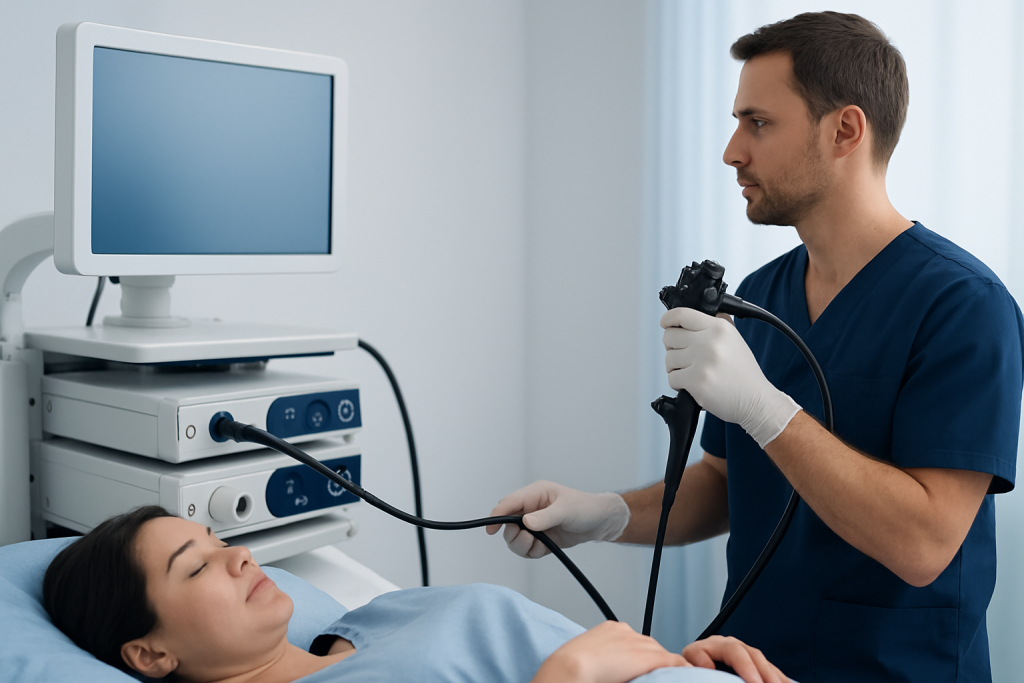
Gastering itself is not a symptom-based condition, but the people who ask about it are often experiencing the burdens of obesity. These may include shortness of breath with activity, joint pain, snoring or poor sleep, reflux, fatigue, and difficulty keeping up with daily routines. Some patients also notice that clothing, travel, and work become harder as weight increases.
Health effects related to obesity may be more subtle at first. A person might have rising blood sugar, blood pressure changes, or worsening cholesterol results without feeling obviously unwell. Others may live with repeated frustration after trying structured diets, exercise plans, or medication and seeing only limited or short-lived change.
Emotional strain is also common. Shame, low mood, social withdrawal, and uncertainty about what treatment to trust can become part of the picture. When obesity begins to affect both physical health and daily function, a specialist review is reasonable.
Causes & Risk Factors

Obesity usually develops from a combination of factors rather than a single cause. Genetics, appetite regulation, sleep problems, stress, certain medicines, hormonal conditions, and long-standing eating patterns may all play a role. Social factors such as access to healthy food, work schedule, and physical limitations can also influence weight over time.
Bariatric surgery is generally considered when body weight has reached a level where non-surgical treatment alone has not been enough, particularly if there are obesity-related illnesses. Previous attempts at medically supervised weight loss, the person’s overall health, and readiness to make lasting lifestyle changes are all part of the assessment. Age, liver health, heart health, and anaesthetic fitness may also affect whether surgery is appropriate.
Not everyone with obesity needs surgery. In some cases, medication, nutrition therapy, or treatment of a contributing medical condition may be more suitable first steps. A specialist team helps match the treatment to the person rather than forcing the person into a single pathway.
Diagnosis
Before any bariatric procedure, doctors usually perform a structured evaluation. This typically includes a review of weight history, previous diet efforts, medical problems, current medicines, and any symptoms such as reflux or sleep disturbance. Physical examination and measurements help establish the safest and most appropriate option.
Testing may include blood work to check for anaemia, vitamin deficiencies, blood sugar control, liver and kidney function, and other markers relevant to surgery. Some people need ultrasound, endoscopy, sleep assessment, or cardiac evaluation depending on their history and symptoms. These investigations help reduce risk and clarify whether another condition is contributing to weight gain or surgical risk.
International patients often appreciate a coordinated preoperative plan. This may involve nutrition counselling, explanation of the diet progression after surgery, and discussion of how follow-up will work once they return home. Clear planning before travel can prevent confusion later and supports safer recovery.
Treatment Options
When people use the word gastering, they are often referring to one of several bariatric operations. Common approaches include sleeve gastrectomy, gastric bypass, and other procedures that reduce stomach capacity, alter digestion, or both. The best option depends on the person’s medical profile, weight-loss goals, eating habits, and any related conditions such as reflux or diabetes.
These surgeries are usually performed using minimally invasive techniques when appropriate, which may allow a smaller incision burden and a more manageable recovery. However, each procedure has its own benefits and limitations. For example, one operation may support stronger weight loss, while another may be preferred for a patient with significant reflux or metabolic disease.
After surgery, the treatment plan continues with staged diet advancement, hydration guidance, activity recommendations, and nutritional supplementation when needed. Follow-up visits are important because weight loss, healing, blood tests, and eating tolerance all need monitoring over time. Long-term success depends on building habits that can be maintained after the first months of recovery.
- Procedure selection is individualized, not one-size-fits-all.
- Nutritional support is part of treatment, not an optional extra.
- Ongoing follow-up helps detect deficiencies or tolerance issues early.
- Behavioural support may improve adjustment after surgery.
Prevention & Self-care
There is no way to guarantee prevention of obesity, but several habits can lower risk and support better weight control over time. Regular meals with balanced protein, fibre, and appropriate portion sizes may help some people manage hunger more steadily. Sleep, stress reduction, and consistent movement also matter because they affect appetite, energy, and daily routine.
For people already considering surgery, self-care starts before the operation. Stopping smoking if relevant, following preoperative nutrition advice, and arriving at the procedure in the best possible medical condition can all help recovery. After surgery, slow eating, careful chewing, adequate fluid intake, and adherence to vitamin or supplement advice are key.
It is also helpful to plan the practical side of recovery, especially for patients traveling internationally. That may include arranging support for the return journey, understanding which symptoms require urgent attention, and knowing how to reach the surgical team after leaving the hospital. Recovery tends to go more smoothly when the person leaves with written instructions and realistic expectations.
When to See a Doctor
A doctor’s opinion is appropriate when obesity is affecting health, mobility, or daily life, especially if repeated non-surgical efforts have not produced lasting results. It is also wise to seek assessment when conditions such as diabetes, sleep apnea, reflux, or high blood pressure are becoming harder to control. A bariatric consultation can help clarify whether surgery is suitable or whether another treatment should come first.
After surgery, medical advice should be sought promptly for symptoms that do not settle as expected, such as persistent vomiting, inability to keep fluids down, severe abdominal pain, fever, chest symptoms, or signs of dehydration. New swelling, shortness of breath, or worsening weakness should also be reviewed without delay. While many recovery changes are normal, it is better to ask early than to wait and worry.
Patients travelling for care should make sure they understand who will review them after discharge and how follow-up will be shared with local doctors. In experienced centres, including Acıbadem Health Point, multidisciplinary specialists and JCI-accredited hospitals diagnose and treat bariatric conditions for international patients with coordinated planning and follow-up.
Living Well After Bariatric Surgery
Weight-loss surgery is best viewed as a long-term medical process rather than a single event. The operation creates an opportunity for change, but the lasting benefit comes from follow-up, nutrition awareness, movement, and monitoring for nutritional needs. Many patients find that a structured routine helps them feel more in control once the early recovery phase has passed.
It can also help to think in smaller milestones. Early goals may include drinking enough fluids, tolerating the recommended diet stages, and walking regularly. Later goals may focus on rebuilding strength, keeping blood tests on schedule, and learning how to eat well during work, family life, and travel.
For patients seeking care abroad, a good experience often depends on continuity rather than distance. A team that explains the plan clearly before surgery and helps coordinate the next steps after returning home can make treatment feel less daunting and more manageable.
Frequently asked questions
What does gastering mean in medical terms?
Gastering is not a standard medical term, but patients often use it when referring to a stomach-related weight-loss operation. In most cases, it points to bariatric surgery such as sleeve gastrectomy or gastric bypass. A doctor can clarify which procedure is being discussed and whether it is appropriate.
Who is usually considered for bariatric surgery?
Bariatric surgery is generally considered for people with severe obesity, especially when related health problems are present and other treatment has not been enough. Suitability depends on many factors, including medical history, current health, and readiness for long-term follow-up. A specialist assessment is always needed.
Does bariatric surgery replace diet and exercise?
No. Surgery can support weight loss, but nutrition choices, physical activity, and follow-up care remain essential. The operation works best when it is part of a broader lifestyle and medical plan.
How long is recovery after this type of surgery?
Recovery varies by procedure and by the person’s overall health. Many patients gradually return to light activities first and then build up over time, following the surgeon’s advice. Eating also changes in stages, so patience is important during the early weeks.
Will vitamins be needed after surgery?
Some patients do need vitamin and mineral supplements after bariatric surgery because food intake and absorption can change. The exact plan depends on the procedure and blood test results. Regular monitoring helps doctors adjust support if deficiencies develop.
Can someone travel after bariatric surgery?
Many patients do travel after surgery, but timing should be planned carefully with the treating team. It is important to confirm that the person can drink fluids well, move comfortably, and has clear instructions for follow-up and warning signs. Long-distance travel should never be rushed immediately after the operation.
References
- World Health Organization
- National Institute of Diabetes and Digestive and Kidney Diseases
- American Society for Metabolic and Bariatric Surgery
- NHS
- Mayo Clinic
This article is for general information only and is not a substitute for professional medical advice. Please consult a qualified doctor about your individual situation.