High Blood Pressure: What a Reading Means Before Travel

Key Takeaways
- One high reading may be temporary, but repeated high readings need medical review.
- Stress, pain, missed medication, caffeine, and poor sleep can raise blood pressure before travel.
- A travel plan should include current medications, recent readings, and a clear contact point for advice.
- Severely high blood pressure or symptoms such as chest pain, severe headache, or shortness of breath need urgent care.
- Good planning can help patients arrive ready for treatment and reduce delays once they are abroad.
Medically reviewed by the Acıbadem clinical team — June 13, 2026
A high blood pressure reading before medical travel does not always mean a trip must be canceled, but it deserves attention. With the right preparation, repeat checks, and doctor guidance, many people can travel safely for evaluation or treatment.
Overview
A high blood pressure reading before a planned trip for treatment can feel unsettling, especially when the journey already involves logistics, costs, and decisions made far from home. In many cases, the reading is a signal to pause, recheck, and prepare carefully rather than a reason to assume the worst.
Blood pressure naturally changes throughout the day. It can rise with anxiety, pain, rushing through an appointment, or even from sitting in an unfamiliar clinic. That is why a single number should be interpreted in context: the person’s usual readings, symptoms, medical history, and the type of treatment being planned all matter.
For international patients, this question often comes up right before travel: should the trip go ahead, should medication be adjusted, or should a doctor review the situation first? The safest answer is to treat the reading as useful information. It may point to a manageable issue, but it should not be ignored.
What a high reading can mean
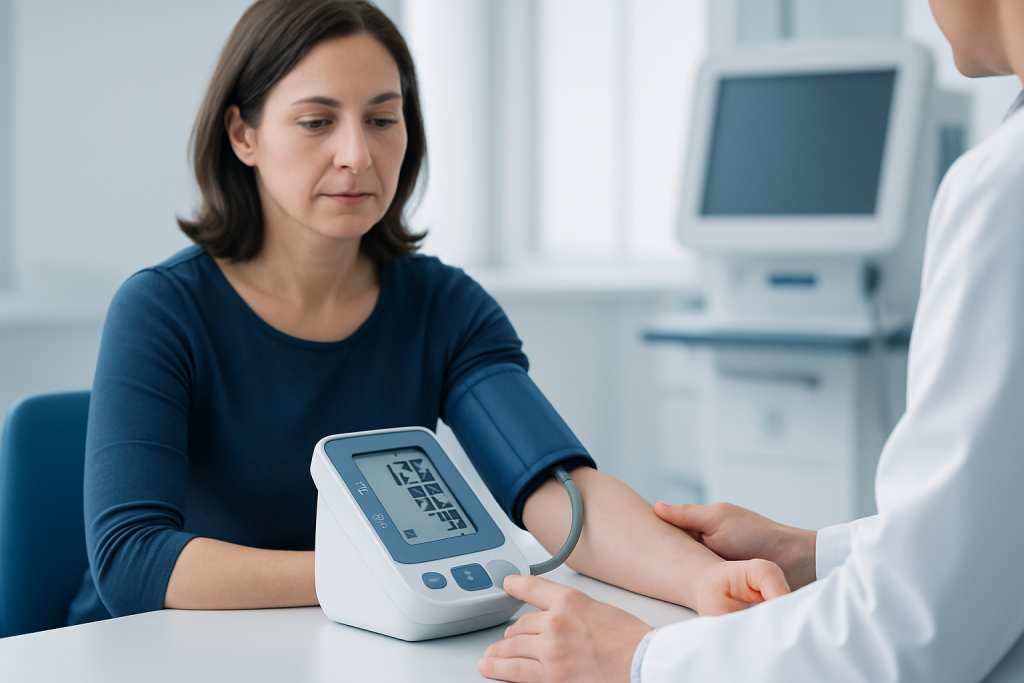
Blood pressure is reported with two numbers. The first, systolic pressure, reflects the force when the heart contracts. The second, diastolic pressure, reflects the pressure when the heart relaxes between beats. When either number is consistently higher than expected, the heart and blood vessels may be working under extra strain.
A single elevated result does not automatically mean a person has chronic hypertension. It may reflect “white coat” effects, recent exercise, caffeine, stress, poor sleep, dehydration, or missed medication. However, if readings remain high after repeating them properly, the chance of true hypertension becomes more likely.
Before travel, the meaning of the number depends on how high it is and whether there are warning symptoms. Mild or moderate elevation may simply need monitoring and a conversation with a clinician. Very high values, especially when repeated, can require prompt assessment before a flight or procedure.
Common reasons blood pressure rises before travel

Travel itself can create a perfect storm for higher readings. People may be anxious about surgery, unsure about language barriers, or dealing with pain from the condition they are travelling to treat. Time pressure, airport planning, and disrupted routines can all raise blood pressure temporarily.
Medication issues are another common reason. Some patients miss doses while packing, change time zones without adjusting the schedule, or stop medicines because they are worried about fasting, anesthesia, or side effects. Decongestants, some herbal products, and excess caffeine may also contribute.
- Stress or anxiety before a medical trip
- Pain or discomfort from the underlying condition
- Missed or delayed blood pressure medication
- Too much caffeine, nicotine, or alcohol
- Poor sleep, dehydration, or an irregular schedule
- Measurement errors, such as using the wrong cuff size
These factors are often temporary, which is why a calm repeat measurement is so important. The goal is not to guess, but to confirm whether the elevation is situational or persistent.
How doctors evaluate the reading before travel
Clinicians usually begin by asking when the reading was taken, what the person was doing beforehand, and whether the result was repeated after a few minutes of rest. They may also ask for several home readings if available, because a pattern is more useful than one number.
When a patient is preparing to travel for treatment, the medical team may review the full picture: current medications, kidney or heart disease, diabetes, previous strokes, recent symptoms, and the type of procedure planned. This helps determine whether travel should continue as scheduled or whether blood pressure should be stabilized first.
Sometimes a doctor will recommend home blood pressure monitoring for several days, using a validated device and a written log. In other situations, the person may need same-day evaluation, especially if the reading is severely elevated or there are symptoms that suggest an urgent problem.
Treatment options and travel timing
Management depends on the reason for the elevation and the person’s overall risk. If the blood pressure is only mildly high and the patient feels well, the care team may advise continuing current medication, avoiding triggers, and rechecking the reading. If hypertension is newly discovered or poorly controlled, a doctor may adjust treatment before travel or delay a non-urgent procedure.
For patients already taking medication, the most important step is to keep a consistent schedule. Any changes should be made by a clinician, especially when a procedure involves anesthesia, fasting, or post-treatment recovery. A patient should never stop blood pressure medicine on their own just because travel is approaching.
When Varicose Vein Treatment Abroad: When Stockings Are Enough and When Procedures Help More" class="ahp-ilk">treatment abroad is planned, it helps to bring a written medication list, copies of recent blood pressure readings, allergy information, and details of past heart, kidney, or stroke-related problems. If a passport, long flight, or time-zone shift is involved, the care team can explain how to preserve the correct dosing pattern and what to do if a dose is missed.
Prevention and self-care before the journey
Simple habits can make a meaningful difference in the days before travel. Measuring blood pressure at the same time each day, after resting quietly, can help patients and doctors see the true pattern. It is also useful to avoid salt-heavy meals, maintain hydration, and keep sleep as regular as possible before departure.
Patients should also pack medicines in their hand luggage, not checked baggage, and carry enough supply for the full trip plus extra in case of delays. A small written plan can prevent confusion: which medication is taken when, who to contact if readings rise, and which symptoms mean urgent review is needed.
- Use a validated home blood pressure monitor if recommended
- Take readings after resting for at least five minutes
- Avoid caffeine, smoking, or exercise right before checking
- Keep medicines accessible during travel
- Bring a list of diagnoses, surgeries, and allergies
- Discuss flying, fasting, or anesthesia plans with the clinician in advance
For people travelling internationally, these practical steps reduce last-minute uncertainty and make arrival for treatment smoother. They also help the receiving team understand what has been happening at home, which is especially valuable when care begins in another country.
When to seek medical advice quickly
Some readings need prompt attention, especially if they stay high after resting and repeating the measurement correctly. A clinician should be contacted before travel if blood pressure is repeatedly elevated, if medication has been missed, or if the person has a history of heart, kidney, or brain disease.
Urgent medical review is important if high blood pressure comes with chest pain, shortness of breath, confusion, weakness, vision changes, severe headache, fainting, or new swelling. These symptoms may indicate a serious problem that needs immediate assessment, regardless of travel plans.
For patients travelling abroad, it is wise to know the local emergency contact process at the destination and to keep the treating hospital’s contact details easily available. If needed, Acibadem Health Point’s multidisciplinary specialists and JCI-accredited hospitals can diagnose and treat hypertension for international patients as part of coordinated care.
What to remember before booking or boarding
A high blood pressure reading before medical travel is best treated as a checkpoint, not a verdict. It can reveal temporary stress, an overlooked medication issue, or a need for closer medical review before a procedure begins.
With a repeat measurement, a clear medication plan, and guidance from a qualified doctor, many patients can move forward safely and with more confidence. The more organized the information is before departure, the easier it is for both the patient and the receiving medical team to focus on treatment rather than avoidable delays.
For international patients, that preparation matters just as much as the journey itself. A calm, well-documented start often leads to a safer arrival and a more coordinated care experience.
References
American Heart Association
World Health Organization
National Institute for Health and Care Excellence (NICE)
Centers for Disease Control and Prevention
Frequently asked questions
Does one high blood pressure reading mean the trip should be canceled?
Not always. A single reading can be raised by stress, pain, caffeine, or a rushed measurement, so doctors usually look for repeated results and the overall clinical picture. If the reading is very high or symptoms are present, medical review is needed before travel.
Should blood pressure medicine be stopped before flying or having treatment?
Blood pressure medicine should not be stopped without a doctor’s advice. Some treatments require timing adjustments, especially if fasting or anesthesia is involved. The care team can explain what to continue, what to hold, and when to take the next dose.
What is the best way to recheck blood pressure before travel?
Rest quietly for at least five minutes, sit with feet flat, and avoid caffeine, smoking, and exercise just before the reading. Use a validated cuff size and take two readings a minute or two apart. A home log over several days is often more helpful than a single clinic result.
Can anxiety about treatment raise blood pressure?
Yes. Emotional stress can temporarily increase blood pressure, especially before tests, procedures, or long-distance travel. Breathing slowly, resting before measurement, and speaking with the medical team about concerns can help lower stress-related spikes.
Which symptoms make high blood pressure more urgent?
Chest pain, shortness of breath, severe headache, confusion, weakness, vision changes, fainting, or new swelling should be taken seriously. These symptoms can signal a condition that needs immediate medical attention. Travel plans should wait until the person is medically assessed.
What should a patient bring when traveling for blood pressure-related care?
A medication list, recent blood pressure readings, allergy information, and records of heart, kidney, or stroke conditions are all useful. It also helps to bring enough medication for the trip, plus extra supply in case of delays. This makes it easier for the receiving team to continue care without interruption.
References
- American Heart Association
- World Health Organization
- National Institute for Health and Care Excellence (NICE)
- Centers for Disease Control and Prevention
This article is for general information only and is not a substitute for professional medical advice. Please consult a qualified doctor about your individual situation.