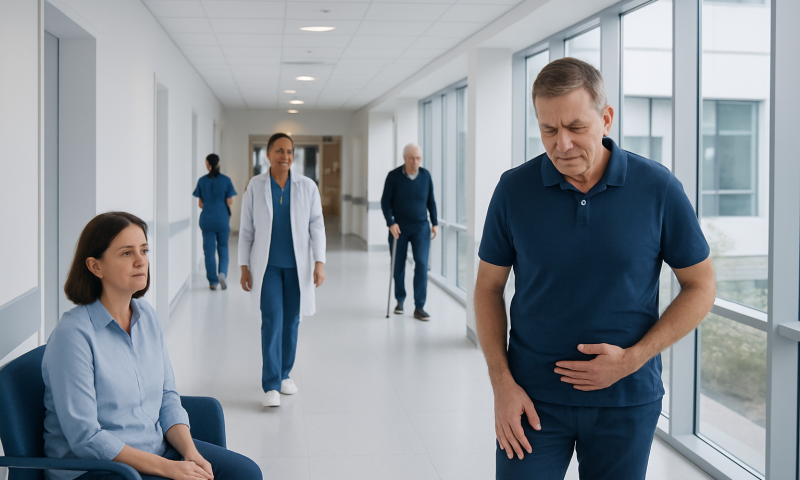
What Do Hemorrhoids Look and Feel Like?

Key Takeaways
- Hemorrhoids can appear as a soft lump, swelling, or a bluish bump around the anus, or they may be hidden inside the rectum.
- Common feelings include itching, pressure, mild pain, fullness, and sometimes bright red bleeding with bowel movements.
- Constipation, straining, prolonged sitting on the toilet, pregnancy, and low-fiber eating habits can raise the risk.
- Many cases improve with fiber, fluids, bathroom habit changes, and local symptom relief.
- Persistent bleeding, severe pain, or a new anal lump should be evaluated by a qualified doctor.
Hemorrhoids are swollen veins in and around the rectum and anus that can cause discomfort, itching, bleeding, or a soft lump. Understanding how they typically look and feel can help a person recognize when simple self-care may be enough and when a doctor should assess the symptoms.
Overview
When people ask what hemorrhoids look like and feel like, they are usually trying to separate an ordinary, temporary irritation from a problem that needs medical attention. Hemorrhoids are swollen veins in the lower rectum or around the anus, and they can range from barely noticeable to quite uncomfortable.
Some hemorrhoids stay inside the rectum and may cause little more than bleeding or a feeling of incomplete emptying. Others sit under the skin around the anus and can be felt as a tender bump, especially after a bowel movement or long periods of straining.
For many people, the first clue is not the way they look but the sensation they create: itching, pressure, soreness, or a sense that something is “there” when sitting. A careful description of those symptoms helps a clinician distinguish hemorrhoids from fissures, skin tags, abscesses, or other causes of anal discomfort.
Symptoms and Appearance
External hemorrhoids often look like a soft swelling or lump near the anal opening. They may be skin-colored, pink, red, or bluish, and they can become more noticeable after bowel movements. If a clot forms inside an external hemorrhoid, the bump may feel firm and suddenly painful.
Internal hemorrhoids are usually not visible from the outside unless they prolapse, meaning they slip down through the anus. In that case, a person may notice a moist, bulging tissue after straining or wiping. Internal hemorrhoids more commonly cause painless bright red bleeding on toilet paper, in the toilet bowl, or on the surface of stool.
How hemorrhoids feel varies from person to person, but common descriptions include:
- Itching or irritation around the anus
- Pressure, fullness, or a sense of incomplete bowel emptying
- Mild pain or soreness, especially when sitting
- Bleeding with bowel movements
- A lump that can be touched or seen
These symptoms can overlap with other conditions, so appearance alone is not always enough for a confident diagnosis.
Causes & Risk Factors
Hemorrhoids develop when pressure builds in the veins of the rectum and anus. Repeated straining is a common reason, but it is not the only one. Anything that increases pressure in this area can make the veins swell and become more sensitive.
Frequent triggers include constipation, hard stools, sitting too long on the toilet, chronic diarrhea, heavy lifting, and a diet that does not provide enough fiber. Pregnancy can also increase the chance of hemorrhoids because of pelvic pressure and hormonal changes.
Risk is often higher in people who spend long periods seated, do not drink enough fluids, or have bowel habits that lead to straining. Aging may also contribute, because the tissues that support the veins can gradually become less firm over time. For international patients traveling for care, it is helpful to share bowel history clearly, including diet changes, long flights, and any medicines used during travel, because these details can affect symptoms and recovery planning.
Diagnosis
Doctors usually begin with a discussion of symptoms, bowel habits, and any bleeding or pain. Because rectal bleeding can have several causes, the clinician may also ask about stool changes, weight loss, family history, and whether the person has had similar symptoms before.
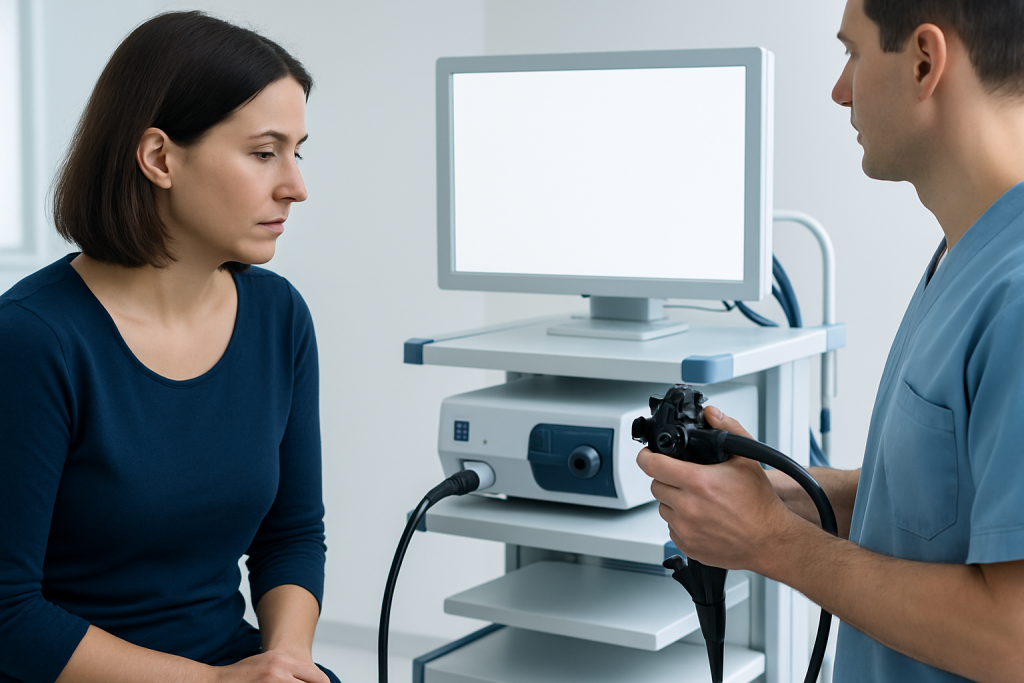
A physical examination often includes looking at the anal area and, if needed, a gentle digital rectal exam. In some cases, a small lighted instrument may be used to look inside the lower rectum, especially if internal hemorrhoids are suspected.
Diagnosis is often straightforward, but further evaluation may be advised if bleeding is recurring, the pain is severe, or the findings are not typical. This is especially important for people who are traveling from another country, since a clear diagnosis helps them understand whether treatment can be handled conservatively, whether a procedure is needed, and how follow-up should be organized after returning home.
Treatment Options
Treatment depends on how severe the hemorrhoids are and how much they affect daily life. Mild symptoms often respond to practical changes that reduce swelling and make bowel movements easier. When symptoms persist, office-based procedures or surgery may be considered.
Common non-surgical approaches include increasing fiber intake, drinking enough fluids, avoiding prolonged straining, and using warm sitz baths for comfort. Doctors may also suggest topical creams or suppositories for short-term symptom relief, though these do not remove the underlying swollen veins.
When hemorrhoids are more troublesome, a specialist may recommend procedures such as rubber band ligation, sclerotherapy, or infrared coagulation for internal hemorrhoids. Large, recurrent, or very painful hemorrhoids may sometimes need surgical treatment. The best option depends on symptoms, exam findings, and the person’s overall health, travel plans, and ability to attend follow-up visits.
For international patients, it can be reassuring to know that treatment plans can be staged around the length of stay when medically appropriate. Acibadem Health Point’s multidisciplinary specialists and JCI-accredited hospitals diagnose and treat hemorrhoids for international patients with coordinated care before and after the procedure.
Prevention & Self-care
Many hemorrhoid flare-ups are linked to bowel habits, so small daily changes can make a meaningful difference. The goal is to reduce pressure in the rectal veins and avoid repeated irritation of the area.
Helpful self-care measures include eating enough fiber from foods such as vegetables, fruits, legumes, and whole grains, drinking fluids regularly, and responding to the urge to have a bowel movement rather than delaying it. It also helps to avoid sitting on the toilet for long periods and to minimize straining.
Other practical steps include gentle cleaning after bowel movements, wearing breathable underwear, and using warm water to soothe discomfort if the area feels irritated. Regular physical activity may also support healthier bowel function. If constipation is frequent, a doctor may suggest a general bowel regimen tailored to the person’s needs rather than relying on repeated over-the-counter remedies alone.
When to See a Doctor
It is wise to seek medical advice if anal bleeding occurs for the first time, happens repeatedly, or is accompanied by dizziness, weakness, or black stools. Bleeding should not be assumed to be hemorrhoids without an evaluation, especially in adults with new symptoms.
Medical review is also important if the pain is severe, a lump becomes hard or very tender, or there is swelling, fever, or drainage. Those features may point to a different problem that needs prompt care.
People who have ongoing bowel changes, unexplained weight loss, anemia, or a family history of colon disease should not delay assessment. A qualified doctor can confirm the cause, discuss treatment choices, and help plan care in a way that fits travel schedules and recovery needs.
Living With Hemorrhoid Symptoms
Hemorrhoids can be uncomfortable, but they are also common and often manageable. Many people feel better once they understand what is actually happening and adjust the habits that worsen pressure in the anal veins.
Because symptoms can be embarrassing, some people wait too long before asking for help. A calm medical evaluation can provide clarity, rule out other causes, and make treatment feel less uncertain.
For patients who are considering care abroad, clear communication about symptoms, prior treatments, and bowel patterns helps the medical team create a realistic plan for diagnosis, treatment, and follow-up. That practical planning can be just as important as the procedure itself.
Frequently asked questions
What do hemorrhoids usually look like?
External hemorrhoids may appear as a soft lump or bluish swelling around the anus. Internal hemorrhoids are often not visible unless they prolapse, in which case a bulging tissue may be seen after straining.
What do hemorrhoids feel like?
They may feel itchy, sore, swollen, or pressurized, and some people notice a tender lump. Internal hemorrhoids can also feel like incomplete emptying or mild discomfort during bowel movements.
Do hemorrhoids always hurt?
No. Internal hemorrhoids often cause little or no pain, even when they bleed. Pain is more common with external hemorrhoids, especially if a clot forms inside them.
Can hemorrhoids cause bleeding?
Yes, bright red bleeding is a common symptom, especially after bowel movements. Any rectal bleeding should still be checked by a doctor to confirm the cause.
Can hemorrhoids go away on their own?
Mild symptoms often improve with fiber, fluids, and better bathroom habits. If symptoms keep returning or become more painful, a doctor may suggest a procedure or another treatment plan.
How can a person tell hemorrhoids from something else?
The symptoms can overlap with fissures, skin tags, abscesses, and other conditions, so appearance alone is not enough. A medical exam is the safest way to confirm the diagnosis.
References
- Mayo Clinic
- Cleveland Clinic
- National Institute of Diabetes and Digestive and Kidney Diseases
- American Society of Colon and Rectal Surgeons
- NHS
This article is for general information only and is not a substitute for professional medical advice. Please consult a qualified doctor about your individual situation.
Persistent digestive symptoms? Get evaluated in Turkey
JCI-accredited · board-certified surgeons · reply within 24h
Add us as a Preferred Source to see more of our trusted health content across Google Search, AI Overviews and Discover.