

Treatment Of Pots Disease

Key Takeaways
- POTS treatment is individualized and often works best when lifestyle measures and medical care are used together.
- Hydration, salt intake, compression garments, and gradual exercise are common non-drug strategies.
- Doctors may use medicines to help with heart rate, blood pressure, or related symptoms when needed.
- Diagnosis usually includes a detailed history, standing tests, and checks for other causes of similar symptoms.
- Symptoms can improve over time, especially with steady follow-up and realistic pacing.
Postural orthostatic tachycardia syndrome (POTS) is a form of orthostatic intolerance that can affect daily life in very different ways from one person to another. Treatment is usually tailored, combining lifestyle measures, selected medicines, and regular follow-up to help reduce symptoms and improve function.
Overview
Postural orthostatic tachycardia syndrome, commonly called POTS, is a condition in which the body has trouble adjusting to an upright position. Instead of keeping blood flow and heart rate steady when a person stands, the autonomic nervous system overreacts, often causing a noticeable rise in heart rate and a cluster of symptoms such as lightheadedness, fatigue, and brain fog.
The phrase “treatment of POTS disease” can sound as if there is one standard plan, but there usually is not. Care is more often built step by step, depending on the person’s symptoms, age, daily routine, and other health conditions. For many patients, the most helpful approach starts with practical changes that are easy to monitor, then adds medication or rehabilitation when needed.
For international patients, treatment planning also needs to be realistic across borders. A useful plan should account for travel time, recovery needs, access to follow-up care at home, and the possibility that tests or therapy may need to continue after returning to another country.
Symptoms
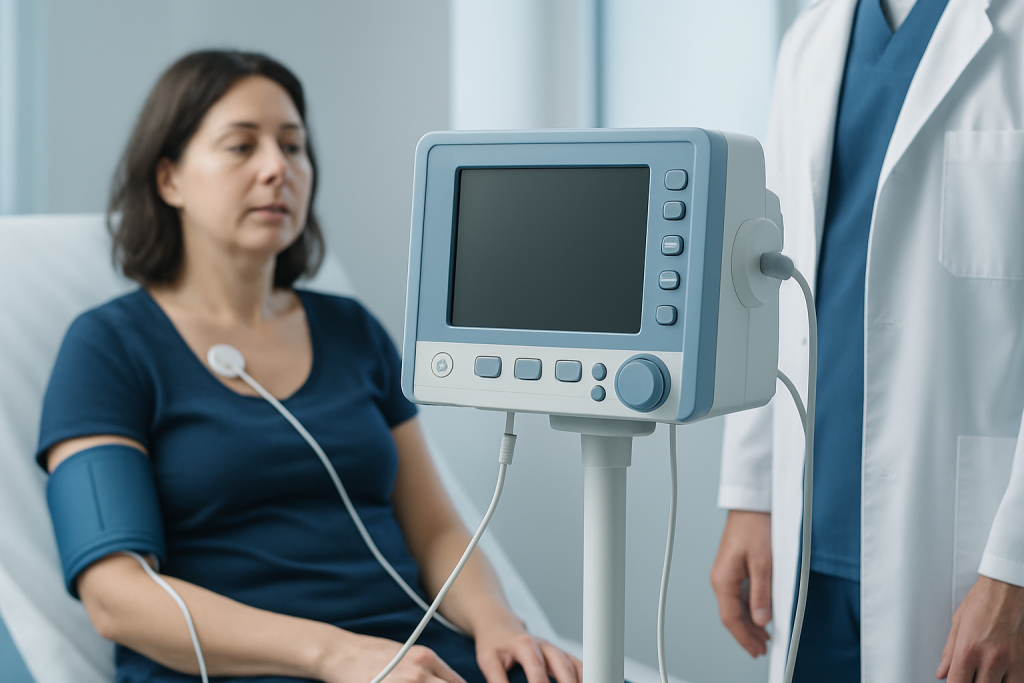
POTS does not look exactly the same in every person. Some people mainly notice a fast heartbeat when standing, while others feel weak, shaky, or mentally “slowed down.” Symptoms often become more obvious after prolonged standing, dehydration, illness, heat exposure, or physical stress.
Common symptoms may include:
- Rapid heart rate when standing
- Lightheadedness or a feeling of near-fainting
- Fatigue that is out of proportion to activity
- Brain fog, trouble concentrating, or memory lapses
- Palpitations
- Exercise intolerance
- Nausea, headache, or chest discomfort in some patients
Because these symptoms can overlap with anemia, thyroid disease, anxiety, dehydration, and other conditions, they should not be assumed to be POTS without proper medical evaluation. A clear diagnosis helps avoid unnecessary worry and prevents treatment from being aimed at the wrong problem.
Causes & Risk Factors

POTS is not a single disease with one cause. It is a syndrome, which means several different mechanisms can lead to similar symptoms. In some patients, it begins after a viral illness, surgery, pregnancy, prolonged bed rest, or a period of significant deconditioning. In others, it may be linked with autoimmune features, connective tissue disorders, or changes in blood volume regulation.
Risk factors and associated conditions can include:
- Recent infection or prolonged recovery after illness
- Long periods of reduced activity or bed rest
- Hypermobility or certain connective tissue disorders
- Autoimmune conditions in some patients
- Adolescence and young adulthood, although adults can also be affected
- Female sex at birth, which is seen more often in diagnosed cases
It is important to remember that a risk factor is not a cause in every case. Many people with one or more of these features never develop POTS, and some people with POTS have none of them. The treatment plan should focus on the patient’s actual symptoms and test results rather than on assumptions alone.
Diagnosis
Diagnosing POTS begins with a careful conversation. Doctors usually ask when the symptoms started, what makes them better or worse, whether fainting has occurred, and how the symptoms affect work, school, travel, exercise, or daily tasks. A medication review is also important because some drugs can influence heart rate, fluid balance, or blood pressure.
Testing often includes checking heart rate and blood pressure while lying down and then standing, sometimes over several minutes. In some settings, a tilt-table test may be used, especially if the diagnosis is unclear. Doctors may also order blood tests, an electrocardiogram, or other studies to rule out conditions that can mimic POTS, such as thyroid disorders, anemia, electrolyte problems, or rhythm disturbances.
For patients traveling for care, bringing previous test results, medication lists, and a symptom diary can make the diagnostic process more efficient. A concise record of how symptoms change over the day, with meals, and after standing or exercise often helps the clinician identify the pattern more quickly.
Treatment Options
Treatment for POTS is usually layered, beginning with measures that support circulation and reduce symptom triggers. Many clinicians start with hydration and salt optimization, if appropriate for the person’s health profile, because fluid and volume support can ease orthostatic symptoms. Compression stockings or abdominal compression garments may also help limit blood pooling in the legs and abdomen.
Exercise is another core part of care, but it must be introduced gradually. Recumbent or semi-recumbent activities such as cycling, rowing, or mat-based conditioning are often easier to tolerate at first than upright workouts. The goal is not to “push through” severe symptoms; it is to rebuild tolerance in a controlled way that the body can sustain.
When symptoms remain troublesome, doctors may consider medicines based on the dominant problem. Some are used to help lower heart rate, some to support blood pressure, and others to address related issues such as nausea or sleep disturbance. Because responses vary widely, medication choices should be individualized and monitored carefully, especially if the patient is planning to travel or will need follow-up after returning home.
In more complex cases, treatment may also include specialist input from cardiology, neurology, rehabilitation, or internal medicine teams. This is especially helpful when POTS overlaps with migraine, chronic fatigue, hypermobility, or gastrointestinal symptoms. A coordinated plan can reduce trial-and-error and make the recovery process easier to manage across different care settings.
Prevention & Self-care
There is no guaranteed way to prevent POTS, but many people can reduce flare-ups once they understand their own triggers. Steady routines matter. Skipping meals, getting too little sleep, standing for long periods, overheating, and becoming dehydrated can all make symptoms more noticeable.
Useful self-care habits often include:
- Drinking fluids regularly through the day
- Following the salt advice given by the treating doctor
- Rising slowly from bed or from a seated position
- Using compression garments if recommended
- Eating smaller, more frequent meals if large meals trigger symptoms
- Keeping a symptom log to identify patterns
Travel preparation can also be part of self-care. Patients who fly or take long trips may benefit from planning hydration, movement breaks, and medication timing in advance. If care is being arranged internationally, it helps to discuss in advance how to continue exercise guidance, medication adjustments, and symptom monitoring after the return journey.
When to See a Doctor
A doctor should be consulted if standing reliably triggers palpitations, dizziness, faintness, or disabling fatigue, especially when symptoms interfere with work, school, driving, or normal family activities. Persistent symptoms deserve evaluation even if they come and go, because early assessment can prevent a long period of uncertainty.
Medical review is also important if there is actual fainting, chest pain, shortness of breath, or a new change in pattern. These symptoms do not automatically mean something dangerous, but they do need proper assessment to make sure the diagnosis is correct and the treatment plan is safe.
For patients seeking care abroad, it is reasonable to look for a center that can confirm the diagnosis, explain the treatment plan clearly, and coordinate follow-up. Acibadem Health Point’s multidisciplinary specialists and JCI-accredited hospitals diagnose and treat POTS for international patients, with attention to continuity of care after discharge.
Frequently asked questions
Is POTS treatable?
Yes. Many people improve with a combination of lifestyle changes, physical reconditioning, and, when needed, medication. Treatment is usually tailored to the person’s symptoms rather than using one standard plan for everyone.
What is the first step in POTS treatment?
The first step is usually confirming the diagnosis and looking for other conditions that could explain the symptoms. After that, doctors often begin with hydration, salt guidance, compression, and gradual exercise if appropriate.
Does exercise help POTS?
Yes, but it usually needs to start gently and progress slowly. Recumbent exercise is often easier at first because it places less stress on standing circulation.
Can POTS go away?
Some people improve significantly over time, while others need long-term symptom management. The course varies, so regular follow-up is helpful even when symptoms begin to settle.
Are medicines always needed for POTS?
No. Some people do well with non-drug measures alone, while others need medication to better control heart rate or blood pressure symptoms. The decision depends on how severe the symptoms are and how well lifestyle measures are working.
How can someone prepare for POTS treatment abroad?
It helps to bring prior test results, a medication list, and a symptom diary. Planning follow-up before travel ends is also useful, since treatment often continues after returning home.
References
- National Institute of Neurological Disorders and Stroke
- Cleveland Clinic
- Mayo Clinic
- Heart Rhythm Society
- Autonomic Society
This article is for general information only and is not a substitute for professional medical advice. Please consult a qualified doctor about your individual situation.
More from the Health Library



Related Specialists

Prof. Dr. Ahmet Alanay
Orthopedic Surgery & Traumatology
Dr. Sinan Aksu
Orthopedic Surgery & Traumatology
Dr. Sirri Baştürk
Orthopedic Surgery & Traumatology
Prof. Dr. Korhan Özkan
Orthopedic Surgery & Traumatology