

Knee Knock Disease

Key Takeaways
- Knee knock disease is another name for knock knees, or genu valgum, where the knees angle inward.
- It is often a normal finding in young children and may improve as growth continues.
- Persistent, painful, or one-sided knee valgus may need evaluation for bone, growth, or joint-related causes.
- Treatment depends on age, severity, symptoms, and the underlying reason for the alignment difference.
- Evaluation is especially important when walking changes, pain, limp, or functional limits appear.
Knee knock disease, commonly called knock knees or genu valgum, describes an inward angle of the legs that makes the knees touch when standing. In many children it is a normal part of growth, but in some people it can persist, cause pain, or signal an underlying orthopedic issue.
Overview
Knee knock disease is a common way of describing knock knees, also known in medicine as genu valgum. In this alignment pattern, the lower legs angle outward while the knees drift inward, so the knees may touch when the ankles remain apart. It can be seen in children, adolescents, and adults, but the meaning is different at each age.
In young children, this posture is often part of normal growth and may settle as the legs develop. In older children, teens, or adults, however, it can reflect lingering growth variation, prior injury, bone disease, excess body weight, or arthritis-related change. The key question is not only how the knees look, but whether the alignment is stable, symmetrical, and comfortable.
For international patients deciding whether to travel for orthopedic care, the practical issue is often timing. Mild knock knees without pain may only need observation, while a more significant deformity, walking difficulty, or unexplained progression benefits from a structured assessment that can clarify whether treatment should be simple monitoring, bracing in selected children, physical therapy, or surgery.
Symptoms
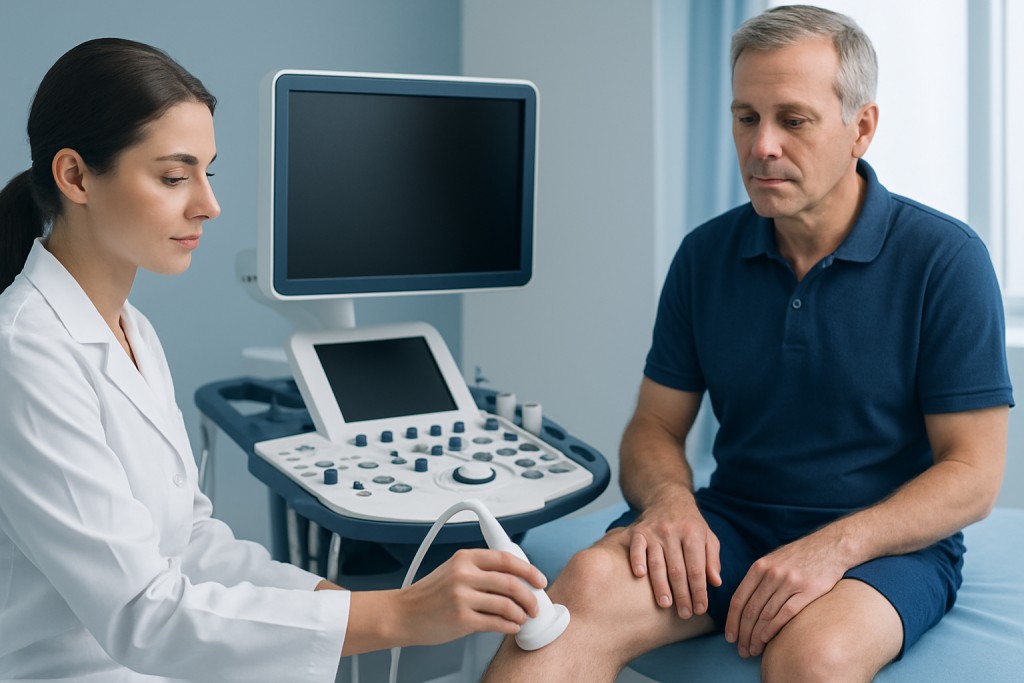
The most visible sign is the inward positioning of the knees when standing straight. A person may notice that the knees touch while the ankles stay apart, or that shoes wear unevenly because of the way weight is placed through the legs. Some people only notice the shape change in photographs or during a routine examination.
When symptoms occur, they often involve the way the legs feel during walking or activity. Common complaints can include:
- Knee, hip, or ankle discomfort
- Fatigue after standing or walking for long periods
- Trips, clumsiness, or an awkward gait
- Limited confidence with running, stairs, or sports
- Uneven kneecap tracking or a feeling of instability
In children, one-sided knock knees, worsening deformity, limping, short stature, or pain out of proportion to activity deserve closer attention. In adults, new or progressive genu valgum may be linked to joint wear, old trauma, or inflammatory conditions, and the pattern of symptoms can help guide the next step in care.
Causes & Risk Factors

Knock knees can appear for different reasons depending on age. In early childhood, the alignment of the legs naturally changes as bones grow and the muscles around them adapt. Many children pass through a temporary knock-knee phase before the legs gradually move toward a more typical alignment.
When genu valgum is persistent or develops later, possible causes may include bone growth differences, injuries near the growth plates, rickets or other mineral disorders, skeletal conditions, obesity-related mechanical stress, or arthritis in adolescence or adulthood. Some children are also simply more flexible or have family traits that influence leg alignment.
Risk is not determined by appearance alone. A clinician looks for clues such as age at onset, symmetry, speed of change, pain, prior fracture or infection, vitamin D or nutrition concerns, and whether other joints or the spine are affected. These details help distinguish a normal developmental pattern from a condition that benefits from treatment.
Diagnosis
Diagnosis begins with a detailed history and a physical examination. The doctor usually observes the person standing, walking, and possibly squatting, because leg alignment is often more informative during movement than while sitting. They may measure the distance between the ankles or assess the angle of the knees in relation to the hips and feet.
Imaging is not always needed, especially in a young child with mild, symmetric alignment changes and no symptoms. When the case is unusual, progressive, painful, or severe, an X-ray may be used to look at bone shape, growth plates, and joint spaces. In selected cases, especially when a leg-length difference or complex deformity is suspected, more detailed imaging may help plan treatment.
The diagnostic goal is broader than naming the condition. A careful orthopedic evaluation asks whether the knock knees are part of normal growth, whether another disorder is contributing, and whether the alignment is affecting function now or likely to do so later. For patients traveling from abroad, this kind of assessment is useful because it can combine diagnosis, treatment planning, and follow-up recommendations in one coordinated visit.
Treatment Options
Treatment depends on the cause, the child’s age, the degree of angulation, and whether symptoms are present. In many young children with mild, symmetrical knock knees, the safest plan is observation over time. The legs may improve naturally as growth continues, so immediate intervention is often unnecessary.
When a treatable underlying cause is found, therapy focuses on that cause. For example, nutritional or metabolic problems are addressed medically, while pain related to overuse or joint strain may benefit from activity modification and physical therapy. In children nearing maturity with significant deformity, growth-guided procedures may sometimes be considered; in adults with persistent symptomatic valgus alignment, corrective osteotomy or, in the setting of advanced arthritis, joint replacement may be discussed.
Non-surgical support can also matter. A tailored exercise program may improve hip and thigh muscle control, walking mechanics, and comfort, even though exercises do not usually change bone alignment on their own. Bracing is not a universal solution for knee valgus, but in specific pediatric situations a specialist may recommend temporary support or monitoring between visits.
Every treatment plan should be individualized. The best choice is often the one that balances appearance, symptoms, growth status, joint health, and the person’s daily goals — whether that is easier walking, sports participation, or reducing long-term stress on the knees.
Prevention & Self-care
Not every case of knock knees can be prevented, especially when it is part of normal development or related to family traits. Still, a few practical habits can support overall leg and joint health. Maintaining a healthy body weight can reduce extra stress on the knees, and regular movement helps preserve muscle balance and joint flexibility.
For children, supportive footwear, age-appropriate activity, and routine well-child checks allow growth patterns to be monitored over time. Parents should avoid assuming that every visible alignment difference needs correction; the more useful question is whether the child is thriving, keeping up with peers, and developing symmetrically.
Self-care for older children and adults often includes gentle strengthening, stretching when recommended, pacing activities, and paying attention to pain signals. If the person is traveling for medical care, it helps to bring prior X-rays, growth charts if available, a list of symptoms, and details about previous treatment so the orthopedic team can build on existing information rather than repeating avoidable steps.
When to See a Doctor
A medical evaluation is advisable when knock knees are painful, clearly worsening, or affecting walking, sports, or daily activities. It is also important to seek care if the deformity appears mainly on one side, follows an injury, or is accompanied by limp, swelling, stiffness, short stature, or other signs that suggest a broader orthopedic or metabolic problem.
In children, persistent valgus beyond the expected developmental window deserves review, especially if the knees are far apart at the ankles or the alignment looks more pronounced over time. In adults, a new change in leg position may reflect joint degeneration or another structural issue that should not be ignored.
Families and adult patients who are considering Herniated Disc Treatment Abroad: Injection, Rehab, or Surgery?" class="ahp-ilk">treatment abroad may find it helpful to arrange an orthopedic consultation that includes imaging review and a clear plan for follow-up after returning home. Acibadem Health Point’s multidisciplinary specialists and JCI-accredited hospitals diagnose and treat this condition for international patients in a coordinated setting, which can simplify the path from assessment to recovery.
Frequently asked questions
Is knee knock disease always a problem in children?
Not always. In many young children, knock knees are part of normal growth and improve over time. A doctor is more likely to investigate if the alignment is severe, one-sided, painful, or getting worse.
Can exercises fix knock knees?
Exercises can improve strength, balance, and walking comfort, but they usually do not change the shape of the bones. They are often used as part of a broader plan when symptoms or movement issues are present.
Do braces correct genu valgum?
Braces are not a universal fix for knock knees. In some specific pediatric situations, a specialist may recommend temporary support or monitoring, but the best approach depends on the cause and the child’s growth stage.
When should an adult with knock knees seek care?
Adults should seek assessment if the deformity is new, worsening, painful, or affecting mobility. It is especially important when there is knee arthritis, a past injury, or a noticeable change in the way the legs bear weight.
What tests are usually needed to diagnose knee knock disease?
A physical examination is often the first step, and many mild cases do not need imaging. If the presentation is unusual or concerning, an X-ray may be used to look at bone alignment and joint health.
Can knock knees come back after treatment?
That depends on the underlying cause and the type of treatment used. Children who are still growing may need follow-up to make sure alignment remains appropriate, while adults may need long-term care if arthritis or another ongoing condition is involved.
References
- American Academy of Orthopaedic Surgeons
- Mayo Clinic
- National Institute of Arthritis and Musculoskeletal and Skin Diseases
- NHS
- American Academy of Pediatrics
This article is for general information only and is not a substitute for professional medical advice. Please consult a qualified doctor about your individual situation.
More from the Health Library



Related Specialists
Prof. Dr. Ahmet Alanay
Orthopedic Surgery & Traumatology
Dr. Sinan Aksu
Orthopedic Surgery & Traumatology
Dr. Sirri Baştürk
Orthopedic Surgery & Traumatology
Prof. Dr. Korhan Özkan
Orthopedic Surgery & Traumatology