

Knee Ligaments

Key Takeaways
- Knee ligaments help keep the joint stable during walking, running, twisting, and climbing.
- Common ligament injuries involve the ACL, MCL, PCL, and LCL.
- Symptoms often include pain, swelling, stiffness, and a sense that the knee may give way.
- Diagnosis usually combines a physical exam with imaging such as MRI when needed.
- Treatment may include rest, bracing, physiotherapy, or surgery depending on the ligament and injury severity.
Knee ligaments are strong bands of tissue that stabilize the knee and help guide safe movement. When they are stretched or torn, pain, swelling, and a feeling of instability may follow, but many injuries can be assessed and treated effectively with the right orthopedic care.
Overview
Knee ligaments are the knee’s support cables. They connect bone to bone, guide motion, and limit movements that could damage the joint. Without them, ordinary actions such as turning quickly, landing from a jump, or stepping off a curb would place too much stress on the knee.
There are four major ligaments in the knee: the anterior cruciate ligament (ACL), posterior cruciate ligament (PCL), medial collateral ligament (MCL), and lateral collateral ligament (LCL). Each one has a specific role, and each can be injured in a different way. Some injuries happen suddenly during sports or accidents; others develop after repeated strain or a direct blow.
For people who travel for care, knee ligament problems often raise practical questions early: Is surgery necessary? How long is recovery? Can rehabilitation continue safely back home? Orthopedic teams often focus on answering these questions clearly so patients can plan treatment around work, family, and travel schedules.
Symptoms
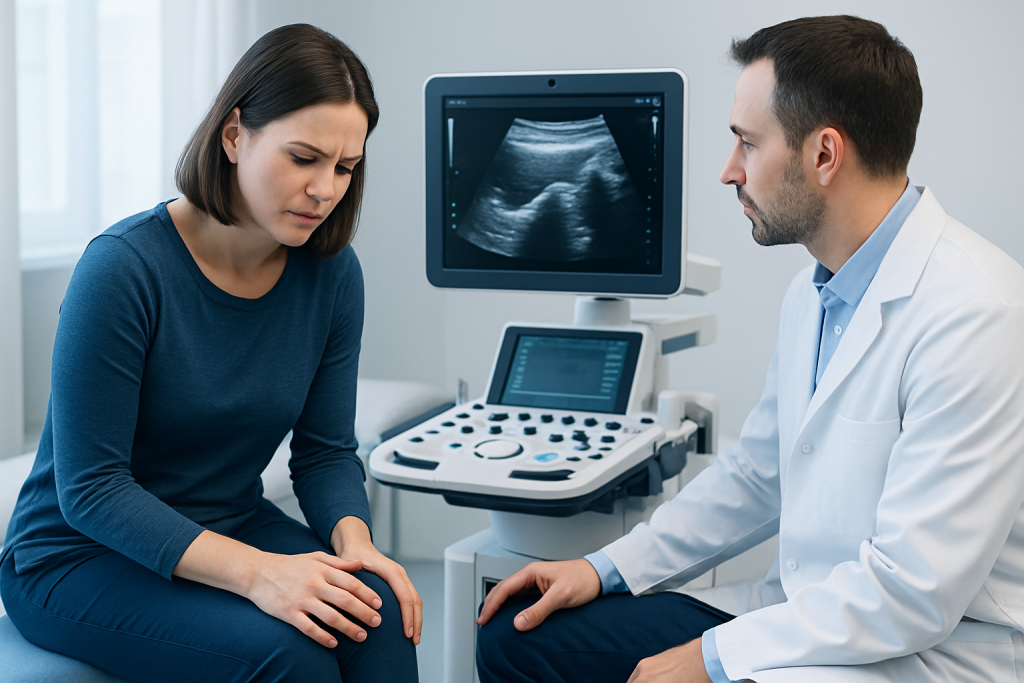
The signs of a knee ligament injury depend on which ligament is affected and how badly it is stretched or torn. Pain is usually present soon after the injury, though the intensity can vary from mild discomfort to sharp pain that makes weight-bearing difficult.
Swelling is another common clue, especially when the injury is more severe. Some people notice the knee feels unstable, as if it might buckle, shift, or fail during turning movements. A popping sensation at the time of injury can also occur, particularly with ACL injuries, but not every tear causes a pop.
Other possible symptoms include:
- Reduced range of motion
- Stiffness or difficulty straightening the knee
- Tenderness along the inside or outside of the joint
- Bruising after a direct impact
- Difficulty walking, squatting, or going up and down stairs
Because symptoms can overlap with meniscus injuries, fractures, and muscle strains, a proper medical assessment is important rather than guessing based on pain alone.
Causes & Risk Factors
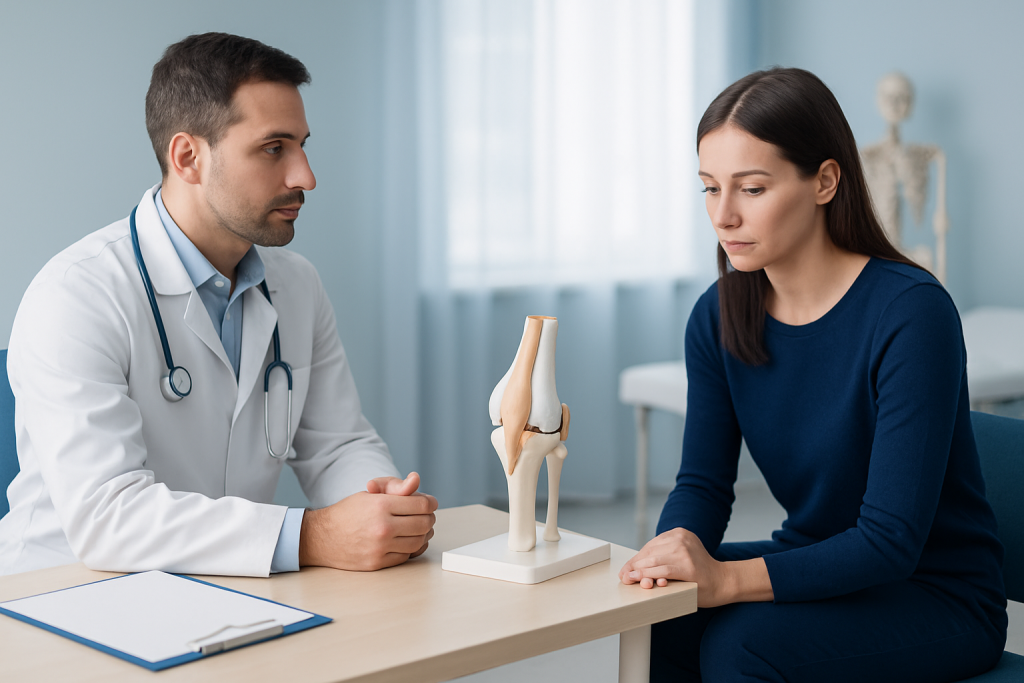
Ligament injuries often happen when the knee moves in a way it was not meant to. A sudden stop, rapid pivot, awkward landing, or forceful collision can place a ligament under more tension than it can safely handle. Sports such as football, basketball, skiing, and soccer are common settings for these injuries, but accidents can happen in everyday life too.
Different ligaments are often injured in different patterns. The MCL may be affected by a blow to the outer side of the knee. The ACL is commonly injured during twisting or deceleration. The PCL may be strained when the shin is driven backward, such as during a fall onto a bent knee or a dashboard-type injury. The LCL is less commonly injured, but side-to-side stress can damage it.
Risk can be higher in people with prior knee injuries, weak surrounding muscles, poor landing mechanics, limited flexibility, or participation in high-demand sports. Fatigue, uneven playing surfaces, and inadequate warm-up may also contribute. Age can influence healing patterns, but ligament injuries are not limited to athletes; active adults of many ages may experience them.
Diagnosis
Diagnosis starts with listening carefully to how the injury happened. The movement that triggered pain, how quickly swelling appeared, and whether the knee feels unstable all provide useful clues. A clinician will usually examine the knee for tenderness, swelling, movement limits, and joint stability.
Specific bedside tests may help identify which ligament is involved, but pain and muscle guarding can make the exam harder right after the injury. That is why diagnosis sometimes happens in stages. If the knee remains swollen, painful, or unstable, imaging may be recommended to clarify the injury and rule out other damage.
X-rays can help identify fractures or bone-related problems. MRI is often the most useful study for viewing ligaments, menisci, cartilage, and other soft tissues. In some cases, ultrasound or repeat examination after swelling settles may also help. For international patients, a well-organized evaluation before travel home can be especially helpful because it reduces uncertainty about next steps and follow-up timing.
Treatment Options
Treatment depends on which ligament is injured, whether the tear is partial or complete, and how unstable the knee feels. Many mild injuries are treated without surgery, especially when the joint remains reasonably stable. In these cases, rest, activity modification, bracing, and guided physiotherapy are often central to recovery.
Pain and swelling are commonly managed with general supportive measures recommended by a clinician. Early rehabilitation usually focuses on restoring motion, reducing swelling, and reactivating the thigh muscles that help stabilize the knee. As healing progresses, therapy shifts toward strength, balance, and sport-specific or work-specific movement patterns.
Some ligament injuries, especially complete tears with significant instability, may need surgical repair or reconstruction. This is more common when a person wants to return to pivoting sports, has multiple ligament injuries, or has ongoing giving-way episodes despite non-surgical care. Surgical decisions are individualized; they depend on age, activity level, the exact ligament involved, and whether there are other structures in the knee that also need attention.
Recovery is not only about the operation or the first clinic visit. It also includes follow-up, rehabilitation, and safe progression back to daily activity. Patients traveling for treatment often benefit from a plan that explains what should be done before departure, what can continue at home, and which warning signs should prompt reassessment.
Prevention & Self-care
Not every knee ligament injury can be prevented, but risk can often be reduced. Strong thigh and hip muscles, good flexibility, and proper movement technique help protect the knee during sports and daily activity. Warm-ups that include light aerobic work and dynamic stretching may prepare the joint for more demanding motion.
People returning to exercise after an injury should progress gradually rather than rushing back to full speed. Bracing may be advised in certain situations, especially during recovery or for selected sports. Footwear, playing surface, and training load also matter, because tired muscles and poor mechanics can increase strain on the knee.
Self-care after a suspected sprain or tear should stay gentle and sensible. It is wise to limit activities that cause the knee to twist, buckle, or swell more. If a clinician recommends physiotherapy, the exercises should be done consistently, since rebuilding stability often takes time. Restoring confidence in movement is part of healing too, especially after a scary Knee Pain Relief: Causes and Treatment" class="ahp-ilk">Pain Relief" class="ahp-ilk">sports injury or fall away from home.
When to See a Doctor
Medical evaluation is recommended if the knee swells quickly, feels unstable, cannot bear weight normally, or remains painful after a twisting injury or impact. A person should also seek care if the joint looks deformed, cannot be fully straightened, or if there is numbness, severe bruising, or a sense that something is mechanically blocking motion.
Even when symptoms are moderate, an early assessment can help distinguish a ligament injury from a ACL Tear or Meniscus Tear: How Orthopedic Surgeons Tell Which One Matters More" class="ahp-ilk">meniscus tear, fracture, or cartilage problem. This matters because the treatment path is not the same for every knee injury. Prompt diagnosis can also make rehabilitation more efficient and reduce the chance of returning to activity too soon.
If symptoms occur while traveling, it is reasonable to prioritize a local orthopedic evaluation before attempting long-distance walking, driving, or flying. Acibadem Health Point’s multidisciplinary specialists and JCI-accredited hospitals diagnose and treat knee ligament injuries for international patients with coordinated care and follow-up planning.
Recovery and Long-Term Outlook
Many knee ligament injuries improve well with the right combination of protection, rehabilitation, and time. The length of recovery varies widely because a small sprain does not behave like a complete tear, and the needs of a desk worker differ from those of a runner or skier. Progress is usually measured by function, stability, and confidence in movement rather than by a single date on the calendar.
Long-term outcome depends on the injured ligament, the presence of other knee damage, and how well rehabilitation is followed. Some people return to their previous level of activity after non-surgical care, while others do best after reconstruction and structured physiotherapy. In either case, gradual return and clear medical guidance are more reliable than trying to “push through” the pain.
When the knee is managed thoughtfully, many patients regain everyday mobility and participate in exercise again. The most useful plan is the one that matches the injury, the person’s goals, and the practical realities of life after diagnosis — including travel, work, and follow-up care.
Frequently asked questions
What do the knee ligaments do?
Knee ligaments connect the bones of the joint and help keep the knee stable. They limit excessive side-to-side, forward-backward, and twisting motion so walking and sports movements stay controlled. When one is injured, the knee may feel less secure.
How can someone tell if a ligament is torn or just sprained?
It is not always possible to tell at home. A sprain means the ligament has been stretched or partially damaged, while a tear means the fibers are more significantly disrupted. Pain, swelling, and instability can happen with both, so a clinician’s exam and sometimes MRI are needed for a clearer answer.
Do all knee ligament injuries need surgery?
No. Many mild and some moderate injuries improve with bracing, activity changes, and physiotherapy. Surgery is considered when the knee remains unstable, the tear is complete, or the person’s activity goals make reconstruction a better option.
How long does recovery take?
Recovery time varies with the ligament involved, the severity of the injury, and whether surgery is needed. Some sprains improve in weeks, while more serious tears may take months of rehabilitation. A doctor or physiotherapist can give a more realistic timeline after assessment.
Can a person walk on a knee ligament injury?
Some people can walk with a minor injury, but walking may worsen pain or swelling if the knee is unstable. If weight-bearing is difficult or the knee gives way, medical evaluation is important. It is safer to avoid activities that twist the knee until it has been assessed.
What should a traveler do if a knee injury happens abroad?
They should seek a medical assessment before continuing strenuous travel or long-distance walking. Bringing any imaging reports, discharge notes, and medication lists will help the next doctor make decisions. A clear follow-up plan is especially useful if rehabilitation will continue after returning home.
References
- American Academy of Orthopaedic Surgeons
- Mayo Clinic
- National Institute of Arthritis and Musculoskeletal and Skin Diseases
- American Orthopaedic Society for Sports Medicine
This article is for general information only and is not a substitute for professional medical advice. Please consult a qualified doctor about your individual situation.
More from the Health Library



Related Specialists

Prof. Dr. Ahmet Alanay
Orthopedic Surgery & Traumatology
Dr. Sinan Aksu
Orthopedic Surgery & Traumatology
Dr. Sirri Baştürk
Orthopedic Surgery & Traumatology
Prof. Dr. Korhan Özkan
Orthopedic Surgery & Traumatology