

Iliotibial Band Syndrome

Key Takeaways
- Pain is usually felt on the outer side of the knee and often worsens with repetitive movement.
- Overuse, training errors, and muscle imbalance are common contributors.
- Diagnosis is usually clinical, based on symptoms and a physical examination.
- Treatment focuses on activity modification, rehabilitation, and gradual return to sport.
- Supportive shoes, training adjustments, and strength work may help reduce recurrence.
Iliotibial Band Syndrome is a common overuse condition that can cause pain on the outside of the knee, especially during running, cycling, or repeated bending. With the right diagnosis, activity changes, and guided rehabilitation, most people improve without surgery.
Overview
Iliotibial Band Syndrome, often called IT band syndrome, is an overuse injury that affects the tissue running along the outside of the thigh from the hip to the knee. When this structure becomes irritated, it can create a sharp or aching pain near the outer knee, especially during repeated motion.
The condition is seen frequently in runners and cyclists, but it can also appear in people whose daily work, exercise routine, or travel schedule involves long periods of walking, stair climbing, or repeated knee bending. Because the pain often starts during activity and eases with rest, it may be dismissed at first as a minor strain.
For international patients planning care abroad, understanding the pattern matters. A clear history of how the pain started, what movements make it worse, and whether it changes with rest usually helps a doctor narrow the diagnosis quickly and choose the most appropriate next steps.
Symptoms
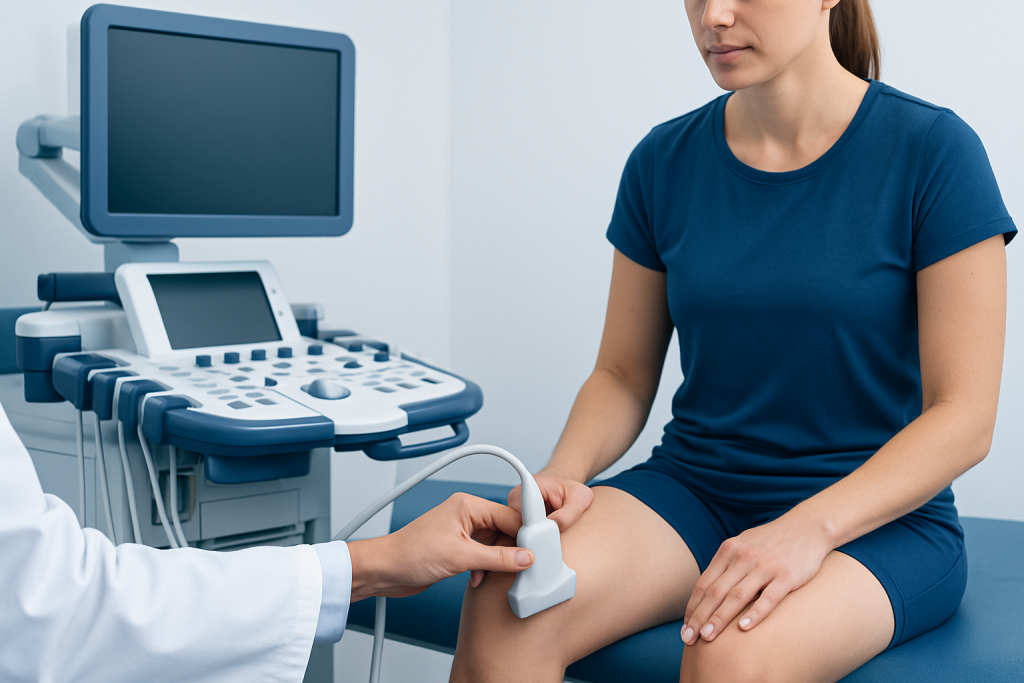
The most typical symptom is pain on the outer side of the knee, sometimes described as a burning, sharp, or tight sensation. It often appears after a certain distance, time, or number of repetitions, then settles when the activity stops.
Some people notice discomfort when going downhill, descending stairs, or rising from a seated position after a long run or ride. Others feel tenderness if the outside of the knee is pressed, and some report a snapping or rubbing sensation along the outer thigh.
Symptoms may begin mildly and become more noticeable if training continues without adjustment. In longer-standing cases, pain can appear earlier in a workout or linger after exercise, which is often the sign that the tissue needs a calmer period and a more structured recovery plan.
- Pain on the outer side of the knee
- Discomfort during running, cycling, stairs, or downhill movement
- Tenderness when the area is touched
- Occasional tightness in the outer thigh or hip
- Pain that improves with rest and returns with activity
Causes & Risk Factors

IT band syndrome is usually linked to repeated friction and irritation from overuse rather than one single injury. The tissue on the outside of the thigh can become more sensitive when training volume increases too quickly, when recovery time is too short, or when movement mechanics place extra stress on the knee.
Several factors may raise the risk. Tight or weak hip muscles, reduced flexibility, sudden changes in mileage, repeated hill training, and worn footwear can all contribute. Cycling with poor bike fit, running on cambered roads, and frequent stair work may also play a role.
It is often not one cause but a combination of load, biomechanics, and recovery patterns. A clinician may look at the hips, knees, feet, training routine, and movement style together, because the best treatment plan usually addresses the full chain rather than only the painful spot.
- Sudden increase in training intensity or distance
- Weak hip abductors or core muscles
- Tightness in the outer thigh or surrounding tissues
- Downhill running or repetitive stair climbing
- Bike setup or posture issues in cyclists
Diagnosis
Diagnosis is usually made from the story of the pain and a physical examination. A doctor will ask when the discomfort started, which movements trigger it, whether it improves with rest, and whether any recent training or activity changes occurred.
During the exam, the clinician may check tenderness along the outside of the knee, look at walking or running mechanics, and assess hip strength and flexibility. This helps confirm a pattern that fits IT band syndrome and also identifies other problems that can cause outer knee pain.
Imaging is not always needed. However, if the symptoms are unusual, severe, persistent, or not improving as expected, a doctor may order tests to rule out other conditions such as Meniscus Injury" class="ahp-ilk">meniscus injury, stress injury, arthritis, or hip-related pain that can be felt at the knee.
Treatment Options
Treatment usually begins with reducing the activity that is provoking symptoms, not complete inactivity for everyone. The goal is to calm irritation while keeping the body moving in ways that do not increase pain.
Physical therapy is often central to recovery. A rehabilitation plan may focus on hip and gluteal strengthening, core control, movement retraining, and flexibility work for surrounding muscles. This approach is especially important for athletes and active travelers who want a structured plan for returning to running, walking tours, cycling, or sport.
Short-term pain relief measures may be used under a doctor’s guidance, and some people benefit from supportive taping, manual therapy, or changes in footwear and equipment. In most cases, surgery is not needed. If symptoms persist, the care team may look more closely at alignment, biomechanics, and whether another diagnosis is contributing.
- Temporary reduction in the activity that triggers pain
- Targeted physiotherapy and exercise therapy
- Ice or other comfort measures after activity, if advised
- Training and equipment adjustments
- Gradual return to sport once symptoms settle
Prevention & Self-care
Prevention works best when it is practical and specific to the person’s routine. A gradual training build-up, adequate recovery days, and attention to form can reduce the chance of the problem returning after it improves.
Simple self-care often includes balancing activity with rest, avoiding sudden mileage jumps, and paying attention to surfaces, terrain, and footwear. For cyclists, a professional bike fit may be worth considering. For runners, strength work for the hips and trunk is often more useful than stretching alone.
People recovering while abroad may need a plan that fits travel days, hotel rooms, and unfamiliar schedules. A doctor or physiotherapist can often adapt exercises so they are easy to continue after returning home, which helps recovery stay consistent instead of stopping and starting.
- Increase training volume gradually
- Strengthen hips, glutes, and core regularly
- Include warm-ups and recovery days
- Review footwear, bike fit, and running form
- Stop or scale back if pain is becoming easier to trigger
When to See a Doctor
A medical evaluation is sensible if outer knee pain keeps returning, limits exercise, or does not improve with a short period of rest and basic self-care. It is also important to seek advice if the pain began after a fall, twisting injury, or another clear trauma.
A doctor should assess the area if there is swelling, locking, giving way, fever, redness, numbness, or pain that is also present at rest or at night. These features do not always mean something serious, but they do suggest a broader evaluation is needed.
For patients traveling for treatment, an orthopedic consultation can help confirm the cause, explain whether rehabilitation is the best first step, and set expectations for recovery and follow-up. Acibadem Health Point’s multidisciplinary specialists and JCI-accredited hospitals diagnose and treat this condition for international patients with coordinated care.
Frequently asked questions
Is Iliotibial Band Syndrome the same as runner’s knee?
People often use the terms loosely, but they are not always identical. IT band syndrome usually causes pain on the outer side of the knee, while runner’s knee more commonly refers to pain around or behind the kneecap.
Does Iliotibial Band Syndrome go away on its own?
It can improve if the provoking activity is reduced and the underlying movement or strength issues are addressed. If the same training pattern continues, symptoms may keep returning.
Can stretching alone fix IT band syndrome?
Stretching may help some people feel looser, but it is usually not enough by itself. Strengthening the hips and improving movement mechanics are often more important for lasting improvement.
Should someone keep running with IT band syndrome?
If running makes the pain build during the session or leaves it worse afterward, it is usually a sign that the load is too high. A clinician or physiotherapist can help decide whether to pause, modify, or cross-train while recovering.
Do braces or straps cure IT band syndrome?
Supportive devices may reduce discomfort for some people, but they do not correct the underlying cause. They are best viewed as an extra tool, not the main treatment.
When is surgery considered for IT band syndrome?
Surgery is rarely needed and is usually considered only after careful evaluation and prolonged unsuccessful non-surgical treatment. Most people recover with activity changes and rehabilitation.
References
- American Academy of Orthopaedic Surgeons
- Mayo Clinic
- Cleveland Clinic
- National Health Service
- Physiopedia
This article is for general information only and is not a substitute for professional medical advice. Please consult a qualified doctor about your individual situation.
More from the Health Library



Related Specialists

Prof. Dr. Ahmet Alanay
Orthopedic Surgery & Traumatology
Dr. Sinan Aksu
Orthopedic Surgery & Traumatology
Dr. Sirri Baştürk
Orthopedic Surgery & Traumatology
Prof. Dr. Korhan Özkan
Orthopedic Surgery & Traumatology