

Tendon Tendon

Key Takeaways
- Tendon problems often start with pain, stiffness, or swelling near a joint.
- Overuse, sudden strain, and age-related wear are common contributors.
- Diagnosis usually relies on a physical examination and, when needed, imaging tests.
- Early rest, activity modification, and guided rehabilitation can support recovery.
- Persistent pain, weakness, or a sudden pop should be assessed by a doctor.
Tendons are strong bands of tissue that connect muscles to bones and help the body move smoothly. When a tendon is irritated or injured, even simple activities such as walking, lifting, or gripping can become uncomfortable and restricted.
Overview
Tendons are the body’s built-in connectors: they anchor muscle to bone and translate muscle force into movement. Because they work every time a person climbs stairs, lifts a bag, types, runs, or even steadies a cup of coffee, tendons are exposed to repeated load throughout the day.
When people say “tendon tendon,” they are usually referring to a tendon problem such as tendonitis, tendinopathy, or a tendon strain. These conditions are related but not identical. Some involve irritation and tiny structural changes from overuse, while others involve a more sudden injury, such as a tear or rupture.
For many patients, tendon pain starts quietly. A shoulder may ache after overhead work, an elbow may hurt after tennis or gardening, or the heel may become stiff with the first steps in the morning. The good news is that many tendon problems improve with well-planned care, especially when treatment is matched to the specific tendon and the person’s activity demands.
Symptoms
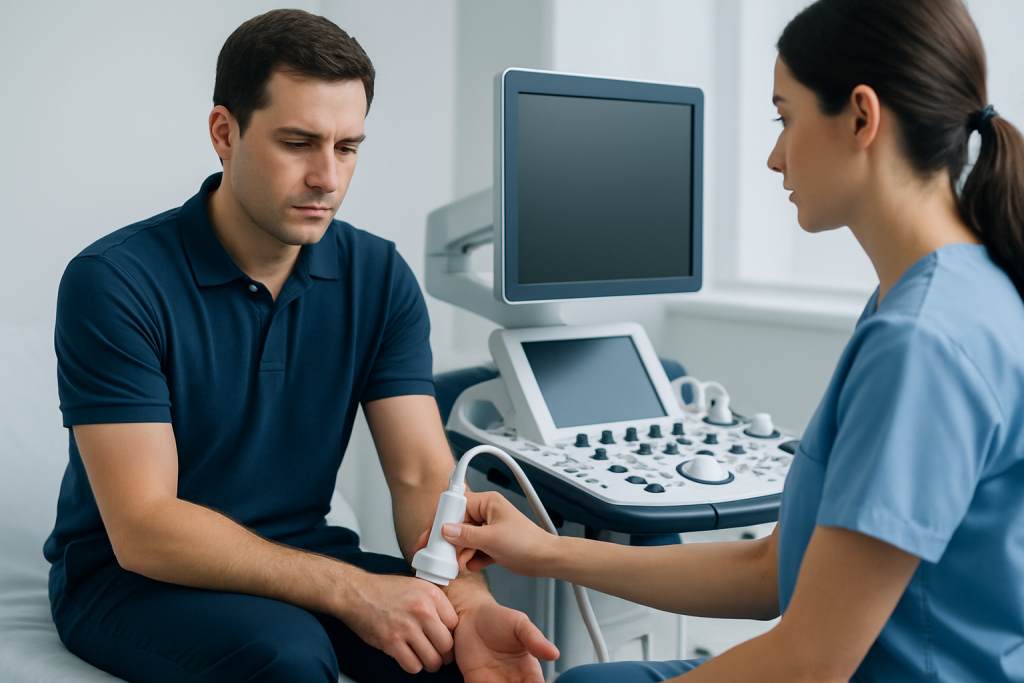
The most common sign of a tendon problem is localized pain near a joint or along the course of the tendon. The discomfort may be sharp during a specific movement, or it may feel dull and persistent after activity. In many cases, the area is tender to touch and may feel stiff after resting.
Swelling, warmth, or a sense of thickening can also appear, although not every tendon problem causes visible swelling. Some people notice weakness, reduced range of motion, or pain that becomes more obvious when they try to push, pull, climb, grip, or straighten the affected limb. Morning stiffness is common in several tendon conditions.
- Pain that worsens with repetitive use
- Tenderness along the tendon
- Stiffness after inactivity
- Swelling or thickening around the tendon
- Weakness or reduced function
A sudden pop, immediate bruising, or the feeling that a limb cannot perform its usual motion may suggest a more serious injury, such as a partial or complete tear. In that situation, prompt medical assessment is important.
Causes & Risk Factors

Tendon problems are often linked to repeated stress rather than a single dramatic event. Running mileage that increases too quickly, new gym routines, prolonged computer work, frequent stair climbing, or manual labor can all place ongoing strain on a tendon. Small irritations may accumulate over time until pain becomes noticeable.
Age can also play a role. Tendons gradually lose some elasticity and healing speed as people get older, which can make them more vulnerable to overload. Certain medical conditions, such as diabetes or inflammatory diseases, may affect tendon health as well. In some cases, medications or prior injuries can contribute to tendon weakness.
Common risk factors include:
- Repetitive movements or overuse
- Sudden increase in activity intensity
- Poor movement mechanics or training errors
- Age-related tendon changes
- Previous tendon injury
- Some systemic conditions that affect tissue healing
Different tendons are stressed by different tasks, so the trigger may vary widely from person to person. A patient traveling for care may find it helpful to think not only about where the pain is located, but also about what movements reliably bring it on.
Diagnosis
Doctors usually begin with a detailed history and physical examination. They ask when the pain started, which movements make it worse, whether there was a sudden injury, and how the symptom affects daily life. Examining the tendon helps identify tenderness, swelling, weakness, and any limitation in motion.
In many cases, the diagnosis is clinical, meaning it can be made from the story and the exam. If the picture is not clear, or if a tear is suspected, imaging may help. Ultrasound can show tendon structure and movement in real time, while MRI may be used when deeper detail is needed or surgery is being considered.
Some patients, especially international patients planning Herniated Disc Treatment Abroad: Injection, Rehab, or Surgery?" class="ahp-ilk">treatment abroad, may want to bring prior scans, reports, and a list of symptoms to the first appointment. This can make the evaluation more efficient and help the care team compare old and new findings.
- Physical examination and movement testing
- Ultrasound for tendon assessment
- MRI for detailed soft-tissue evaluation
- Occasionally X-rays to look at surrounding bone or joint issues
Treatment Options
Treatment depends on whether the tendon is inflamed, degenerated, strained, or torn. For many overuse problems, the first step is reducing the activity that is aggravating the tendon without stopping all movement altogether. Relative rest, temporary bracing or support, and a carefully chosen exercise program are common early measures.
Rehabilitation is often central to recovery. A physiotherapist may guide stretching, strengthening, and progressive loading exercises to help the tendon adapt safely. The goal is not only Knee Pain Relief: Causes and Treatment" class="ahp-ilk">pain relief, but also restoration of function so the tendon can tolerate daily life and return to sport or work more reliably.
Doctors may recommend additional options depending on the case, such as anti-inflammatory measures, taping, orthotic support, or in select situations injections. If there is a significant tear or rupture, especially with loss of function, surgery may be discussed. The exact plan should be individualized because the right treatment for one tendon problem may not suit another.
For patients seeking care internationally, it can be reassuring to know that treatment usually moves in phases: confirming the diagnosis, calming the irritated tissue, rebuilding strength, and then planning a safe return to normal activity. At Acibadem Health Point, multidisciplinary specialists and JCI-accredited hospitals diagnose and treat tendon conditions for international patients as part of coordinated orthopedic care.
Prevention & Self-care
Many tendon problems can be reduced by balancing activity and recovery. A tendon often gives early warning signs before it becomes severely irritated, so paying attention to pain that repeats with the same motion can prevent a longer setback. Gradual progression is especially important when starting a new exercise plan or increasing sports intensity.
Warm-ups, proper technique, supportive footwear when needed, and regular strengthening of the surrounding muscles all help share the load. People who work with repetitive hand, shoulder, or knee movements may benefit from ergonomic adjustments and short breaks during the day.
Practical self-care steps include:
- Increase training or workload gradually
- Use good technique and posture
- Allow recovery time between demanding activities
- Address pain early rather than “pushing through” it
- Follow rehabilitation exercises consistently
After treatment, returning too quickly to the same strain is one of the most common reasons symptoms linger. A staged return, guided by a clinician or therapist, is usually safer than a sudden full resumption of activity.
When to See a Doctor
A doctor should evaluate tendon pain when symptoms last more than a few days, keep returning, or interfere with normal movement. It is also wise to seek care if the pain is accompanied by noticeable swelling, weakness, or a progressive loss of function.
Urgent assessment is appropriate if there is a sudden injury with a pop, bruising, deformity, or the inability to use the limb normally. These findings can indicate a tendon tear or rupture and should not be ignored.
Patients who travel for orthopedic care may find it helpful to arrange follow-up plans before returning home. Clear instructions about rehabilitation, activity limits, and warning signs can make recovery smoother and reduce the chance of setbacks once daily routines resume.
Recovery and Follow-up
Tendon healing is often gradual. Even when pain improves early, the tendon may still need time to regain strength and resilience. That is why follow-up matters: it allows the clinician to adjust exercise progression, check function, and make sure the tendon is tolerating increased load.
Recovery is usually best when it is treated as a process rather than a single event. Patients may move from rest to gentle motion, then to strengthening, and finally to sport- or work-specific training. Some individuals recover in a straightforward way, while others need longer rehabilitation or further evaluation if symptoms persist.
Keeping a symptom diary can be useful. Noting which movements are easier, which tasks still provoke pain, and how the tendon responds the day after activity can help the care team refine the plan during follow-up visits.
Frequently asked questions
Is tendon pain the same as tendonitis?
Not always. Tendonitis is often used to describe tendon inflammation, but many ongoing tendon problems are better described as tendinopathy, which includes irritation and structural change. A doctor can explain which pattern fits the individual case.
Should a person stop all activity if a tendon hurts?
Usually, complete rest is not the best long-term answer. Many tendon problems improve with modified activity rather than total inactivity, but the painful movement should be reduced and guided rehabilitation may be needed.
How long does tendon recovery take?
Recovery time varies widely depending on the tendon involved, the severity of the injury, and how quickly treatment begins. Some mild problems settle in weeks, while more persistent or severe injuries may take longer.
Can imaging tests always show tendon problems?
Not always. Many tendon conditions are diagnosed through history and physical examination, and imaging is used when the diagnosis is uncertain or a tear is suspected. Ultrasound and MRI are the most common soft-tissue studies.
What is the difference between a strain and a tear?
A strain usually means the tendon has been overstretched or injured without a full break, while a tear means the tendon fibers have been partially or completely disrupted. Tears often cause more sudden weakness or loss of function.
Can tendon problems come back after treatment?
Yes, especially if the original loading pattern returns too quickly or the underlying movement issue is not corrected. A gradual return to activity, along with strengthening and technique changes, can lower the chance of recurrence.
References
- American Academy of Orthopaedic Surgeons
- Mayo Clinic
- National Institute of Arthritis and Musculoskeletal and Skin Diseases
- NHS
- World Health Organization
This article is for general information only and is not a substitute for professional medical advice. Please consult a qualified doctor about your individual situation.
More from the Health Library



Related Specialists

Prof. Dr. Ahmet Alanay
Orthopedic Surgery & Traumatology
Dr. Sinan Aksu
Orthopedic Surgery & Traumatology
Dr. Sirri Baştürk
Orthopedic Surgery & Traumatology
Prof. Dr. Korhan Özkan
Orthopedic Surgery & Traumatology