Stress Test: Uses, Procedure and Results
Key Takeaways
- A stress test checks how the heart performs under physical or medication-induced stress.
- It may help assess chest pain, shortness of breath, arrhythmias, and treatment planning.
- Several forms exist, including treadmill, bicycle, nuclear, and stress echocardiography tests.
- Preparation, medication review, and clear instructions improve safety and test quality.
- Most people return to normal activities soon after the test, unless their doctor advises otherwise.
Medically reviewed by the Acıbadem clinical team — August 19, 2026
A stress test helps doctors see how the heart responds when it works harder, usually during exercise or with medication that mimics exercise. It is commonly used to evaluate chest discomfort, shortness of breath, rhythm concerns, and overall heart function in a controlled setting.
Overview
A stress test is a cardiology exam that shows how the heart behaves when it is asked to work harder than usual. Instead of relying only on a resting picture, doctors use the test to observe heart rate, blood pressure, rhythm, and sometimes blood flow while the body is active or stimulated in a controlled way.
For many people, the test is part of a careful check-up after symptoms such as chest pressure, unusual fatigue, breathlessness, or palpitations. It may also be used to guide decisions before or after treatment, especially when doctors want to understand how much activity the heart can safely tolerate.
From an international-patient perspective, the exam is usually brief, structured, and planned in advance. The main goal is to give a cardiology team a clearer view of how the heart responds in real life, not just at rest in a clinic room.
What a Stress Test Measures
A stress test can reveal whether the heart muscle is receiving enough oxygen-rich blood when demand increases. If certain areas of the heart struggle under strain, that pattern may suggest narrowed arteries or other circulation concerns.
The test also helps doctors observe heart rhythm during exertion. Some rhythm problems appear only when the heart is working harder, so an exercise or medication-based challenge can provide useful clues that resting tests might miss.
Depending on the type of test, the team may also assess exercise capacity, blood pressure response, symptom patterns, and the heart’s pumping performance. These details can support diagnosis, risk assessment, and treatment planning.
- Blood flow to the heart muscle
- Heart rate and rhythm changes
- Blood pressure response to exertion
- Exercise tolerance and symptom response
Common Reasons It Is Recommended

Doctors may suggest a stress test when symptoms raise questions about how the heart is coping during activity. Chest discomfort that appears with walking or climbing stairs is one common reason, but the test may also be used for shortness of breath, dizziness, or unexplained tiredness.
It can be helpful when a person has already been diagnosed with heart disease and the care team wants to see how well treatment is working. In other situations, it helps determine whether further imaging, medication changes, or a procedure might be needed.
Stress testing is also sometimes used before certain surgeries or when a person is planning to return to physical activity after a cardiac event. The exact reason depends on the person’s history, current symptoms, and what the doctor is trying to understand.
Types of Stress Tests
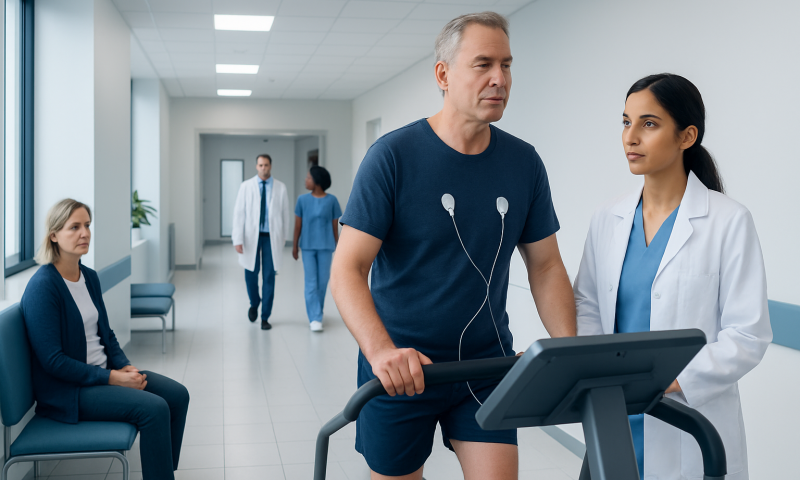
Not all stress tests are performed in the same way. The most familiar version uses a treadmill or stationary bicycle, where the intensity increases step by step while the medical team monitors the heart.
If a person cannot exercise enough for a meaningful result, a doctor may recommend a medication stress test. In that setting, medicine is used to make the heart respond as though the person were exercising, which can be paired with imaging for a more detailed look.
Some tests include ultrasound or special scanning to show the heart muscle more clearly. The best option depends on age, symptoms, ability to exercise, heart rhythm, and the specific clinical question.
- Exercise treadmill test
- Exercise bicycle test
- Stress echocardiogram
- Nuclear stress test
- Pharmacologic stress test
How the Test Is Performed
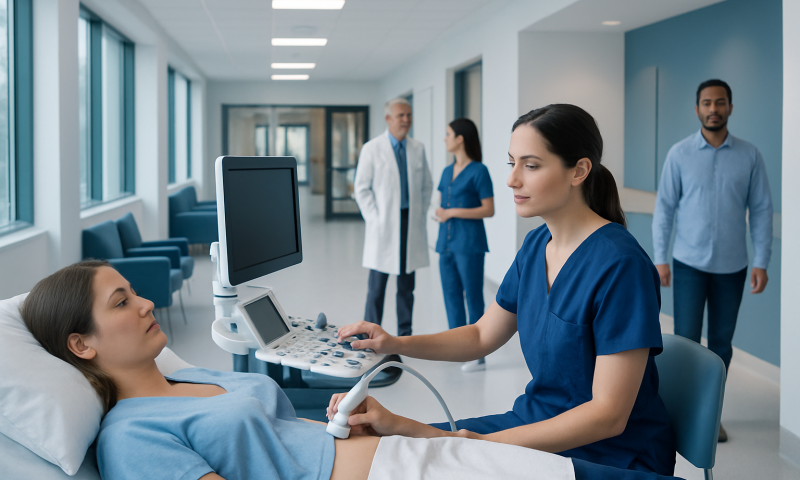
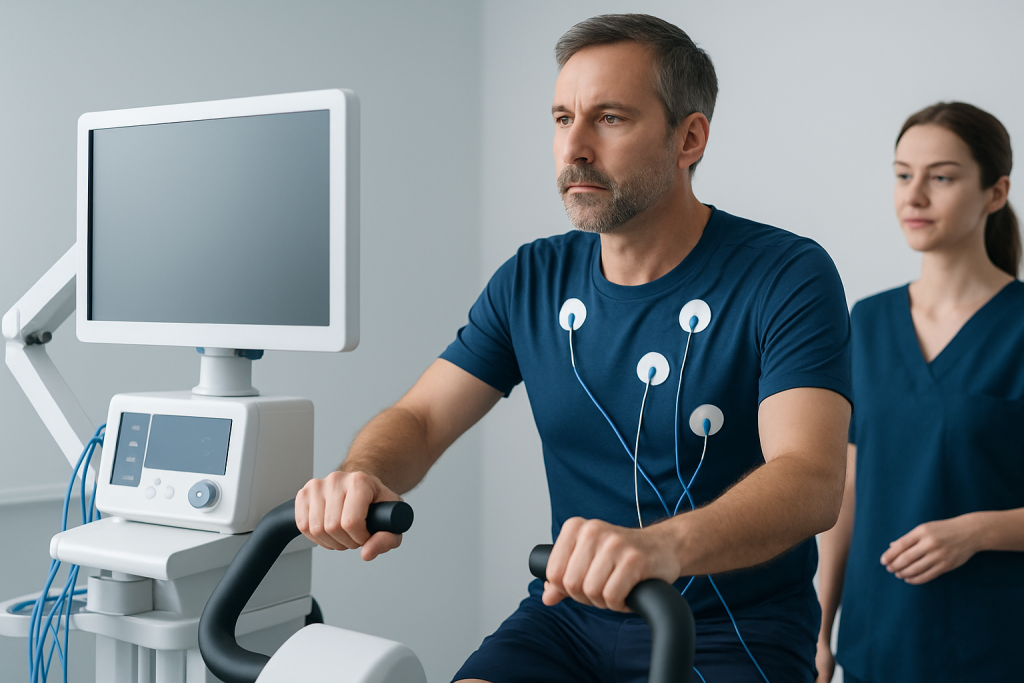
Before the test begins, small electrodes are placed on the chest to record the heart’s electrical activity. A blood pressure cuff is also used, and the medical team may ask about symptoms before, during, and after each stage.
During an exercise test, the person starts at a gentle pace, then the workload increases gradually. The team watches for changes in the ECG, blood pressure, breathing, and any discomfort. If imaging is involved, pictures may be taken before and after the stress portion.
Medication-based tests follow a different pathway, but the same principle applies: the heart is monitored closely while it is challenged in a controlled environment. The test is stopped if the person reaches the target heart rate, develops symptoms, or the doctor sees a reason to end it for safety.
Preparing for the Appointment
Preparation is usually straightforward, but clear instructions matter. Doctors often advise avoiding food, caffeine, and some medicines for a period before the exam, though the exact plan should always come from the care team.
Comfortable clothing and walking shoes are practical choices for exercise tests. People should also bring a list of medications, mention any recent illness or chest symptoms, and tell the team if they have mobility limits, asthma, diabetes, or a history of fainting.
For those traveling for care, it helps to schedule enough time for consultation, testing, and a short recovery window in case the doctor wants to review results immediately. Questions about medications, language support, transport, and follow-up can be addressed before the appointment so the experience feels calmer and more organized.
- Follow all fasting or caffeine instructions
- Ask which medicines should be taken or paused
- Wear loose, comfortable clothing
- Share recent symptoms and medical history
- Arrange safe transport if advised
Understanding the Results
A stress test result is not just “normal” or “abnormal.” Doctors interpret the tracing, symptoms, blood pressure pattern, exercise duration, and any imaging findings together. This combination helps them decide whether the heart appears well supplied with blood during exertion.
Some results suggest that more testing is needed, especially if the picture is unclear or if symptoms occurred during the exam. Other results may reassure the doctor that the heart is responding as expected, which can guide ongoing monitoring rather than immediate treatment changes.
A person should not try to interpret the numbers alone. The best reading comes from a cardiologist who knows the full clinical context, including age, medications, previous tests, and the reason the study was ordered.
Safety, Recovery, and When to Seek Help
Stress tests are performed under supervision, and the team is trained to stop the exam if Heart Attack Warning Signs: Symptoms and When to Seek Help" class="ahp-ilk">warning signs appear. Mild tiredness afterward is common, especially after exercise-based testing, but most people recover quickly and can resume normal routines as directed.
After the appointment, the doctor may give specific advice about drinking fluids, taking medications, or waiting before heavy exercise. If imaging or medication was used, temporary monitoring may be recommended before going home.
Medical help should be sought promptly if chest pain, significant shortness of breath, fainting, or persistent palpitations occur after the test. These symptoms do not always mean something serious, but they deserve timely medical attention.
For international patients, a coordinated cardiology team can make the testing and follow-up process easier to navigate, and Acibadem Health Point’s multidisciplinary specialists and JCI-accredited hospitals diagnose and treat heart conditions for patients traveling from abroad.
Frequently asked questions
Is a stress test the same as an ECG?
No. An ECG at rest records the heart’s electrical activity when the body is quiet, while a stress test checks how the heart responds during exercise or medication-induced stress. The two tests often complement each other rather than replace one another.
Do all stress tests require running on a treadmill?
No. Some people walk on a treadmill or pedal a bicycle, while others receive medication that simulates exercise. The choice depends on physical ability, symptoms, and what the doctor needs to evaluate.
Can someone eat before a stress test?
It depends on the type of test and the clinic’s instructions. Many patients are asked to avoid food or caffeine for a certain period beforehand, so it is important to follow the specific guidance provided by the care team.
How long does a stress test take?
The actual exercise or medication phase is usually only part of the visit, and the full appointment can take longer because of preparation and monitoring. The exact timing depends on the test type and whether imaging is included.
What if symptoms happen during the test?
The medical team watches closely and can stop the test right away if symptoms appear. That is one of the reasons the exam is performed in a supervised setting, where the staff can respond quickly and appropriately.
Will a stress test tell a person exactly what heart problem they have?
Not always. It can point doctors toward certain possibilities, but it is often one piece of a larger evaluation that may include blood tests, imaging, or specialist review. The results are most useful when interpreted alongside the full medical history.
References
- American Heart Association
- Mayo Clinic
- National Heart, Lung, and Blood Institute
- European Society of Cardiology
This article is for general information only and is not a substitute for professional medical advice. Please consult a qualified doctor about your individual situation.
Explore treatments in Turkey — costs, top hospitals & a free quote
JCI-accredited · board-certified surgeons · reply within 24h
Add us as a Preferred Source to see more of our trusted health content across Google Search, AI Overviews and Discover.