What Causes Low Blood Pressure?

Key Takeaways
- Low blood pressure can be a normal finding in healthy people, especially if there are no symptoms.
- Common causes include dehydration, medications, heart conditions, hormone problems, and blood loss.
- Symptoms may include dizziness, fainting, blurred vision, fatigue, or nausea.
- Diagnosis focuses on blood pressure patterns, medical history, and tests for the underlying cause.
- Treatment depends on why it is happening, not just the number on the blood pressure monitor.
Medically reviewed by the Acıbadem clinical team — August 19, 2026
Blood Pressure: Symptoms, Causes and Treatment" class="ahp-ilk">Low blood pressure, or hypotension, can be normal for some people, but it can also appear when the body is dehydrated, unwell, or reacting to medication. Understanding the possible causes helps patients recognize when a low reading is harmless and when it deserves medical attention.
Overview
Low blood pressure, also called hypotension, means the pressure of blood flowing through the arteries is lower than expected. For some people, that is simply their usual baseline and causes no trouble at all. For others, it can be a sign that the body is not getting enough circulation to the brain and organs.
The question most patients ask is not only whether the reading is low, but why it is low. That answer matters because low blood pressure is not a single condition. It can be linked to hydration, medicines, infection, hormone changes, heart rhythm problems, or blood loss, among other causes.
In everyday practice, doctors look at the whole picture: symptoms, recent illness, medications, travel, eating and drinking habits, and any long-term medical conditions. That broader view is especially useful for international patients who may be trying to understand a new symptom while away from home or preparing for treatment abroad.
Symptoms
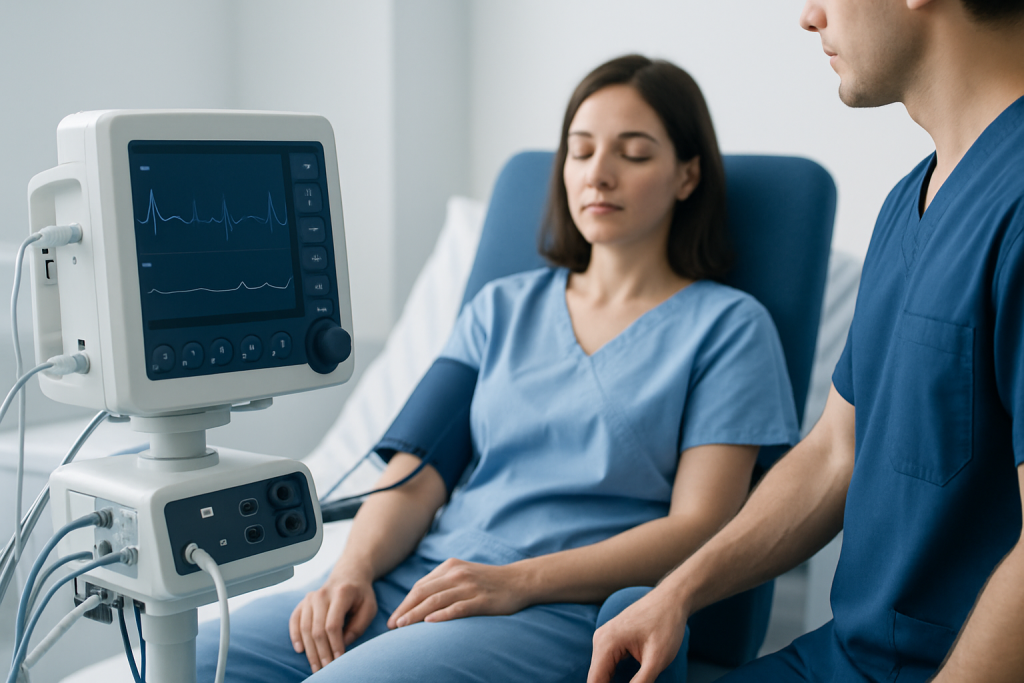
Many people with low blood pressure feel completely well. In those cases, the reading may be discovered during a routine check, a pre-travel medical review, or an appointment for another concern. A low number alone does not always mean there is a problem.
When symptoms do occur, they often show up when standing up quickly, after a long flight, during illness, or after not eating and drinking enough. Common symptoms include dizziness, lightheadedness, blurred vision, weakness, tiredness, nausea, and a feeling of faintness.
More significant episodes may lead to confusion, cold or clammy skin, rapid breathing, or fainting. These signs suggest that blood pressure is affecting blood flow more noticeably and should be assessed promptly.
Causes & Risk Factors

The causes of low blood pressure are varied, and many are temporary. Dehydration is one of the most common reasons, especially after vomiting, diarrhea, fever, heavy sweating, or long-distance travel with limited fluid intake. A drop in body fluid volume makes it harder for the heart to maintain pressure in the arteries.
Medications are another frequent contributor. Blood pressure medicines, diuretics, some antidepressants, pain medicines, and drugs used for Parkinson’s disease or heart rhythm problems may lower blood pressure too much in some people. Alcohol can also contribute, particularly when combined with dehydration or standing up quickly.
Other causes may be related to the heart, blood vessels, or hormones. These include slow heart rate, certain arrhythmias, heart failure, Aortic Valve Disease: Symptoms and Treatment" class="ahp-ilk">valve disease, adrenal insufficiency, thyroid disorders, severe allergic reactions, and infections that affect circulation. Significant blood loss, anemia, pregnancy, and neurologic conditions that affect the autonomic nervous system can also play a role.
Risk is higher in older adults, people with a recent illness, those taking multiple medications, and individuals with chronic medical conditions. Low blood pressure can also occur after meals in some older adults, or when changing position quickly, a pattern known as orthostatic hypotension.
Diagnosis
Diagnosis begins with a careful history and a series of blood pressure measurements. A clinician may check readings while the patient is lying down, sitting, and standing to see whether the pressure falls with position changes. This helps identify orthostatic hypotension, which is a common and practical clue.
Doctors also ask about recent fluid loss, travel, fever, infections, chest discomfort, palpitations, fainting, or new medications. In some cases, the story points clearly toward a temporary cause such as dehydration. In others, blood pressure testing is only the first step in finding a deeper issue.
Depending on the situation, tests may include blood work to assess anemia, electrolytes, kidney function, blood sugar, thyroid function, or signs of infection. An electrocardiogram or heart monitoring may be used if a rhythm problem is suspected, and further imaging or specialist evaluation may be recommended when the cause is not obvious.
Treatment Options
Treatment depends on the cause, because low blood pressure is usually a sign rather than a disease by itself. If dehydration is the problem, restoring fluids may help. If a medication is contributing, a doctor may adjust the dose or change the prescription, but this should never be done without medical guidance.
When low blood pressure is linked to an underlying condition, treatment focuses on that condition. For example, infection, blood loss, anemia, endocrine disorders, or heart problems may each need a different approach. The goal is to improve circulation while addressing the reason the pressure dropped in the first place.
For people with ongoing symptoms, doctors may suggest practical measures such as rising slowly from bed, eating smaller meals if post-meal drops occur, or using compression garments in selected cases. In some situations, additional treatment or specialist review is needed, especially if fainting or repeated symptoms interfere with daily life or travel plans.
Prevention & Self-care
Not every case of low blood pressure can be prevented, but some steps can reduce the chance of symptoms. Regular fluid intake is important, particularly during hot weather, long flights, exercise, or recovery from an illness that caused fluid loss. Balanced meals also help, since skipping meals can worsen weakness in some people.
Simple posture habits can make a meaningful difference. Standing up slowly, pausing at the edge of the bed before walking, and avoiding sudden changes in position may reduce dizziness. If a patient already knows that certain medications lower their pressure, it is wise to review them with a doctor rather than stopping them independently.
Travelers should also be aware that dehydration, jet lag, and prolonged sitting can make symptoms more noticeable. Keeping a list of medicines, staying hydrated, and arranging follow-up if symptoms continue after travel can help patients stay safe and organized.
When to See a Doctor
Medical advice is important when low blood pressure is accompanied by fainting, chest pain, shortness of breath, confusion, severe weakness, or signs of dehydration that do not improve. These symptoms may suggest that circulation is affected more seriously or that an underlying illness needs attention.
A doctor should also be consulted if low blood pressure is new, persistent, or linked to a recent medication change, infection, blood loss, pregnancy, or heart symptoms. Even mild dizziness deserves review if it happens repeatedly, leads to falls, or makes it hard to work, drive, or travel safely.
For international patients who are managing symptoms away from home, coordinated evaluation can be especially helpful. At Acibadem Health Point, multidisciplinary specialists and JCI-accredited hospitals diagnose and treat low blood pressure for international patients, with care plans designed around the underlying cause and follow-up needs.
Living With Low Blood Pressure
Living with low blood pressure often becomes easier once the cause is understood. Some people only need reassurance and a few practical habits, while others need ongoing monitoring for a heart, endocrine, or medication-related issue. The key is to treat the person, not the number alone.
Patients who track symptoms alongside blood pressure readings can give their doctor a clearer picture. Noting when symptoms appear, what was eaten or drank, recent activity, and whether standing triggered the episode can be very useful during evaluation.
If the condition is part of a long-term medical plan, regular follow-up helps make sure symptoms remain stable. That is especially valuable for people balancing care across countries, where continuity, clear documentation, and coordinated review can prevent confusion and reduce repeat testing.
Frequently asked questions
Is low blood pressure always a problem?
No. Some healthy people naturally have lower readings and feel completely fine. It becomes more important when it causes symptoms such as dizziness, fainting, or blurred vision.
What is the most common cause of low blood pressure?
Dehydration is one of the most common and most reversible causes. Medicines and recent illness are also frequent reasons, especially in older adults or people taking several prescriptions.
Can low blood pressure be related to heart disease?
Yes. Heart rhythm problems, weak heart pumping, and certain valve conditions can lower blood pressure. A doctor may recommend tests such as an ECG if the history suggests a heart-related cause.
What should a person do if they feel dizzy from low blood pressure?
They should sit or lie down right away to reduce the risk of fainting or falling. Drinking fluids may help if dehydration is the cause, but repeated episodes should be discussed with a doctor.
Can diet help low blood pressure?
Diet can help in some cases, especially when low pressure is linked to dehydration or missed meals. However, treatment should be individualized, particularly if a heart, kidney, or hormone condition is present.
When is low blood pressure urgent?
It is urgent if it occurs with chest pain, shortness of breath, confusion, fainting, or signs of significant blood loss or severe infection. Those symptoms need prompt medical assessment.
References
- Mayo Clinic
- MedlinePlus
- National Heart, Lung, and Blood Institute
- NHS
- American Heart Association
This article is for general information only and is not a substitute for professional medical advice. Please consult a qualified doctor about your individual situation.
Explore treatments in Turkey — costs, top hospitals & a free quote
JCI-accredited · board-certified surgeons · reply within 24h
Add us as a Preferred Source to see more of our trusted health content across Google Search, AI Overviews and Discover.