Cardivision

Key Takeaways
- Cardioversion may be used for certain abnormal heart rhythms, especially atrial fibrillation and atrial flutter.
- It can be done with medicines or with a controlled electrical shock under sedation or anesthesia.
- Doctors usually check for blood clot risk before treatment and may prescribe blood thinners.
- Recovery is often quick, but follow-up is important to monitor rhythm and underlying heart health.
- Long-term care may include medicine, lifestyle changes, and sometimes procedures to reduce recurrence.
Cardioversion is a medical procedure used to help restore a normal heart rhythm when the heart is beating too fast or irregularly. It is often planned carefully to improve symptoms and reduce the risk of complications such as stroke.
Overview
Cardioversion is a treatment that helps the heart return to a more regular rhythm. It is most often considered when the upper chambers of the heart are beating in an irregular pattern, such as atrial fibrillation or atrial flutter, and the irregular rhythm is causing symptoms or creating a risk of complications.
There are two main forms of cardioversion. One uses medication to help reset the rhythm, while the other uses a carefully controlled electrical pulse delivered through pads on the chest. The goal is the same in both cases: to give the heart a better pattern so it can pump more efficiently and predictably.
For people traveling from another country for treatment, cardioversion is often part of a broader heart rhythm plan. That plan may include tests before the procedure, a short observation period afterward, and follow-up advice that can be shared with the patient’s local doctor once they return home.
Symptoms
Abnormal heart rhythms do not always feel dramatic. Some people notice a fluttering sensation in the chest, while others feel their heart racing, skipping beats, or beating unevenly. Fatigue is also common, especially when the heart is not pumping as efficiently as it should.
Other symptoms may include shortness of breath, dizziness, reduced exercise tolerance, chest discomfort, or a sense that something is simply “off.” In some cases, the rhythm problem is found during a routine checkup before the person has recognized any symptoms at all.
Because symptoms can vary so widely, cardioversion is usually considered based on both the rhythm pattern and the person’s overall health picture, not on symptoms alone.
Causes & Risk Factors

Cardioversion does not treat the underlying cause of an abnormal rhythm by itself; it helps correct the rhythm at that moment. The rhythm problem itself may be linked to atrial fibrillation, atrial flutter, or other fast or irregular heart rhythms that begin in the heart’s upper chambers.
Several factors can make abnormal rhythms more likely. These include high blood pressure, valvular heart disease, coronary artery disease, heart failure, thyroid disorders, sleep apnea, excess alcohol use, and some infections or metabolic imbalances. Age can also play a role, as rhythm disorders become more common over time.
In some people, no single cause is found. In those situations, doctors focus on lowering stroke risk, controlling triggers, and deciding whether rhythm restoration is the right step.
Diagnosis
Before cardioversion is scheduled, a cardiologist typically confirms the rhythm with an electrocardiogram, or ECG. This simple test records the heart’s electrical activity and helps identify whether the rhythm is regular, irregular, fast, or slow.
Additional testing may be needed to understand the bigger picture. Blood tests can check thyroid function, electrolyte levels, and other contributors. An echocardiogram may be used to look at heart structure and pumping function. In some cases, a monitor worn over time helps show how often the rhythm changes.
One important part of planning is checking for blood clot risk. If the abnormal rhythm has been present for a while, doctors may recommend blood thinners before cardioversion or a scan of the heart to make sure no clot is present.
Treatment Options
Medication-based cardioversion uses antiarrhythmic drugs to help the heart return to a normal rhythm. This approach may be used in selected patients, depending on the type of rhythm problem, how long it has been present, and other medical factors.
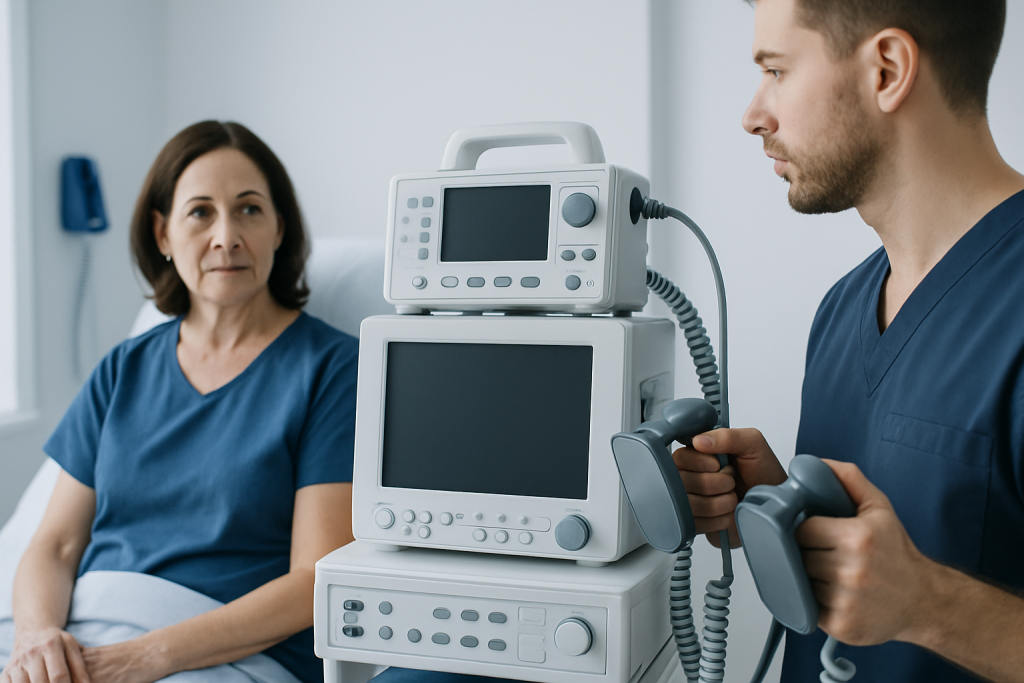
Electrical cardioversion is a brief procedure done in a monitored medical setting. The person is usually given sedation or anesthesia so the process is comfortable. Pads placed on the chest deliver a controlled electrical shock that interrupts the abnormal rhythm and allows the heart’s natural pacemaker to resume a steadier pattern.
Care after cardioversion is just as important as the procedure itself. Doctors may continue blood thinners for a period of time, adjust heart medicines, or recommend additional treatment if the rhythm returns. In some people, catheter ablation or other rhythm-control strategies may be discussed when repeated episodes occur.
- Controlled rhythm restoration under medical supervision
- Monitoring for heartbeat changes after the procedure
- Stroke prevention with anticoagulation when appropriate
- Follow-up planning for long-term rhythm management
Prevention & Self-care
Not every abnormal rhythm can be prevented, but some steps may reduce the chance of recurrence or make episodes easier to manage. Keeping blood pressure, blood sugar, and thyroid problems under control can support overall heart health.
Practical daily habits can also help. These include limiting alcohol if advised, avoiding stimulant misuse, staying hydrated, sleeping well, treating sleep apnea when present, and following the medication plan carefully. If a person is prescribed blood thinners or rhythm medicines, taking them consistently matters.
International patients often benefit from leaving the hospital with a written follow-up summary. That record can help the local physician continue care smoothly after the patient returns home, especially if repeat ECGs, medication checks, or clot-prevention decisions are needed.
When to See a Doctor
A doctor should be consulted if the heart rhythm feels irregular, unusually fast, or hard to predict, especially if the symptoms are new or persistent. People with known atrial fibrillation or flutter should ask whether cardioversion is appropriate if symptoms are affecting daily life or if rate control alone is not enough.
Urgent medical assessment is important if irregular heartbeat is accompanied by chest pain, fainting, severe shortness of breath, signs of stroke, or marked weakness. These symptoms may point to a problem that needs prompt evaluation rather than a routine appointment.
For patients considering treatment abroad, it is sensible to bring previous ECGs, medication lists, and any imaging reports. Acibadem Health Point’s multidisciplinary specialists and JCI-accredited hospitals diagnose and treat heart rhythm disorders for international patients in a coordinated setting.
Frequently asked questions
What is the difference between cardioversion and defibrillation?
Cardioversion is a planned, controlled procedure used for certain abnormal rhythms when the person is usually stable. Defibrillation is generally used in emergencies for life-threatening rhythms such as ventricular fibrillation.
Is electrical cardioversion painful?
It is usually performed with sedation or anesthesia, so the person is not expected to feel the shock itself. Afterward, there may be mild temporary soreness or tiredness.
Can cardioversion cure atrial fibrillation?
Cardioversion can restore a normal rhythm, but it does not always prevent atrial fibrillation from returning. Many people need ongoing management to reduce recurrence and protect against stroke.
Why are blood thinners sometimes needed before cardioversion?
If an abnormal rhythm has been present long enough, clots can form in the heart. Blood thinners help lower the risk of a clot moving after the rhythm is restored.
How long is recovery after cardioversion?
Recovery is often short, especially after electrical cardioversion, and many people go home the same day. The main focus afterward is monitoring symptoms, taking medicines correctly, and attending follow-up visits.
What should a patient bring if traveling for cardioversion?
It helps to bring previous ECGs, recent blood test results, a current medication list, and any reports about heart scans or prior procedures. This makes it easier for the treating team to plan care safely and efficiently.
References
- American Heart Association
- National Heart, Lung, and Blood Institute
- European Society of Cardiology
- Mayo Clinic
This article is for general information only and is not a substitute for professional medical advice. Please consult a qualified doctor about your individual situation.