

Spondylosis: Symptoms, Causes and Treatment

Key Takeaways
- Spondylosis refers to degenerative changes in the spine, not a single disease.
- Symptoms may include neck or back pain, stiffness, nerve-related tingling, or reduced mobility.
- Diagnosis usually combines a medical history, physical examination, and imaging when needed.
- Treatment often starts with conservative care such as physical therapy, activity changes, and pain relief strategies.
- Most people benefit from posture support, regular movement, and weight management to reduce strain on the spine.
- New weakness, walking difficulty, or bladder or bowel changes should be assessed promptly.
Medically reviewed by the Acıbadem clinical team — August 19, 2026
Spondylosis is a broad term for age-related wear and tear changes in the spine that can affect the neck, mid back, or lower back. Many people manage it well with guided treatment, movement, and simple lifestyle adjustments, while persistent or severe symptoms may need specialist evaluation.
Overview
Spondylosis is a general term doctors use for wear-and-tear changes in the spine. These changes can involve the discs, joints, bones, and ligaments, and they are most often related to aging, repetitive strain, or previous injury. The term may sound technical, but in everyday language it usually points to a spine that has become less flexible over time.
It can appear in the neck, thoracic spine, or lower back. Some people live with spondylosis for years without major symptoms, while others notice stiffness, pain, or nerve irritation that affects work, sleep, travel, or simple activities such as lifting luggage or sitting for long flights.
For international patients, understanding the pattern of symptoms matters as much as the diagnosis itself. A clear review of the spine, tailored imaging when needed, and a treatment plan that fits daily life can make recovery more manageable and help avoid unnecessary worry.
Symptoms
Spondylosis does not look the same in every person. Some experience only mild stiffness after sitting too long, while others have pain that comes and goes with activity. The location of symptoms often depends on which part of the spine is most affected.
Common symptoms may include:
- Neck pain or low back pain
- Morning stiffness or stiffness after rest
- Reduced flexibility when turning the head or bending
- Pain that worsens with prolonged standing, sitting, or lifting
- Radiating pain into the arms or legs
- Tingling, numbness, or a “pins and needles” feeling
- Muscle tightness or weakness in more advanced cases
Some symptoms suggest nerve involvement rather than simple joint discomfort. Pain that shoots down a limb, hand clumsiness, balance problems, or weakness should be discussed with a doctor, especially if they interfere with walking, driving, or holding objects securely.
Causes & Risk Factors

The main driver of spondylosis is gradual degeneration. As spinal discs lose water content and elasticity, the joints and surrounding structures may take on more stress. Over time, the body may also form bone spurs, and the spaces where nerves travel can narrow.
Several factors can increase the chance of developing symptomatic changes. These include older age, repeated heavy lifting, jobs that require prolonged sitting or twisting, previous spine injury, smoking, and excess body weight. Genetics can also play a role, which helps explain why some people develop noticeable changes earlier than expected.
Spondylosis is common, but symptoms are not inevitable. Two people with similar imaging results may feel very differently. That is why doctors focus on the person’s function, pain pattern, and nerve findings rather than on scan results alone.
Diagnosis
Diagnosis usually begins with a detailed history and physical examination. A doctor may ask where the pain is located, what makes it better or worse, whether numbness or weakness is present, and how symptoms affect daily activities such as working at a desk, carrying bags, or sleeping.
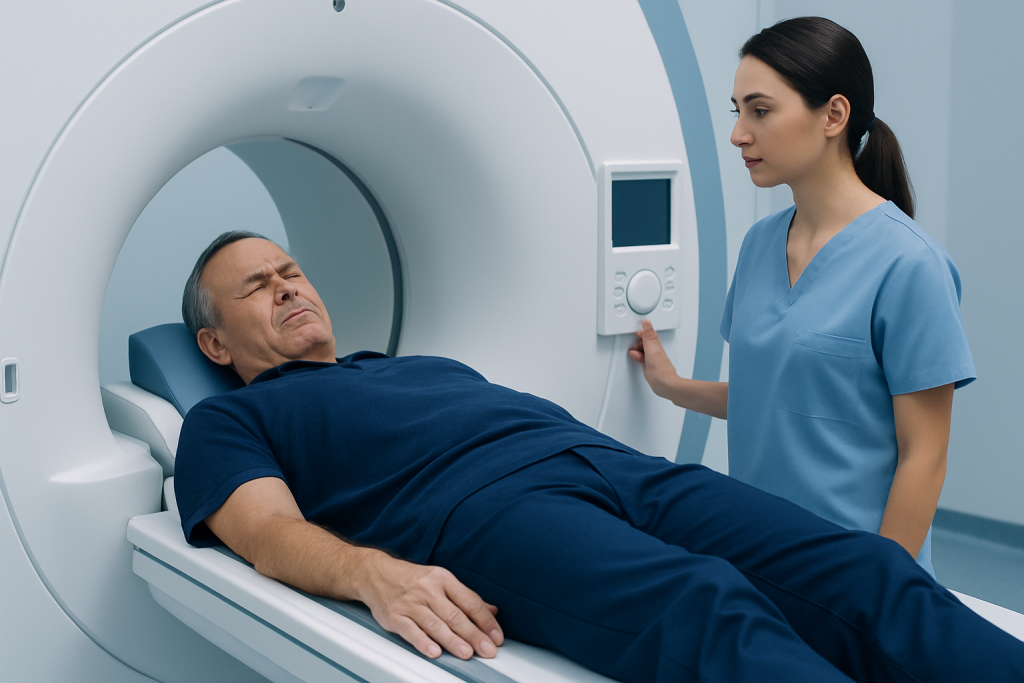
If the symptoms suggest nerve compression or if pain is persistent, imaging may be recommended. X-rays can show alignment changes, bone spurs, or narrowing. MRI is often more helpful when doctors need to see discs, nerves, and soft tissues. In some cases, a CT scan or other tests may be used to clarify findings.
The goal is not simply to name the condition, but to understand whether the spine changes are the true source of symptoms. This distinction matters because treatment is different when pain is coming from muscle strain, joint degeneration, or pressure on a nerve.
Treatment Options
Most people with spondylosis improve with conservative care first. Treatment is usually chosen step by step, beginning with approaches that reduce pain, improve movement, and support the spine without unnecessary procedures.
Common treatment options include:
- Physical therapy to strengthen supporting muscles and improve posture
- Activity modification to reduce repetitive strain
- Heat or cold therapy for short-term comfort
- Over-the-counter or prescribed pain-relief medicines when appropriate
- Exercises that keep the neck and back mobile without overloading them
- In selected cases, injections to reduce inflammation around irritated nerves
If symptoms remain severe or if there is significant nerve compression, a specialist may discuss surgical treatment. Surgery is not needed for most people, but it can be considered when pain is disabling, weakness is progressing, or the spinal cord or nerves are under clear pressure. The decision depends on symptoms, examination findings, and imaging, not on scans alone.
Prevention & Self-care
Although spine aging cannot be reversed, many day-to-day habits can help reduce strain and improve comfort. The most useful steps are often simple and repeatable rather than dramatic. For people planning travel or long workdays, small adjustments can make a noticeable difference.
Helpful self-care measures may include:
- Keeping a healthy body weight to reduce load on the spine
- Practicing good sitting and lifting posture
- Taking movement breaks during long periods of sitting
- Using a supportive chair or pillow setup for sleep and travel
- Staying physically active with doctor-approved exercises
- Avoiding smoking, which can affect disc and bone health
Stretching and strengthening programs work best when they are steady and realistic. A short daily routine is usually more sustainable than occasional intense workouts. For patients recovering while visiting another country, a written home program and clear follow-up plan can be especially helpful once they return home.
When to See a Doctor
Medical assessment is a good idea when pain lasts more than a few weeks, keeps returning, or begins to limit work, sleep, driving, or basic movement. A doctor can help confirm whether spondylosis is the cause and suggest the most suitable next step.
Prompt evaluation is especially important if there is arm or leg weakness, worsening numbness, trouble walking, loss of balance, or pain after a significant fall or accident. Bladder or bowel changes, though less common, should also be checked without delay because they may signal urgent nerve compression.
For international patients, it can help to bring prior imaging, medication lists, and a short symptom timeline. If specialist care is needed, Acibadem Health Point’s multidisciplinary specialists and JCI-accredited hospitals diagnose and treat spondylosis for international patients, helping coordinate evaluation, treatment, and follow-up with clarity.
Living With Spondylosis
Living with spondylosis often means learning how to work with the spine rather than against it. Many people do best when they combine exercise, posture awareness, and sensible pacing of activities. The aim is usually not complete rest, but a balanced routine that keeps the back and neck as mobile as possible.
Tracking patterns can be useful. Some patients notice that symptoms flare after long drives, heavy lifting, or sleeping in awkward positions. Once those triggers are identified, they can often be reduced with practical changes such as better seat support, more frequent breaks, or adjusted exercise choices.
When symptoms are handled early, most people can remain active and independent. A personalized plan from a qualified clinician is often the most reliable way to protect function while keeping pain at a manageable level.
Frequently asked questions
Is spondylosis the same as arthritis of the spine?
Spondylosis is a broad term for degenerative changes in the spine, and it often includes arthritis-like wear in the joints. It is not a single disease. Doctors use the term to describe changes in discs, bones, and joints that happen over time.
Can spondylosis cause nerve pain?
Yes, it can if the changes in the spine narrow the spaces where nerves travel or if a nerve becomes irritated. This may cause pain, tingling, numbness, or weakness in the arms or legs. Symptoms depend on which part of the spine is affected.
Does spondylosis always get worse with age?
Spinal wear and tear can progress gradually, but symptoms do not always become severe. Many people keep their discomfort under control with exercise, posture changes, and other conservative care. The course varies widely from person to person.
What tests are used to diagnose spondylosis?
Doctors usually start with a physical examination and a discussion of symptoms. X-rays can show bony changes, while MRI is often used when nerve involvement is suspected. Not everyone needs imaging right away.
Can exercise help spondylosis?
Yes, gentle and guided exercise often helps by strengthening support muscles and improving flexibility. The best program depends on the area affected and the person’s symptoms. A physical therapist can help choose safe movements.
When is surgery considered for spondylosis?
Surgery is usually reserved for cases with significant nerve compression, progressive weakness, or persistent pain that does not improve with conservative treatment. It is not the first option for most people. A spine specialist can explain whether surgery is appropriate.
References
- American Academy of Orthopaedic Surgeons
- Mayo Clinic
- National Institute of Neurological Disorders and Stroke
- Cleveland Clinic
- NHS
This article is for general information only and is not a substitute for professional medical advice. Please consult a qualified doctor about your individual situation.
Joint and spine care in Turkey — expert assessment & treatment
JCI-accredited · board-certified surgeons · reply within 24h
Add us as a Preferred Source to see more of our trusted health content across Google Search, AI Overviews and Discover.
More from the Health Library



Related Specialists

Prof. Dr. Ahmet Alanay
Orthopedic Surgery & Traumatology
Dr. Sinan Aksu
Orthopedic Surgery & Traumatology
Dr. Sirri Baştürk
Orthopedic Surgery & Traumatology
Prof. Dr. Korhan Özkan
Orthopedic Surgery & Traumatology