

Osteopenia: Symptoms, Causes and Treatment

Key Takeaways
- Osteopenia means bone density is lower than normal but not low enough to be classified as osteoporosis.
- It often has no symptoms, so it is usually discovered through a bone density scan.
- Age, menopause, low calcium or vitamin D intake, inactivity, smoking, and some medicines can increase risk.
- Treatment commonly includes lifestyle changes, nutrition support, and sometimes medicine if fracture risk is high.
- Regular follow-up helps track bone health and reduce the chance of fractures over time.
Medically reviewed by the Acıbadem clinical team — August 19, 2026
Osteopenia is a sign that bone density is lower than expected, which can increase the chance of fractures over time. Many people do not notice symptoms, so understanding how it is found and managed is an important part of protecting long-term bone health.
Overview
Osteopenia describes bone density that is below the normal range for a healthy adult. It is not the same as osteoporosis, but it can be an early sign that bones are becoming less dense and may be more vulnerable to fracture in the future.
For many people, osteopenia is found during a routine bone density scan rather than because of a symptom. That can feel surprising, especially for international patients who may be arranging care while balancing travel, work, or family obligations, but the finding is often a useful opportunity to act early.
Bone strength is not determined by density alone, yet density remains an important part of the picture. When bone health is monitored carefully, many people with osteopenia are able to slow further loss and maintain good mobility and independence.
Symptoms
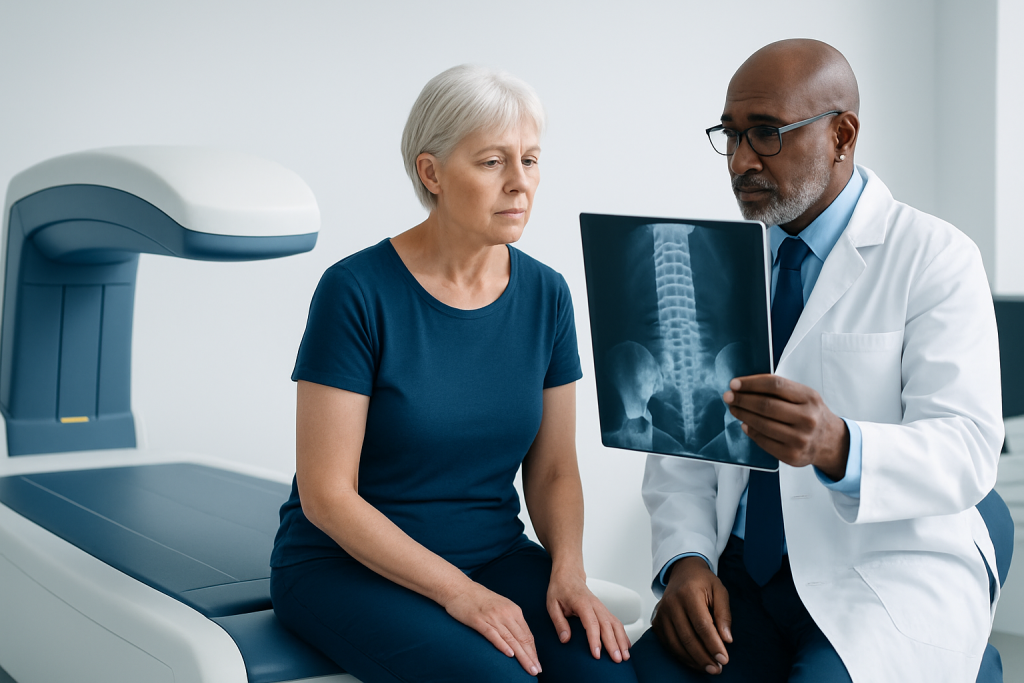
Osteopenia usually does not cause pain or obvious physical changes. In other words, a person can feel completely well and still have lower-than-expected bone density.
Because there are often no warning signs, the first clue may be a scan done for another reason or a screening test recommended based on age or risk factors. Some people discover osteopenia after a minor fall or a fracture, although the fracture itself is not caused by osteopenia alone.
It is helpful to think of osteopenia as a silent condition. The absence of symptoms is one reason routine screening matters for people who have a higher risk of bone loss.
Causes & Risk Factors
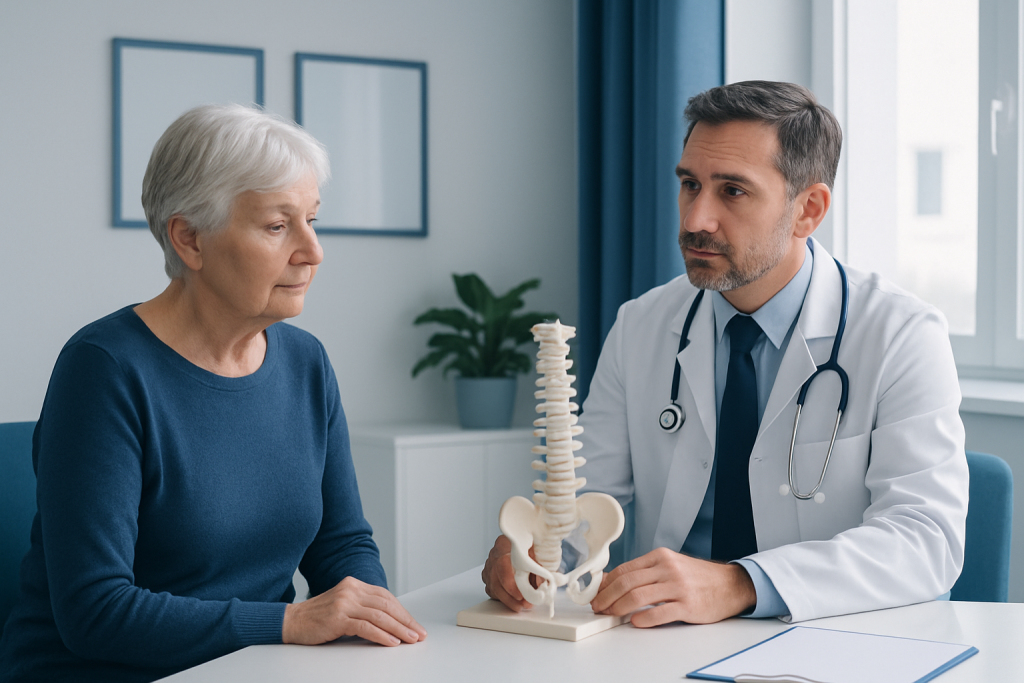
Bone tissue is constantly being renewed. Osteopenia can develop when bone breakdown starts to outpace bone building, leading to a gradual reduction in density. Natural aging plays a role, but several other factors can contribute.
Common risk factors include:
- Older age
- Female sex, especially after menopause
- Family history of osteoporosis or fragility fractures
- Low body weight or unintentional weight loss
- Low calcium or vitamin D intake
- Limited physical activity or long periods of immobility
- Smoking and heavy alcohol use
- Long-term use of certain medicines, including some corticosteroids
Other medical conditions may also affect bone health, including thyroid disorders, inflammatory conditions, and problems that affect nutrient absorption. A doctor usually looks at the whole health picture rather than bone density alone when assessing risk.
Diagnosis
Osteopenia is most commonly diagnosed with a dual-energy X-ray absorptiometry scan, often called a DEXA or DXA scan. This test measures bone mineral density and compares the result with expected values for a healthy reference population.
The scan is quick, painless, and noninvasive. For patients traveling from another country, it is often one of the simplest parts of the evaluation because it does not usually require anesthesia or a long recovery period.
Doctors may also review medical history, ask about fractures, medicines, menopause status, activity level, and nutrition, and sometimes check blood tests to look for causes of bone loss. In some cases, fracture risk tools are used alongside the scan result to help decide whether lifestyle changes alone are enough or whether medicine should be considered.
Treatment Options
Treatment depends on the person’s overall fracture risk, age, medical history, and the pace of bone loss. Many people with osteopenia do not need aggressive treatment, but they do benefit from a plan that supports bone strength over time.
Common approaches include improving calcium and vitamin D intake, doing regular weight-bearing and muscle-strengthening exercise, stopping smoking, and limiting alcohol. A doctor may also recommend reviewing current medications to see whether any are affecting bone health.
If fracture risk is higher, a clinician may prescribe medicine used to reduce bone loss and support stronger bones. The decision is individualized, because the aim is not simply to improve a scan number, but to lower the likelihood of a fracture in the real world.
For international patients, treatment planning may also include follow-up arrangements before travel home, so the next scan, lab check, or specialist review can continue smoothly with a local physician.
Prevention & Self-care
Bone health is shaped by daily habits, and that makes self-care especially valuable when osteopenia is found early. Small, steady steps often matter more than dramatic changes.
Helpful habits include eating a balanced diet with enough calcium and vitamin D, staying physically active, and choosing exercises that build strength and balance. Walking, light resistance training, and supervised programs can be useful, depending on age and fitness level.
Other practical measures include making the home safer to reduce fall risk, wearing supportive shoes, and discussing supplements only with a clinician who can confirm they are appropriate. It is also wise to avoid self-starting high-dose vitamins or borrowed medications, since too much of some supplements can create other problems.
People who travel for care may find it helpful to keep copies of scan results, lab tests, and medication lists, so future doctors can track changes consistently over time.
When to See a Doctor
A doctor should be consulted if a bone density scan shows osteopenia, if there has been a fracture after a minor fall, or if there are strong risk factors such as early menopause, long-term steroid use, or a family history of osteoporosis.
It is also sensible to seek advice before starting supplements or exercise routines when there are other medical issues, such as kidney disease, thyroid disease, or a history of recurrent fractures. A clinician can help tailor advice so it is safe and realistic.
For people arranging care across borders, multidisciplinary teams can help coordinate imaging, laboratory testing, and follow-up planning. At Acibadem Health Point, multidisciplinary specialists and JCI-accredited hospitals diagnose and treat osteopenia for international patients in a coordinated way.
Any new severe back pain, sudden loss of height, or fracture after minimal trauma deserves prompt medical review, since these can signal a more significant bone problem that needs attention.
Living Well With Osteopenia
Osteopenia is often a manageable finding rather than a crisis. The most useful response is usually a combination of awareness, routine follow-up, and practical changes that support bone health in everyday life.
People who understand their risk factors are better placed to protect their bones early, before a fracture changes mobility or quality of life. That is especially important for patients who may be splitting care between countries and need a clear, portable plan.
With the right screening and ongoing advice, many people with osteopenia continue to live actively and confidently while keeping an eye on their future bone health.
Frequently asked questions
Is osteopenia the same as osteoporosis?
No. Osteopenia means bone density is lower than normal, while osteoporosis is a more advanced loss of bone density and strength. Osteopenia can be considered an early warning sign, but not everyone with osteopenia will go on to develop osteoporosis.
Does osteopenia always cause symptoms?
Usually not. Most people feel completely normal, which is why the condition is often found on a bone density scan done for screening or risk assessment.
Can osteopenia improve?
Bone density may stabilize or improve in some people when the underlying causes are addressed and healthy habits are maintained. The goal is often to reduce further loss and lower fracture risk rather than to focus only on a scan result.
What kind of exercise helps with osteopenia?
Weight-bearing and muscle-strengthening activities are commonly recommended because they help support bone and balance. The best plan depends on age, fitness, and any other health conditions, so a doctor or rehabilitation specialist can guide the safest option.
Do supplements cure osteopenia?
Supplements do not cure osteopenia on their own. Calcium and vitamin D may be part of a broader plan, but they work best alongside exercise, fall prevention, and medical follow-up when needed.
How often should bone density be checked?
The timing depends on age, scan results, and overall fracture risk. A doctor can suggest an appropriate interval so changes can be tracked without unnecessary testing.
References
- National Institute of Arthritis and Musculoskeletal and Skin Diseases
- National Osteoporosis Foundation
- World Health Organization
- International Osteoporosis Foundation
- Mayo Clinic
This article is for general information only and is not a substitute for professional medical advice. Please consult a qualified doctor about your individual situation.
Joint and spine care in Turkey — expert assessment & treatment
JCI-accredited · board-certified surgeons · reply within 24h
Add us as a Preferred Source to see more of our trusted health content across Google Search, AI Overviews and Discover.
More from the Health Library



Related Specialists

Prof. Dr. Ahmet Alanay
Orthopedic Surgery & Traumatology
Dr. Sinan Aksu
Orthopedic Surgery & Traumatology
Dr. Sirri Baştürk
Orthopedic Surgery & Traumatology
Prof. Dr. Korhan Özkan
Orthopedic Surgery & Traumatology