

Femur: Anatomy, Function and Fractures
Key Takeaways
- The femur connects the hip and knee and plays a major role in standing, walking, and running.
- Pain, swelling, deformity, or inability to bear weight after trauma may point to a femur injury.
- Femur fractures usually require urgent medical assessment and often need imaging and orthopedic treatment.
- Recovery may include surgery, pain control, rehabilitation, and gradual return to activity.
- Preventing falls, using proper sports technique, and maintaining bone health can reduce injury risk.
Medically reviewed by the Acıbadem clinical team — August 19, 2026
The femur is the body’s longest and strongest bone, forming the thigh and supporting movement, balance, and weight-bearing. Problems involving the femur can range from overuse pain to fractures, and treatment depends on the cause, severity, and a person’s overall health.
Overview
The femur is better known as the thigh bone, and it carries a heavy workload every day. It links the hip to the knee, helps the body stay upright, and provides the leverage needed for walking, climbing stairs, and rising from a chair.
Because it is such a strong bone, the femur usually breaks only after significant force, although weaker bones can fracture with lesser stress. In clinical practice, the term can also refer to pain around the thigh, hip, or knee that may involve the bone itself or the surrounding muscles, tendons, and joints.
For international patients, femur problems can be especially disruptive because mobility, long-haul travel, and the timing of surgery or rehabilitation may all need to be planned carefully. A clear diagnosis helps match the treatment plan to the person’s daily life, activity level, and recovery goals.
Symptoms
Symptoms depend on the exact problem, but femur injuries often become noticeable quickly. A fracture may cause sharp thigh pain, swelling, bruising, visible deformity, or an inability to put weight on the leg.
Less dramatic symptoms can still matter. Persistent aching in the thigh, pain with walking, tenderness after exercise, or discomfort after a fall may indicate a stress injury, muscle strain, or hip and knee problems that affect the femur’s function.
- Severe pain after a fall, collision, or twisting injury
- Leg shortening or abnormal angling of the thigh
- Difficulty standing, walking, or moving the knee
- Numbness, coldness, or weakness in the leg after injury
- Pain that keeps returning during activity or at night
Any sudden leg deformity or inability to bear weight deserves prompt evaluation. Even when symptoms seem mild, ongoing pain that limits normal movement should not be ignored.
Causes & Risk Factors
Femur injuries can result from accidents, sports trauma, falls, or direct blows to the thigh. High-energy events such as road traffic accidents are common causes of major femur fractures, while low-energy falls may break weaker bones in older adults.
Some femur problems develop gradually. Stress fractures can appear when repetitive loading exceeds the bone’s ability to recover, especially in runners, dancers, and people who have recently increased exercise intensity.
Risk is higher in people with osteoporosis, low vitamin D, certain hormone disorders, previous fractures, smoking, or long-term use of medications that weaken bone. Age, balance problems, and poor muscle strength can also raise the chance of falls and injury.
Diagnosis
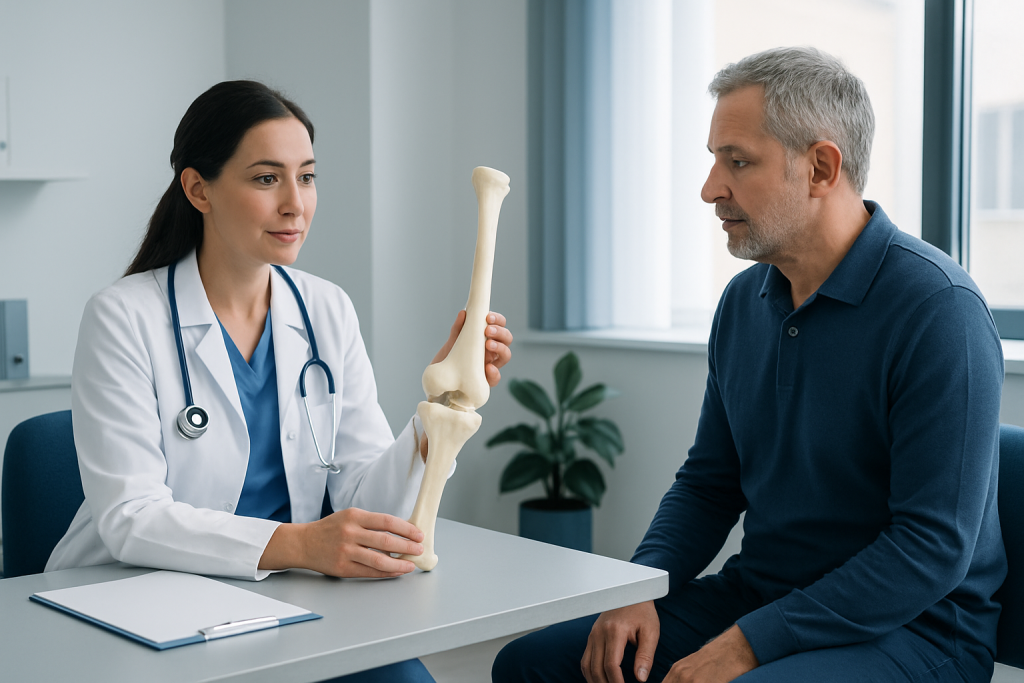
Diagnosis usually begins with a medical history and a physical examination. The doctor will ask how the injury happened, where the pain is located, whether weight-bearing is possible, and whether there are symptoms in the hip or knee as well.
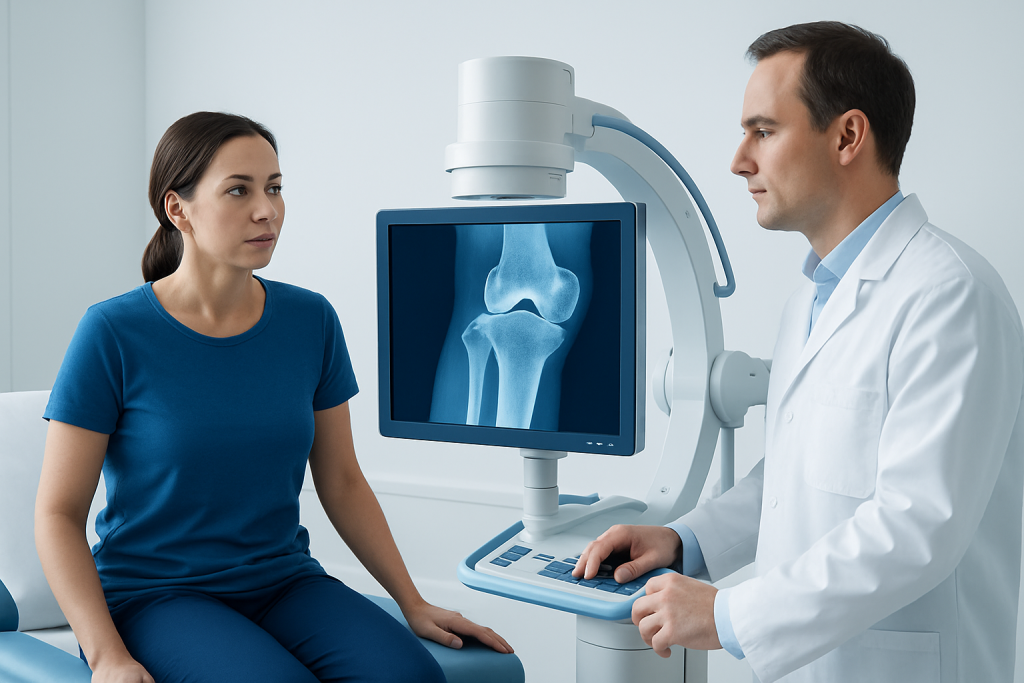
Imaging is often needed to define the problem. X-rays are the first test for many fractures, while CT scans or MRI may be used when the injury is subtle, complex, or associated with soft-tissue damage.
For international patients, diagnosis may also include planning for safe travel home or arranging a follow-up schedule that can continue in another country. When surgery is considered, the care team may review blood tests, medical conditions, medications, and the person’s ability to participate in rehabilitation.
Treatment Options
Treatment depends on whether the issue is a fracture, stress injury, or non-bony cause of pain. Stable, mild injuries may be managed with rest, activity modification, Knee Pain Relief: Causes and Treatment" class="ahp-ilk">pain relief, and protected weight-bearing under medical guidance.
Many femur fractures, especially those in the shaft or near the hip, are treated surgically. Common approaches include internal fixation with rods, plates, screws, or, in selected cases, joint-related procedures when the fracture involves the upper femur close to the hip.
Rehabilitation is a central part of recovery. Physical therapy helps restore strength, motion, balance, and walking ability, while follow-up imaging may be used to confirm healing. Recovery time varies widely depending on the injury pattern, age, bone health, and whether other injuries are present.
When treatment is delivered for someone traveling from abroad, coordination matters. Patients often benefit from a clear discharge plan, translated instructions if needed, and a timeline for wound care, mobility limits, and follow-up assessments after they return home.
Prevention & Self-care
Not every femur injury can be prevented, but several habits support bone strength and reduce the chance of trauma. Regular weight-bearing exercise, adequate nutrition, and fall prevention measures are useful at many ages.
People who are training for sport should increase activity gradually and pay attention to pain that persists rather than improves. Proper footwear, technique coaching, and rest days can help reduce stress on the thigh bone and nearby joints.
- Maintain bone health through balanced nutrition and sufficient calcium and vitamin D intake, as advised by a clinician
- Review medications and bone density risk with a doctor if osteoporosis is a concern
- Keep home and travel environments safer by reducing fall hazards
- Use protective equipment and follow return-to-play guidance after injury
- Seek early care for persistent thigh pain rather than “pushing through” it
After a diagnosed injury, self-care should follow the treating team’s instructions. That may include using crutches or a walker, elevating the limb, caring for surgical wounds, and attending rehabilitation sessions consistently.
When to See a Doctor
Immediate medical attention is needed after a significant fall, collision, or sports injury if the thigh is deformed, extremely painful, swollen, or unable to bear weight. Numbness, pale skin, a cold foot, or unusual weakness also require urgent assessment.
People should arrange a medical visit for thigh pain that lasts more than a few days, worsens with activity, or interferes with sleep, walking, or exercise. This is especially important for older adults, people with osteoporosis, and athletes with repetitive pain.
Timely evaluation can prevent complications and help protect future mobility. In the right setting, Acibadem Health Point’s multidisciplinary specialists and JCI-accredited hospitals diagnose and treat femur conditions for international patients, while helping coordinate care across travel and recovery needs.
Recovery and Long-Term Outlook
Recovery varies widely, but most people do best with a gradual plan rather than a quick return to full activity. Healing depends on the type of injury, whether surgery was needed, and how well the bone and surrounding tissues respond to treatment.
During recovery, the focus is usually on pain control, safe movement, and rebuilding strength. Follow-up visits allow the team to check healing, adjust weight-bearing instructions, and identify concerns such as stiffness, delayed healing, or joint limitations early.
Long-term outcomes are often good when the injury is treated appropriately and rehabilitation is completed. For people who travel internationally for care, a well-organized handover to local clinicians can support continuity, especially for wound checks, physical therapy, and imaging follow-up.
Understanding the Femur in Daily Life
The femur is not just an anatomical structure; it is central to everyday independence. A healthy femur supports stable movement, while a painful or injured one can affect sleep, work, travel, and basic activities such as dressing or using stairs.
That is why femur symptoms deserve careful attention rather than guesswork. Whether the issue is trauma, overuse, or another orthopedic problem, early assessment can make treatment simpler and recovery smoother.
For patients who are deciding where to seek care, it helps to look for teams that can coordinate imaging, orthopedic treatment, rehabilitation, and follow-up in a clear sequence. This is especially valuable when the patient is planning treatment away from home.
Frequently asked questions
What is the femur?
The femur is the thigh bone and the longest, strongest bone in the body. It connects the hip to the knee and helps support standing, walking, running, and balance.
How can someone tell if the femur is broken?
Common signs include severe thigh pain, swelling, deformity, and difficulty or inability to bear weight. A fracture should be evaluated promptly with a medical exam and usually an X-ray.
Can femur pain be caused by something other than a fracture?
Yes. Muscle strains, stress injuries, hip problems, knee disorders, and referred pain can all cause thigh discomfort. Persistent or recurring pain should be assessed by a doctor.
Do all femur fractures need surgery?
No, but many do, especially fractures of the femoral shaft or upper femur. The treatment plan depends on the fracture pattern, stability, age, bone health, and overall medical condition.
How long does recovery from a femur injury take?
Recovery time varies a lot. It depends on the type of injury, whether surgery was needed, and how quickly rehabilitation can begin, so a personalized plan from the treating team is important.
What can help prevent femur injuries?
Maintaining bone health, reducing fall risks, using proper sports technique, and addressing ongoing thigh pain early can all help. People with osteoporosis or frequent falls should discuss prevention strategies with a clinician.
References
- World Health Organization
- American Academy of Orthopaedic Surgeons
- National Institute of Arthritis and Musculoskeletal and Skin Diseases
- Mayo Clinic
- NHS
This article is for general information only and is not a substitute for professional medical advice. Please consult a qualified doctor about your individual situation.
Joint and spine care in Turkey — expert assessment & treatment
JCI-accredited · board-certified surgeons · reply within 24h
Add us as a Preferred Source to see more of our trusted health content across Google Search, AI Overviews and Discover.
More from the Health Library



Related Specialists

Prof. Dr. Ahmet Alanay
Orthopedic Surgery & Traumatology
Dr. Sinan Aksu
Orthopedic Surgery & Traumatology
Dr. Sirri Baştürk
Orthopedic Surgery & Traumatology
Prof. Dr. Korhan Özkan
Orthopedic Surgery & Traumatology