

How To Reduce Neck Pain Naturally

Key Takeaways
- Neck pain is often related to posture, muscle strain, or overuse, and many cases improve with conservative care.
- Gentle movement, heat or cold, and better sleep and desk habits can support natural relief.
- Repeated or severe pain may signal an underlying issue that should be assessed by a clinician.
- A balanced home routine is more helpful than resting the neck completely for long periods.
- Medical care is important if pain follows injury, spreads to the arms, or comes with numbness, weakness, or other concerning symptoms.
Neck pain often improves with simple, steady changes at home, especially when it is linked to posture, muscle tension, or everyday strain. A careful approach can ease discomfort while helping a person recognize when symptoms need medical attention.
Overview
Neck pain can make ordinary tasks feel unexpectedly tiring: turning to check a blind spot, looking down at a phone, or sitting through a long workday can all become irritating when the muscles around the neck are tight or irritated. In many people, the discomfort develops gradually and is related to posture, repetitive strain, stress, or sleeping position rather than a serious injury.
For that reason, many people want practical ways to reduce neck pain naturally before turning to medication. The most useful approach is usually not a single trick, but a combination of small changes that reduce strain, improve movement, and allow irritated tissues to settle. When symptoms are mild to moderate, these measures can be a good first step.
Natural relief does not mean ignoring the problem. If neck pain is persistent, severe, or accompanied by symptoms such as numbness or weakness, a qualified doctor can help identify the cause and rule out conditions that need specific treatment. A clear plan is especially important for international patients who may be trying to manage discomfort while traveling, working remotely, or recovering away from home.
Symptoms
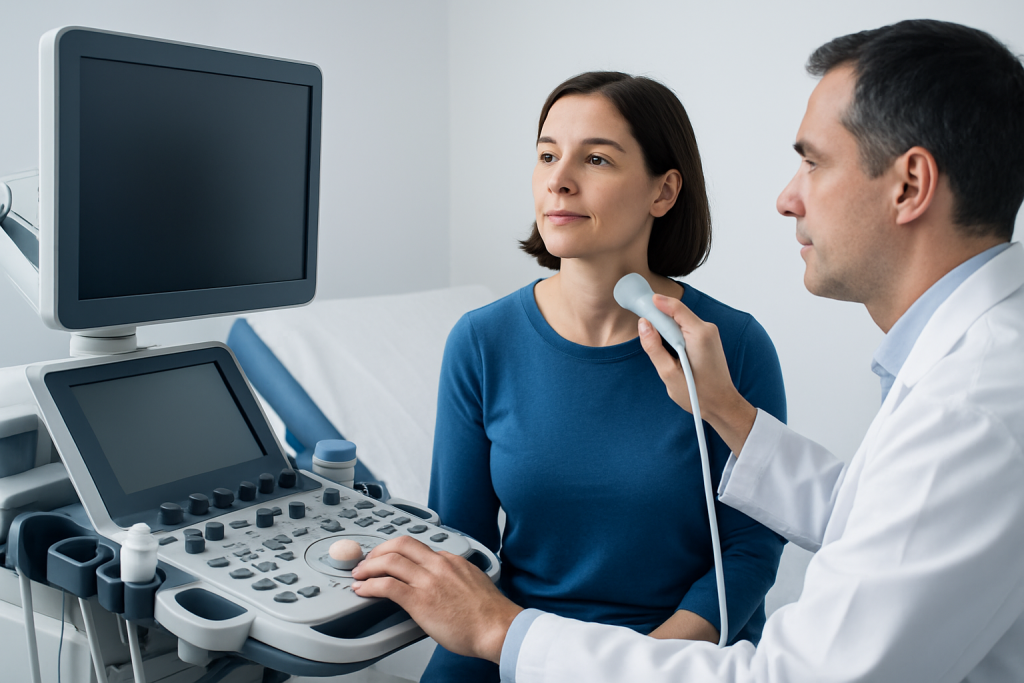
Neck pain does not feel the same for everyone. Some people notice a dull ache in the back of the neck, while others feel stiffness, burning, or tightness that spreads into the shoulders. Turning the head may feel restricted, and certain positions may seem better than others, especially after a night of poor sleep or a long period at a desk.
Along with pain, a person may also experience headaches that start at the base of the skull, tenderness in the muscles, or a sense that the neck is “locked up.” In many cases, these symptoms are strongest after periods of inactivity and improve somewhat with gentle movement.
It is helpful to pay attention to the pattern of symptoms. Pain that comes and goes with posture or activity often points toward muscle strain or overuse, while pain that radiates into the arm, causes tingling, or limits strength deserves medical evaluation. Those details help a clinician understand whether the issue is mainly muscular, joint-related, or nerve-related.
Causes & Risk Factors
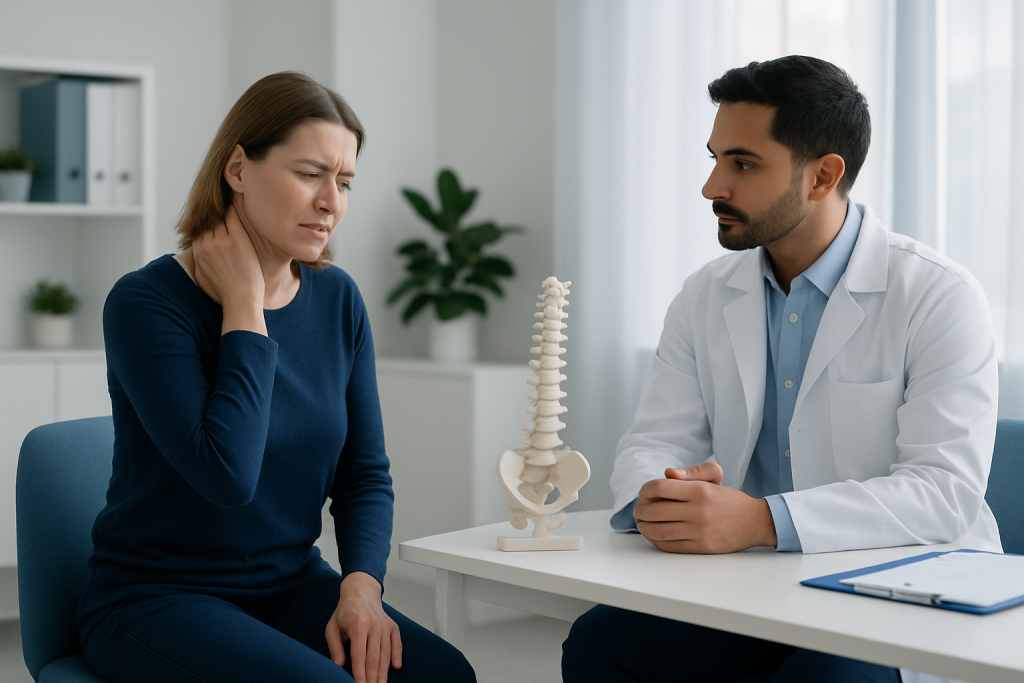
Most everyday neck pain is mechanical, meaning it is linked to how the neck muscles, joints, and ligaments are being used. Common triggers include slouching, holding the head forward for long periods, reading or using a phone with the chin tucked down, and sleeping with a pillow that does not support the neck well.
Other factors can make neck pain more likely or more stubborn. Stress often leads to unconscious muscle tightening, while repetitive tasks, driving long distances, carrying heavy bags, and sudden movements can strain the area. People with arthritis, prior neck injuries, or work that requires prolonged sitting or looking up may also notice recurring symptoms.
Less commonly, neck pain may be related to a pinched nerve, disc problem, infection, inflammatory disease, or another medical condition. A clinician considers the full picture, including the timing of symptoms, injury history, and whether pain is isolated or accompanied by other signs. That broader view matters, because natural self-care is helpful for many causes but not all of them.
Diagnosis
When neck pain does not improve or seems unusual, diagnosis starts with a careful conversation and physical examination. A doctor may ask when the pain began, what makes it worse or better, whether the person has had an injury, and whether symptoms extend into the shoulders, arms, or hands. The examination often includes checking posture, range of motion, muscle tenderness, reflexes, and strength.
Many people do not need tests right away. If the symptoms are straightforward and there are no warning signs, a clinician may recommend conservative care first. Imaging such as X-rays, CT scans, or MRI is generally considered when pain follows trauma, lasts longer than expected, or is associated with neurological symptoms or other concerning features.
For someone seeking care from another country, it can be reassuring to know that diagnosis is usually practical and stepwise. The goal is not to order every possible test, but to understand the source of pain well enough to choose safe treatment and avoid unnecessary delays in recovery.
Treatment Options
Natural Knee Pain Relief: Causes and Treatment" class="ahp-ilk">Pain Relief: Causes, Remedies and Treatment" class="ahp-ilk">neck pain relief usually works best when several gentle measures are used together. Short periods of rest can be useful if movement is aggravating the pain, but prolonged rest often makes stiffness worse. Many people benefit from staying lightly active and gradually returning to normal activities as tolerated.
Heat can relax tight muscles, while cold packs may help if the area feels inflamed or sore after strain. Gentle stretching, slow range-of-motion exercises, and improving posture at the desk can also reduce load on the neck. Some people find that physical therapy or guided rehabilitation is especially helpful when pain keeps returning, because it teaches movement patterns that protect the neck over time.
Other non-drug strategies can support recovery as well:
- Adjust screen height so the head is not constantly tilted forward.
- Use a supportive pillow that keeps the neck in a neutral position.
- Take brief movement breaks during long sitting periods.
- Reduce carrying loads on one shoulder for extended periods.
- Practice relaxation techniques if stress appears to tighten the neck muscles.
If symptoms are stronger or related to another condition, a doctor may recommend additional treatment. The right plan depends on the cause, overall health, and whether the pain is simple muscle strain or part of a broader problem. For patients traveling for evaluation, treatment planning often includes clear instructions for home care and follow-up after returning home.
Prevention & Self-care
Preventing neck pain is often about reducing the small habits that add strain over time. A person who spends many hours on a laptop or phone may find that even a slight change in head position makes a noticeable difference. The same is true for sleep setup, chair height, and the way a bag is carried.
Regular movement matters. The neck is designed to move, and staying in one position too long can cause muscles to become protective and tight. Short, frequent breaks are often more helpful than one long stretch session at the end of the day. A simple routine of gentle neck rotations, shoulder rolls, and posture resets can be enough for many people.
Self-care also includes knowing personal limits. If a stretch increases pain sharply, it should be stopped. If the neck feels worse after a new exercise or workstation change, it may need to be adjusted rather than abandoned entirely. Consistency usually matters more than intensity, especially when the goal is natural relief.
When To See a Doctor
Neck pain should be checked by a doctor if it is severe, keeps returning, or does not improve after a reasonable period of home care. Medical evaluation is also important when pain follows a fall, car accident, or other injury, even if the person initially feels able to move normally.
Prompt attention is especially important if the pain is accompanied by numbness, tingling, weakness, trouble walking, fever, unexplained weight loss, or pain that radiates down the arm. These symptoms do not always mean something serious, but they do suggest that the cause deserves professional assessment rather than self-treatment alone.
People who are planning to travel, work abroad, or return home soon after treatment may benefit from getting evaluated earlier, while symptoms are still mild and the treatment plan is simpler. Acibadem Health Point’s multidisciplinary specialists and JCI-accredited hospitals diagnose and treat neck pain for international patients with a focus on safe, coordinated care and clear follow-up.
A Practical Final Thought
Reducing neck pain naturally is usually a matter of steady, sensible habits rather than dramatic changes. Better posture, regular movement, sleep support, and a calmer muscle environment can make the neck less vulnerable to daily strain.
At the same time, persistent or unusual pain should not be brushed aside. A thoughtful medical assessment can clarify the cause and help a person choose the right mix of self-care, rehabilitation, or further treatment. That balance is often what turns a recurring problem into a manageable one.
Frequently asked questions
What is the fastest natural way to ease neck pain?
For many people, the quickest relief comes from gently changing position, applying heat or cold, and avoiding the posture that triggered the pain. Short movement breaks and light stretching may also help the muscles relax. If the pain is severe or does not begin to settle, medical advice is sensible.
Is it better to rest or move the neck when it hurts?
In most mild cases, gentle movement is better than complete rest. Staying still for too long can increase stiffness and make symptoms linger. The key is to move within a comfortable range and avoid forcing painful motions.
Can poor posture really cause neck pain?
Yes, posture is one of the most common contributors to everyday neck discomfort. Holding the head forward for long periods increases strain on the neck muscles and joints. Small ergonomic changes often make a meaningful difference over time.
Do pillows affect neck pain?
They can, especially if the pillow keeps the neck bent too far up, down, or to one side. A supportive pillow that helps maintain a neutral neck position may reduce morning stiffness. If a person wakes with neck pain often, pillow and sleep position are worth reviewing.
When should neck pain be treated as urgent?
Urgent medical attention is appropriate if neck pain follows a major injury or comes with weakness, numbness, trouble walking, severe headache, fever, or difficulty controlling the arms or hands. These symptoms deserve prompt assessment because they may point to a condition that needs specific treatment.
Can stress make neck pain worse?
Yes, stress can lead to muscle tightening in the neck and shoulders, which may increase pain or stiffness. Relaxation techniques, breathing exercises, and regular breaks can help reduce that tension. If stress seems to be a major factor, it may help to address both the physical and emotional sides of the problem.
References
- World Health Organization
- National Institute of Neurological Disorders and Stroke
- Mayo Clinic
- American Academy of Orthopaedic Surgeons
- NHS
This article is for general information only and is not a substitute for professional medical advice. Please consult a qualified doctor about your individual situation.
More from the Health Library



Related Specialists

Prof. Dr. Ahmet Alanay
Orthopedic Surgery & Traumatology
Dr. Sinan Aksu
Orthopedic Surgery & Traumatology
Dr. Sirri Baştürk
Orthopedic Surgery & Traumatology
Prof. Dr. Korhan Özkan
Orthopedic Surgery & Traumatology