

Meniscus Tear: Symptoms, Causes and Treatment

Key Takeaways
- The meniscus is a cushion in the knee that helps absorb shock and support smooth movement.
- A tear may happen suddenly during twisting or develop gradually with wear and tear.
- Symptoms often include pain, swelling, stiffness, catching, or locking of the knee.
- Diagnosis usually involves a physical exam and may include MRI imaging.
- Treatment ranges from rest and rehabilitation to arthroscopic surgery, depending on the tear type and symptoms.
Medically reviewed by the Acıbadem clinical team — August 19, 2026
A Meniscus Tear: Symptoms, Causes and Treatment" class="ahp-ilk">meniscus tear is a common knee injury that can cause pain, swelling, catching, or a feeling that the knee is unstable. Many tears improve with guided non-surgical care, while some need targeted procedures to restore function and protect the joint.
Overview
The knee works best when its parts share the load in a coordinated way. The meniscus is one of those parts: two crescent-shaped cushions sit between the thigh bone and shin bone, helping the joint absorb impact and move smoothly. When one of these cushions is torn, everyday actions such as squatting, turning, climbing stairs, or getting up from a low seat can suddenly become uncomfortable.
A meniscus tear can occur during sports, a fall, or a simple twist while the foot stays planted. It can also appear gradually as the tissue becomes less resilient with age. For many people, the first question is not only what the tear is, but whether it truly needs an operation. The answer depends on the tear pattern, the person’s age and activity level, and whether the knee is simply painful or also mechanically stuck.
For international patients, the practical concern is often timing: how soon the knee can be assessed, whether imaging is needed before travel, and what recovery would look like away from home. A careful orthopedic evaluation helps shape a plan that is realistic, safe, and matched to the patient’s daily demands.
Symptoms
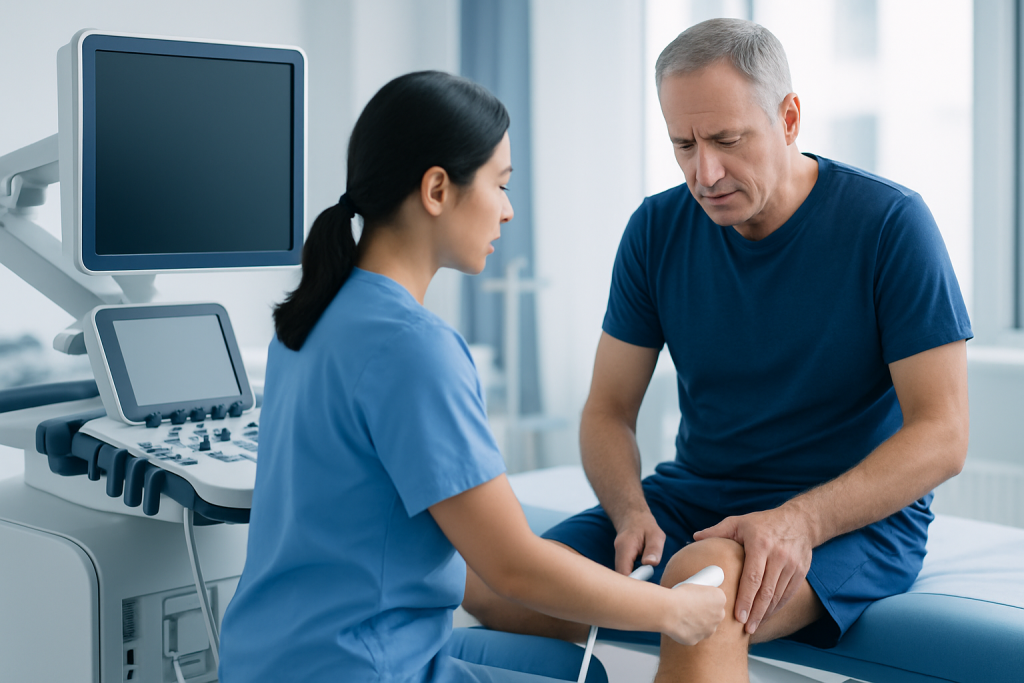
Meniscus tear symptoms are not always dramatic. Some people remember a clear twisting event and feel pain immediately, while others notice a gradual increase in knee discomfort over days or weeks. The pain may be felt along the inside or outside of the knee, depending on which meniscus is affected.
Common symptoms include swelling, stiffness, and pain that worsens with deep bending, pivoting, or kneeling. Some knees click, catch, or feel as though they briefly lock during movement. A torn meniscus can also make the joint feel unsteady, especially when changing direction.
- Pain in the knee joint, often on one side
- Swelling that may appear gradually or within hours
- Clicking, catching, or locking sensations
- Difficulty fully straightening or bending the knee
- A feeling that the knee may give way
Symptoms can overlap with other knee problems, including ligament injuries, cartilage wear, or inflammation. That is why a structured exam matters; it helps separate a meniscus tear from other causes of knee pain that may look similar at first.
Causes & Risk Factors
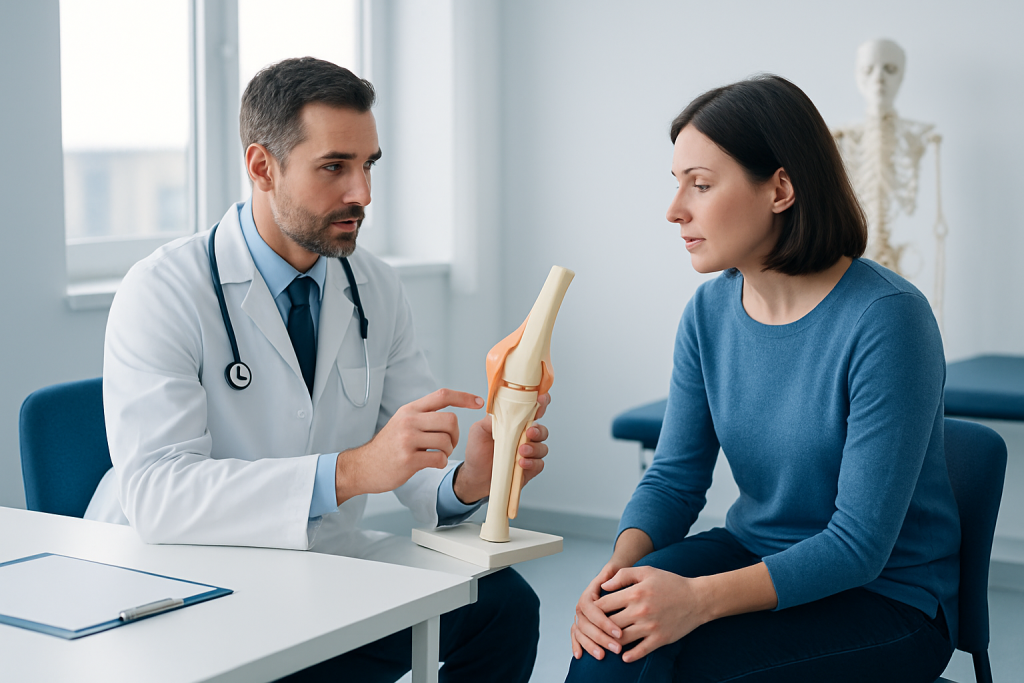
Meniscus tears usually fall into two broad patterns. In younger, active people, they often happen after a twisting injury while the foot is fixed on the ground, such as during football, basketball, skiing, or a sudden change in direction. In older adults, the tissue may tear more easily because it has gradually become thinner and less elastic over time.
Several factors can increase the chance of a tear. Sports that involve pivoting place repeated stress on the knee. Jobs or activities that require frequent squatting, kneeling, or lifting may also increase strain. A history of previous knee injury can make the joint more vulnerable, and general age-related wear can contribute even without a clear accident.
It is helpful to remember that not every tear is caused by a single memorable event. Some people develop symptoms after a small movement that would not normally seem important. Others discover a tear when they are being evaluated for persistent swelling or joint pain that has not improved with simpler measures.
Diagnosis
Diagnosis begins with a conversation about how the knee started hurting, what movements worsen it, and whether the joint ever locks or gives way. The clinician then examines the knee for tenderness, swelling, range of motion, and signs that suggest a meniscus injury rather than a ligament or bone problem.
Physical tests may reproduce pain or a catching sensation when the knee is bent and rotated. These tests are useful, but they are not perfect on their own. If the symptoms and examination point toward a tear, magnetic resonance imaging, or MRI, is often the most helpful scan because it shows the soft tissues inside the knee in detail.
X-rays may also be requested, especially if the person is older, has had an injury, or needs an assessment for arthritis or bone changes. In some cases, the clinician may recommend starting treatment based on the exam and symptoms, particularly if the situation is straightforward and the knee is not mechanically blocked.
Treatment Options
Not every meniscus tear requires surgery. Small or stable tears, especially those that are not causing locking, may improve with a period of activity modification, pain control, and rehabilitation. The main aim is to calm irritation, restore motion, and strengthen the muscles that support the knee.
Non-surgical care often includes rest from provoking activities, ice for swelling, and guided physical therapy. Rehabilitation usually focuses on restoring range of motion, improving balance, and strengthening the quadriceps, hamstrings, and hip muscles. These muscles help the knee track more smoothly and can reduce stress on the injured tissue.
When symptoms persist or the knee becomes mechanically blocked, a doctor may discuss arthroscopic surgery. During this minimally invasive procedure, the surgeon uses small instruments to evaluate the tear and either repair the tissue or trim the damaged section, depending on the location and pattern. Repair is often preferred when the tear has a good chance of healing, while trimming may be considered when the tissue is not suitable for repair.
Recovery time varies widely. A repair usually requires more protection and a slower return to activity than trimming does, because the tissue needs time to heal. For patients traveling from another country, this planning matters: the team should explain when it is safe to fly, how follow-up will work, and what rehabilitation can be continued at home.
Prevention & Self-care
Not every meniscus tear can be prevented, but the knee can often be protected by reducing unnecessary strain. A good warm-up before sports, gradual increases in training, and attention to technique can lower the risk of twisting injuries. Supporting the surrounding muscles through regular exercise also helps the joint handle stress more efficiently.
Practical self-care after symptoms begin is equally important. If the knee is swollen or painful, short periods of rest from aggravating movements can help. Ice, elevation, and gentle motion may ease discomfort, while a clinician or physiotherapist can guide safe exercises that keep the knee from becoming stiff.
- Strengthen the muscles around the knee and hips
- Use proper footwear for sport and daily activity
- Avoid sudden increases in training intensity
- Pay attention to pain during twisting or deep squatting
- Follow a rehabilitation plan consistently if injury occurs
People recovering after treatment may benefit from planning their follow-up before travel. Clear instructions on exercise progression, wound care if surgery was performed, and warning signs to watch for help recovery stay on track even after returning home.
When to See a Doctor
Medical evaluation is a good idea if knee pain lasts more than a few days, especially when swelling, clicking, or difficulty moving the joint is present. It is also wise to seek care sooner if the knee felt injured during a twist or pivot and has not improved with rest.
Prompt assessment is especially important when the knee locks, cannot fully straighten, or feels unstable enough to interfere with walking. These signs can point to a tear that is affecting movement in the joint, not just causing soreness.
Anyone with significant swelling after an injury, or pain that prevents normal weight-bearing, should be examined by a qualified clinician. For patients considering care abroad, an orthopedic team can help determine whether imaging, treatment, and early rehabilitation can be organized efficiently before the return journey. Acibadem Health Point’s multidisciplinary specialists and JCI-accredited hospitals diagnose and treat meniscus tears for international patients, with attention to both the knee and the practical details of recovery.
Frequently asked questions
What is the meniscus in the knee?
The meniscus is a rubbery, crescent-shaped piece of cartilage that sits between the thigh bone and shin bone. It helps absorb shock, spread load, and improve the smooth movement of the knee joint.
Can a meniscus tear heal without surgery?
Some tears can improve with rest, physical therapy, and time, especially if they are small or stable. Tears that cause locking, persistent pain, or ongoing functional problems may need a surgical opinion.
What does a meniscus tear feel like?
People often describe pain on one side of the knee, swelling, stiffness, or a catching sensation. Some notice a pop at the time of injury, while others mainly feel discomfort during squatting or turning.
Is an MRI always needed?
Not always. A clinician may diagnose a tear from the history and physical exam alone, but MRI is often used when the diagnosis is uncertain or when treatment planning needs a clearer view of the soft tissues.
How long does recovery take?
Recovery depends on the tear type and treatment. Non-surgical care may improve symptoms over weeks, while recovery after arthroscopic repair is usually longer and requires a structured rehabilitation plan.
Can someone travel after meniscus treatment?
Often yes, but timing depends on the treatment received and the person’s mobility, pain, and swelling. The care team should give individualized advice about flying, wound care, exercises, and follow-up before travel.
References
- American Academy of Orthopaedic Surgeons
- Mayo Clinic
- National Institute of Arthritis and Musculoskeletal and Skin Diseases
- British Orthopaedic Association
- Cleveland Clinic
This article is for general information only and is not a substitute for professional medical advice. Please consult a qualified doctor about your individual situation.
Joint and spine care in Turkey — expert assessment & treatment
JCI-accredited · board-certified surgeons · reply within 24h
Add us as a Preferred Source to see more of our trusted health content across Google Search, AI Overviews and Discover.
More from the Health Library



Related Specialists

Prof. Dr. Ahmet Alanay
Orthopedic Surgery & Traumatology
Dr. Sinan Aksu
Orthopedic Surgery & Traumatology
Dr. Sirri Baştürk
Orthopedic Surgery & Traumatology
Prof. Dr. Korhan Özkan
Orthopedic Surgery & Traumatology