Spinal Cord Stimulator

Key Takeaways
- A spinal cord stimulator does not cure the underlying cause of pain, but it may help lower pain intensity and improve daily function.
- It is most often considered for certain nerve-related pain conditions, including persistent pain after spine surgery and some complex regional pain cases.
- A trial period usually helps determine whether the device is likely to provide meaningful benefit before permanent implantation.
- The treatment involves careful screening, procedure planning, and follow-up to adjust settings and monitor results.
- As with any implant, there are risks such as infection, lead movement, or incomplete pain relief, so patient selection matters.
A spinal cord stimulator is a small implanted device that may help reduce chronic pain by changing how pain signals are perceived. It is usually considered when medication, injections, or surgery have not provided enough relief and a specialist believes neuromodulation may be appropriate.
Overview
A spinal cord stimulator is a small implanted medical device designed to help interrupt pain signals before they reach the brain. It is part of a treatment approach called neuromodulation, which means the nervous system is gently “re-tuned” rather than removed or blocked permanently.
For people living with long-lasting pain, especially pain that has not responded well to medication, injections, physical therapy, or previous surgery, this option may be discussed by a pain specialist, neurologist, neurosurgeon, or spine surgeon. The goal is usually not complete silence of pain, but a meaningful reduction that makes sleep, movement, and day-to-day activities more manageable.
International patients often first hear about spinal cord stimulation after years of searching for answers. That is why a thoughtful evaluation matters: the device is not meant for every type of pain, and it works best when the pain pattern, the diagnosis, and the person’s treatment goals all align.
Symptoms
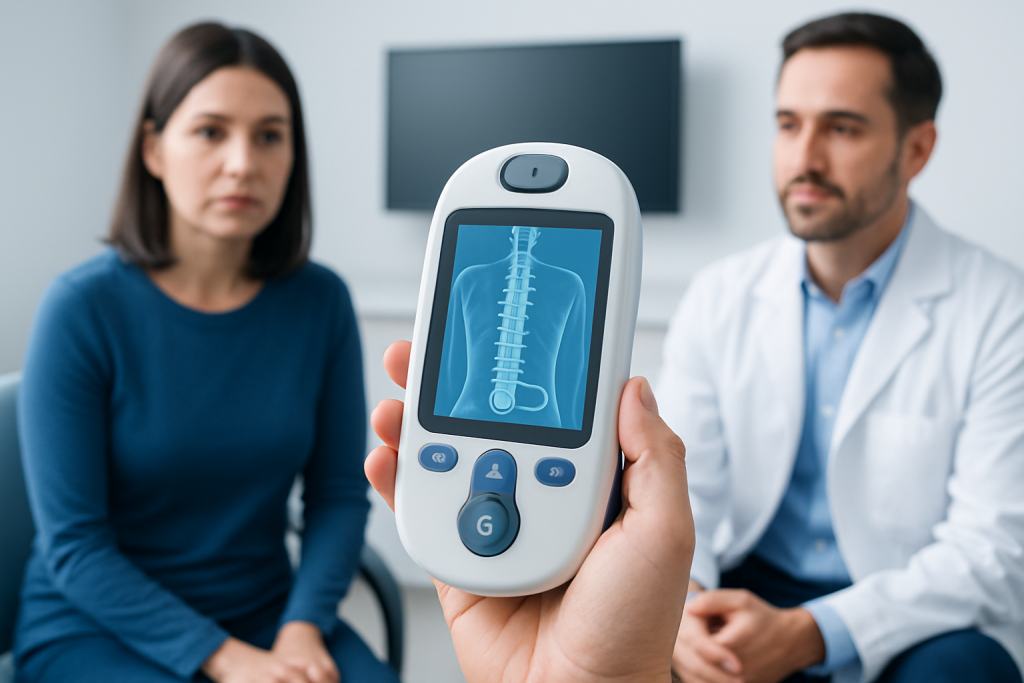
Spinal cord stimulation is not a symptom itself; it is a treatment considered for certain pain patterns. The people most likely to be evaluated for it usually describe ongoing pain that feels persistent, hard to control, and disruptive to normal life.
The pain may be burning, shooting, tingling, stabbing, or electric in quality, especially when nerves are involved. It may spread into the legs, arms, back, or other areas, and it may be accompanied by heightened sensitivity to touch or movement.
Common situations where a specialist may consider this therapy include:
- Persistent pain after spine surgery
- Complex regional pain syndrome
- Certain chronic nerve pain conditions
- Some cases of ischemic limb pain when other options are limited
When pain has lasted a long time, it can also affect mood, sleep, energy, and confidence with movement. These effects are important to discuss, because a good treatment plan looks at function and quality of life, not pain score alone.
Causes & Risk Factors
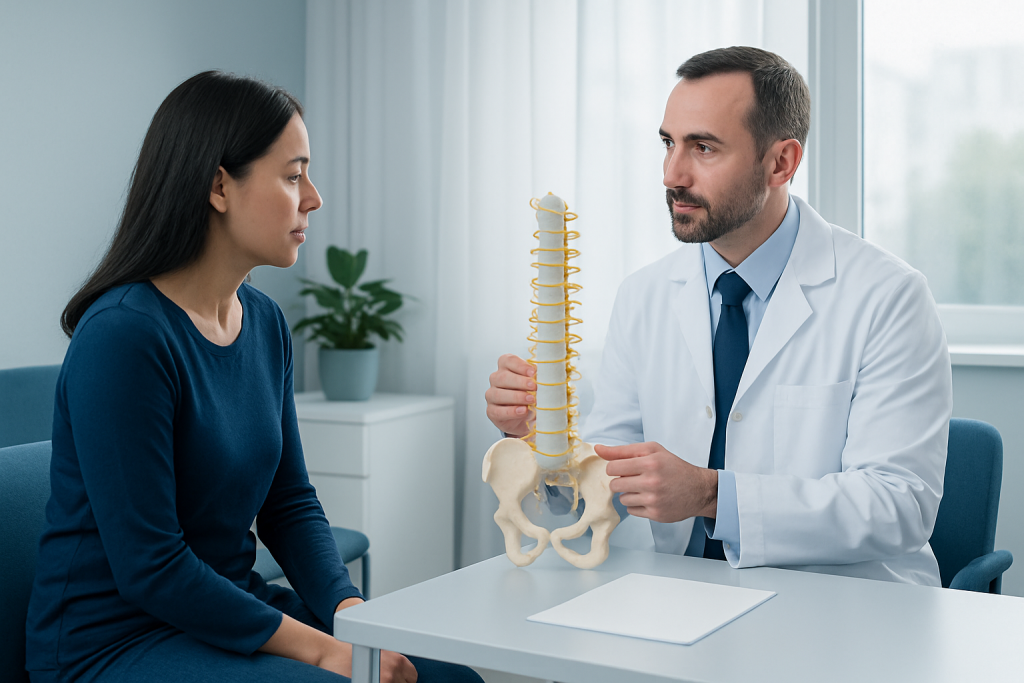
A spinal cord stimulator may be considered when pain is linked to malfunctioning or overly sensitive nerve signaling. The device does not repair a damaged nerve or reverse structural problems in the spine, but it may change how pain messages are processed along the spinal cord.
Several conditions can lead to chronic pain that may be evaluated for neuromodulation. These often include nerve irritation, previous surgical changes, scar tissue, or pain that persists even after the original cause has been treated. In some people, the nervous system becomes more sensitive over time, so pain continues even when scans or examinations do not fully explain it.
Factors that may influence whether a person is a good candidate include overall health, the nature of the pain, previous treatments, and the ability to participate in follow-up care. Smoking, active infection, uncontrolled bleeding disorders, certain psychological concerns, and unrealistic expectations may make implantation less suitable or require additional preparation first.
A specialist will also look at lifestyle factors that matter for recovery. For example, frequent heavy lifting, unstable housing during travel, or difficulty returning for follow-up visits may affect planning for international patients who are considering treatment abroad.
Diagnosis
Before a spinal cord stimulator is recommended, the clinical team needs to understand exactly what is causing the pain and whether neuromodulation is likely to help. This usually begins with a detailed history, a physical examination, and a review of prior imaging, procedures, medications, and therapy attempts.
Imaging tests such as MRI or CT may be used to look for structural problems, while nerve studies or other evaluations may help clarify whether pain has a neuropathic pattern. The doctor also considers whether there are signs of infection, spinal instability, or another condition that should be treated first.
One of the most important steps is the trial phase. During a trial, temporary leads are placed so the person can see whether stimulation improves pain enough to justify permanent implantation. The trial is usually discussed in practical terms: Can the person walk a little farther, sleep a little better, or reduce the need for rescue medication?
This step is especially helpful for patients traveling from another country, because it gives a clearer sense of whether the treatment is worth the effort of a permanent procedure and the follow-up that comes with it.
Treatment Options
Spinal cord stimulation is typically offered after other treatments have not provided enough relief. The process usually includes a trial, followed by permanent implantation if the trial suggests meaningful benefit. The device has a pulse generator, usually placed under the skin, and thin wires called leads that deliver mild electrical pulses to the spinal cord region.
Programming is individualized. Some systems use traditional tonic stimulation, while others use newer patterns such as burst or high-frequency stimulation. The doctor and device specialist can often adjust settings over time to better match the person’s pain pattern and comfort.
Treatment is usually part of a broader pain plan rather than a stand-alone solution. Depending on the case, that plan may also include physical rehabilitation, posture and movement training, psychological support, and careful review of pain medicines. The most useful outcomes often come when the device is combined with realistic activity goals and steady follow-up.
Possible risks and limitations should be discussed clearly before any procedure. These may include infection, bleeding, lead migration, discomfort at the implant site, hardware malfunction, and the possibility that pain relief may be partial or fade over time. A qualified specialist will explain how these issues are monitored and what can be done if they occur.
Prevention & Self-care
There is no guaranteed way to prevent every condition that might later require a spinal cord stimulator. Still, good pain care can sometimes reduce the chance that symptoms become severe or prolonged. Early assessment of persistent nerve-related pain, timely rehabilitation after injury or surgery, and regular follow-up can all matter.
For people already living with chronic pain, self-care is often about protecting function and reducing flare-ups. Gentle movement, pacing activities, keeping appointments with the care team, and following wound-care instructions after a procedure are all important. If a device is implanted, patients also need to learn how to charge it if applicable, what sensations are normal, and when to report changes in pain or stimulation.
- Keep a simple pain and activity diary before and after treatment.
- Maintain realistic expectations about symptom improvement.
- Follow instructions about lifting, bending, and bathing after implantation.
- Report fever, redness, drainage, new weakness, or sudden loss of benefit promptly.
For international patients, planning matters just as much as self-care. It helps to arrange a clear postoperative schedule, know who will adjust device settings, and understand how remote or in-person follow-up will work after returning home.
When to See a Doctor
A doctor’s evaluation is appropriate when pain lasts for weeks or months, interferes with sleep or mobility, or continues despite standard treatment. It is especially important to seek expert input if the pain has a burning or electric quality, follows surgery, or appears to involve nerve irritation.
Anyone considering a spinal cord stimulator should speak with a specialist who can confirm the diagnosis, review previous therapies, and explain whether a trial is appropriate. A careful consultation can prevent unnecessary procedures and help identify the treatment path most likely to fit the person’s situation.
After implantation, medical attention is needed if there are signs of infection, new numbness or weakness, severe headache, sudden changes in bowel or bladder function, or a device that no longer seems to work as expected. These symptoms do not always mean a serious problem, but they deserve prompt review.
Acibadem Health Point’s multidisciplinary specialists and JCI-accredited hospitals diagnose and treat chronic pain conditions for international patients with coordinated evaluation, procedure planning, and follow-up support.
Frequently asked questions
What does a spinal cord stimulator do?
A spinal cord stimulator sends mild electrical pulses to the spinal cord area to change how pain signals are experienced. It may help reduce chronic nerve-related pain and improve function, but it does not cure the underlying condition.
Who is usually a candidate for this treatment?
It is often considered for people with chronic pain that has not responded well to conservative treatment, especially nerve-related pain such as persistent pain after spine surgery or complex regional pain syndrome. A specialist must confirm that the pain pattern and medical history make the device a reasonable option.
Is the spinal cord stimulator trial important?
Yes, the trial is a key step because it shows whether stimulation gives enough benefit before a permanent implant is placed. It helps both the patient and the doctor judge whether the procedure is worth pursuing.
What are the main risks?
As with any implanted device, there can be infection, bleeding, lead movement, discomfort, or hardware problems. There is also a chance that pain relief will be limited or not last as long as hoped.
Can the device be removed if it does not help?
Yes, the system can often be revised or removed if it is not providing useful relief or if a complication develops. The treating team will explain the options based on the person’s situation.
Will it replace other pain treatments?
Usually not. Most people do best when the device is part of a wider plan that may include rehabilitation, activity changes, and ongoing medical follow-up.
References
- National Institute of Neurological Disorders and Stroke
- Cleveland Clinic
- Mayo Clinic
- International Neuromodulation Society
- American Academy of Pain Medicine
This article is for general information only and is not a substitute for professional medical advice. Please consult a qualified doctor about your individual situation.